Hull Cleaning With Hookah: A Boat Owner’s Field Guide
Tools, technique, anodes and antifouling-friendly cleaning — save hundreds per season.
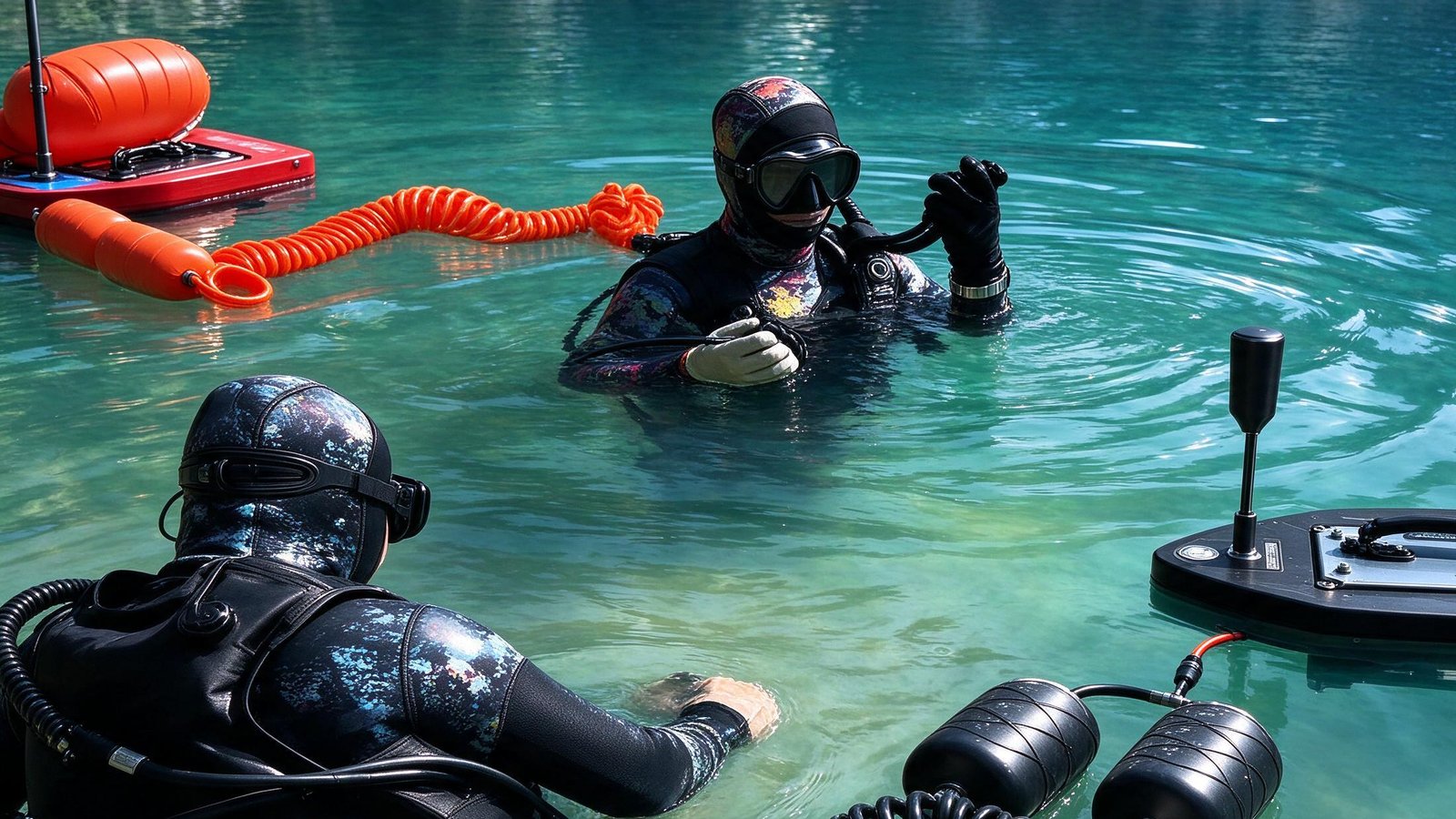
Overview
Tools, technique, anodes and antifouling-friendly cleaning — save hundreds per season. This guide is part of the WOLACH Knowledge Hub and is reviewed by certified instructors before publication.
Surface-supplied diving removes the tank from your back, but it does not remove the physics. Pressure, gas absorption and ascent rate behave exactly as they do on scuba, so the same training and the same discipline apply.
The essentials
Plan your dive, dive your plan. Know your rated depth, your runtime and your exit. Keep the surface unit in sight of your buddy or boat, and never route the hose around obstacles you can't easily reverse.
Checklist
- Battery above 80% before entry
- Hose fully uncoiled and free of kinks
- Regulator breathed on the surface for 30 seconds
- Buddy briefed on hand signals and exit point
FAQ
Do I need a diving certification?
How deep can I go?
What happens if the battery runs low?
Keep reading
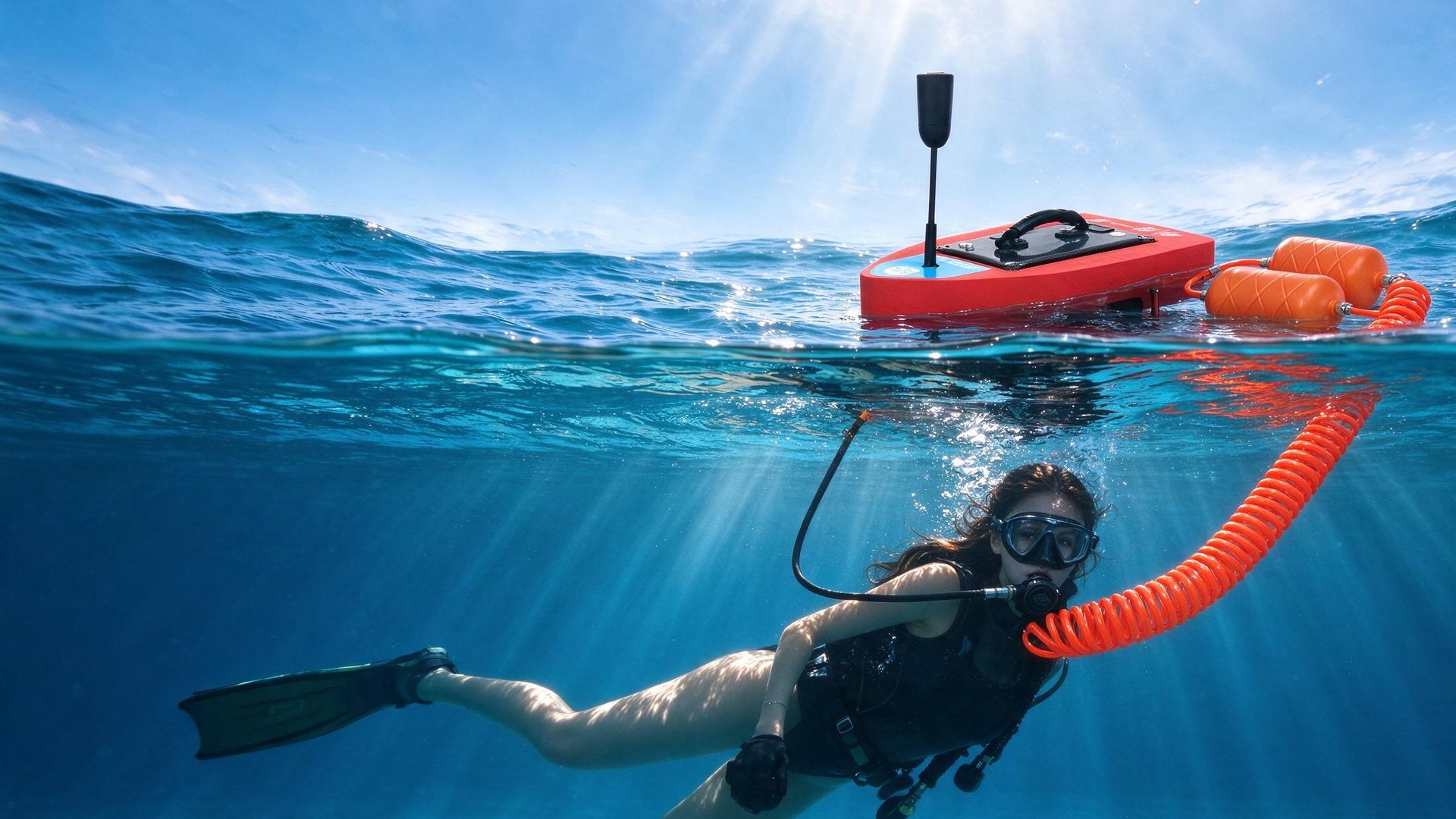
Scuba Tank vs. Tankless Hookah Diving: The Complete 2026 Comparison
Cost, bottom time, depth, safety and logistics — an honest, side-by-side look at when a surface-supply system beats a tank, and when it doesn’t.
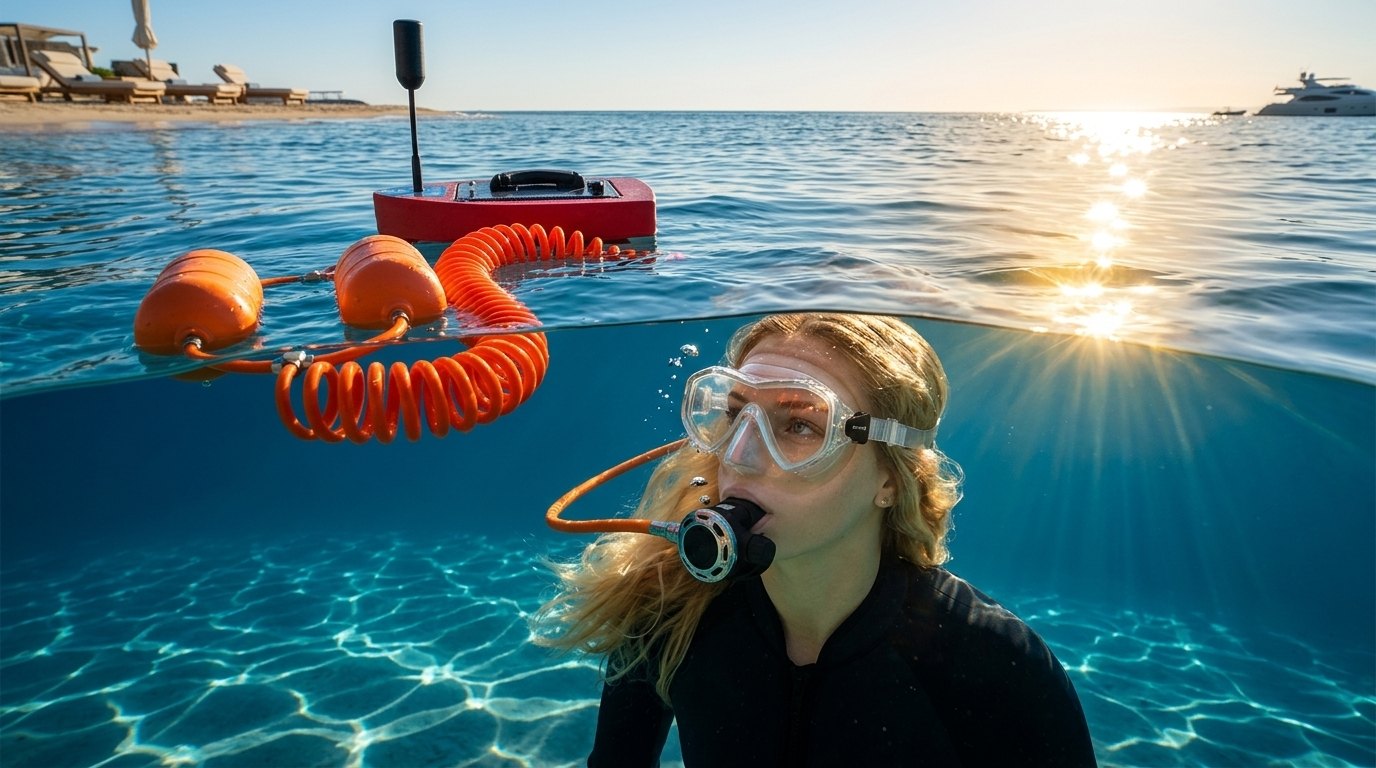
How Deep Can You Go With a Hookah Diving System?
Rated depth vs. tested depth, why hose length is not depth, and the no-decompression limits that still apply.
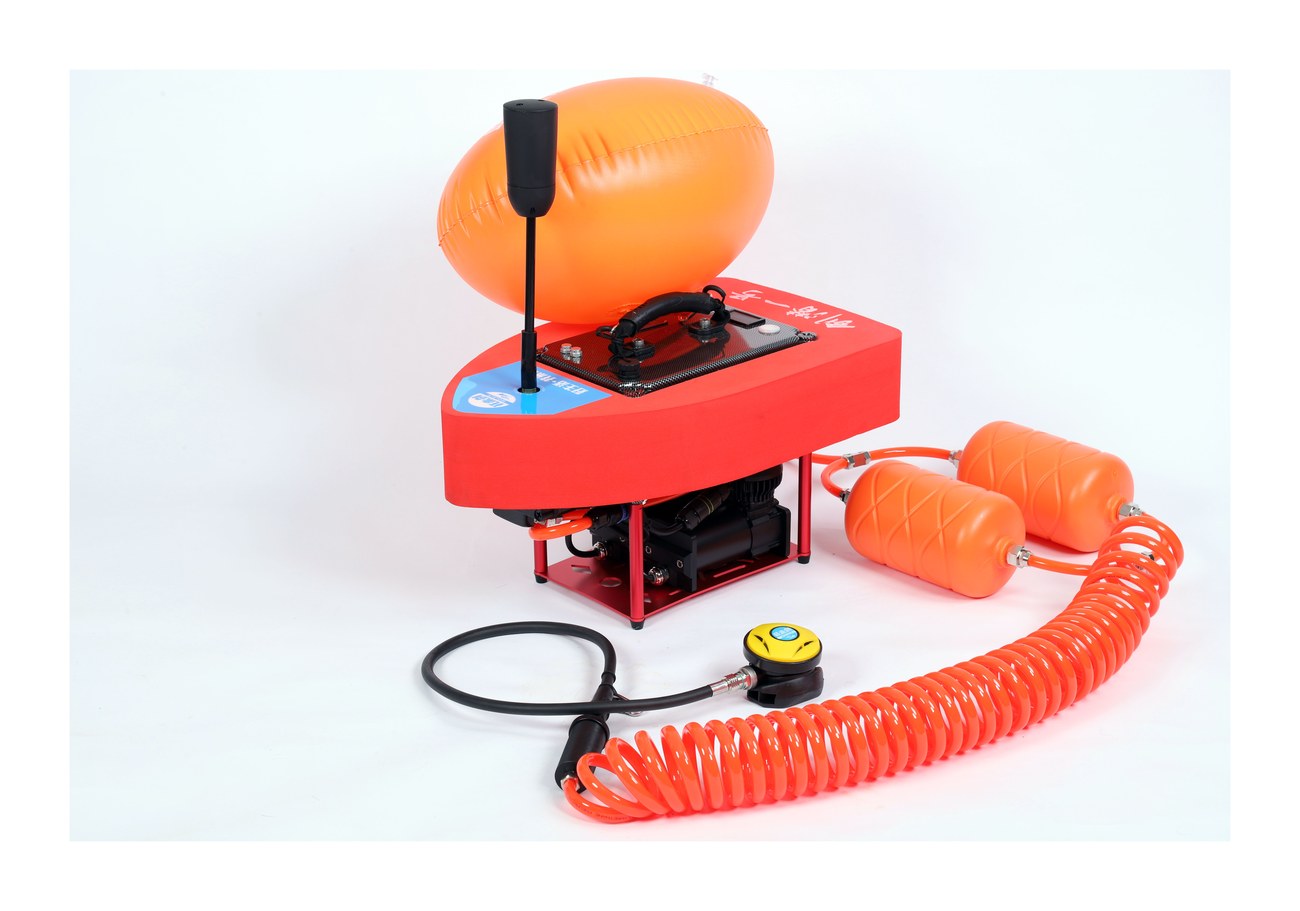
S6 vs S7 vs S9 vs S77: Which WOLACH Is Right for You?
Match depth, runtime and airflow to how you actually dive. Includes a 60-second picker.