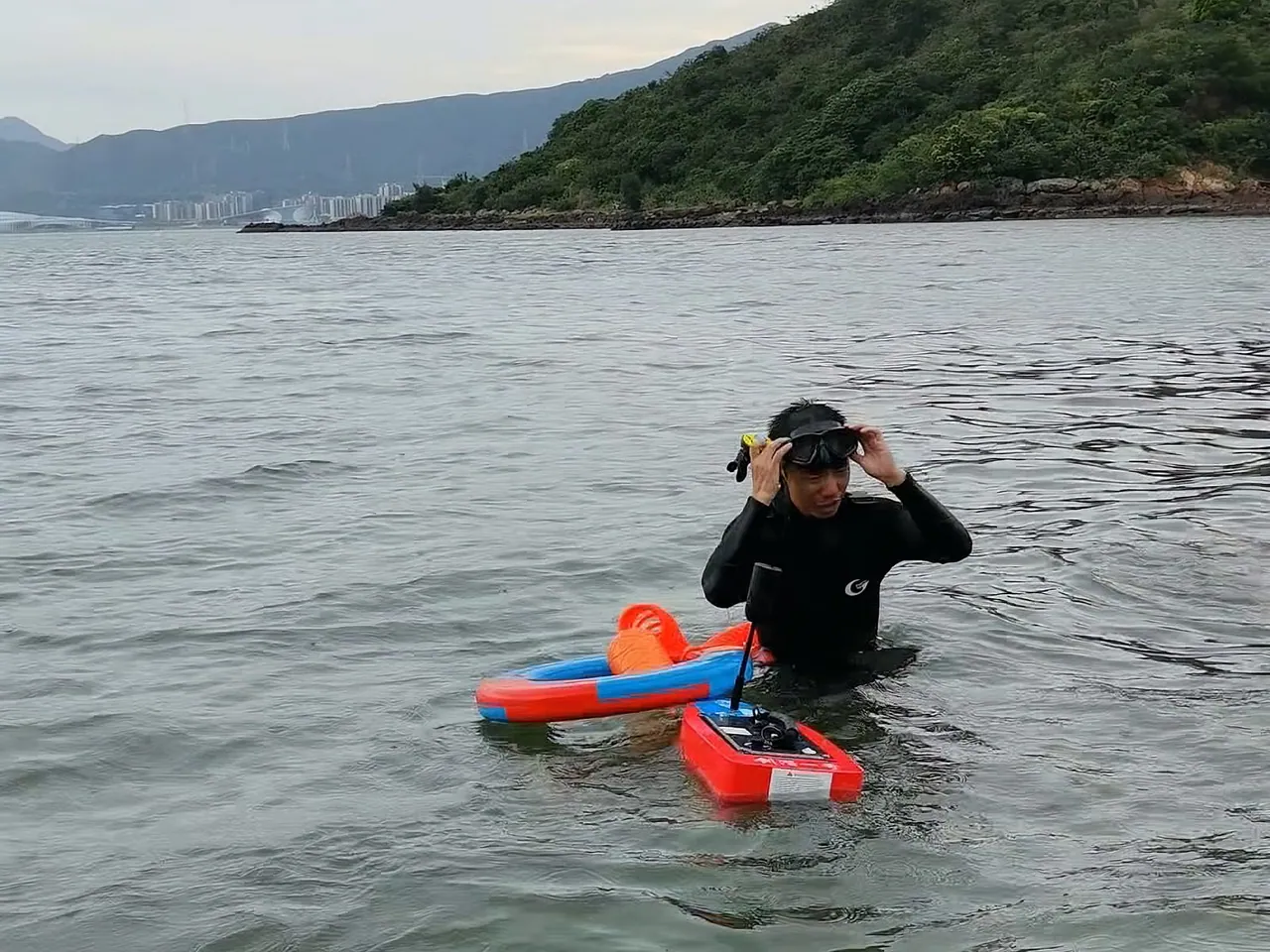
Aquaculture & Harvesting
Surface-supplied air for net checks and harvesting — without a cylinder on your back.
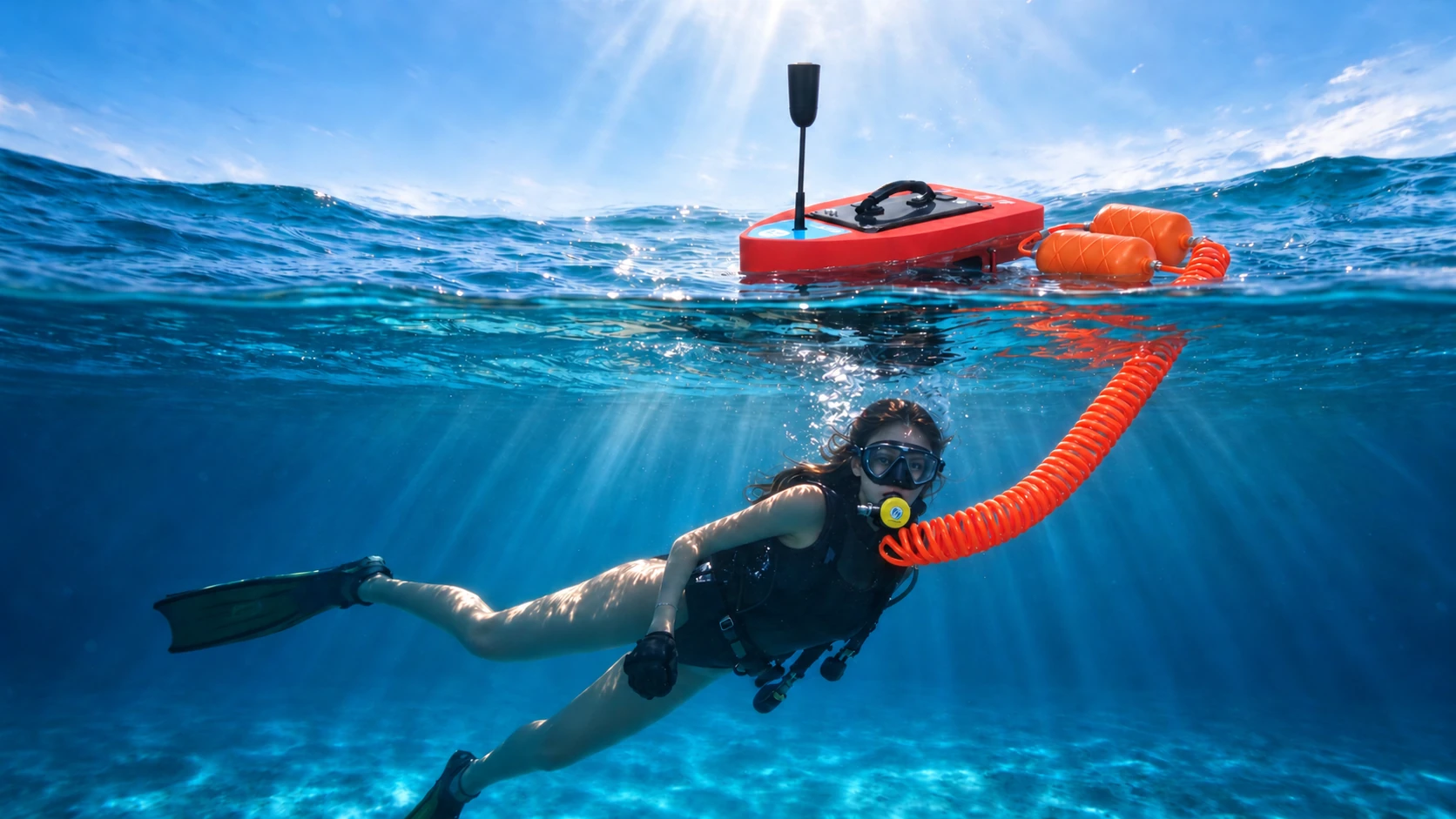
Surface-supplied air for net checks and harvesting — without a cylinder on your back.
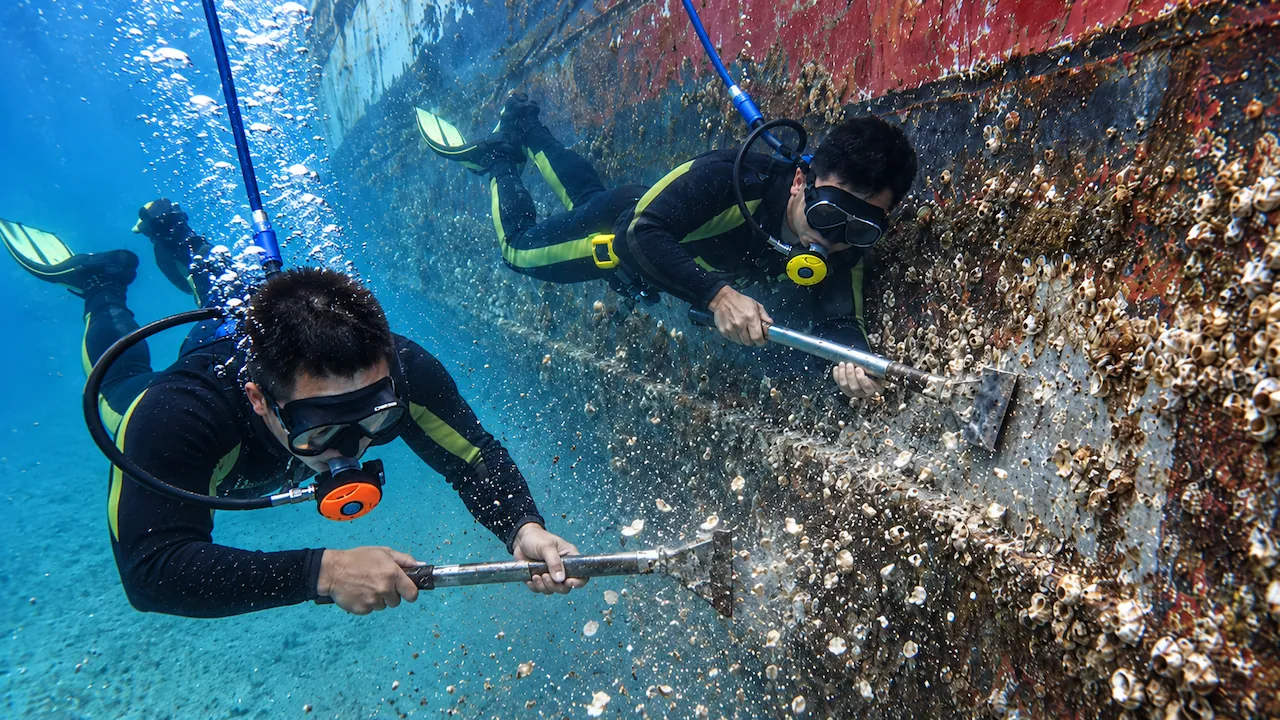
Bring a compact air supply to hull checks, fouling removal and mooring inspections.
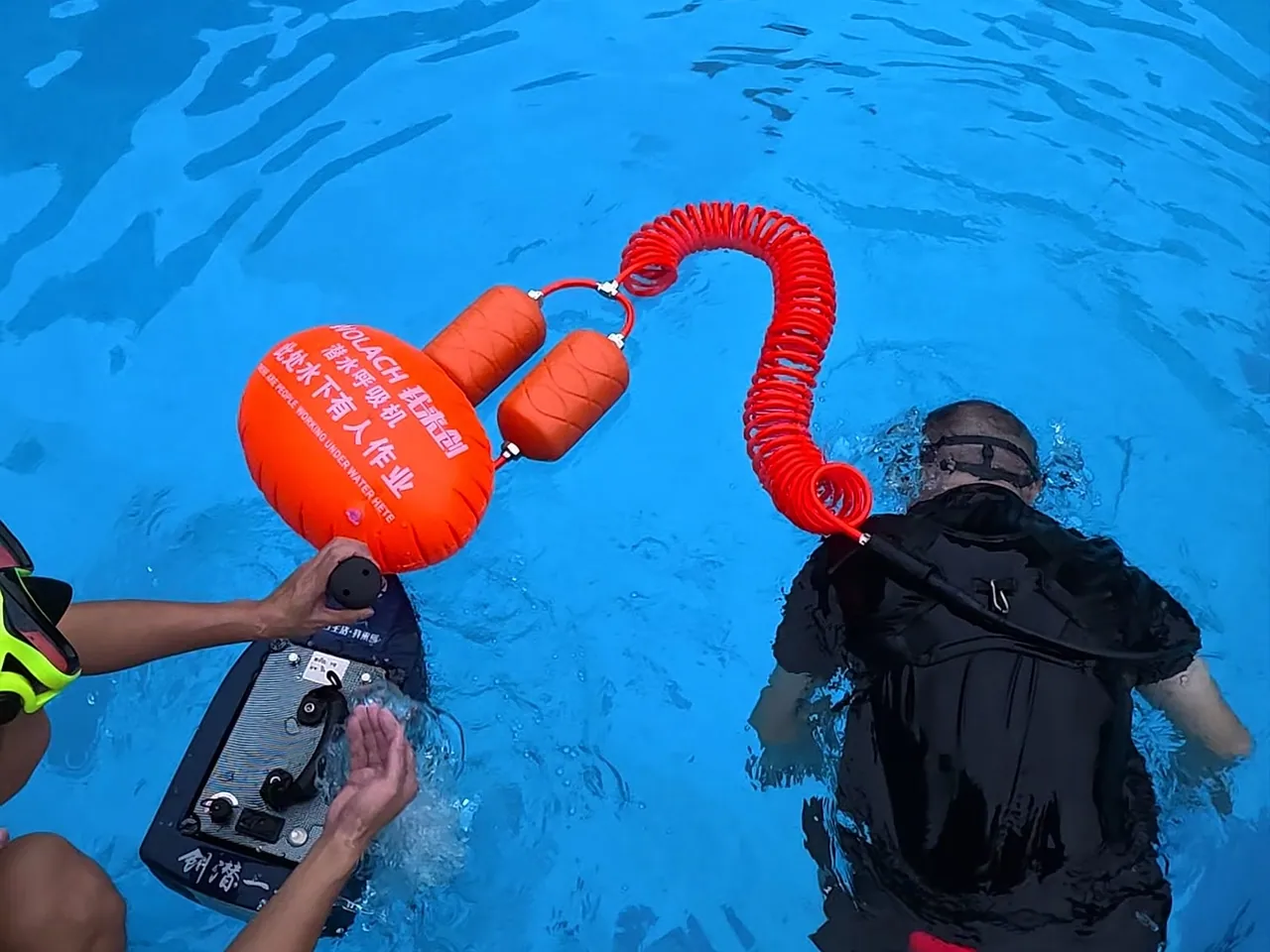
Keep the air unit poolside while inspecting underwater fixtures and surfaces.
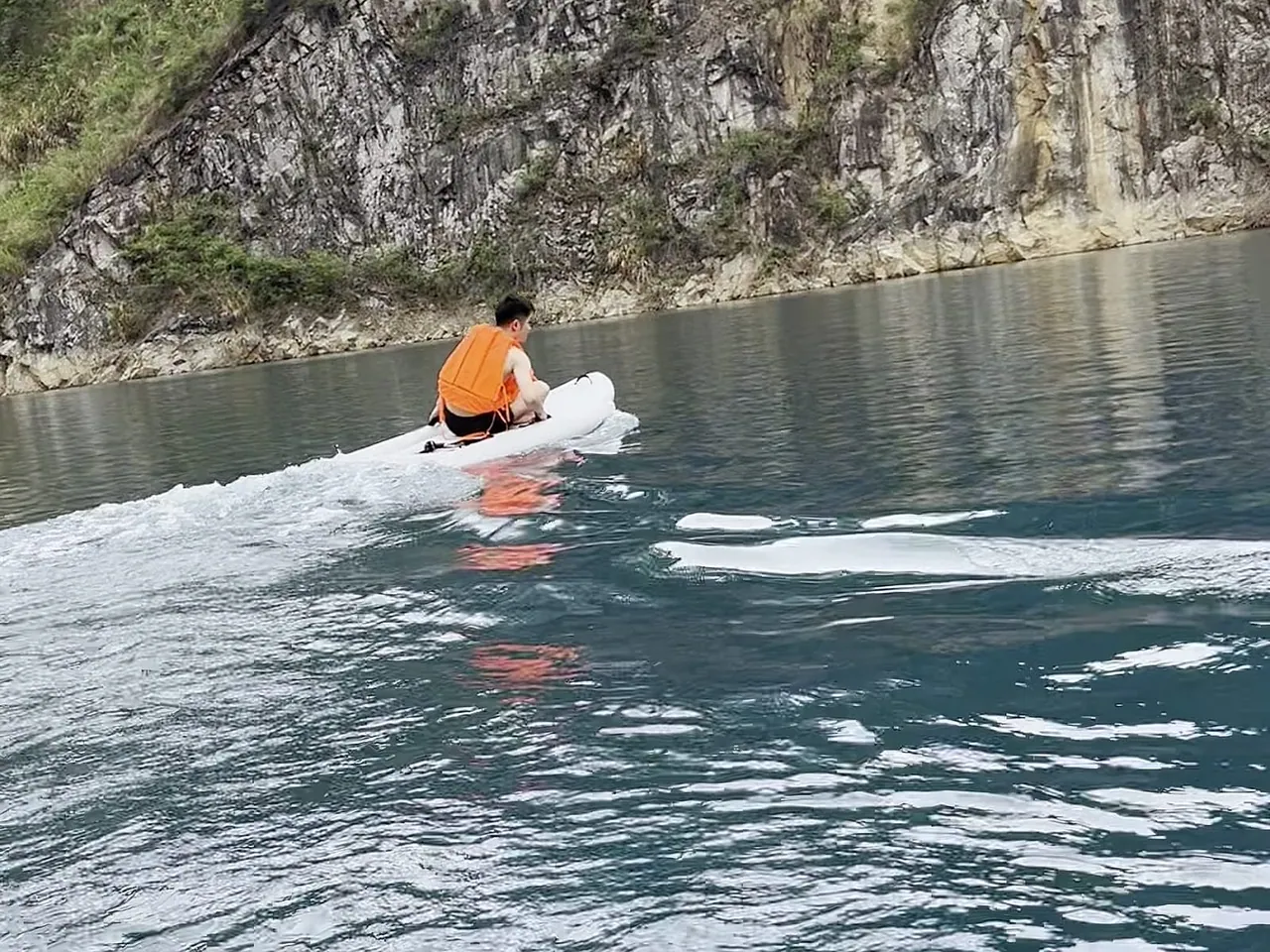
A portable air supply for freshwater exploration and permitted shallow-water prospecting.
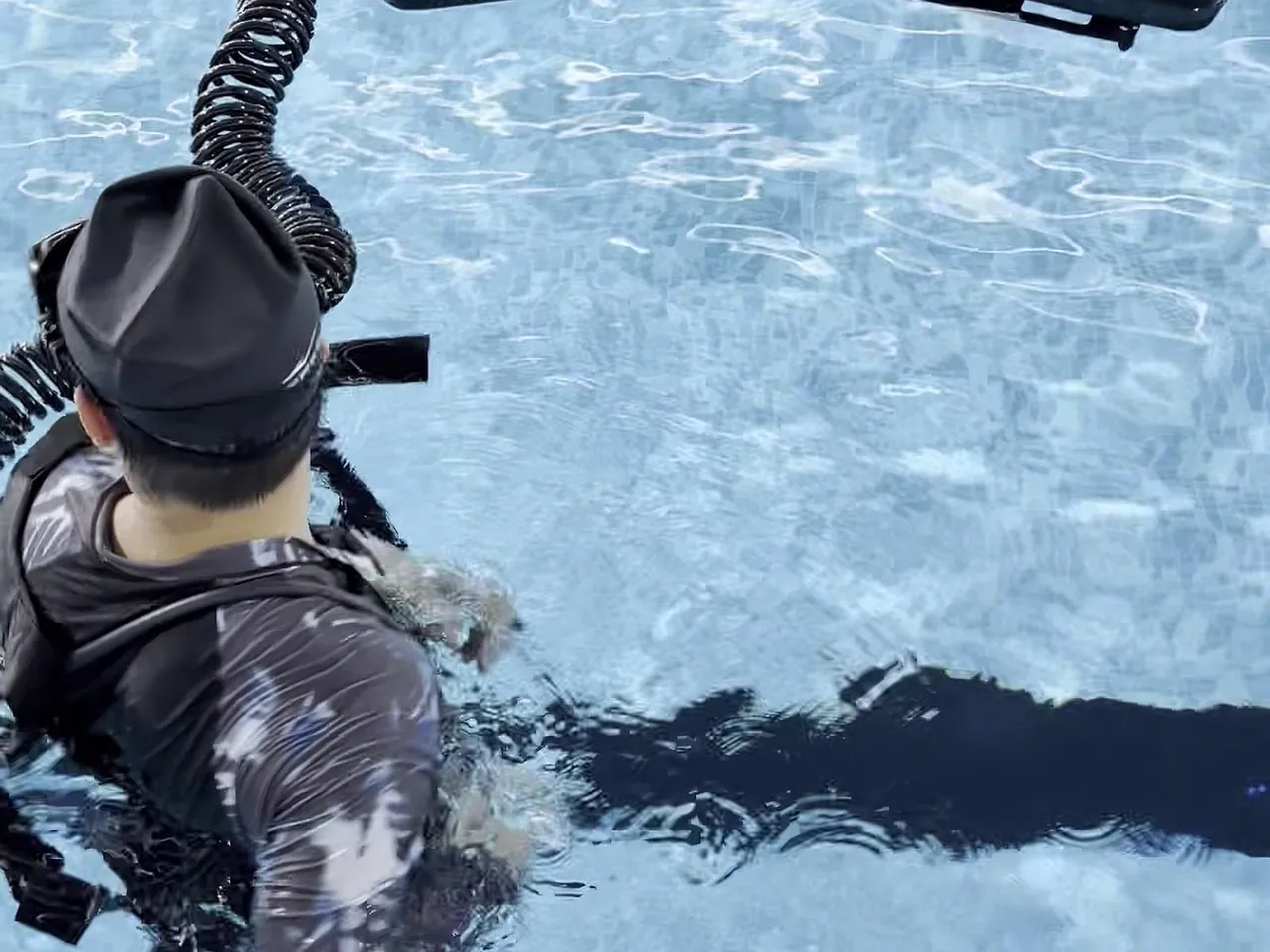
Plan shots with a surface air unit and hose, leaving your back clear of a cylinder.
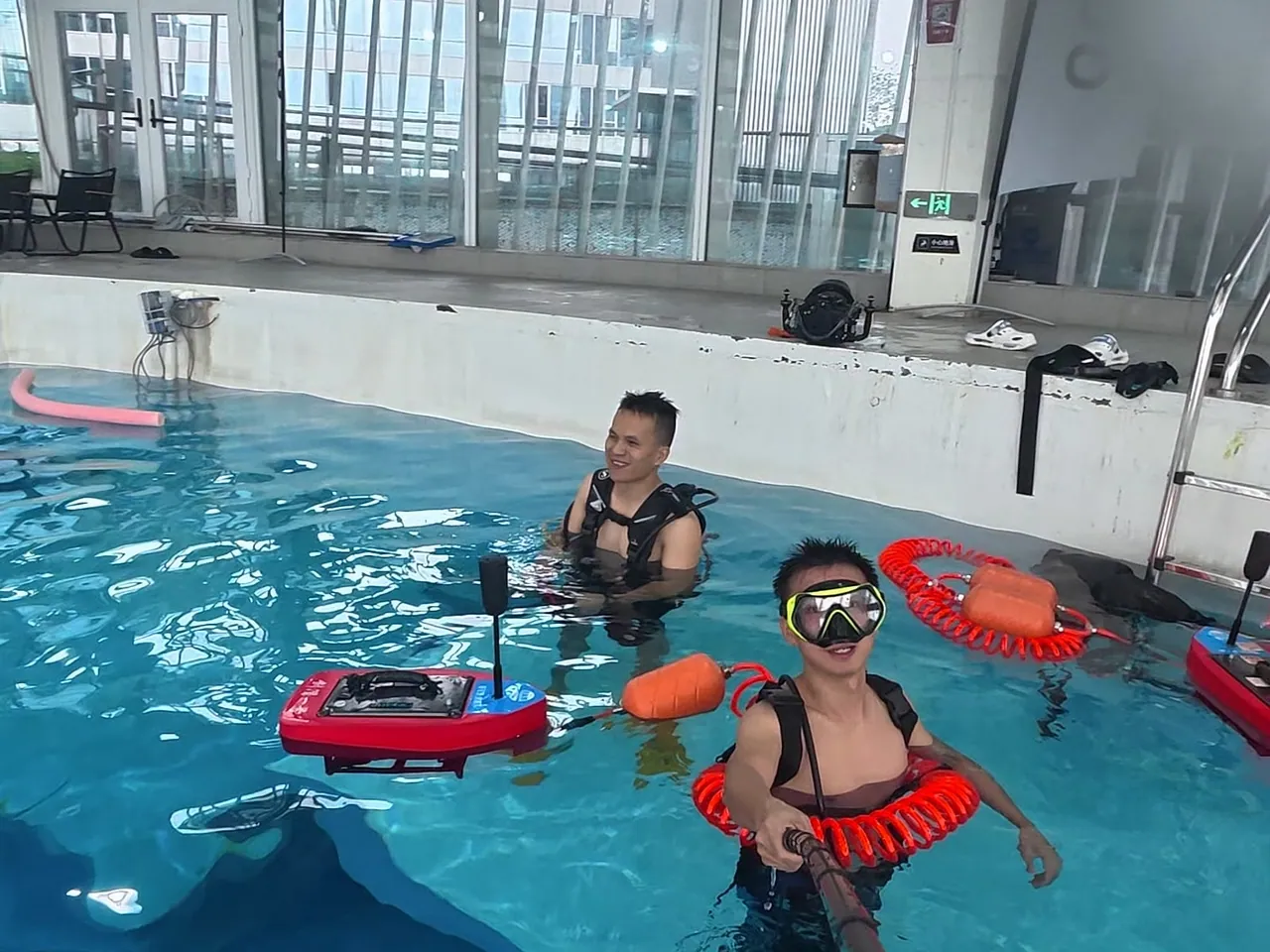
Explore guided, tankless experiences with qualified supervision and equipment that fits.
Compare the two ways to dive at your rates.
| What matters | Traditional scuba | WOLACH tankless S6 · 6 hours |
|---|---|---|
| Air-supply cost | $12 / hour$12 per air fill · ≈ 1 h assumed | Enter charge priceBattery details not published |
| What you carry | Cylinder, BCD and regulator worn by the diver. | The air unit stays at the surface. No primary cylinder on your back. |
| Ready for next time | Arrange a breathing-air refill. | Recharge at home, then check the unit, hose and air inlet. |
| Air supply & runtime | Depends on cylinder size, depth, breathing rate and reserves. | Check the selected configuration’s runtime. Actual runtime varies with load. |
| Freedom & range | Independent of a surface hose; plan within training and equipment limits. | Connected to a surface unit by hose; check routing and the model’s operating limits. |
| Care & ownership | Cylinder inspections and equipment servicing. | Rinsing, hose and air-system checks, plus battery and unit servicing. |
US example · USD · editable estimates
Estimated energy-cost difference over 3 years
Enter a charge price to compare this configuration. Running costs only; see the purchase-price offset below.
Enter a charge price to estimate the purchase-price offset.
The US scenario uses $12 per ordinary compressed-air fill and $0.17/kWh at home. These are rounded, editable examples, not a surveyed national average or a live shop quote. Gas is compressed breathing air, not pure oxygen or nitrox.
Electricity reference: US EIA residential electricity tables. The default is a scenario assumption; the current table was not independently retrieved for this estimate.
An ordinary AL80-size cylinder is the example. The default 60 minutes represents a shallow-water cost assumption, not guaranteed breathing time. Depth, breathing rate, cylinder size and reserves change actual duration. Equipment runtime does not determine a safe dive duration.
The running-cost bars cover air refills and charging. The purchase-price offset adds the selected system's catalogue price, assuming an existing scuba setup. Cylinder rental, inspections, servicing, consumables, replacement batteries, tax and travel are excluded. This is an energy-based purchase-offset illustration, not a guarantee of total savings. Surface-supplied systems and scuba cylinders have different operating limits.
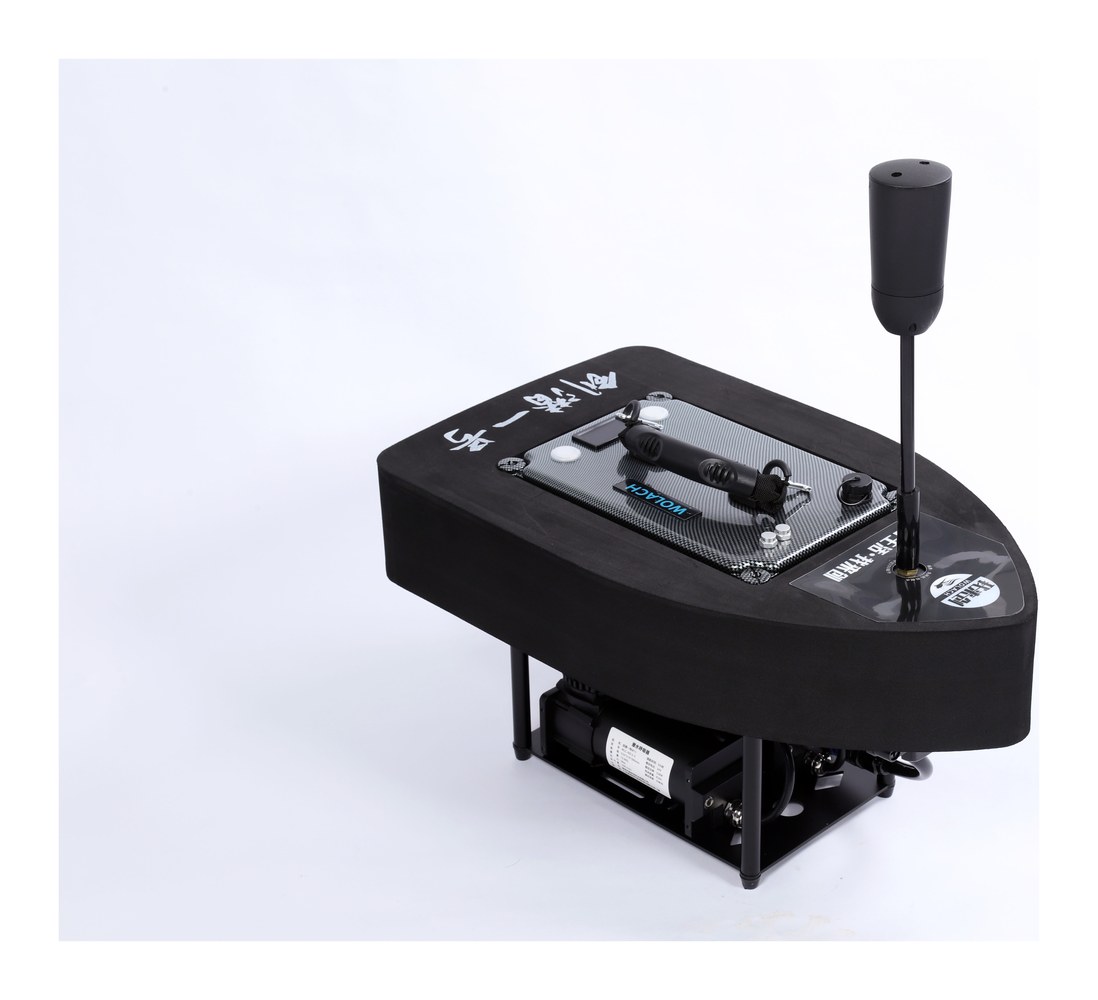 Best seller
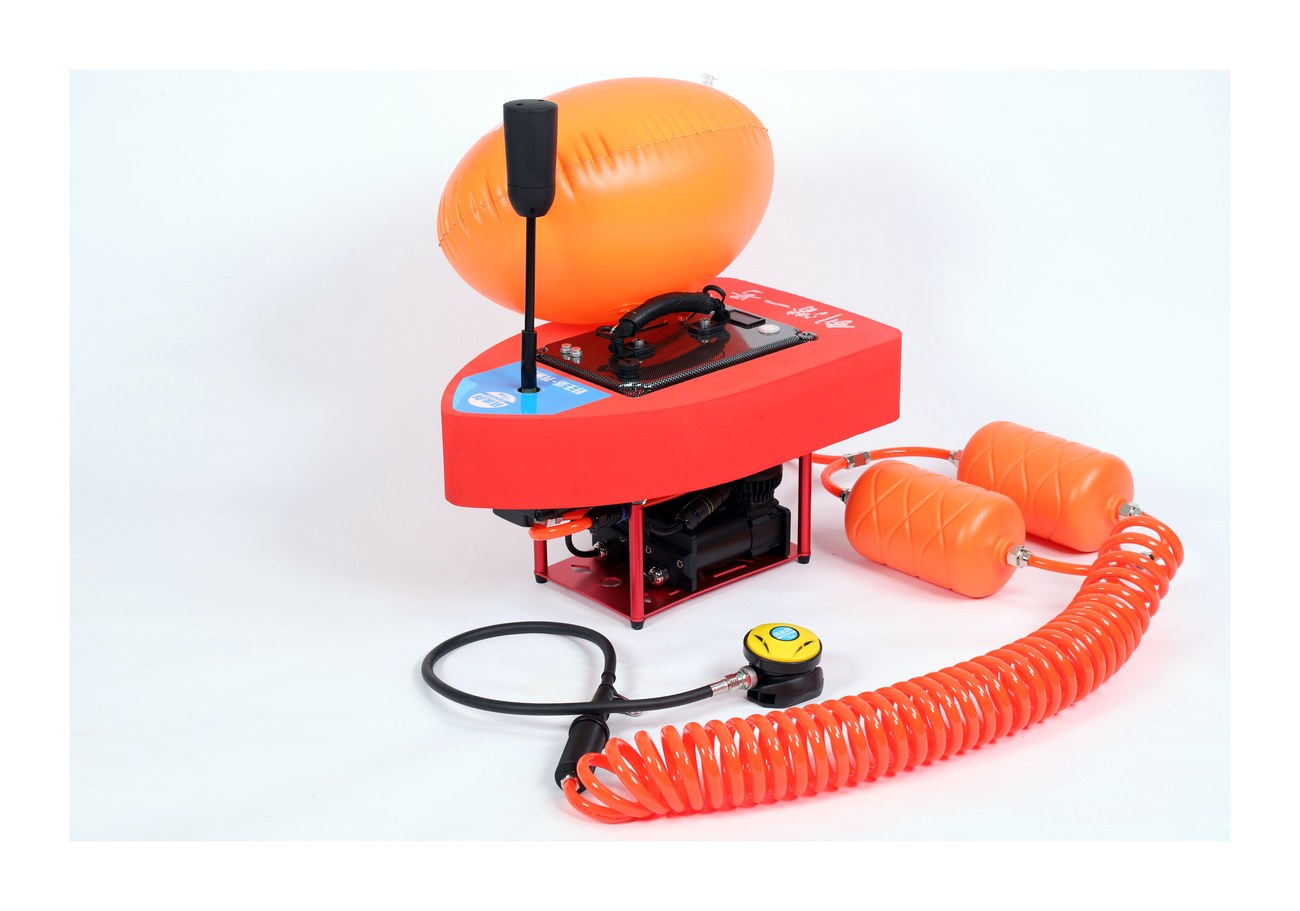 Spearfishing pick
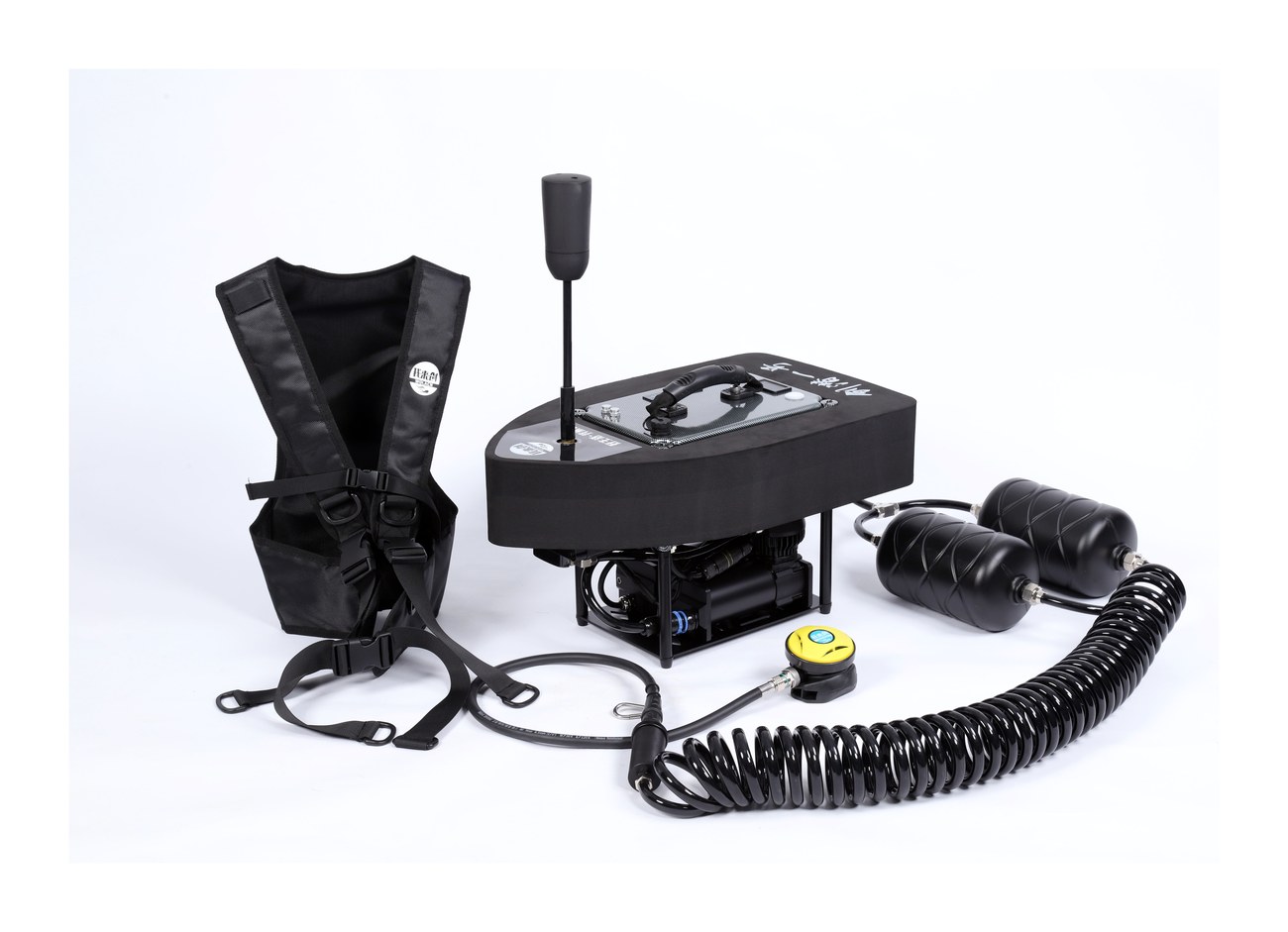 Flagship
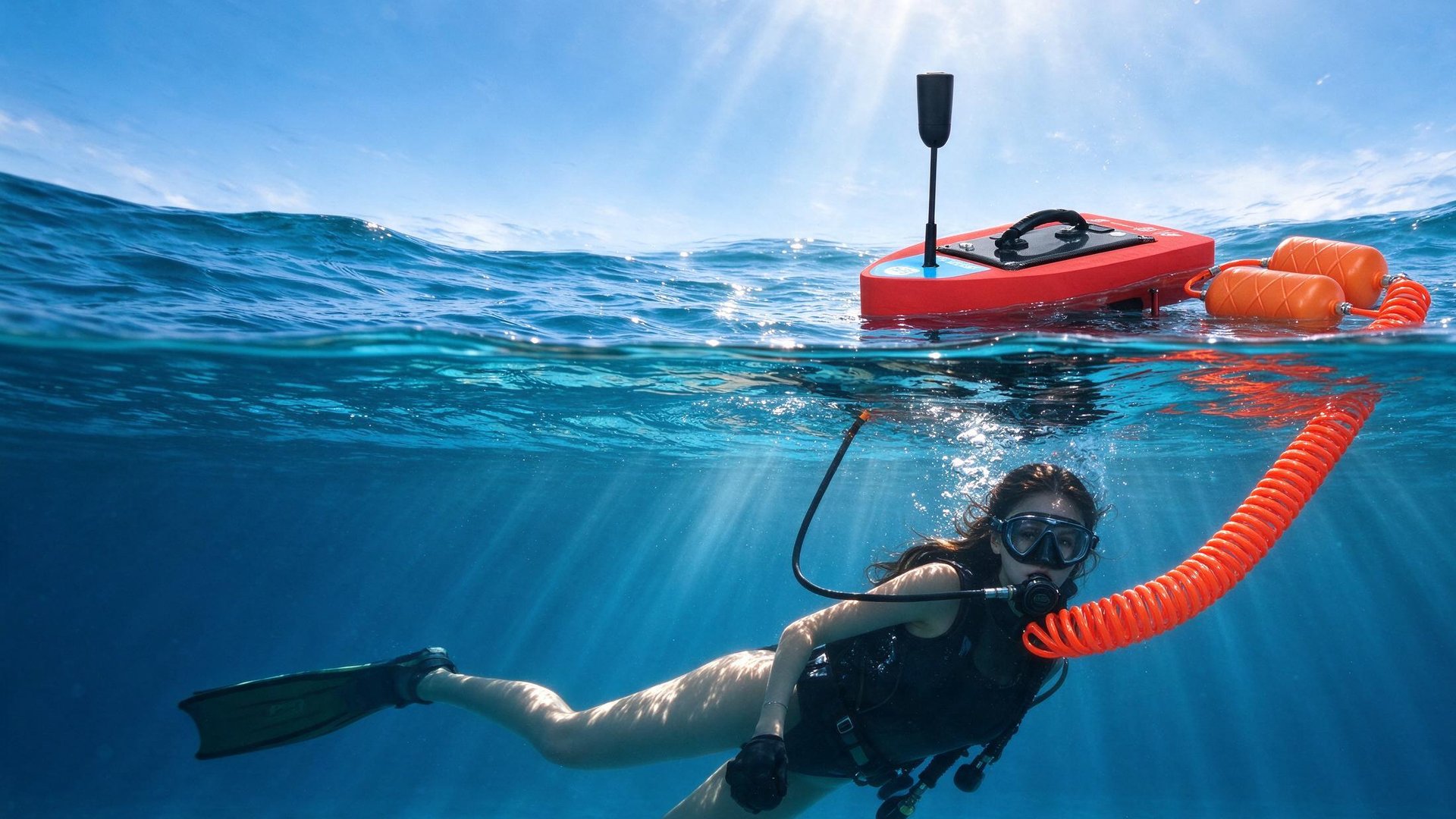
Cost, bottom time, depth, safety and logistics — an honest, side-by-side look at when a surface-supply system beats a tank, and when it doesn’t.
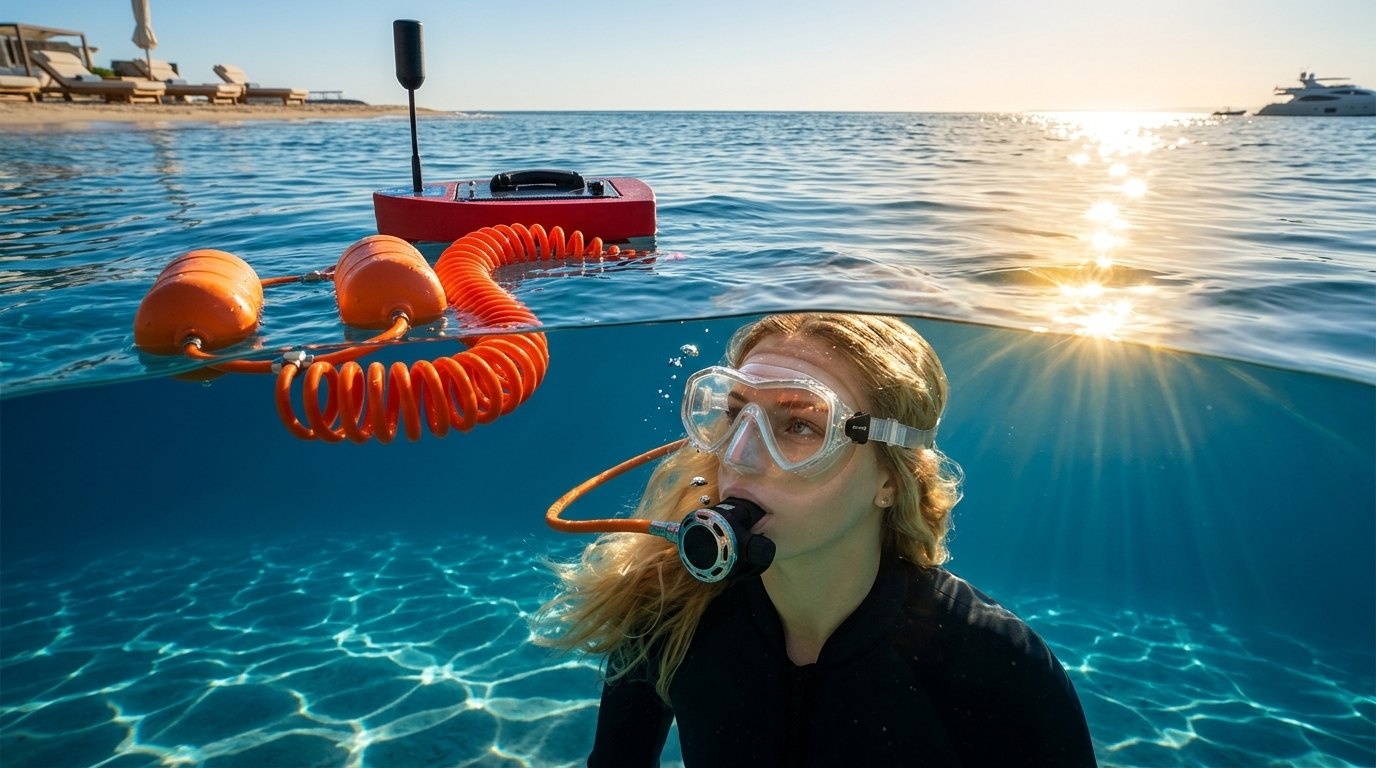
Rated depth vs. tested depth, why hose length is not depth, and the no-decompression limits that still apply.
Match depth, runtime and airflow to how you actually dive. Includes a 60-second picker.