Aquaculture: Net, Mooring and Cage Inspection on a Hose
Fish farms are the most demanding routine use of a surface-supply system. Long shifts, cold water, and more rope per square metre than anywhere else a diver works.
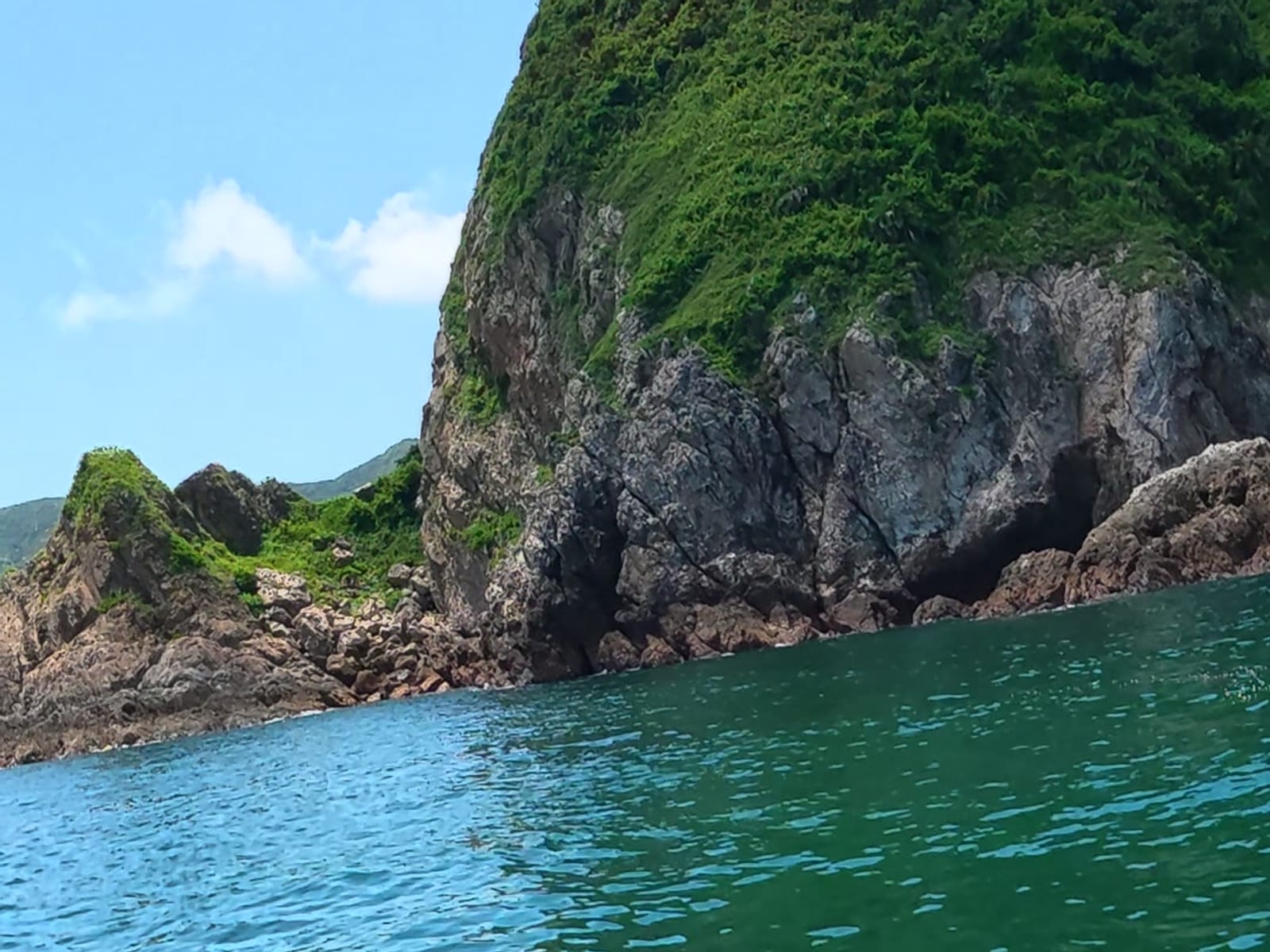
If hull cleaning is the most common paid use of a surface-supply system, aquaculture is the most demanding. A farm inspection is not a single dive with a defined goal; it is a long shift of slow work in cold water, moving along ropes and nets in a structure that has more entanglement potential per square metre than any natural site. It is also the environment where the surface-supply advantage is largest, because the work is shallow, it is repetitive, and it lasts for hours. A farm that runs a diver on scuba is running three entries where a hose would need one.
What the work actually involves
Four recurring jobs. Net inspection — swimming the full perimeter looking for tears, worn twine and biofouling heavy enough to restrict flow. Mooring and anchor inspection, which is where the depth is greatest and conditions are worst. Predator and mortality checks around the cage base, usually the deepest and coldest part of the site. And cleaning — removing fouling from nets and floats, which is the part that most resembles hull work and takes the most hours. All four are done at walking pace, often in poor visibility, always in a structure you cannot simply swim out of.
The rope problem
A fish farm is a lattice. Net panels, mooring ropes, leader lines, buoy lines, and a hose that has to pass through or around all of them. A hose that lies across a net panel and then moves with the tide will find the join, and a hose caught between two ropes under tension is a hydraulic problem rather than a tangle — the rope does the gripping and it does not let go. The discipline that keeps this safe is simple and non-negotiable: never let the hose cross a net or a loaded rope. Route it over, around, or bring it up and re-enter on the other side. It costs time on every shift and it is the reason some operators have never had an incident.
Farm-specific hazards
- Loaded ropes: a hose between two under tension is gripped, not tangled. Never cross one.
- Net panels in current, which move as a single sheet and can close over a diver
- Cold water at the cage base, where dexterity and judgement both go first
- Tidal current through the cage lines, which is amplified by the structure itself
- Vessel traffic around the farm, which is often constant and rarely expecting a float
- Sharp fouling — mussel and barnacle encrustation turns every surface into a blade
Planning a shift, not a dive
The main planning difference from recreational diving is that a farm shift has multiple tasks and a single entry. That means the turn point is not time but task order: do the deepest, coldest work first, while hands and judgement are at their best, and finish with the shallow jobs that tolerate fatigue. Keep the hose route simple and repeatable, take the exit on the flood rather than the ebb where the tide runs, and use the surface unit’s battery as the limit — because unlike gas, it is the one supply that will not warn you twice.
What makes operators choose a hose
Three things, and they are all about the shape of the working day. The depth is shallow, so the machine is never near its rating. The work is long, so bottom time converts directly into money. And the surface unit can sit tied to the same structure being inspected, which means the hose runs along infrastructure rather than across open water. That last point is the reason farm work is more manageable on a hose than it looks from the surface: the route can be planned along things that do not move.
The short version
- Aquaculture is the most demanding routine use: long shifts, shallow water, dense structure.
- A farm is a rope lattice. Never let the hose cross a net or a loaded rope.
- A hose between two loaded ropes is gripped, not tangled. Re-route, do not pull.
- Order the shift by task: deepest and coldest first, shallow and repetitive last.
- Cold at the cage base costs dexterity and judgement first. Plan for shorter than you think.
- Follows from the shape of the day: shallow, long, and the unit tied to the same structure.
FAQ
Do I need a diving certification?
How deep can I go?
What happens if the battery runs low?
Keep reading
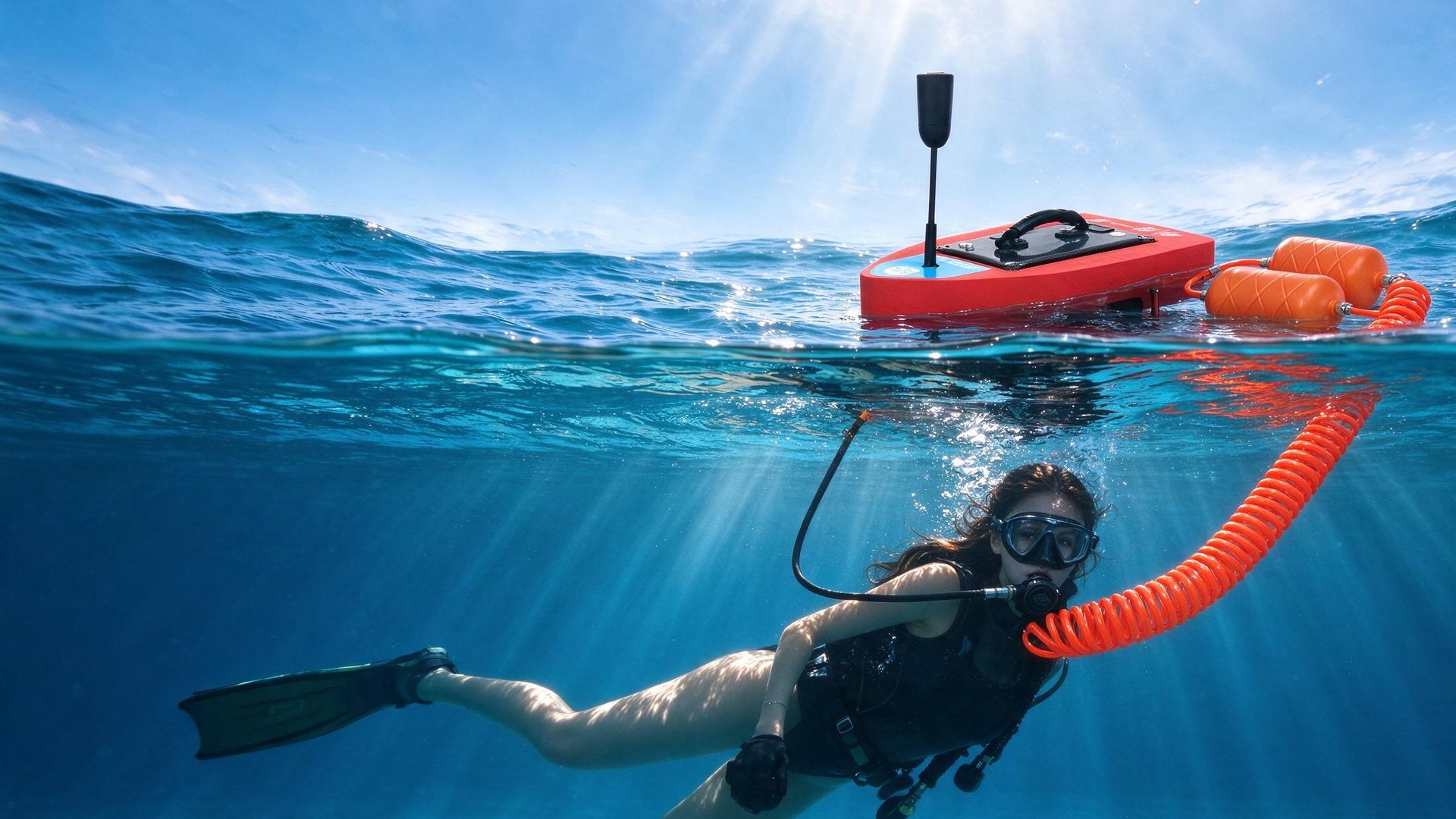
Scuba Tank vs. Tankless Hookah Diving: The Complete 2026 Comparison
Cost, bottom time, depth, safety and logistics — an honest, side-by-side look at when a surface-supply system beats a tank, and when it doesn’t.
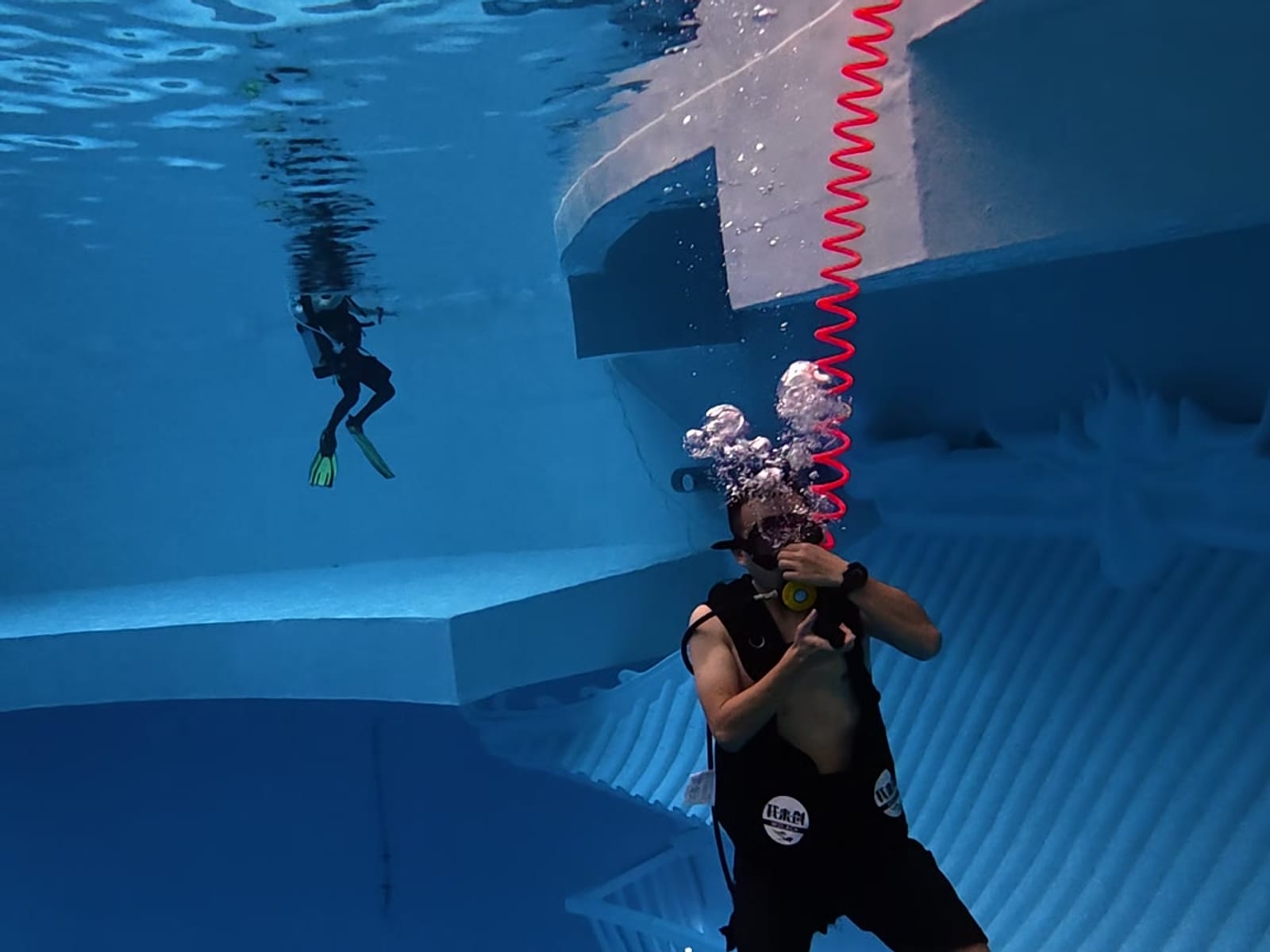
How Deep Can You Go on a Hookah System?
Rated depth is not tested depth, and hose length is not depth at all. The three numbers people confuse, and the no-decompression limits that apply to a hose exactly as they do to a tank.
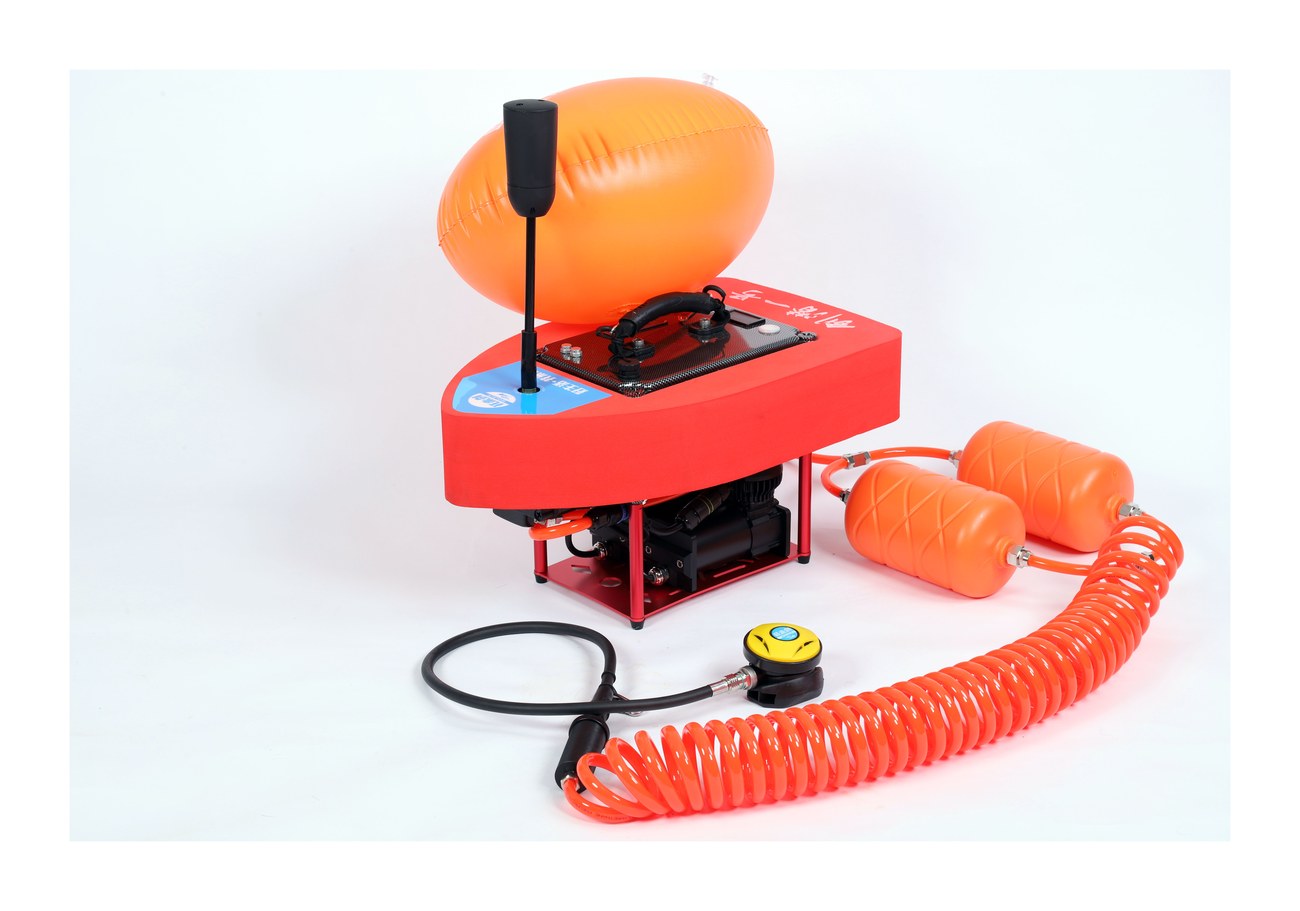
S6 vs S7 vs S9 vs S77: Which WOLACH Is Right for You?
Four machines, one air path, three numbers that decide it. How to pick by the diving you actually do rather than the depth rating you aspire to.