Ascent Rate on a Hose: The Discipline Nothing Enforces
On scuba the gas runs out and forces you up. On a hose nothing makes you surface, and nothing stops you coming up too fast. Why the ascent is the part of a hose dive that needs conscious effort.
On scuba, the dive ends itself. Pressure falls, the gauge becomes interesting, and somewhere in the last quarter of a tank a small voice starts thinking about the surface. That voice is one of the most effective safety devices in diving, and it is entirely absent on a hose. There is no falling number to watch, no reserve to plan around, and a machine that will still be running whenever you decide to come up. What is left is a diver who has to choose when to ascend — and having chosen, has to control how fast, because nothing else will.
Why the last three metres matter most
The greatest pressure change in any dive happens closest to the surface. Going from three metres to the surface halves the absolute pressure; going from thirty metres to twenty-seven changes it by around ten per cent. That is why the final few metres are where an uncontrolled ascent does its damage, and why the standard guidance is to slow down deliberately in the last three metres rather than simply aiming for the surface. On a hose this matters more than on scuba, because there is no cylinder to run out and therefore no natural brake on the last part of the ascent.
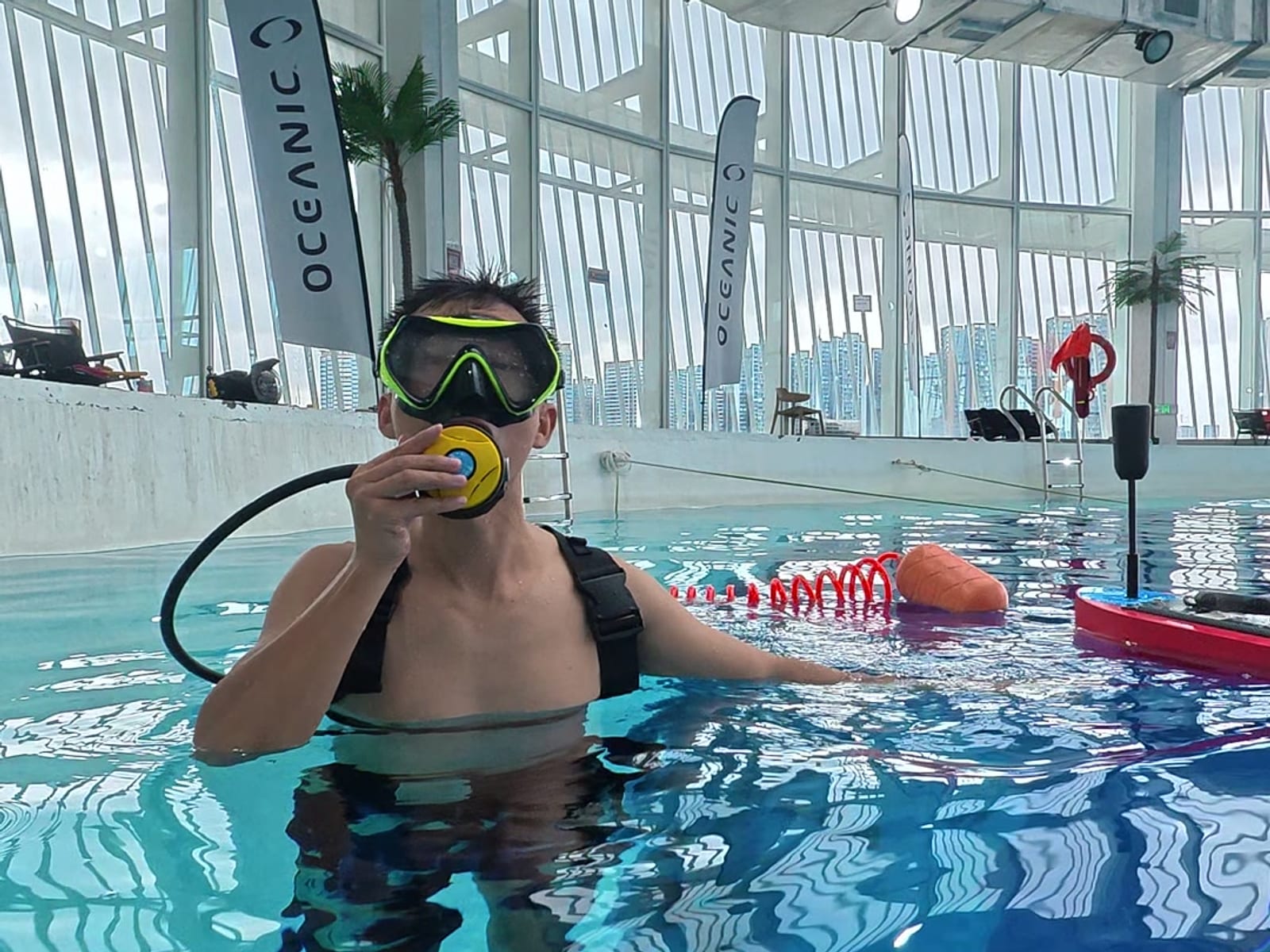
What a controlled ascent looks like
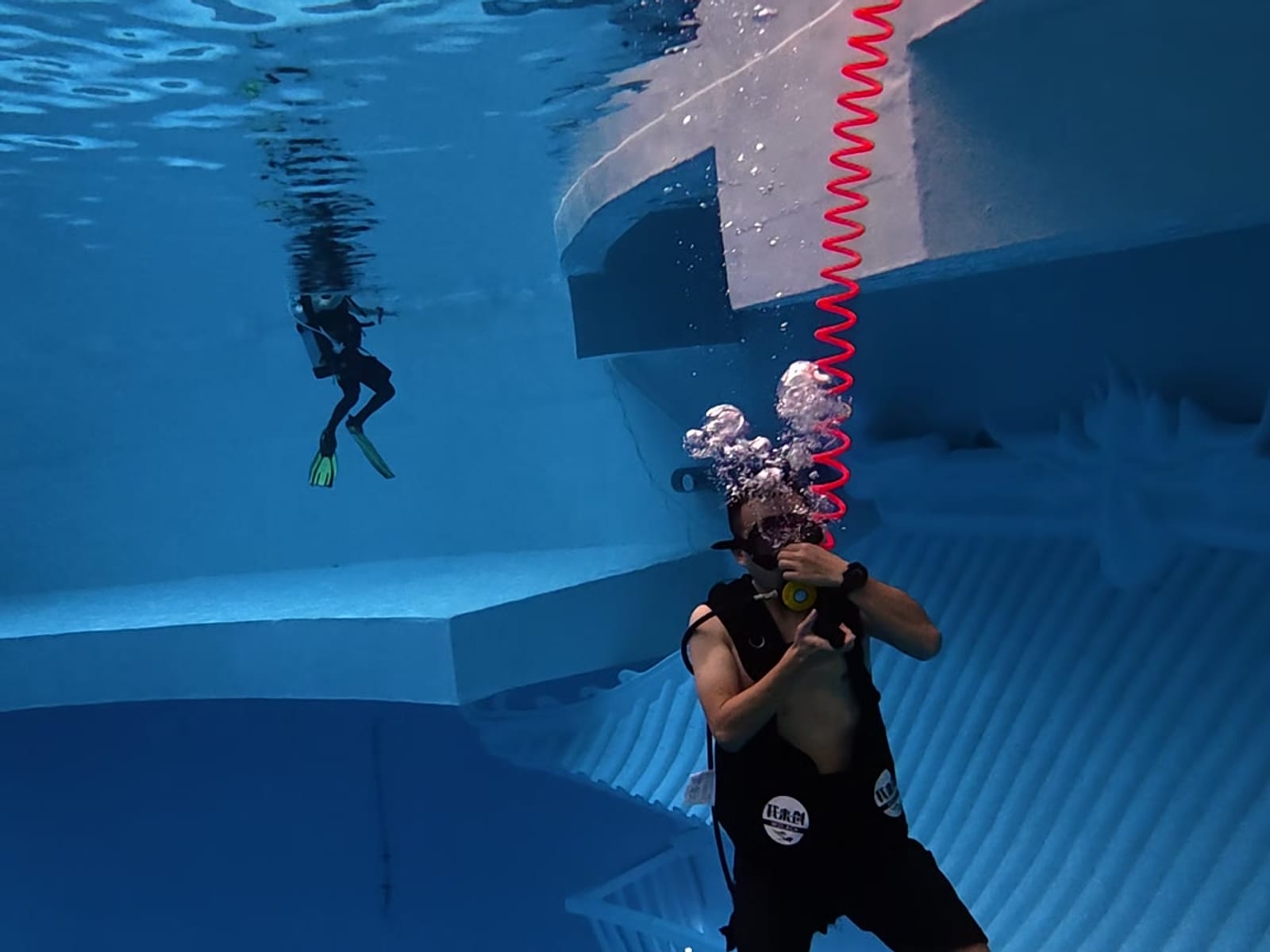
Follow the hose rather than aiming at the surface — it is a physical line to your exit and it slows you down naturally. Exhale continuously rather than holding, which is the same rule as scuba and for the same reason. Watch a depth reading rather than a time: divers who ascend blind consistently arrive faster than they think. And keep one hand on the hose or on your harness so that a sudden change in the surface unit’s position does not turn an ascent into a lift.

The ascent drill worth practising
- Signal your buddy before you leave the bottom, every time
- Ascend along the hose, hand over hand if visibility is poor
- Exhale continuously; never hold
- Watch the depth reading, not the clock
- Pause for thirty seconds at five metres and again at three
- Surface with your head up and the float located before you relax
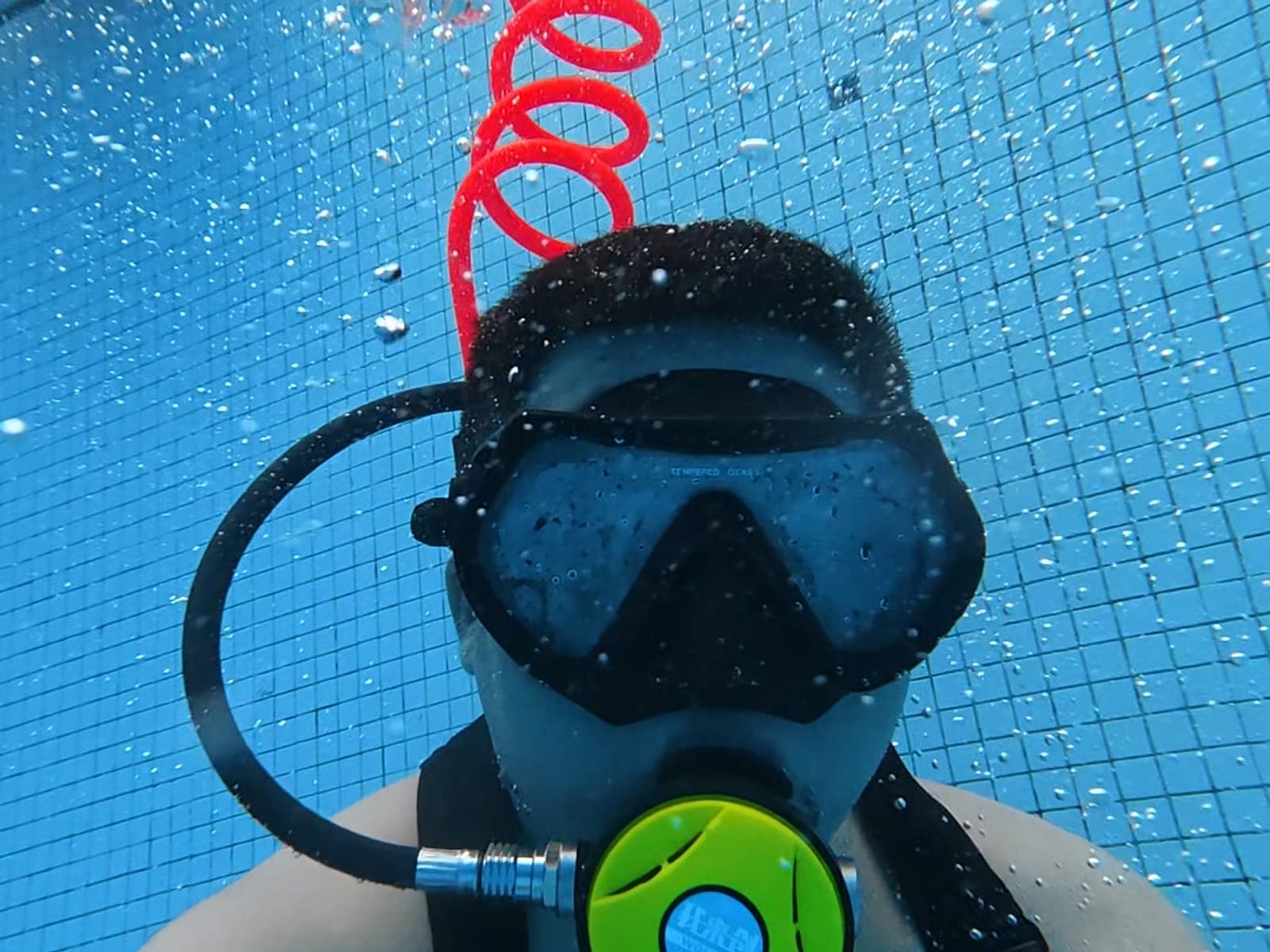
The habit that replaces the gauge
Since nothing in the system will prompt you to think about surfacing, put the prompt somewhere else. The habit that works is a planned turn: agree a time or a depth on the surface, tell your buddy, and treat it the way you would treat a reserve pressure. Divers who plan the turn and stick to it surface with the same unhurried margin that a scuba diver gets for free. Divers who plan nothing end a hose dive for the same reason they start it — because they felt like it — and that is how an ascent becomes fast without anybody deciding it should be.
The short version
- No falling pressure means nothing prompts you to surface. Plan the turn instead.
- The last three metres matter most. Slow down deliberately there.
- Ascend along the hose, exhaling continuously, watching a depth reading.
- Pause at five metres and at three. On a hose there is no reason not to.
- Never ascend blind or by feel; divers who do arrive faster than they think.
- Signal your buddy before leaving the bottom, every single time.
FAQ
Do I need a diving certification?
How deep can I go?
What happens if the battery runs low?
Keep reading
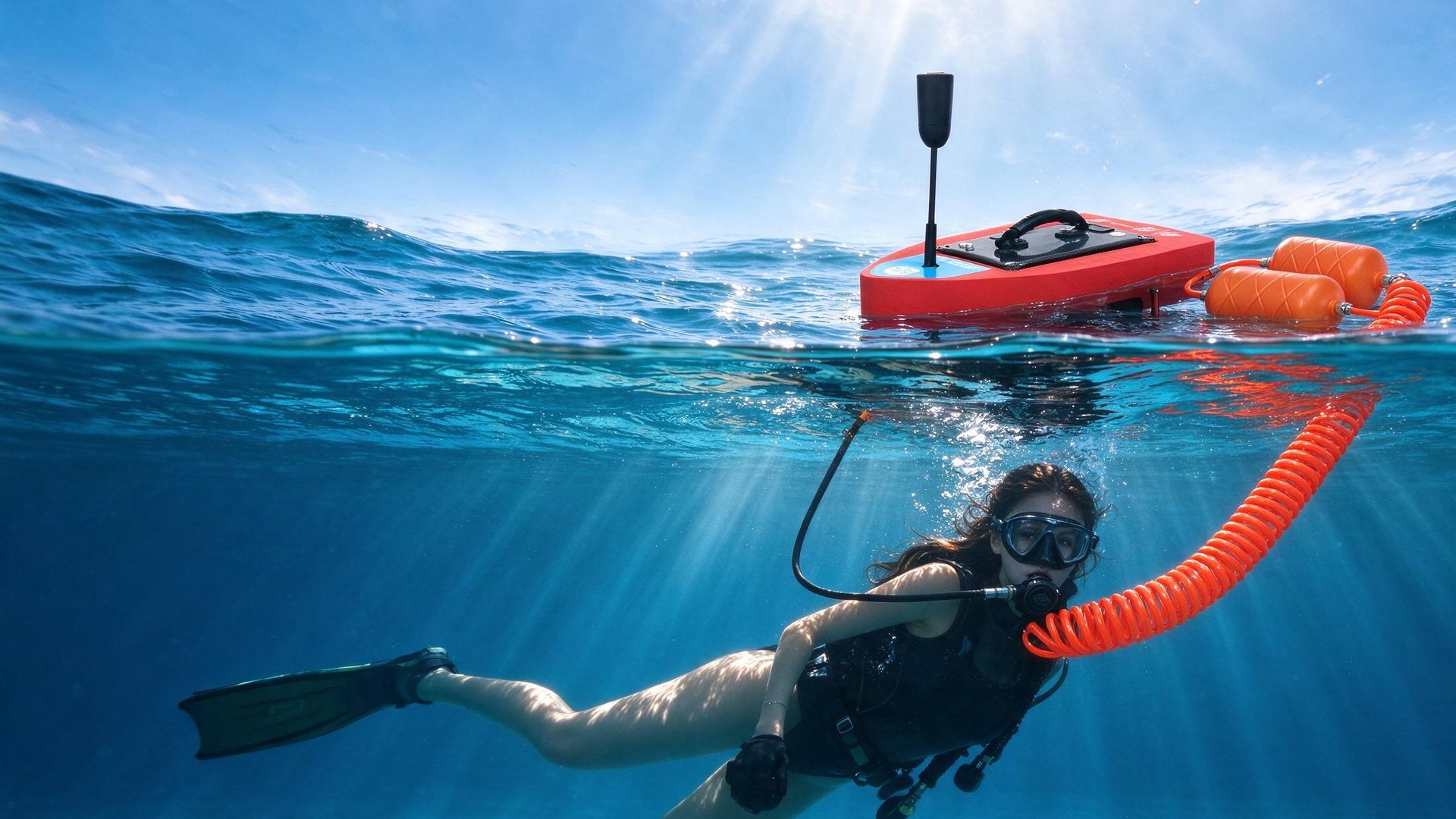
Scuba Tank vs. Tankless Hookah Diving: The Complete 2026 Comparison
Cost, bottom time, depth, safety and logistics — an honest, side-by-side look at when a surface-supply system beats a tank, and when it doesn’t.
How Deep Can You Go on a Hookah System?
Rated depth is not tested depth, and hose length is not depth at all. The three numbers people confuse, and the no-decompression limits that apply to a hose exactly as they do to a tank.
S6 vs S7 vs S9 vs S77: Which WOLACH Is Right for You?
Four machines, one air path, three numbers that decide it. How to pick by the diving you actually do rather than the depth rating you aspire to.