Boat Layup and Seasonal Checks
Two moments a year when a hose pays for itself in a single day: the end-of-season strip-down and the pre-season check that finds problems before the first weekend.

Most of a boat’s problems are cheaper to fix in November than in June. That is the entire commercial case for seasonal underwater work: two points in the year when a diver in the water is worth more than any other time, because the findings change decisions rather than confirming them. A pre-season check finds a failing anode while there is still a lift slot available. An end-of-season check catches the damage from a summer of groundings and fishing line while the boat is still on a mooring, rather than discovering it in the first week of the next season at the worst possible moment.
The pre-season check
This one happens while the boat is still afloat in most places and while the lift yard is still quiet. The list is about consumables and connections. Anodes, which should be replaced if they are past half consumed, because the season is exactly when they will finish. Through-hulls and seacocks, exercised by hand while you are there, since a seized seacock found in May is a haul-out. Props for the ding in the last berthing. Shaft and skeg for line. And the hull below the waterline for any blister or delamination that has opened since the last antifoul. A written report with photographs converts a single dive into a work list the owner can actually schedule.
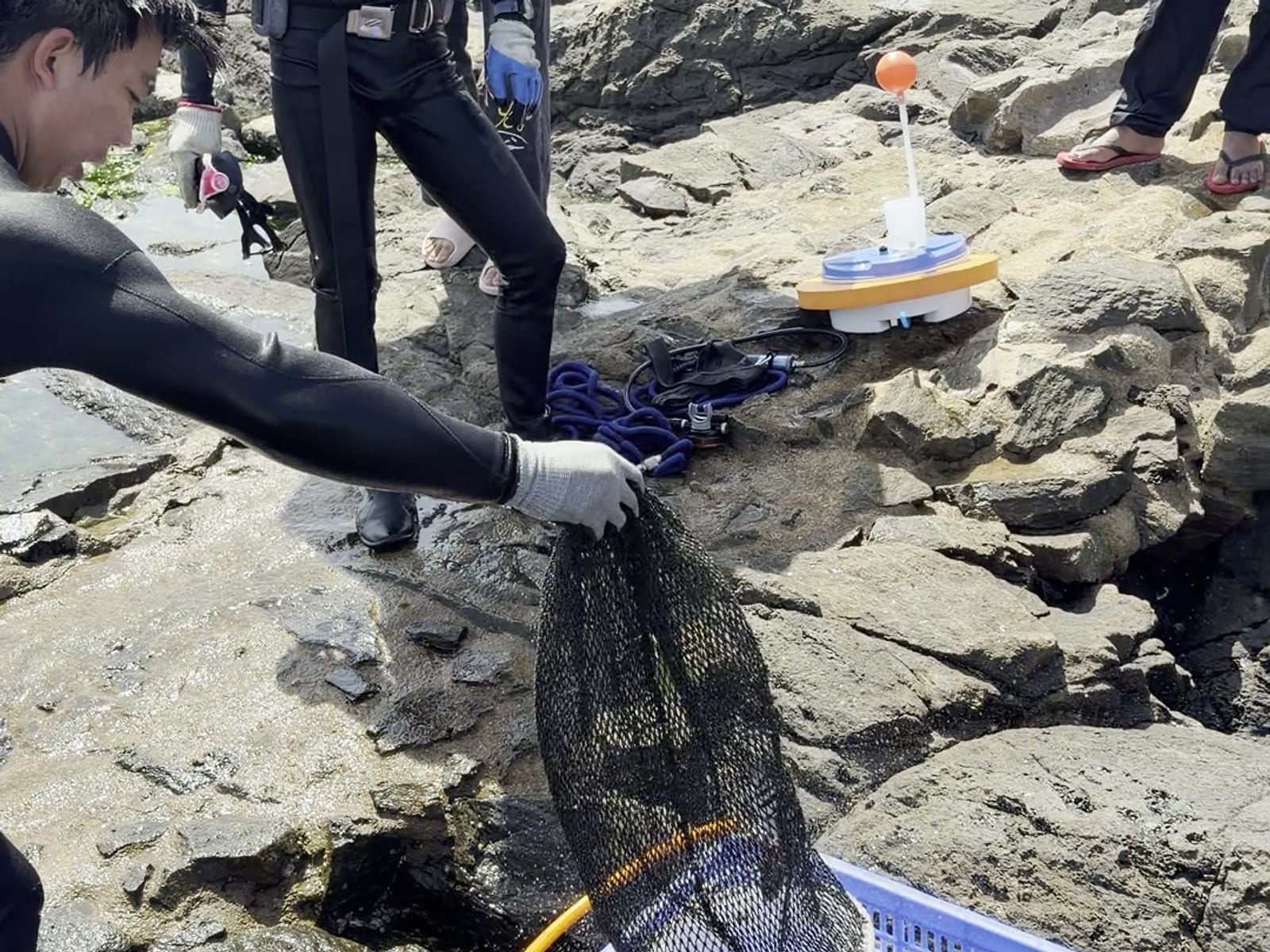
The end-of-season check
Different list, different purpose. Here the goal is to document damage while the cause is still recent: impact marks on the keel and skeg, gouges that might be a grounding rather than a bump, line wrapped on a shaft, and the state of the antifoul so the owner knows whether next season needs a full coat or a touch-up. It also catches the thing that ruins winters — water where it should not be, around through-hulls and shaft seals — which is far easier to diagnose in November than in a panic in April.
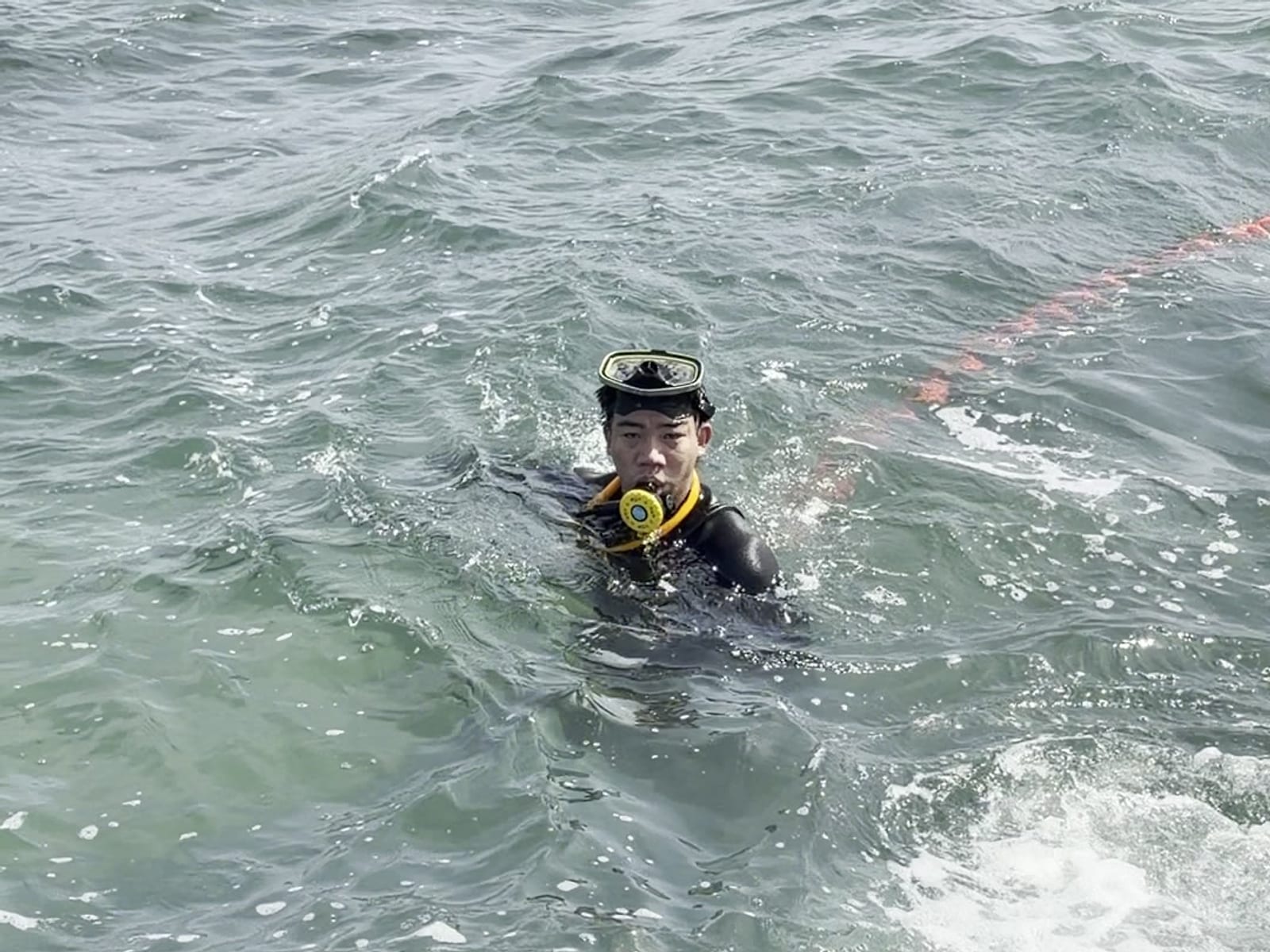
The layup list
- Anodes: percentage consumed, and whether the bonding is doing its job
- Through-hulls and seacocks: exercised, not just looked at
- Shaft, seal and prop: line, dings, cracks at the root
- Keel, skeg and rudder: impact marks, and whether any suggest grounding
- Antifoul: coverage, slime versus hard fouling, and any bare patches
- Waterline and topsides below the rub rail, where gelcoat damage hides
- Photograph everything, with a scale reference
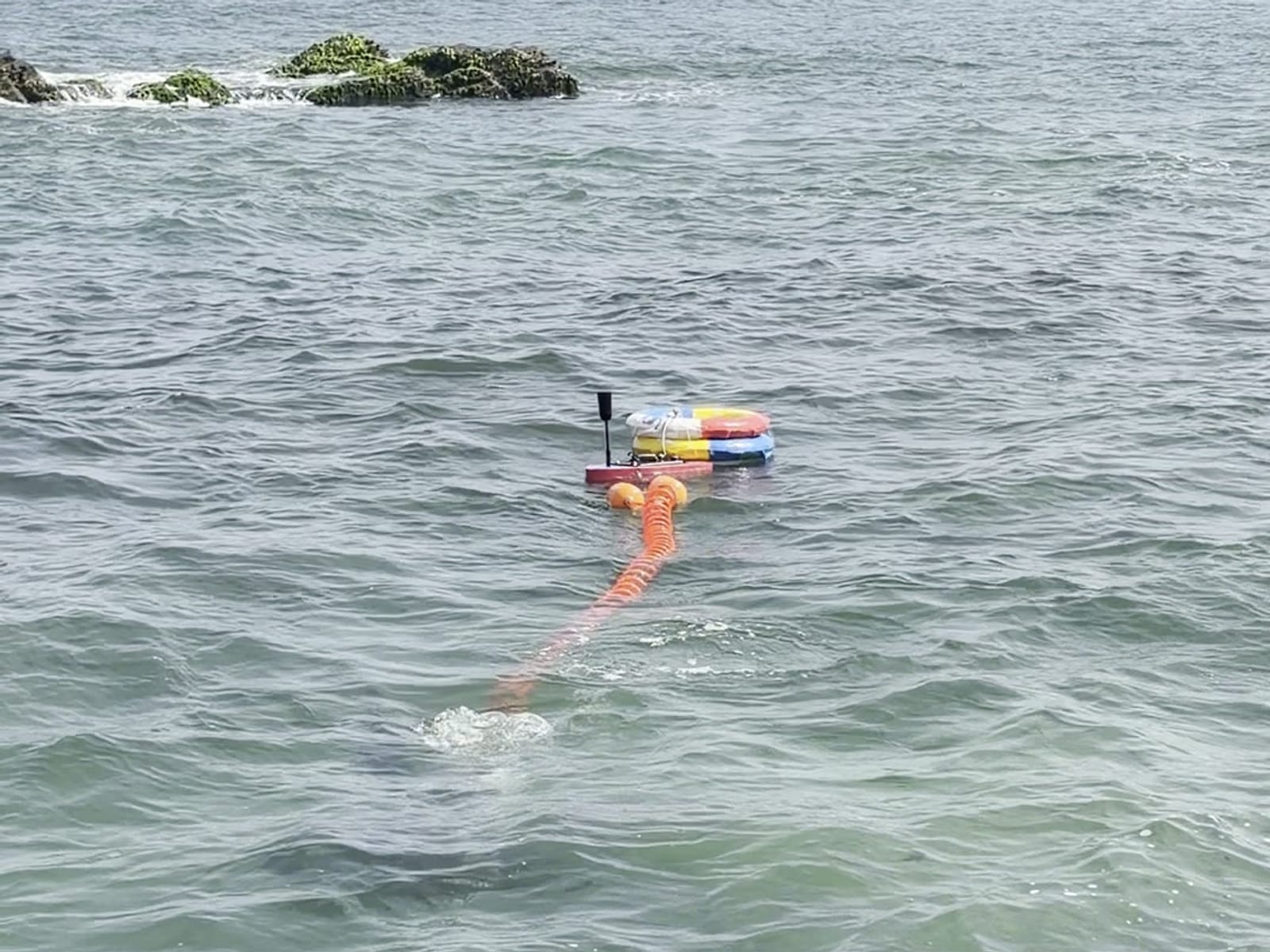
Scheduling around the season, not the tide
The usual tidal planning still applies — work at slack, take the lee side of a pontoon, and know the range — but the seasonal window adds a second constraint that matters more commercially. The pre-season window is short and busy: the yard, the lift and every other contractor are all working the same fortnight, and a boat that misses its slot slips by a month. Booking the underwater check two weeks before the yard slot rather than during it means findings can actually be acted on. The same applies at layup: doing the check the week after the boat comes out of the water is worth more than doing it in the week it goes back in.
Why owners value this more than other dives
Because it produces a list rather than an opinion. Most boat owners are used to being told that something "looks okay" by people with no incentive to be precise. A diver who surfaces with eight photographs, three measurements and a two-line priority list has done something structurally different from a boatyard glance. It also converts beautifully into next season’s work, because the list from November is the schedule for March. Owners who experience that once tend to book both windows every year without being asked.
The short version
- Two windows a year where a hose pays for itself in a day: layup and pre-season.
- Pre-season is about consumables and connections: anodes, through-hulls, line, blisters.
- Layup is about documenting damage while the cause is recent.
- Exercise seacocks rather than looking at them. A seized one found in May is a haul-out.
- Book the check before the yard slot, not during it, so findings can be acted on.
- Deliver photographs, measurements and a priority list. That is what gets you rebooked.
FAQ
Do I need a diving certification?
How deep can I go?
What happens if the battery runs low?
Keep reading
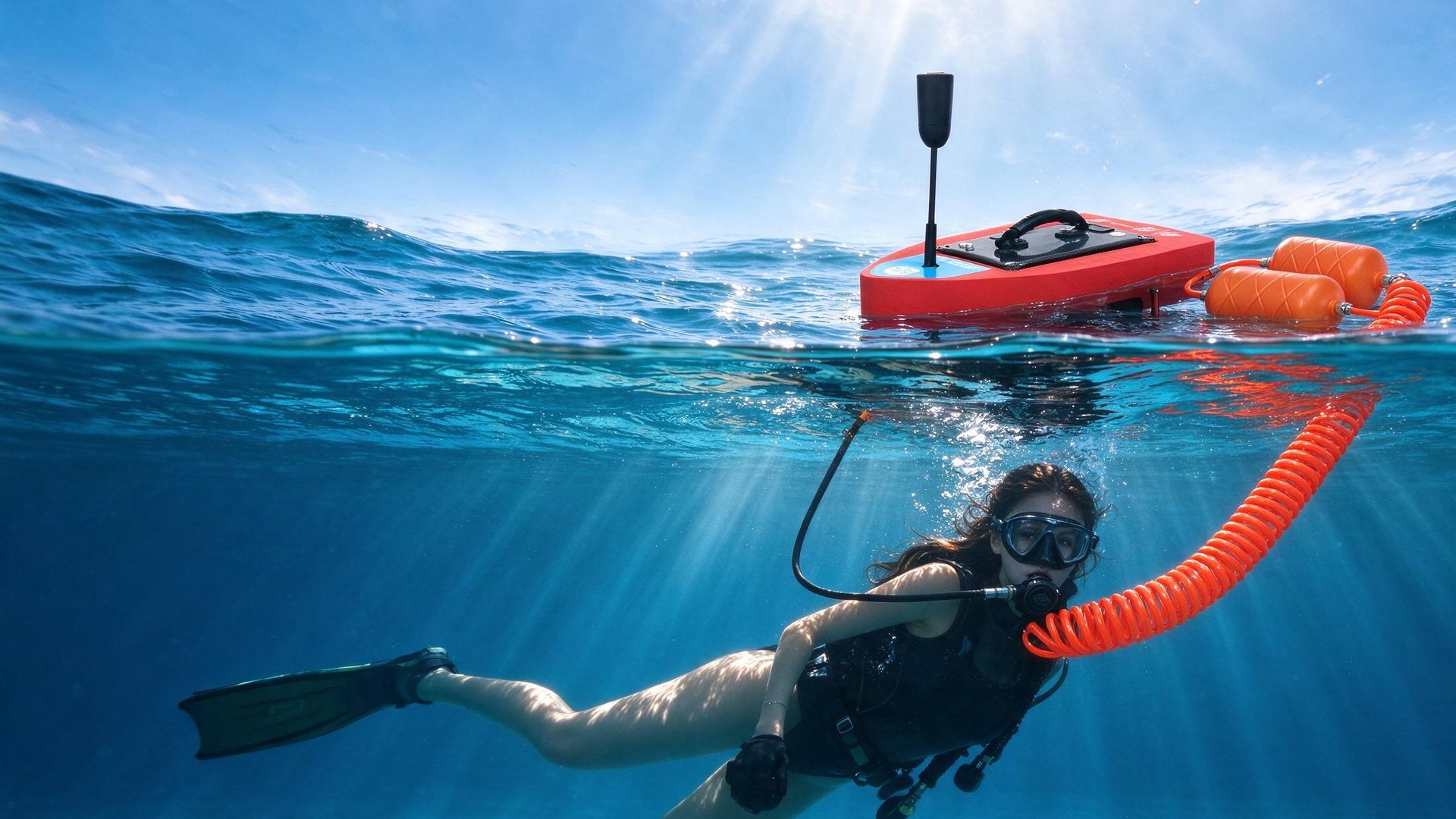
Scuba Tank vs. Tankless Hookah Diving: The Complete 2026 Comparison
Cost, bottom time, depth, safety and logistics — an honest, side-by-side look at when a surface-supply system beats a tank, and when it doesn’t.

How Deep Can You Go on a Hookah System?
Rated depth is not tested depth, and hose length is not depth at all. The three numbers people confuse, and the no-decompression limits that apply to a hose exactly as they do to a tank.
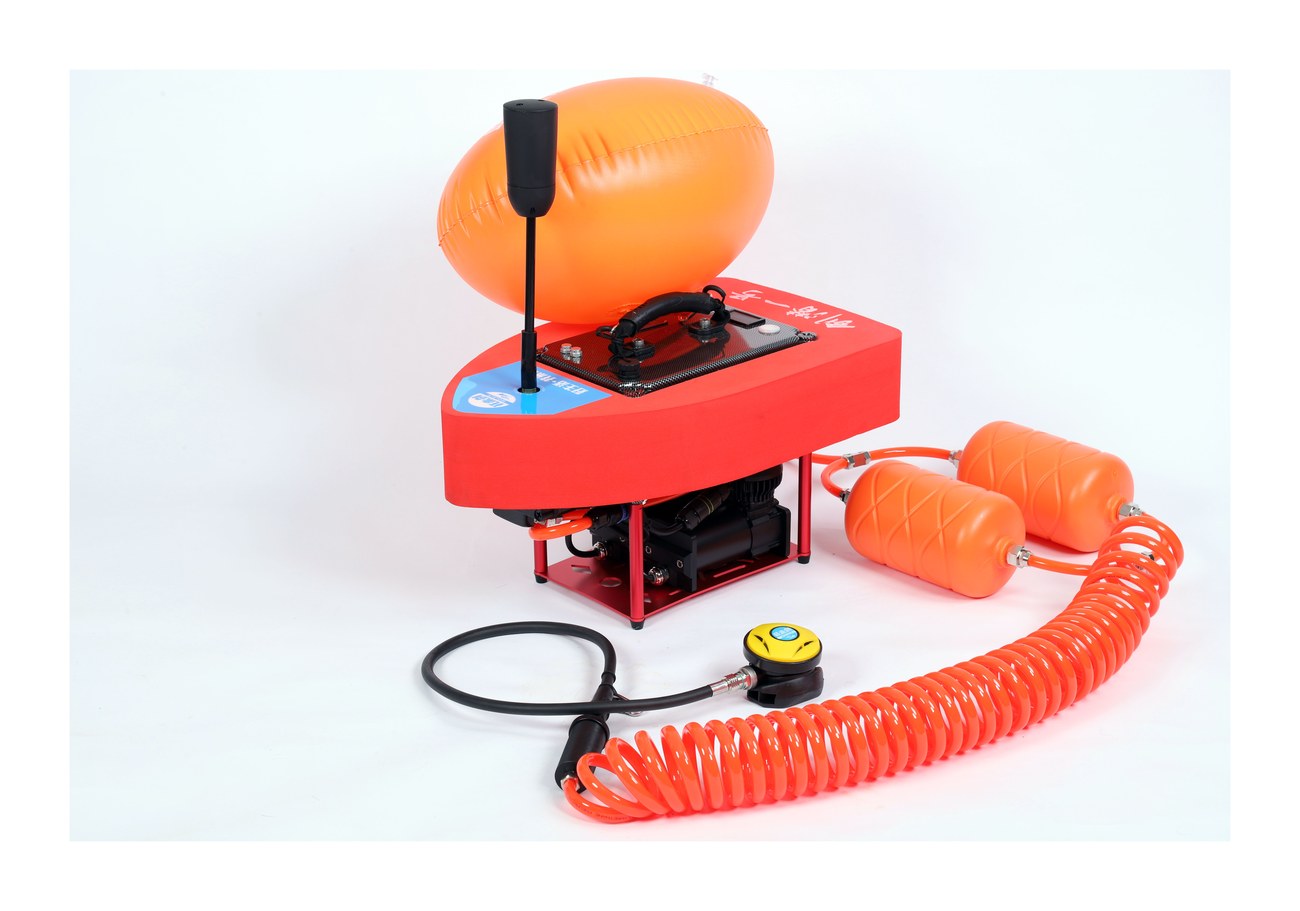
S6 vs S7 vs S9 vs S77: Which WOLACH Is Right for You?
Four machines, one air path, three numbers that decide it. How to pick by the diving you actually do rather than the depth rating you aspire to.