Cold Water and the Layer: Diving Below the Thermocline
Crossing a thermocline changes temperature and visibility within a metre, and the cold side is where things go wrong quietly. How to plan a hose dive around a layer rather than through it.
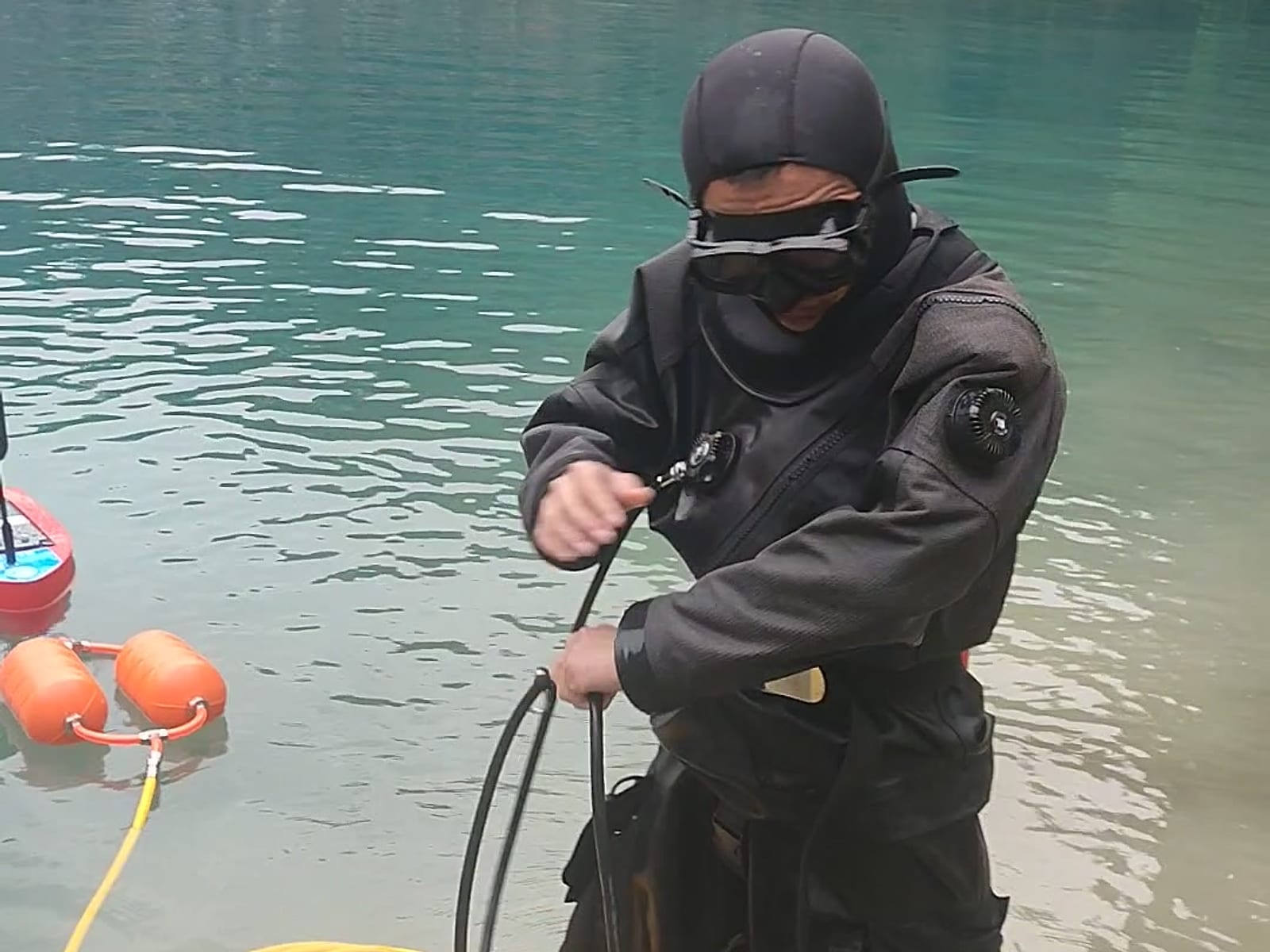
Inland water behaves differently from the sea in a way that has nothing to do with depth and everything to do with layers. Sun warms the top few metres; the water below stays cold and dense; and the boundary between the two is often sharp enough to cross in a single fin stroke. For a scuba diver this is a curiosity. For a hose diver it is a planning problem, because crossing the layer changes three things at once — temperature, visibility and air demand — and the hose you are relying on is on the wrong side of it.
What actually changes at the boundary
Three things, within about a metre. Temperature drops, often by several degrees and occasionally by ten, which matters because cold accelerates everything: gas consumption rises, hands lose fine control, and judgement gets quieter and worse in a way that is very hard to notice from the inside. Visibility falls, because the cold layer holds fine silt that the warm layer lets settle — frequently from metres to a single metre. And your hose disappears into grey at exactly the depth where you can no longer see the surface, which is the point at which a hose becomes something you have to manage rather than something you simply have.
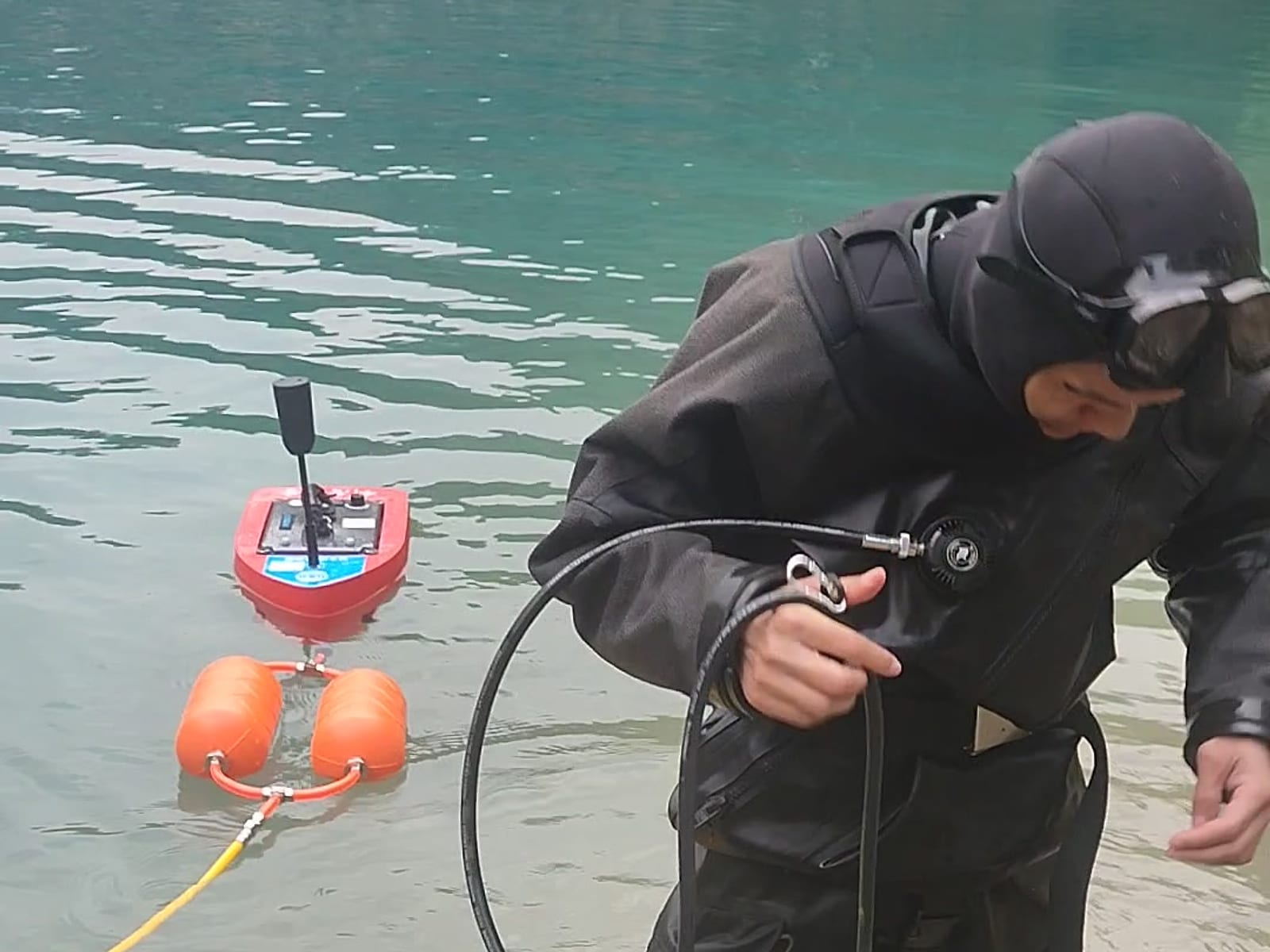
Plan around the layer, not through it
For most dives the answer is to work in the warm layer and treat the thermocline as an edge. Plan depth so the layer sits between you and the surface rather than below you, or so you work just above it, where visibility is still good and the hose stays visible. Crossing it deliberately is fine with a reason — a survey that needs the bottom, a recovery, a check on something specific — but crossing it accidentally is how a pleasant dive becomes a cold, blind one with a management problem attached.
Cold-water adjustments worth making
- Cut the planned duration by a third; cold dives feel shorter and end sooner than planned
- Keep the hose route simple and short, because visibility may halve when you cross the layer
- Wear more neoprene than the air temperature suggests, not less
- Check hands early: clumsiness is the first symptom, before the shivering
- Carry the second stage so a switch to the spare-air bottle is possible with numb hands
- Agree a shorter turn point than you would in warm water

The quiet failure
Cold does not produce emergencies. It produces delays. A diver whose hands have stopped working well takes longer to do everything, notices less, and makes quietly worse decisions — and none of that looks like an emergency from the surface or from inside the diver’s own head. The most useful cold-water habit is therefore a rule rather than a technique: leave earlier than feels necessary. Every experienced inland diver has the same story, and it always ends with the words "and then I realised how cold I was".
The short version
- A thermocline is sharp. You cross it in a fin stroke, and three things change at once.
- Temperature drops, visibility falls, and your air demand rises. All at the same moment.
- Plan around the layer. Cross it deliberately with a reason, never accidentally.
- Cut planned duration by about a third in cold water and shorten the hose route.
- Dexterity goes before judgement. Test your hands early, not at the end.
- The hazard is not the cold, it is the delay the cold creates. Leave earlier than feels necessary.
FAQ
Do I need a diving certification?
How deep can I go?
What happens if the battery runs low?
Keep reading
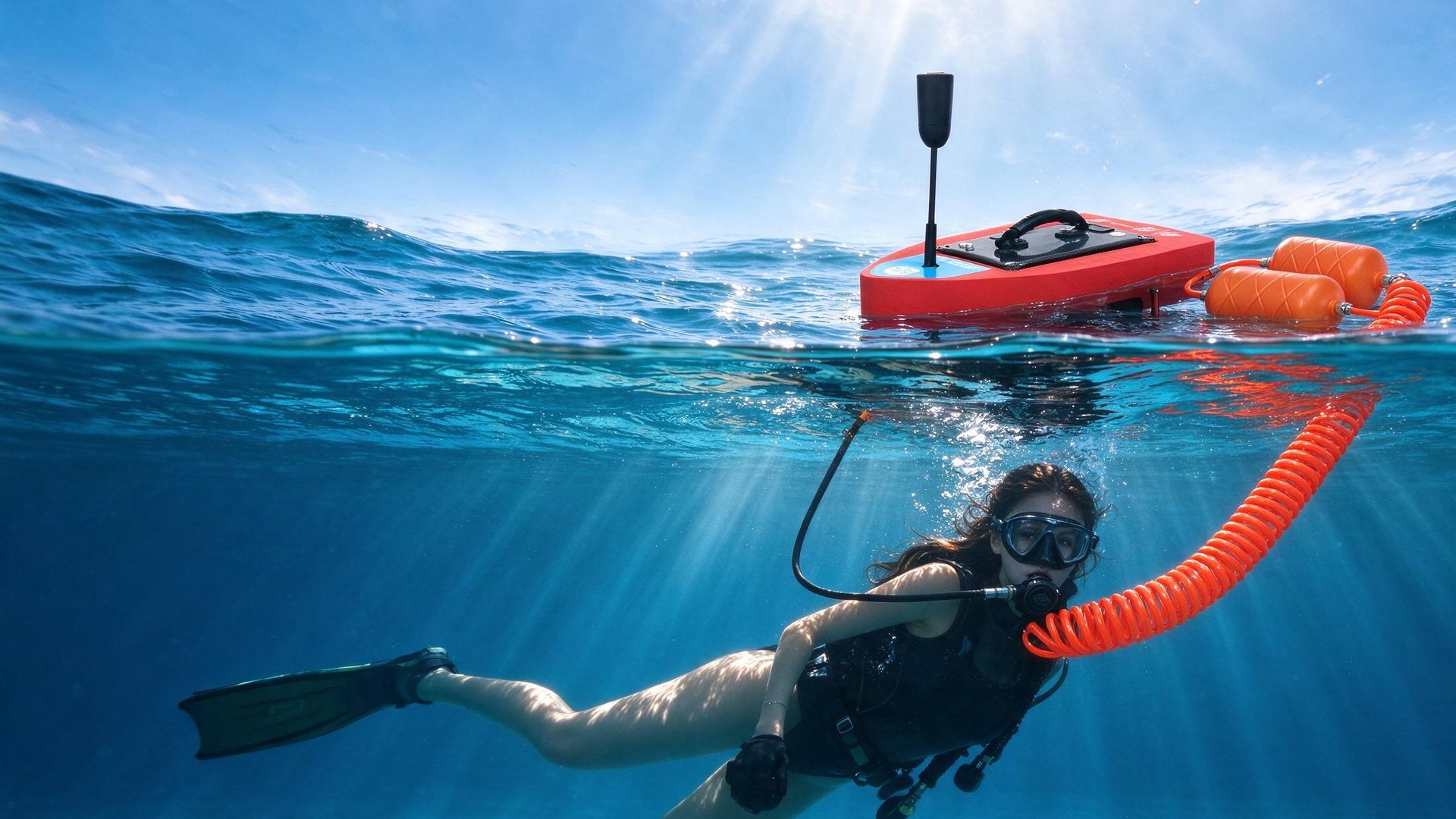
Scuba Tank vs. Tankless Hookah Diving: The Complete 2026 Comparison
Cost, bottom time, depth, safety and logistics — an honest, side-by-side look at when a surface-supply system beats a tank, and when it doesn’t.
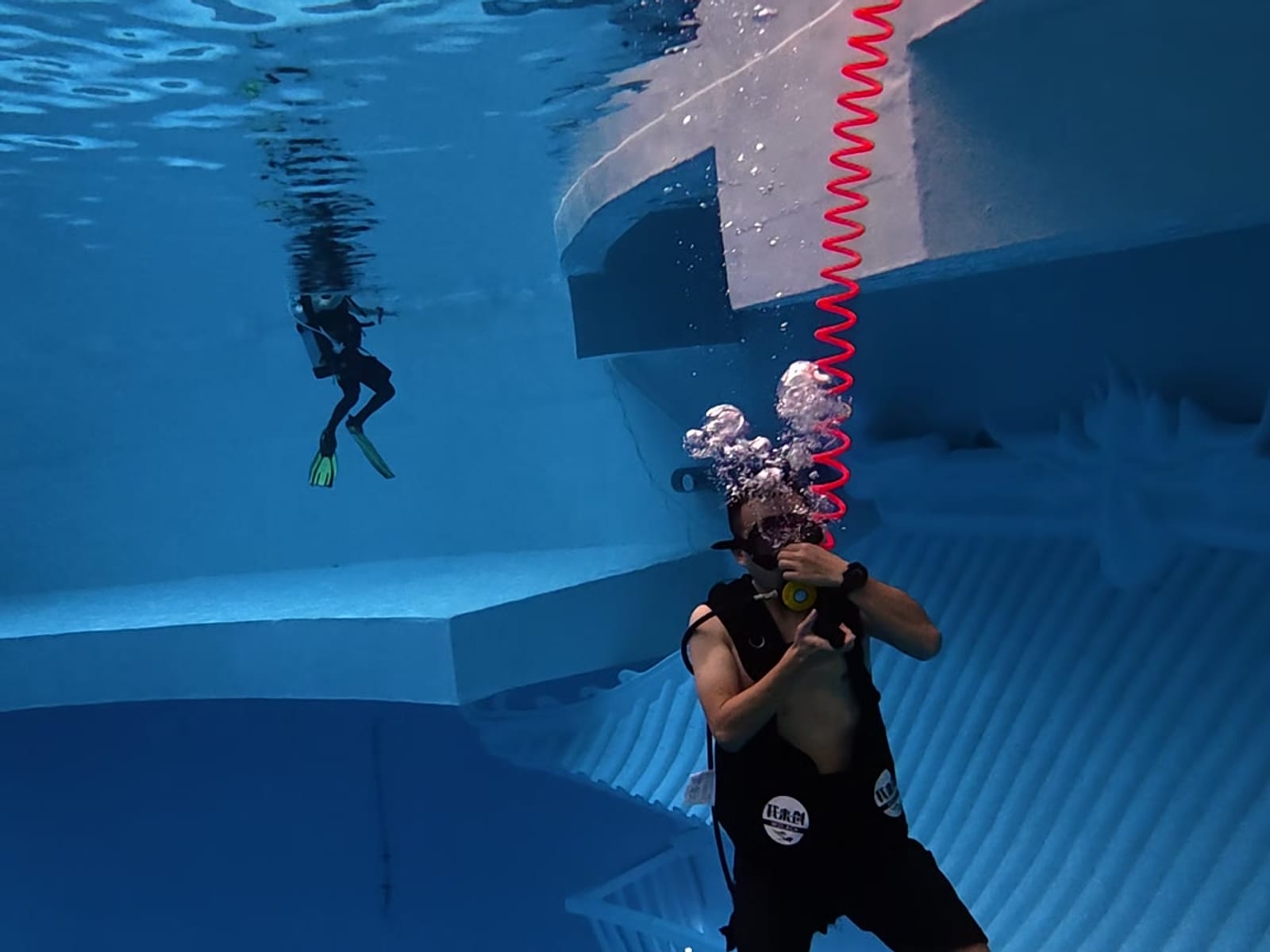
How Deep Can You Go on a Hookah System?
Rated depth is not tested depth, and hose length is not depth at all. The three numbers people confuse, and the no-decompression limits that apply to a hose exactly as they do to a tank.
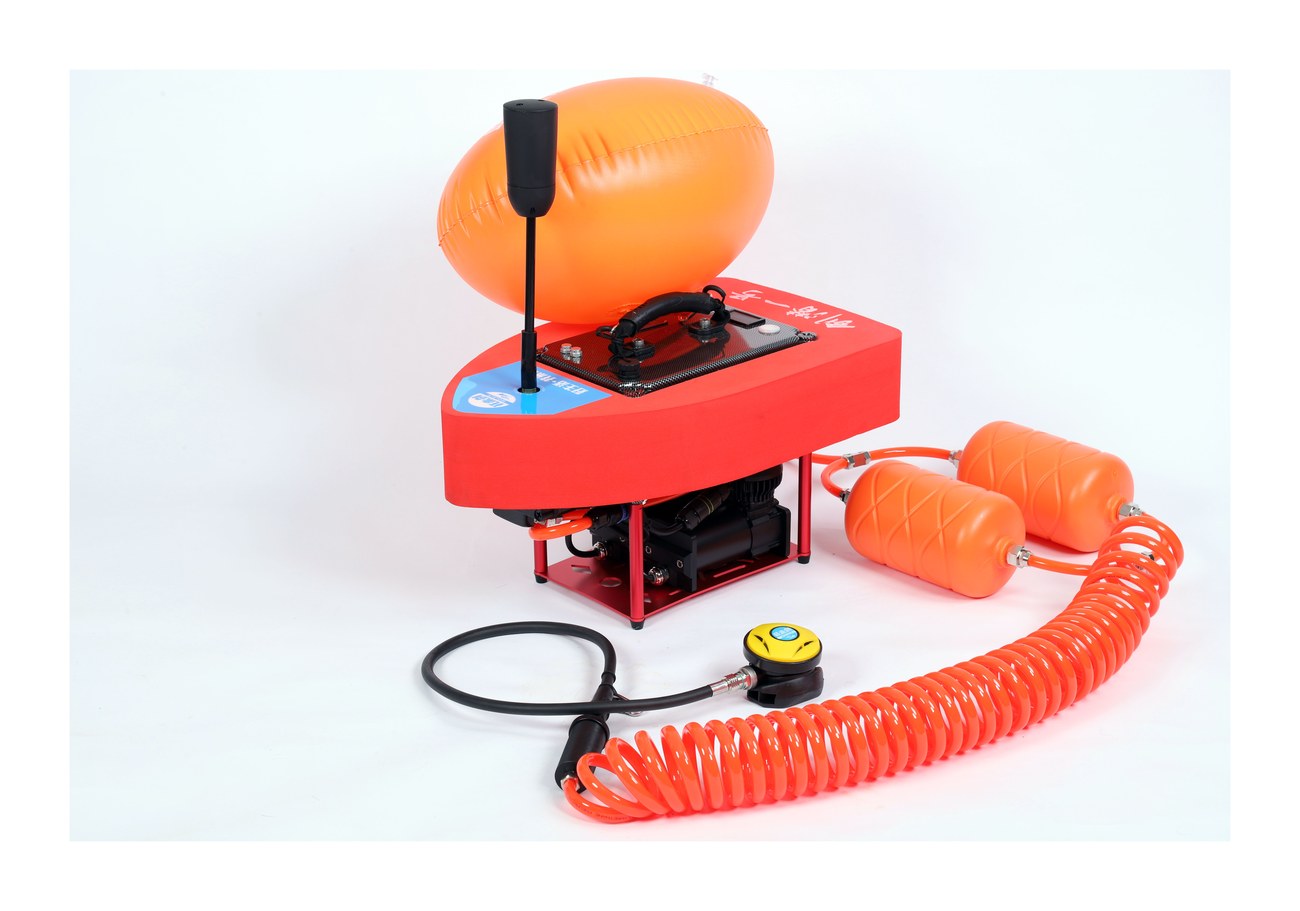
S6 vs S7 vs S9 vs S77: Which WOLACH Is Right for You?
Four machines, one air path, three numbers that decide it. How to pick by the diving you actually do rather than the depth rating you aspire to.