Diving a Quarry: What Changes Under Fresh Water
No swell, no tide, no current, and a flat shelf to walk off. A quarry is the most forgiving place in the world to run a hose — and the water surprises experienced sea divers for reasons nobody mentions.
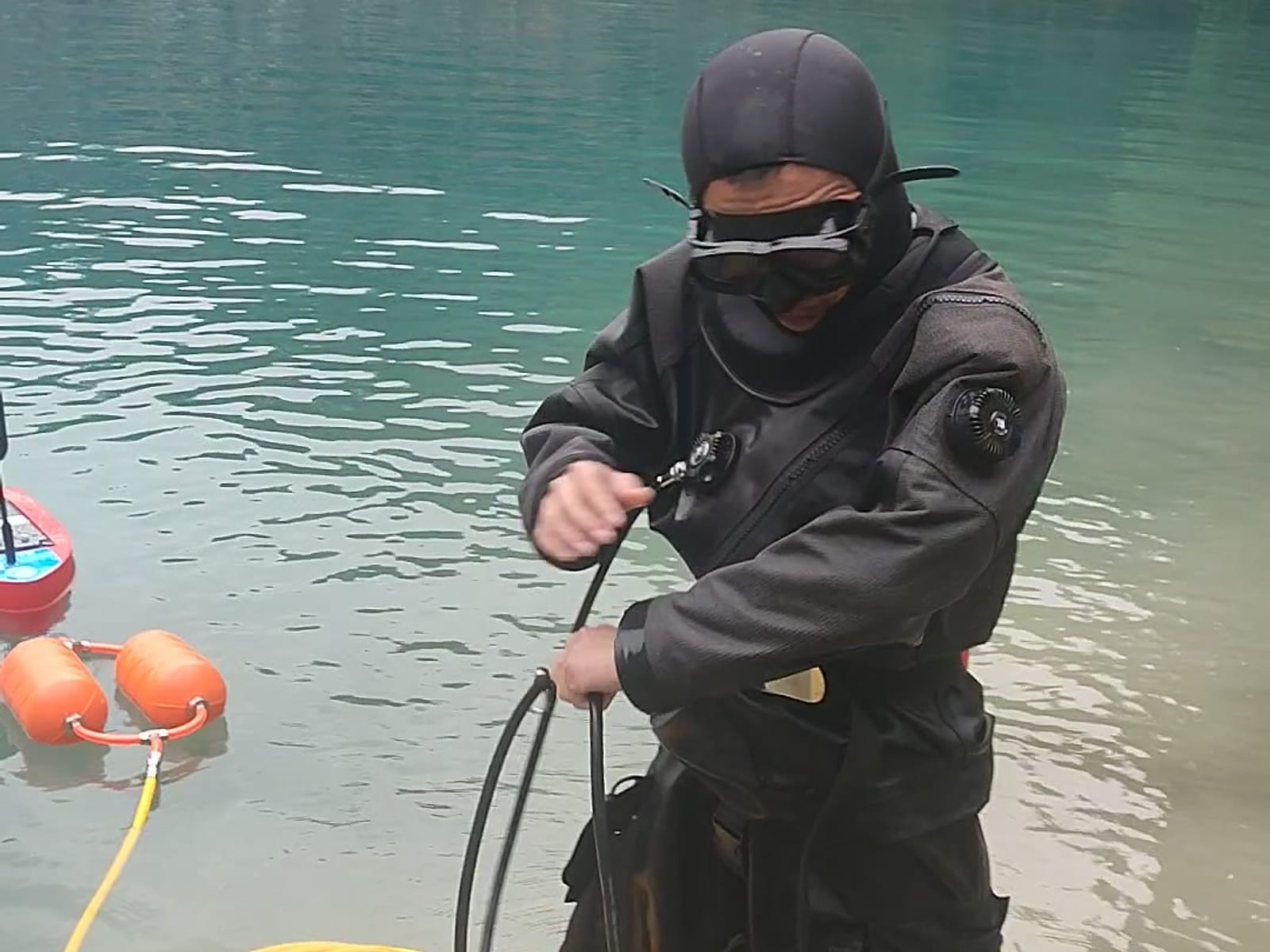
A flooded quarry is the best place in the world to learn surface supply. There is no tide, no swell and no current, the entry is usually a flat shelf or a set of steps, and the whole site is visible from the bank before anyone gets in. The surface unit has nowhere to drift to. The hose path can be planned from dry land with a cup of tea in your hand. This is why quarries are where hose diving gets taught, and it is entirely deserved. It is also the water that surprises visiting sea divers, because the differences under fresh water are quiet ones — they do not announce themselves, and the first one costs you your trim.
Fresh water is lighter, and you will feel it
Fresh water is about 2.5% less dense than sea water. That number sounds like rounding, and on a fully kitted diver it works out to roughly two kilograms of lost lift. A diver who is correctly weighted in the sea will be noticeably negative in a quarry, and the usual experience is a slow, unexplained descent over the first five minutes that feels like a buoyancy problem and is actually a weighting problem. Expect to add weight rather than remove it. Check hovering on the first descent at one or two metres, before you go anywhere, and adjust there rather than fighting it at fifteen.
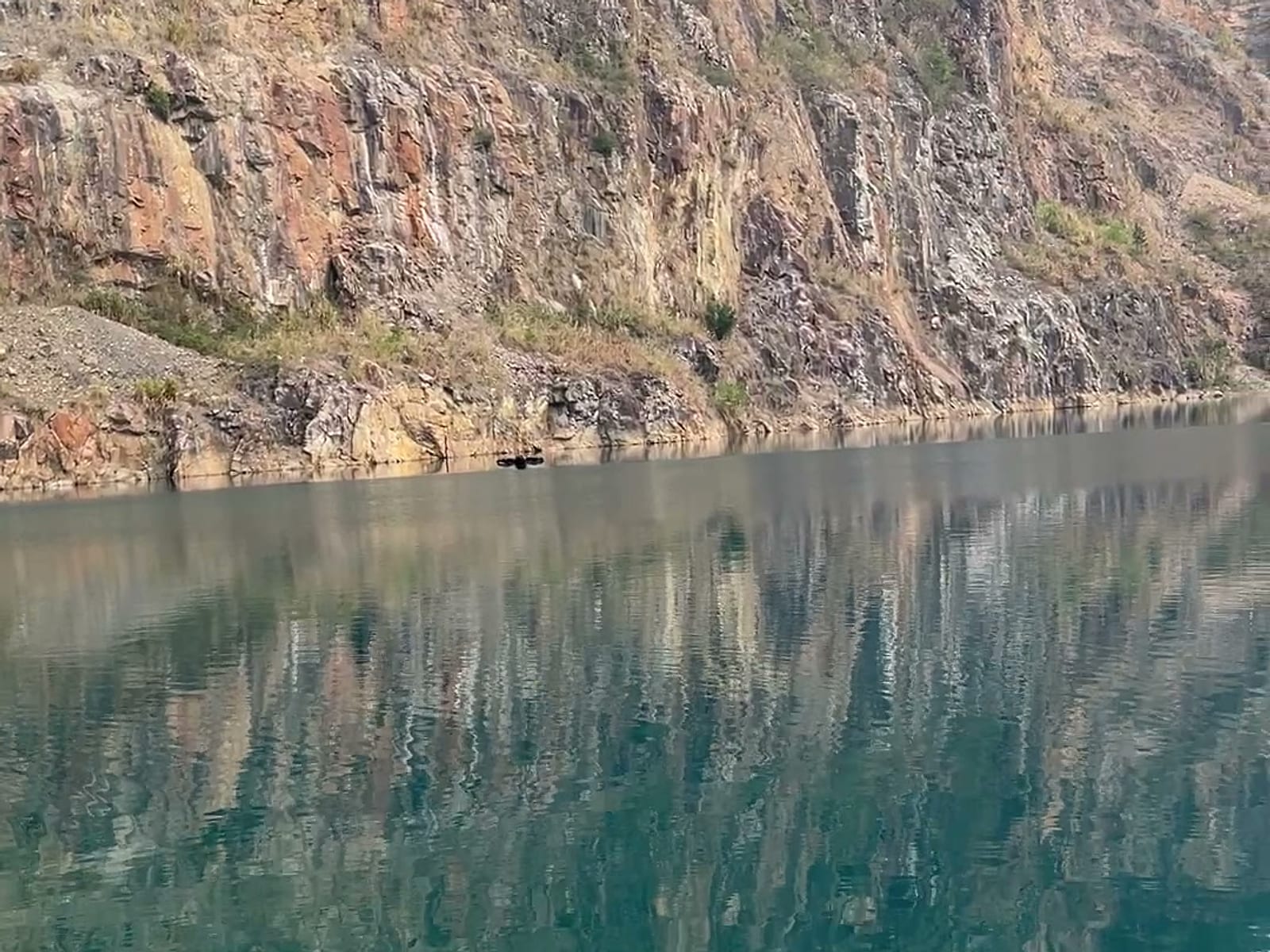
The thermocline, and what it does to visibility
Quarries stratify. Sun warms the top few metres and the water below stays cold, and the boundary between the two is sharp — often within a metre. Crossing it does two things at once: the temperature drops several degrees, and the visibility falls away, because the cold layer holds the fine silt that the warm layer lets settle. On a hose this matters more than on a tank, because the hose is your route home and it now disappears into grey at the exact depth where you can no longer see the float. Plan the dive to the layer rather than through it until you know the site.
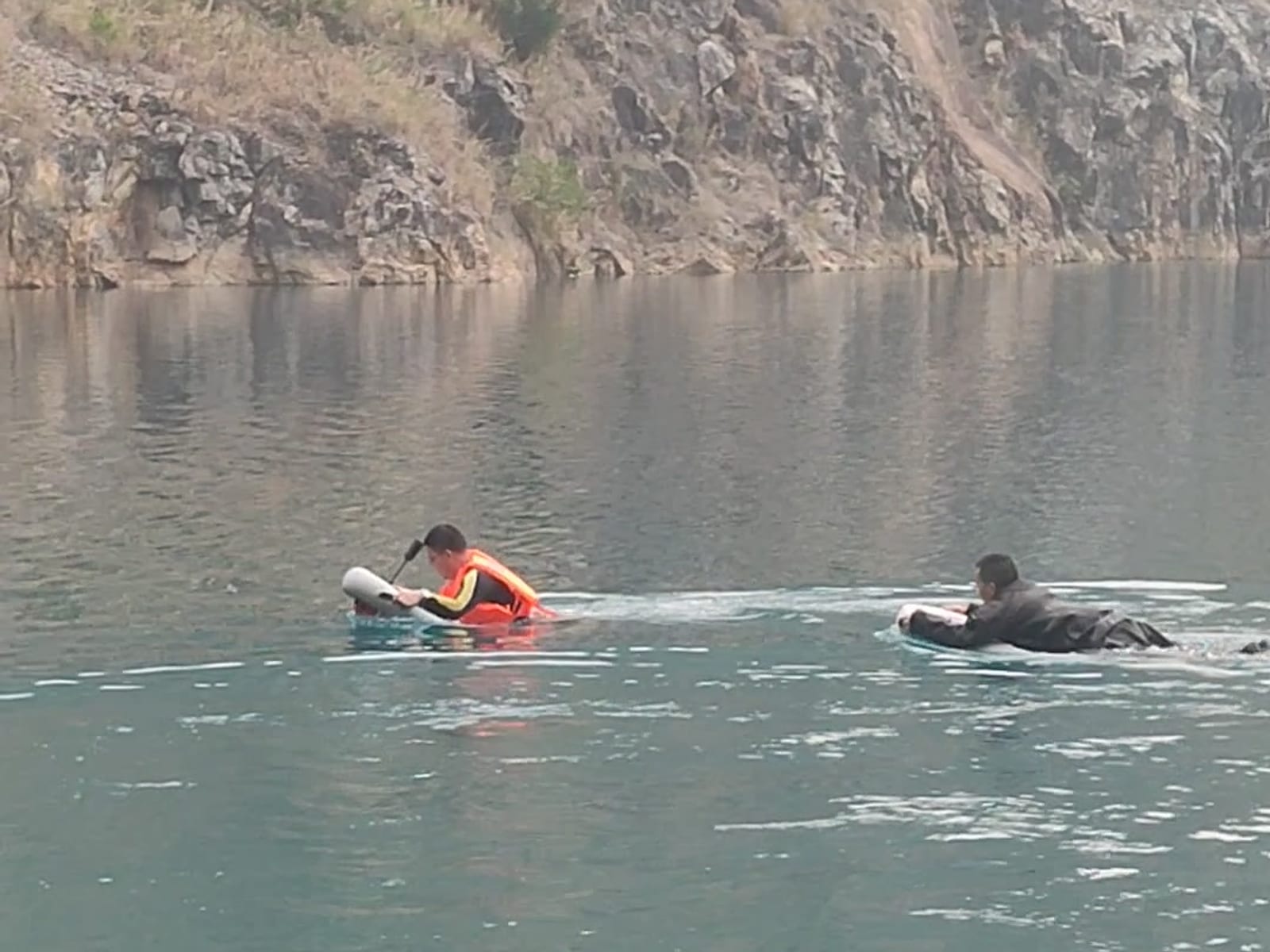
What a quarry changes
- Buoyancy: fresh water is lighter, so expect to add around two kilograms.
- Temperature: the thermocline can drop several degrees within a metre of depth.
- Visibility: better than the sea near the surface, much worse below the layer.
- Structure: submerged trees and discarded machinery give a hose far more to catch on than open reef.
- Wildlife: freshwater fish are curious and will follow a hose diver at close range for the whole dive.
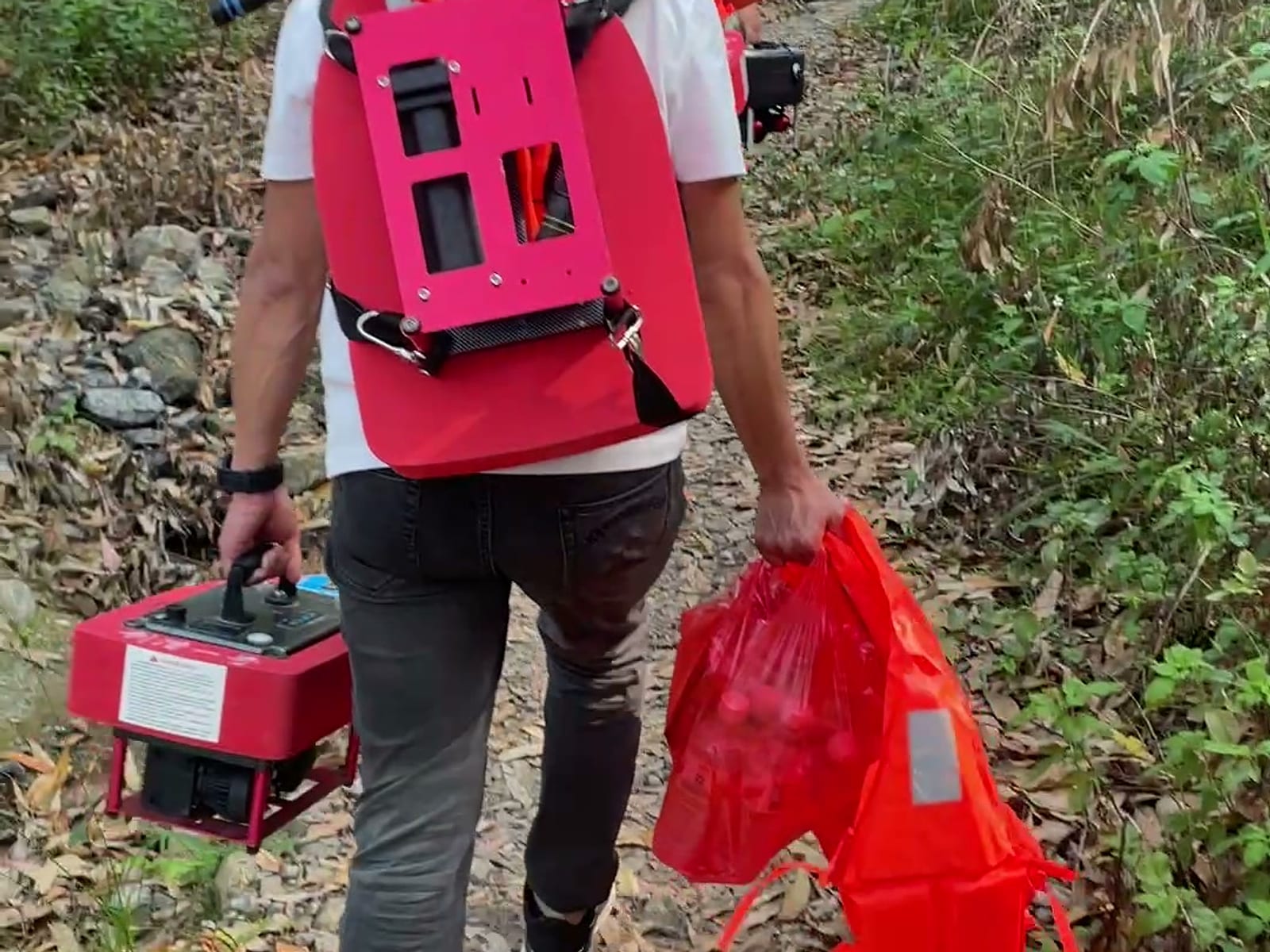
The hose is the thing you plan for
In the sea, the hose risk is usually current and drift. In a quarry it is structure, and the structure is trees. A submerged branch is precisely the shape that catches a hose and holds it: a fork with a rough surface, at an angle, often with a dozen siblings around it. You will not see them coming in poor light below the thermocline, and a hose that goes into a tree comes out with a decision attached — reverse carefully or go hand-over-hand along the hose to free it. The prevention is unglamorous: keep the route over open bottom, treat every sunken branch as a hard no, and keep the float over water you can actually see. Do that and a quarry will be the most forgiving water you ever run a hose in.
The short version
- A quarry removes swell, tide and current. It is the best place to learn a hose.
- Fresh water costs you about two kilograms of buoyancy. Add weight, do not remove it.
- The thermocline changes temperature and visibility within a metre. Plan to it, not through it.
- Sunken trees are the real hazard, not depth. Keep the route over open bottom.
- Check hovering at one metre on the first descent and fix weighting before you go anywhere.
FAQ
Do I need a diving certification?
How deep can I go?
What happens if the battery runs low?
Keep reading
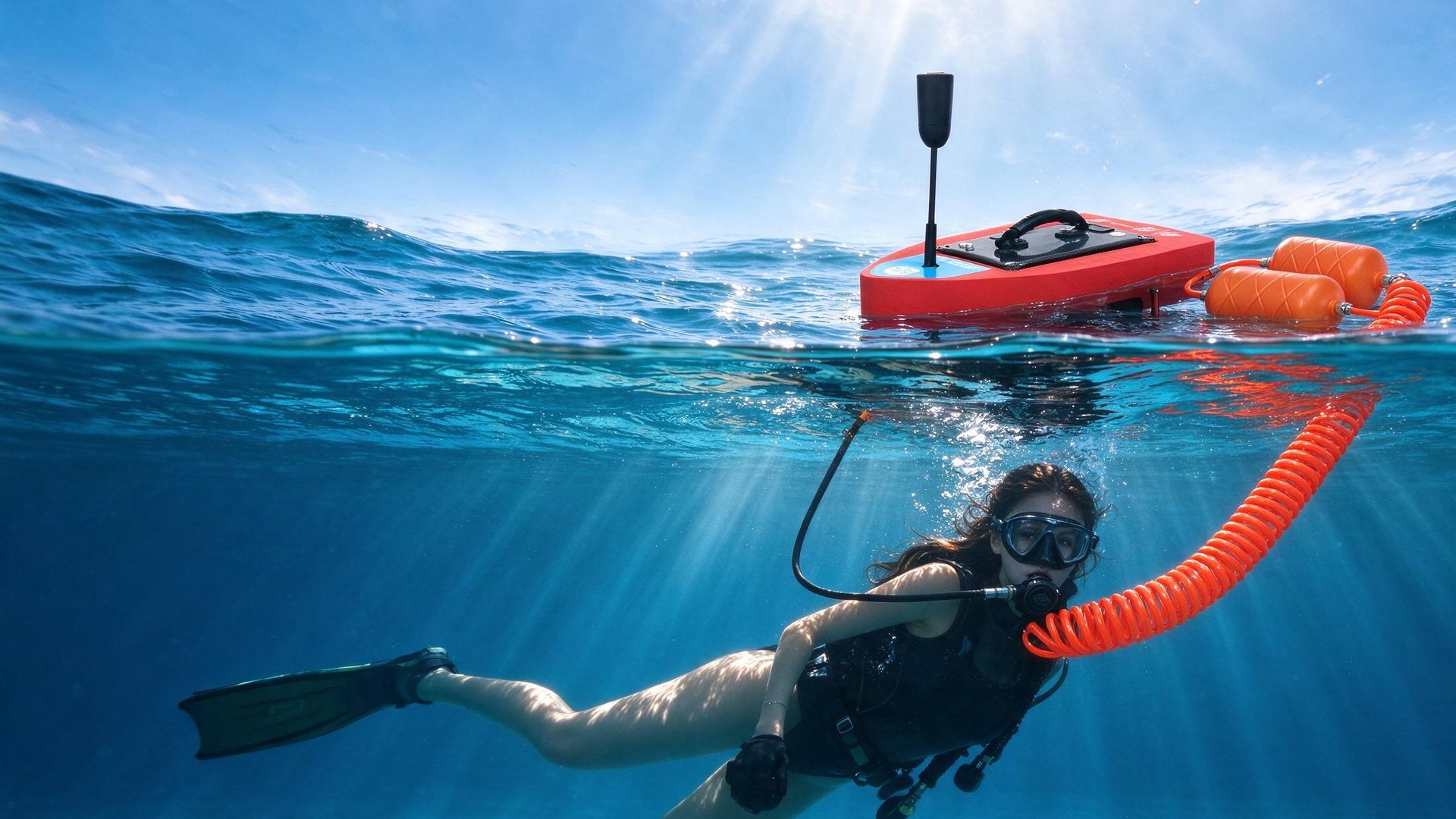
Scuba Tank vs. Tankless Hookah Diving: The Complete 2026 Comparison
Cost, bottom time, depth, safety and logistics — an honest, side-by-side look at when a surface-supply system beats a tank, and when it doesn’t.
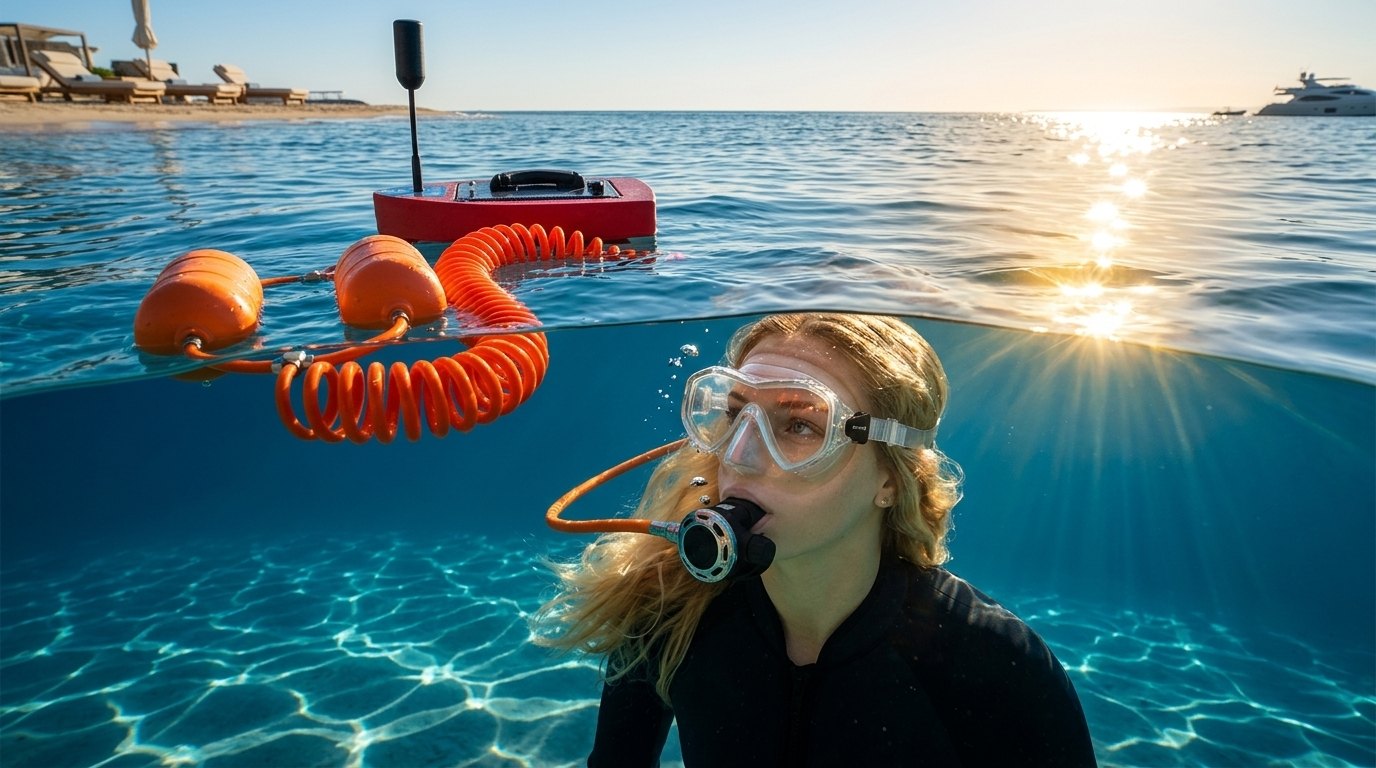
How Deep Can You Go With a Hookah Diving System?
Rated depth vs. tested depth, why hose length is not depth, and the no-decompression limits that still apply.
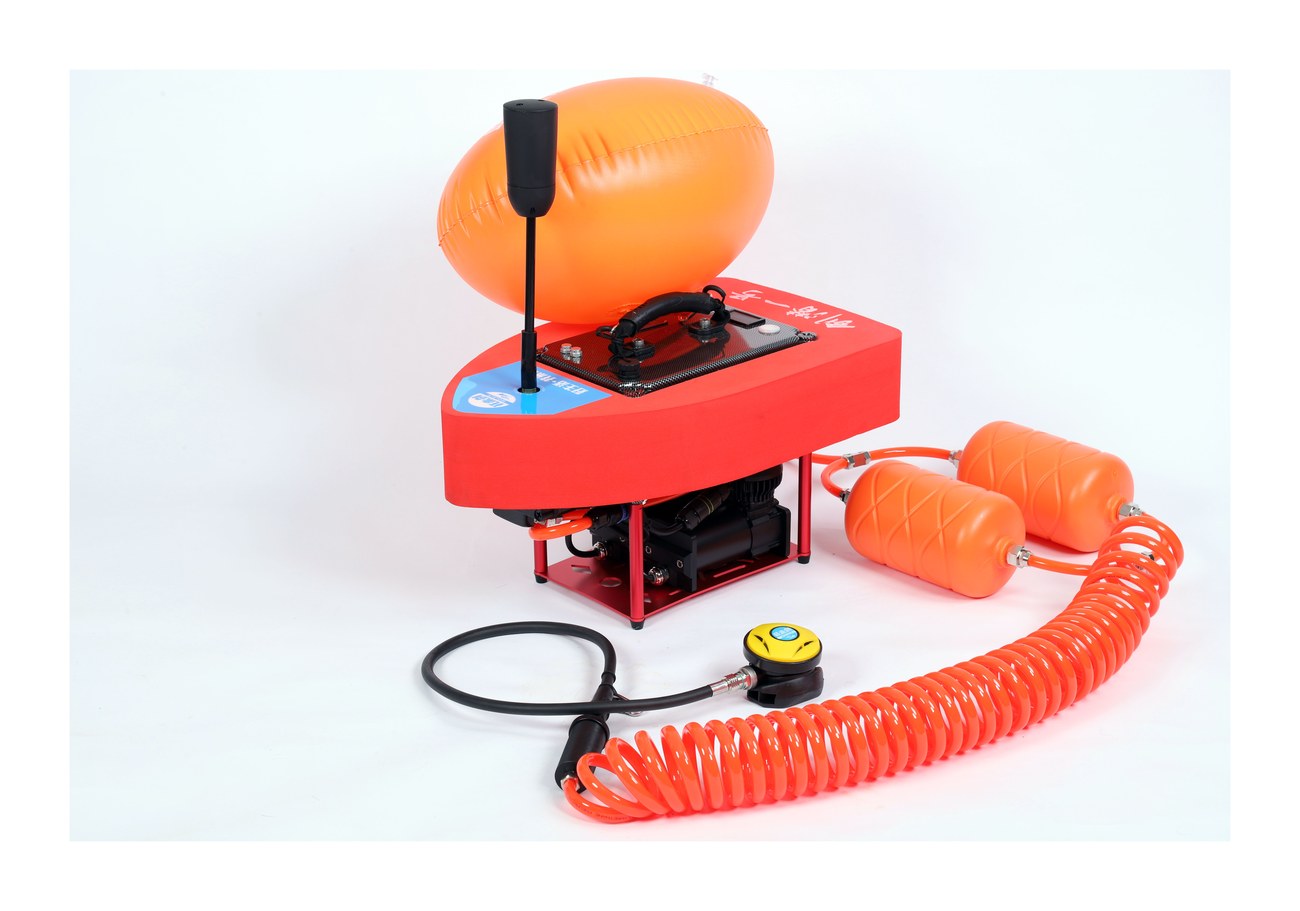
S6 vs S7 vs S9 vs S77: Which WOLACH Is Right for You?
Four models, one air path. Pick by how deep and how long you actually dive — the differences that matter are runtime, delivery and hose length, not features.