Diving From a Boat: Setup, Entry and Exit
A floating surface unit and a boat have to be introduced to each other before anyone gets wet. Where to put it, how to keep the hose off the hull, and why coming up is harder than going down.
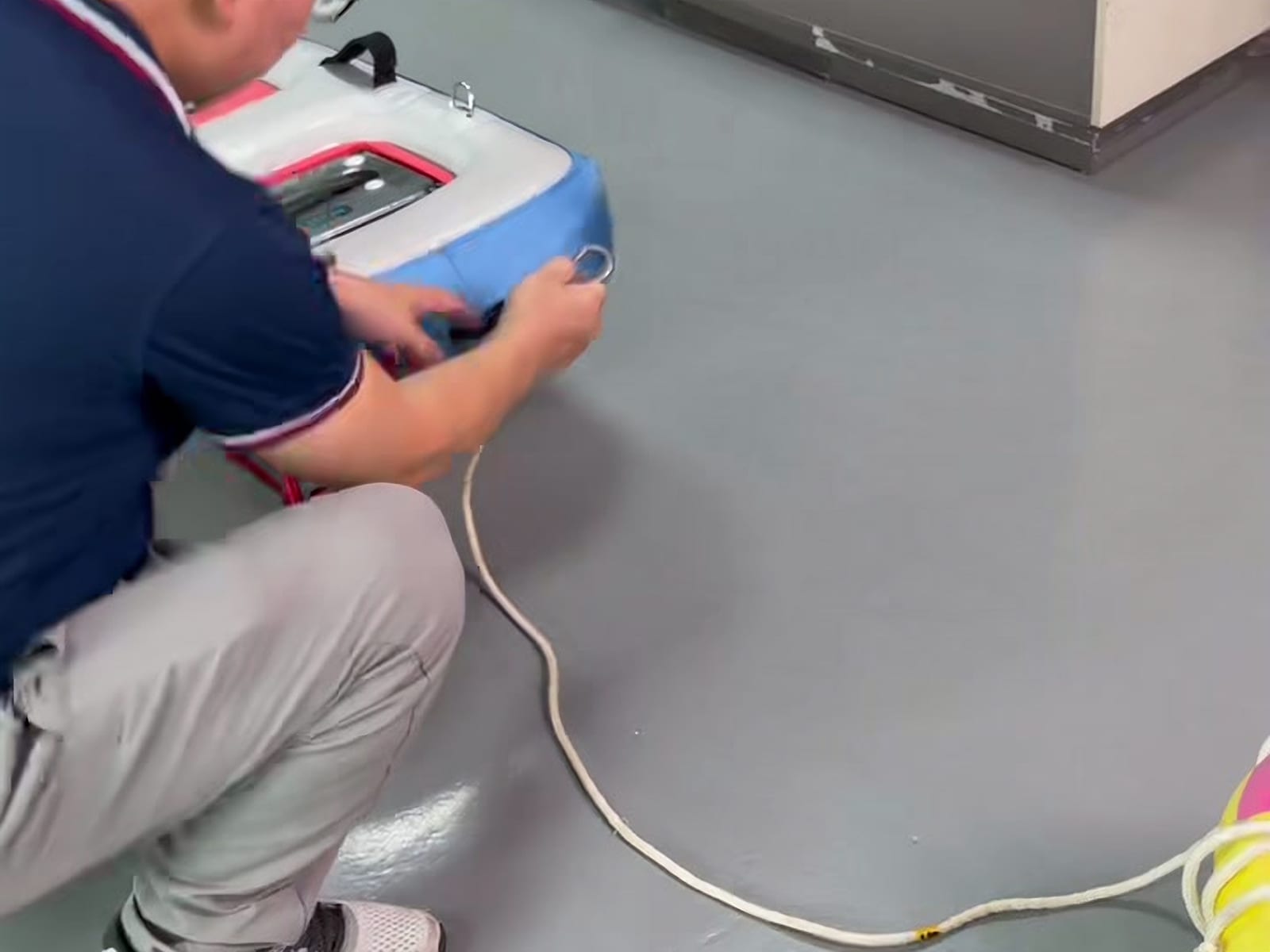
On a shore dive there is one floating object to think about: the surface unit. From a boat there are two, and their relationship decides almost everything that follows. Get the geometry right on the deck and the dive is uneventful — the hose runs clean, the unit sits in calm water, and the exit is a ladder you walk to without looking for it. Get it wrong and every problem you have for the next hour was caused in those first five minutes: a hose crossing the hull, a machine bouncing in the swell, and a diver surfacing somewhere unexpected wondering which side of the boat they are on.
Where to put the unit
Launch it upwind and up-current of the boat, then tether or anchor it so that it settles in the boat’s lee — the sheltered side. This is not cosmetic. The intake works better on calm water, the drain box takes on less, and the whole machine is easier to monitor from the deck. If the boat is moored fore-and-aft the lee is obvious. If you are drifting, a short line off the stern quarter holds the unit in clean water and keeps it well clear of the propeller and of the anchor line you will be pulling up later. Between the unit and the ladder, run a grab line — a plain floating line with a couple of loops in it, which converts the exit from a swim into a walk.
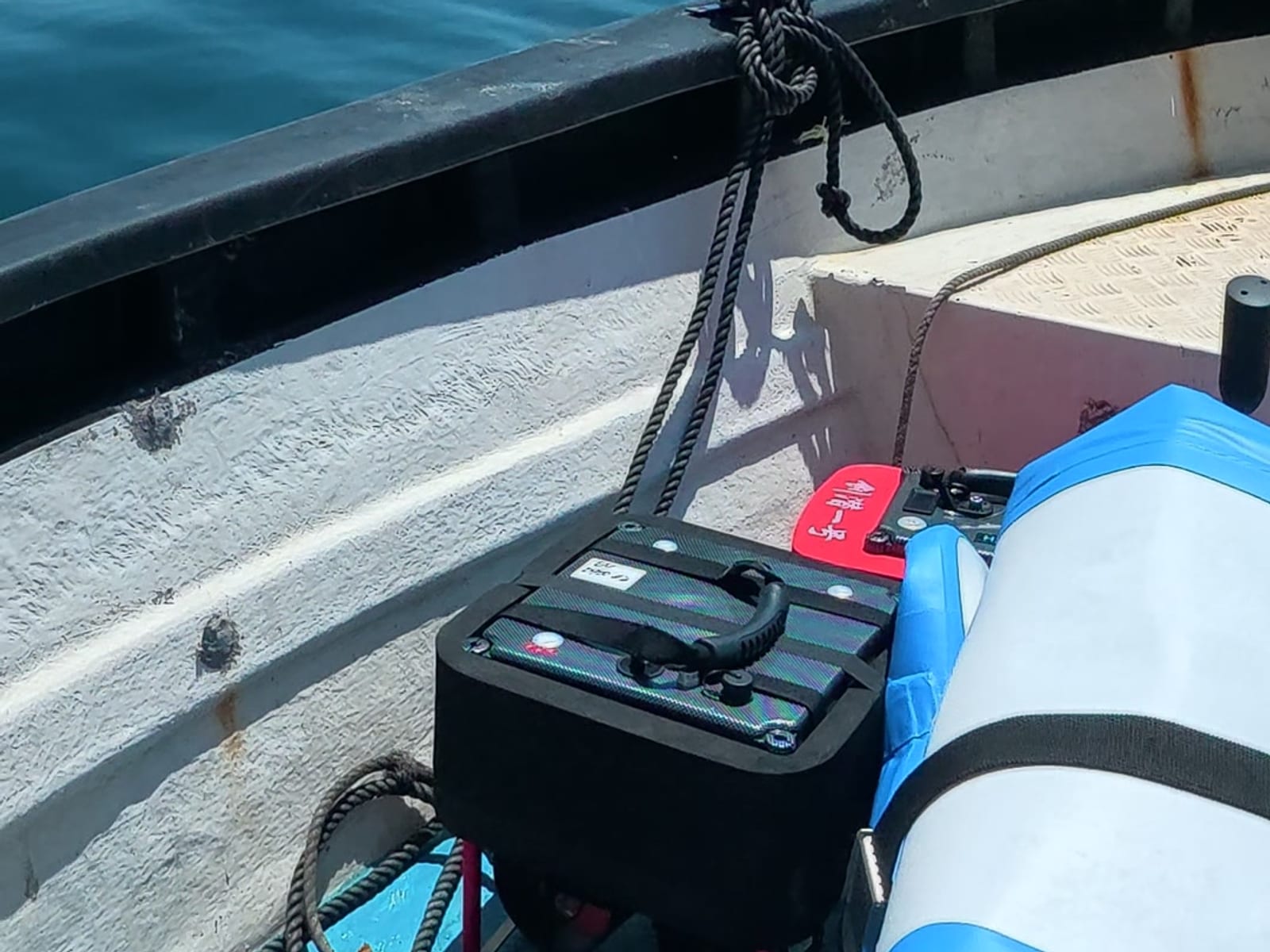
The hose goes off one side, and stays there
Decide which side the hose will enter and exit the water on, and make it the ladder side. Everything follows from that. A hose that goes down the port side and comes up under the hull on starboard is a hose lying across the propeller, the rudder and the anchor line, and untangling that from a mask at the end of a dive is nobody’s idea of a good time. If the ladder is on the stern, the hose should enter over the transom corner and never cross the centreline of the boat.
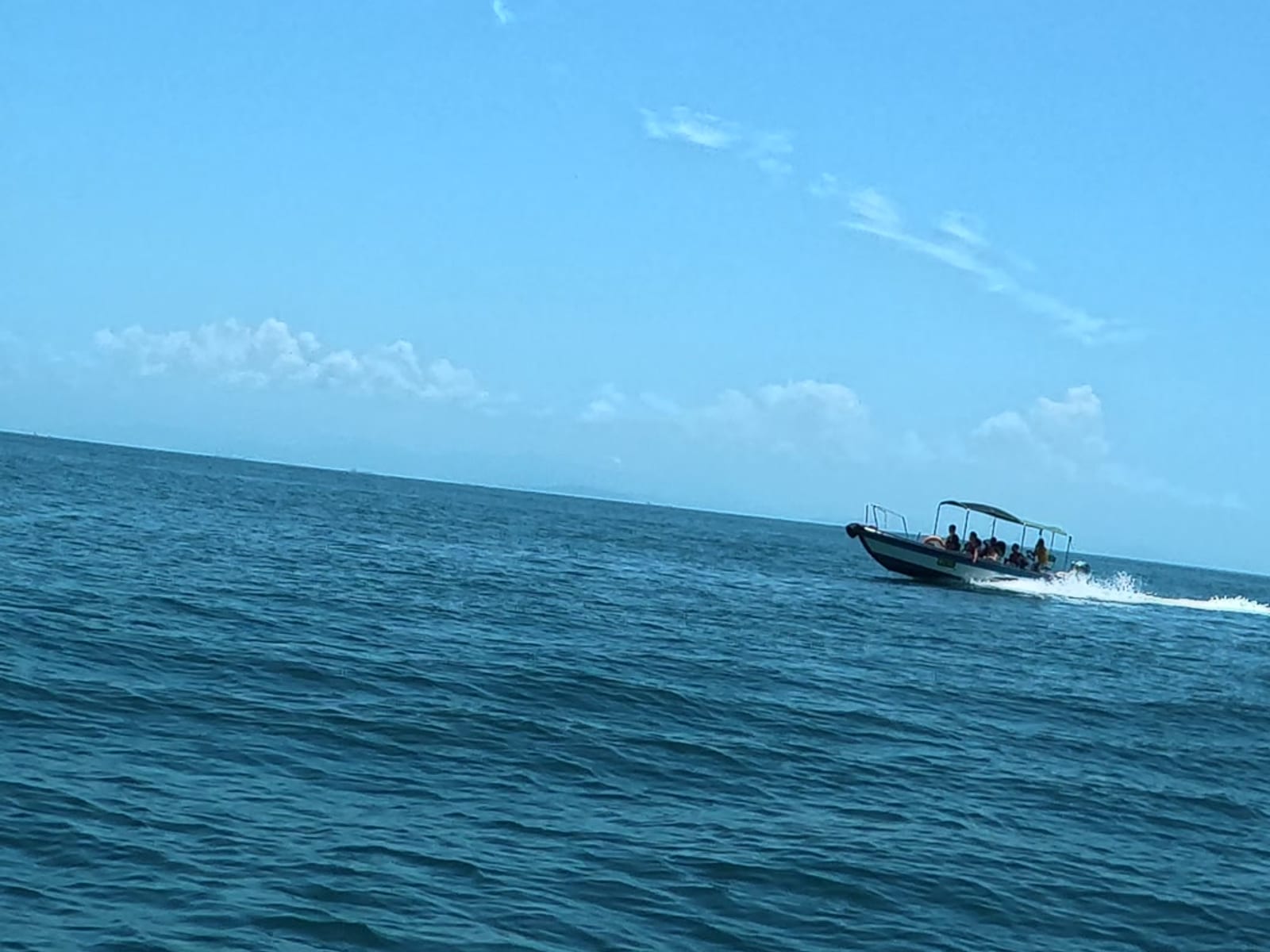
The boat-specific checks
- Unit launched upwind and up-current, tethered in the boat’s lee
- Hose leaves the water on the ladder side and never crosses the hull
- Unit clear of the propeller, the anchor line and anything you will pull up
- A grab line from the ladder to the float, with loops you can hold
- Someone on board who knows how to shut the unit down
- Ladder down before the first diver enters, and left down for the whole dive

Entry is easy. Exit is the hard half
Entering is straightforward, because you have just laid the hose out and you know exactly where everything is. Exiting is where the plan tends to fall apart, and for one reason: the unit has moved while you were under. Wind and current have both had twenty minutes to work on a floating object, and the hose now runs from a direction that no longer matches what you worked out on the deck. Divers who exit by surfacing where they think the boat is end up doing a surface swim against a swell, looking for a ladder. Divers who exit by following the hose never have the problem at all: the hose leads to the float, the float is attached to the grab line, and the grab line runs to the ladder. It costs an extra minute and it is the single most reliable habit in boat-based hose diving.
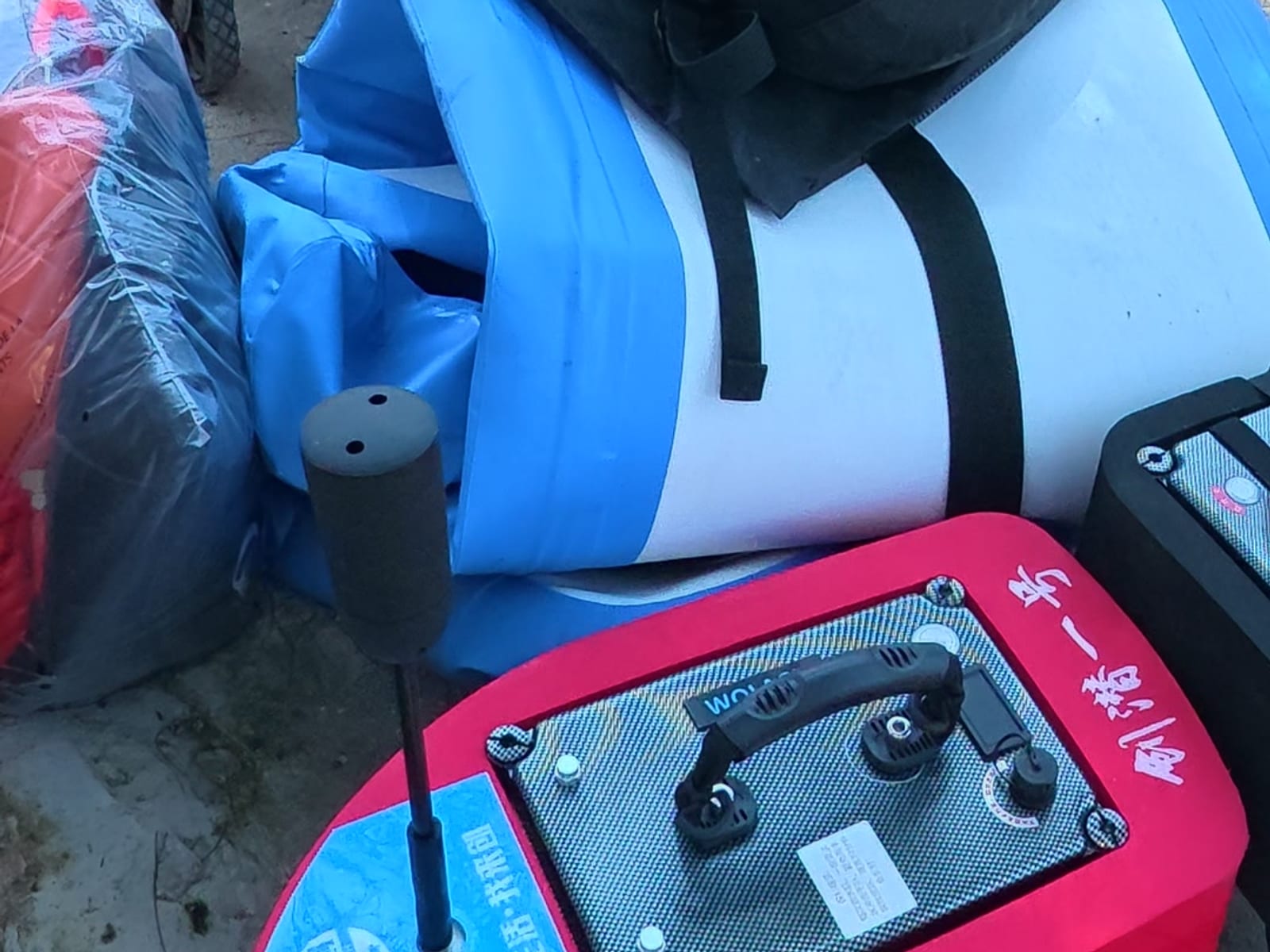
Shutting down cleanly
The end of a boat dive has its own small routine. The last diver up signals the surface, the unit is shut down, and only then is anything pulled aboard — a running machine that gets dragged over a gunwale by its own hose is how hoses and fittings get damaged. Coil the hose loosely onto the deck rather than pulling it in tight, and wipe it down as it comes. Everything above takes about four minutes, and it means the next launch starts from the same clean setup rather than from an unidentified tangle.
The short version
- Two floating objects need a plan. Decide it on the deck, not in the water.
- Unit upwind and up-current, sitting in the boat’s lee, clear of the propeller and anchor line.
- Hose enters and exits on the ladder side. It never crosses the hull.
- Run a grab line from the ladder to the float to convert the exit from a swim into a walk.
- Come up the hose rather than towards the boat. It always leads somewhere useful.
FAQ
Do I need a diving certification?
How deep can I go?
What happens if the battery runs low?
Keep reading
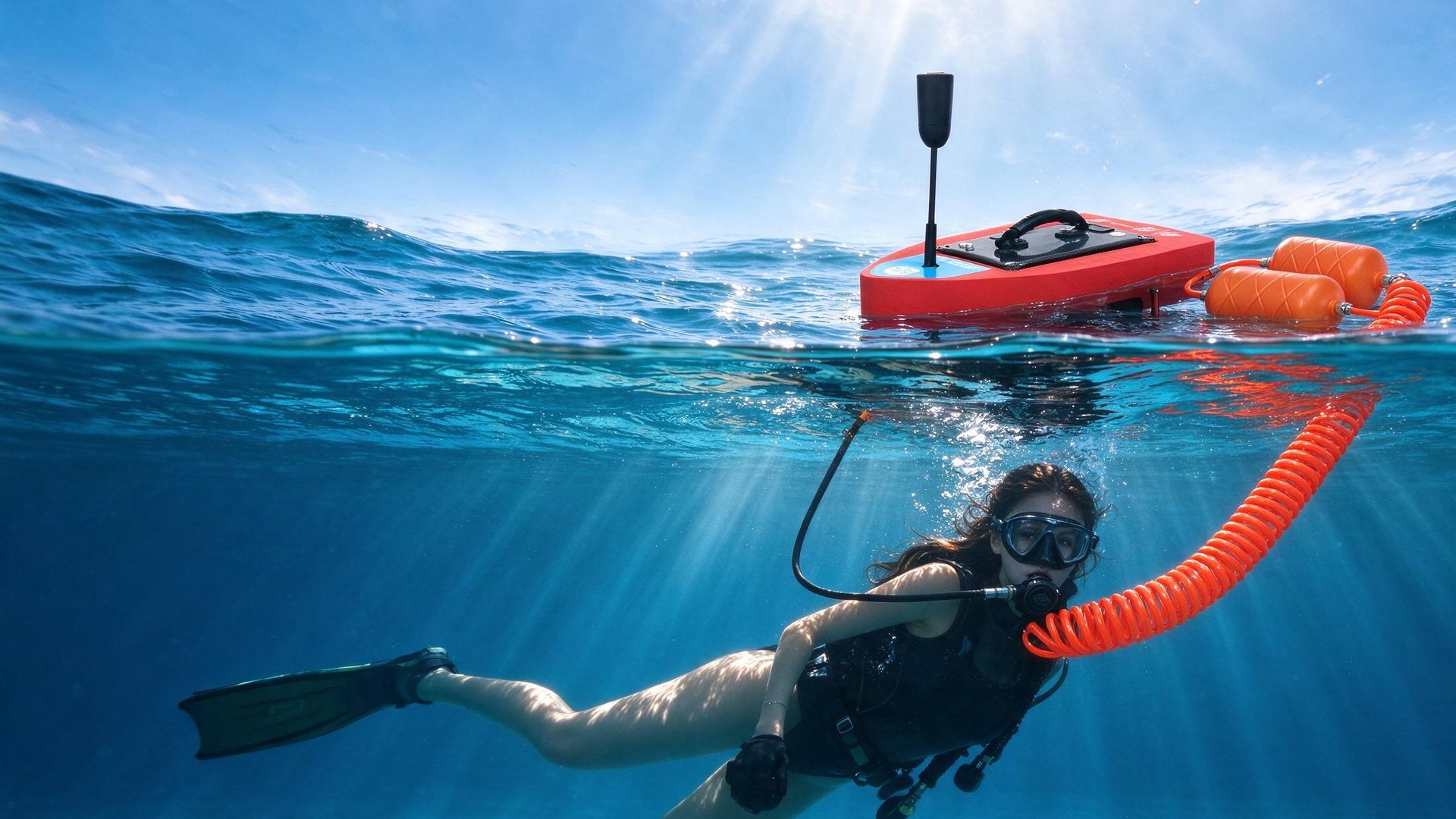
Scuba Tank vs. Tankless Hookah Diving: The Complete 2026 Comparison
Cost, bottom time, depth, safety and logistics — an honest, side-by-side look at when a surface-supply system beats a tank, and when it doesn’t.
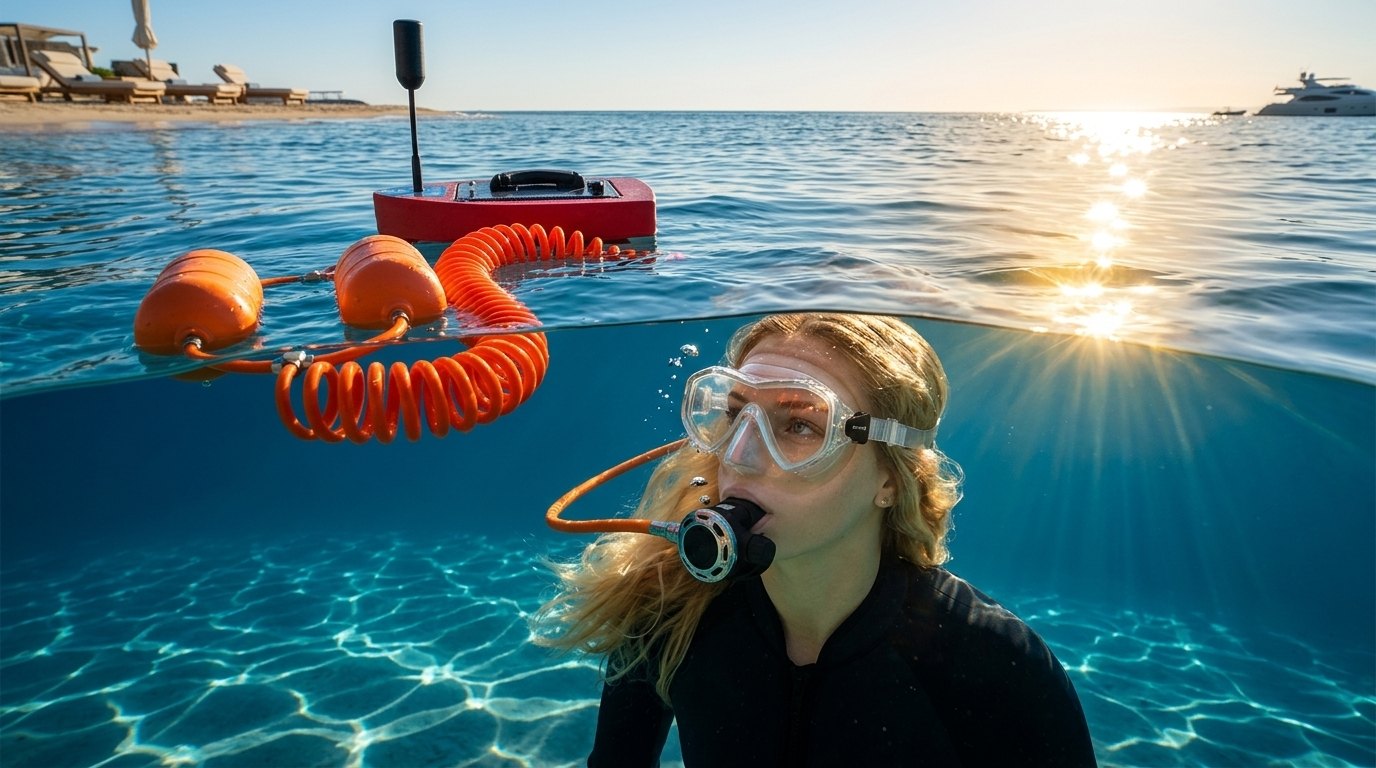
How Deep Can You Go With a Hookah Diving System?
Rated depth vs. tested depth, why hose length is not depth, and the no-decompression limits that still apply.
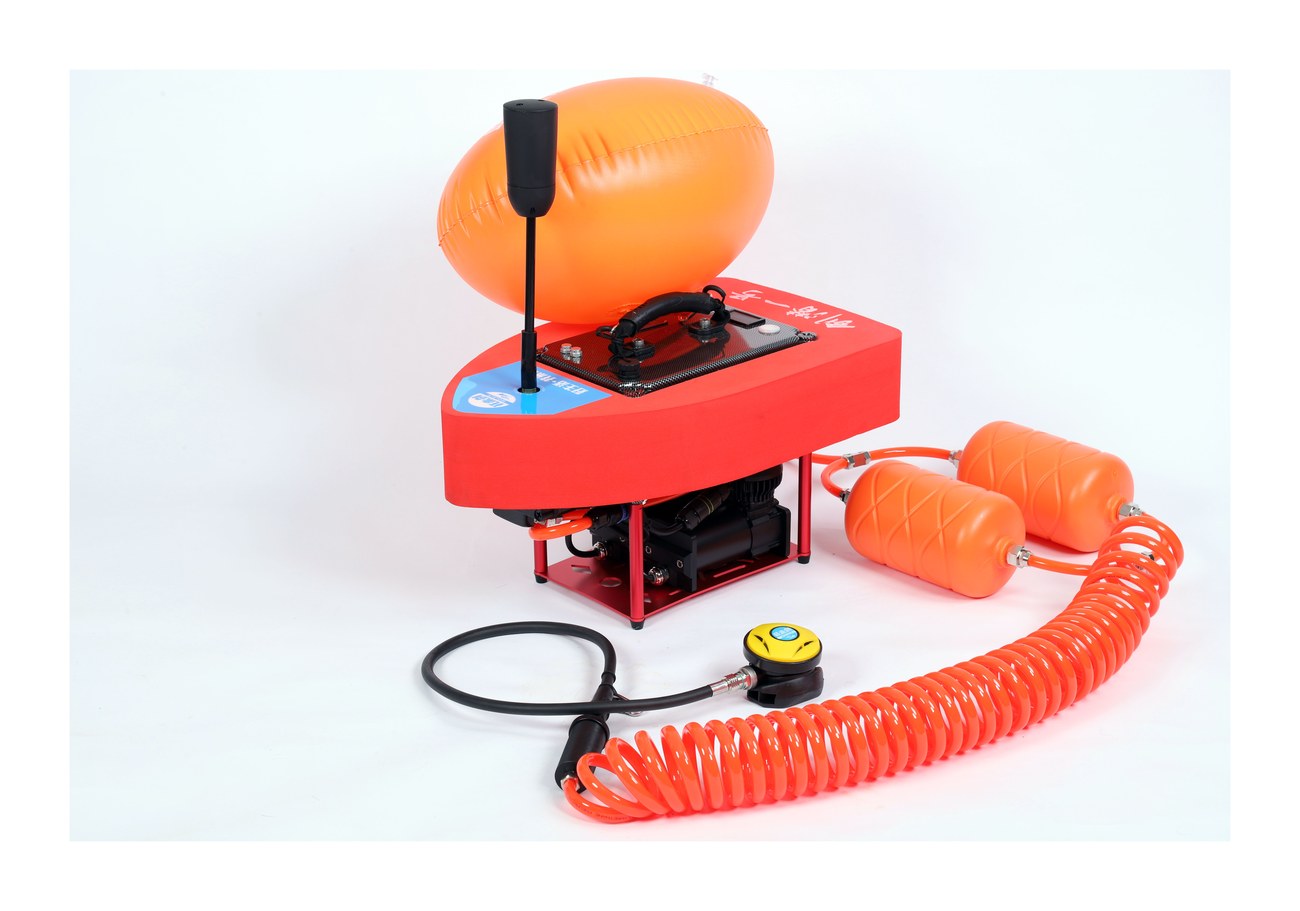
S6 vs S7 vs S9 vs S77: Which WOLACH Is Right for You?
Four models, one air path. Pick by how deep and how long you actually dive — the differences that matter are runtime, delivery and hose length, not features.