Diving in Current With a Hose
Current is the single thing most likely to move your air supply away from you. How to read it before you get in, and the two positions that keep a hose dive manageable.

On scuba, current is a fitness question. You swim against it or you drift with it, and either way your air comes with you. On a hose it is a different category of problem, because current does not move the diver — it moves the air supply. Ten metres of hose and a machine on a float are subject to the water in a way a diver in a wetsuit, who can duck behind a rock or drop to the bottom, simply is not. A current that a scuba diver would describe as mild can put a constant sideways load on a hose and turn a relaxed work dive into a slow wrestling match.
Reading it from the surface
You can see more than you think. Foam lines mark the boundary between two bodies of water moving at different speeds, and crossing one usually means the current changes abruptly. Moored boats all lie at the same angle, which gives you direction, and a boat sitting at an angle to a neighbouring one tells you there is a shear between them. Eddies behind headlands and islands are flatter and often clearer than the water outside them — useful, and also the reason some divers accidentally dive a site they think is calm when the tide is about to change. Watch for a full minute rather than a glance, and if the tide is running, know when it turns.

Two positions that work
The first is the lee: put the float behind something — a headland, a moored boat, a reef — and dive the sheltered side. The float barely moves, the hose stays slack, and the dive is unremarkable. The second is the drift: launch the float up-current, dive down-current of it, and accept that the hose will always be trailing behind you. This works well because a hose that trails with the flow never loads sideways, and it is why most commercial hose work in moving water is planned as a drift rather than a position. What does not work is fighting: a float up-current of a diver working into the flow is a hose under constant tension.
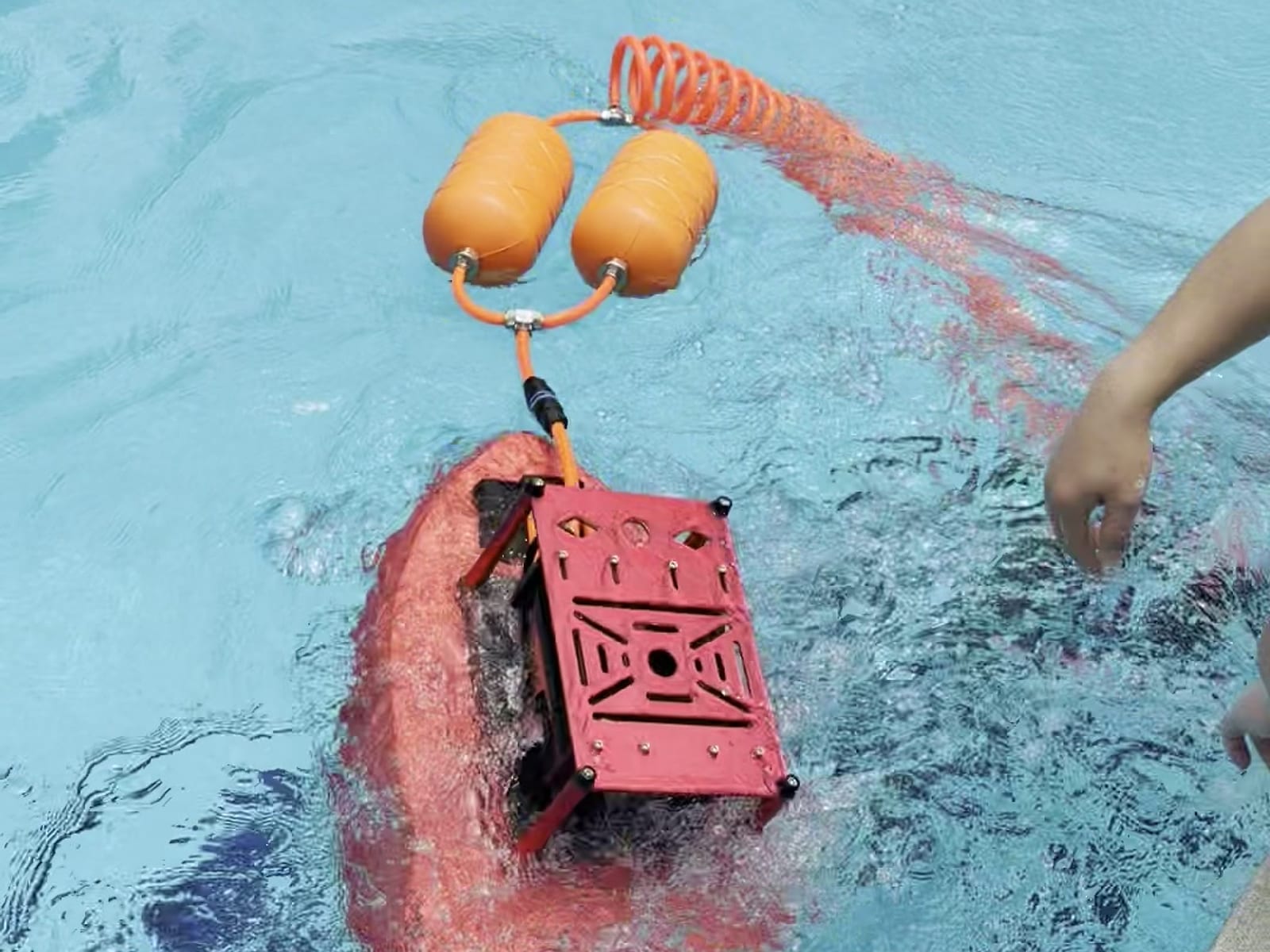
What changes when the water moves
- Air demand rises, so runtime falls — plan shorter dives than in still water
- The hose loads sideways, which is how wraps happen; check it before every turn
- The float can drift onto structure and pin the hose from above
- The exit becomes the hard part: budget the return leg, and it may not be the entry point
- Your own body is not the problem; the machine is. Do not judge the current by how it feels
The decision that prevents the story
The most useful current skill is deciding not to dive. A hose dive has an exit you have already committed to, a hose that goes where the float goes, and a surface unit that is a large object in moving water. If the tide is turning in an hour, if the float has nowhere sheltered to sit, or if the only route back is against the flow, then the site is wrong today regardless of how good it looks. That is not caution; it is the recognition that on a hose, the current is acting on the thing that keeps you alive.
The short version
- Current moves the float, not the diver. That is the whole reason it matters more on a hose.
- Read it before you get in: foam lines, the lie of moored boats, eddies behind headlands.
- Two positions work: the lee, or a deliberate down-current drift. Fighting it does not.
- A hose that trails with the flow never loads. A hose pulled against it always does.
- Budget the return leg first — the exit may not be the entry point.
- If the float has nowhere sheltered to sit, the answer is a different site, not a better technique.
FAQ
Do I need a diving certification?
How deep can I go?
What happens if the battery runs low?
Keep reading
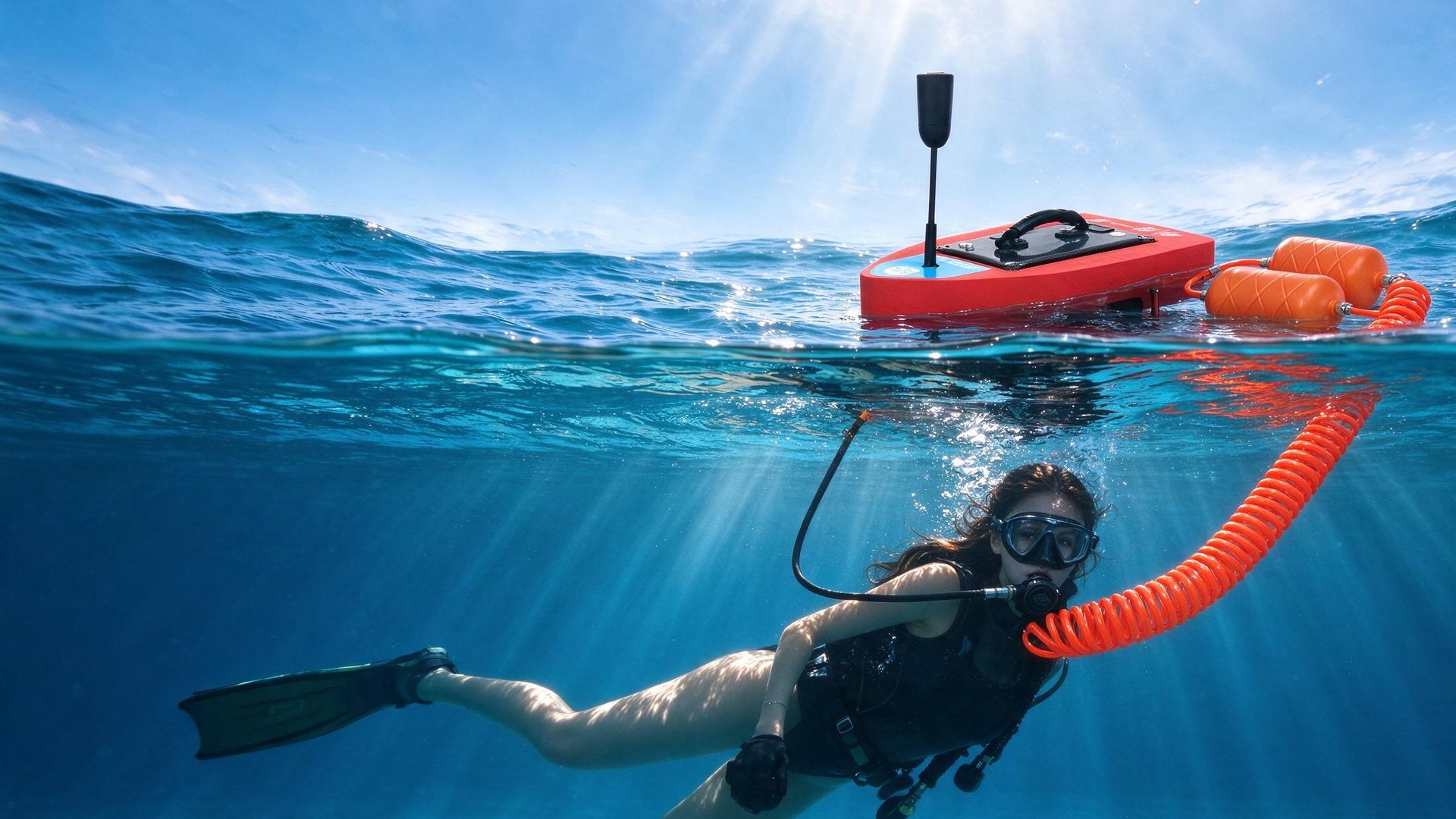
Scuba Tank vs. Tankless Hookah Diving: The Complete 2026 Comparison
Cost, bottom time, depth, safety and logistics — an honest, side-by-side look at when a surface-supply system beats a tank, and when it doesn’t.

How Deep Can You Go on a Hookah System?
Rated depth is not tested depth, and hose length is not depth at all. The three numbers people confuse, and the no-decompression limits that apply to a hose exactly as they do to a tank.
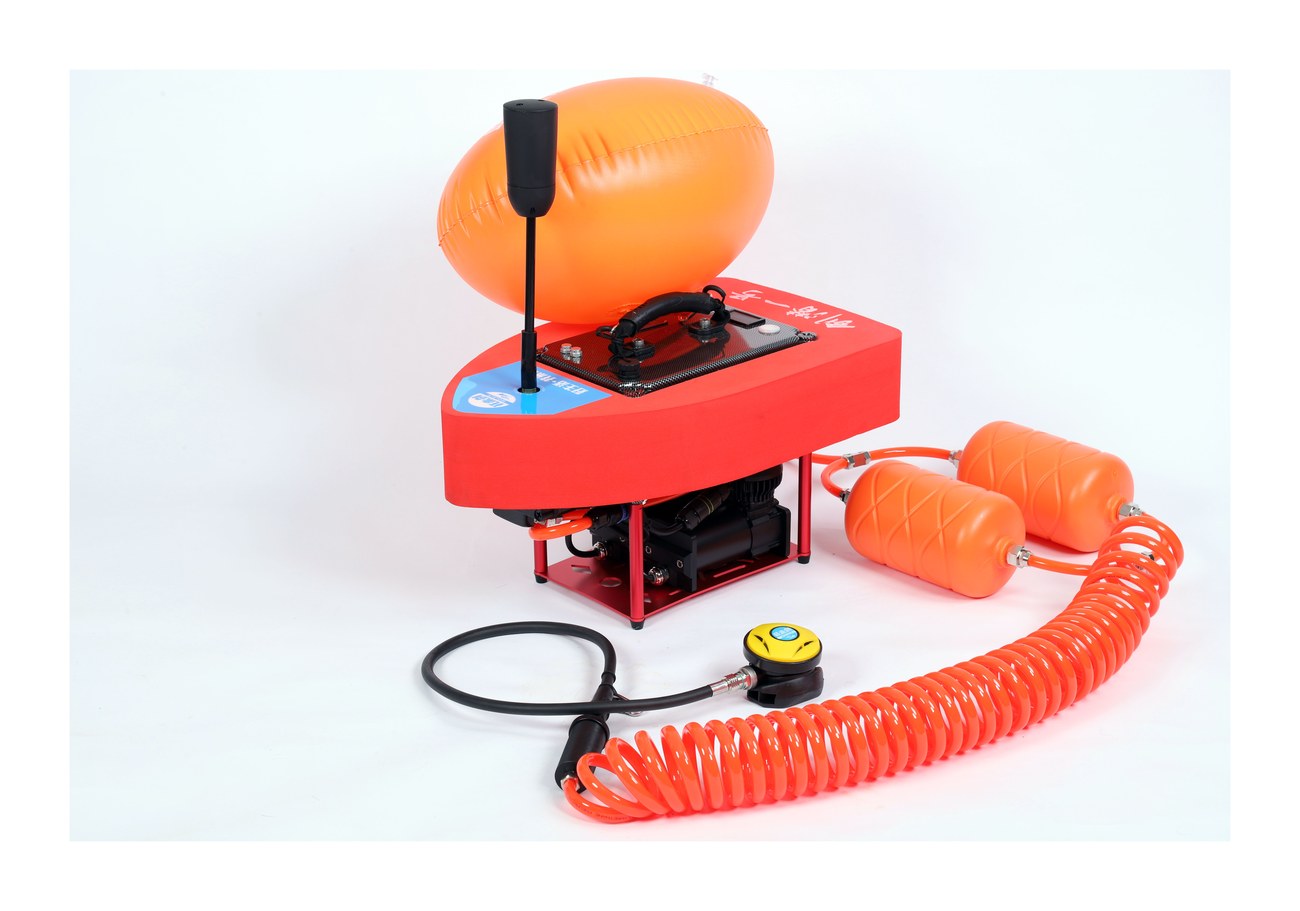
S6 vs S7 vs S9 vs S77: Which WOLACH Is Right for You?
Four machines, one air path, three numbers that decide it. How to pick by the diving you actually do rather than the depth rating you aspire to.