The Drain Box: Keeping Water Out of the Air Path
Every surface-supply machine pulls in humid air and condenses some of it. The drain box is the only thing standing between that water and your lungs.
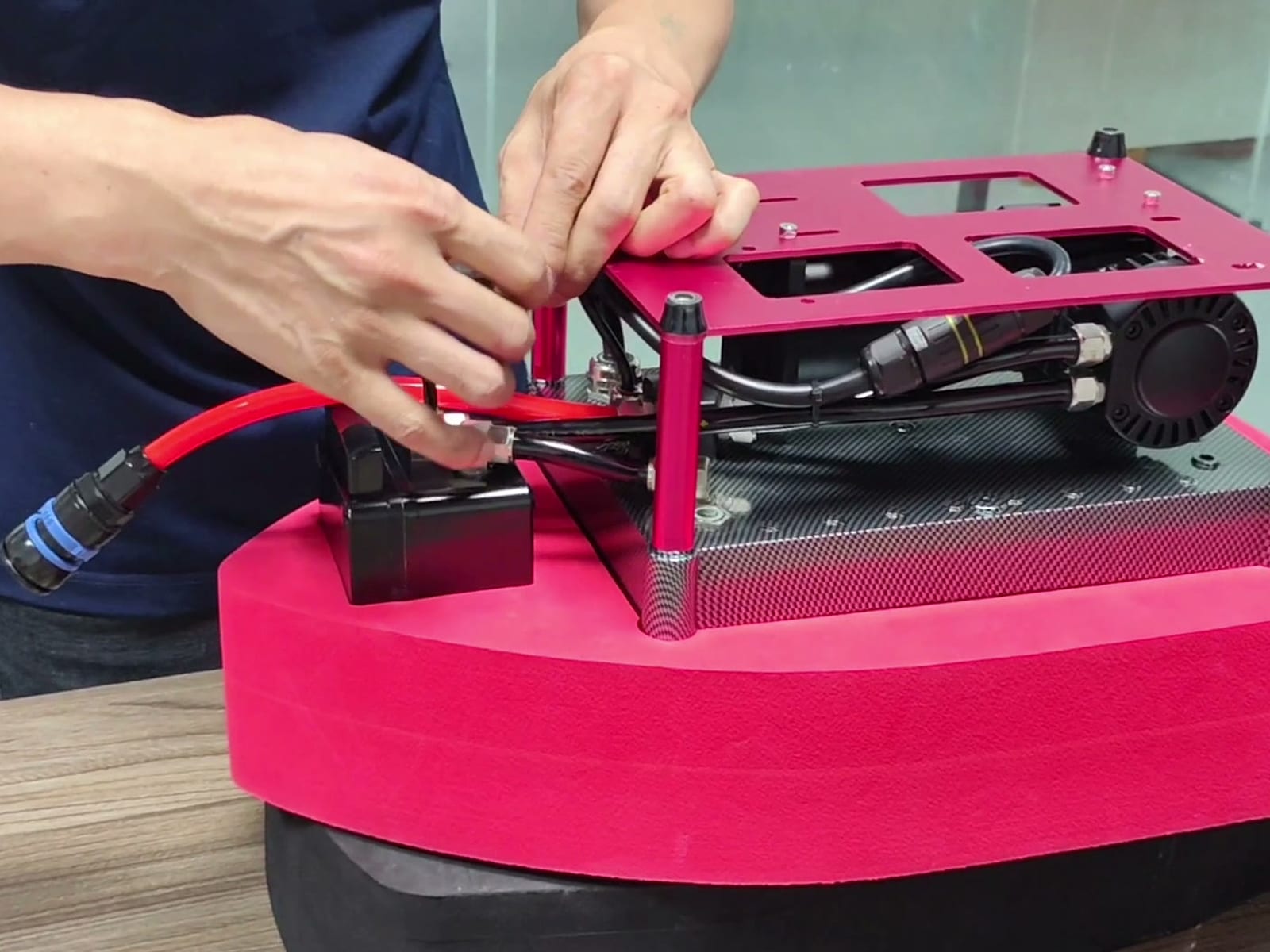
It is a humid-air problem, not a leak
Water in the drain box is normal and expected. A compressor pulling forty or sixty litres of air a minute on a hot, humid day is also pulling in water vapour, and some of it condenses as the air cools on its way to the hose. The drain box collects it and holds it out of the breathing path. The failure mode is not water appearing in the box — it is the box filling up and not being emptied.
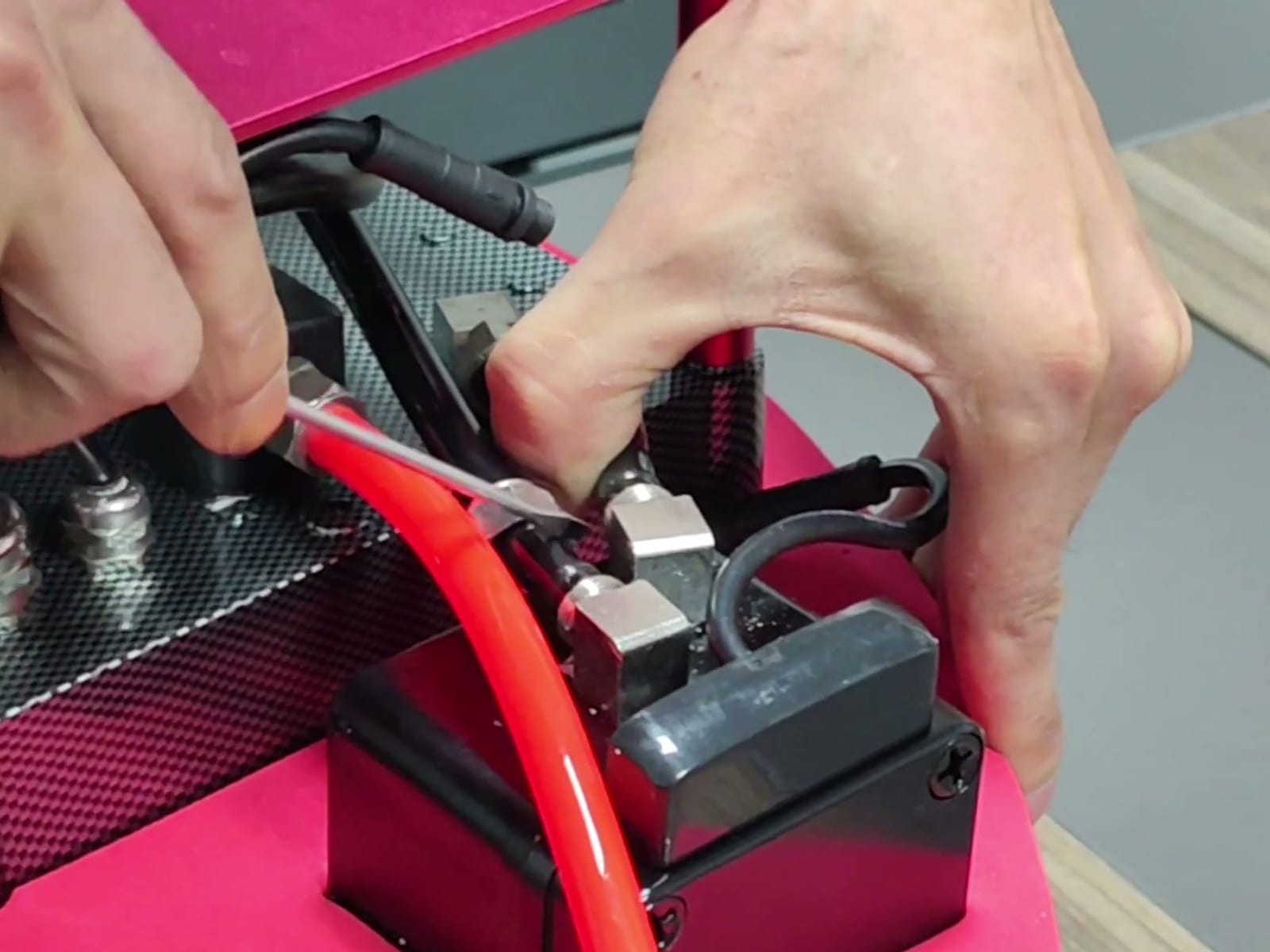
The daily routine
Open the box, tip the water out, and wipe the inside dry with a cloth before refitting the lid. Leave it open to air while the machine is stored — a closed box in a hot car grows a biofilm that smells of old socks, and once that smell is in the hose it takes many dives to clear.
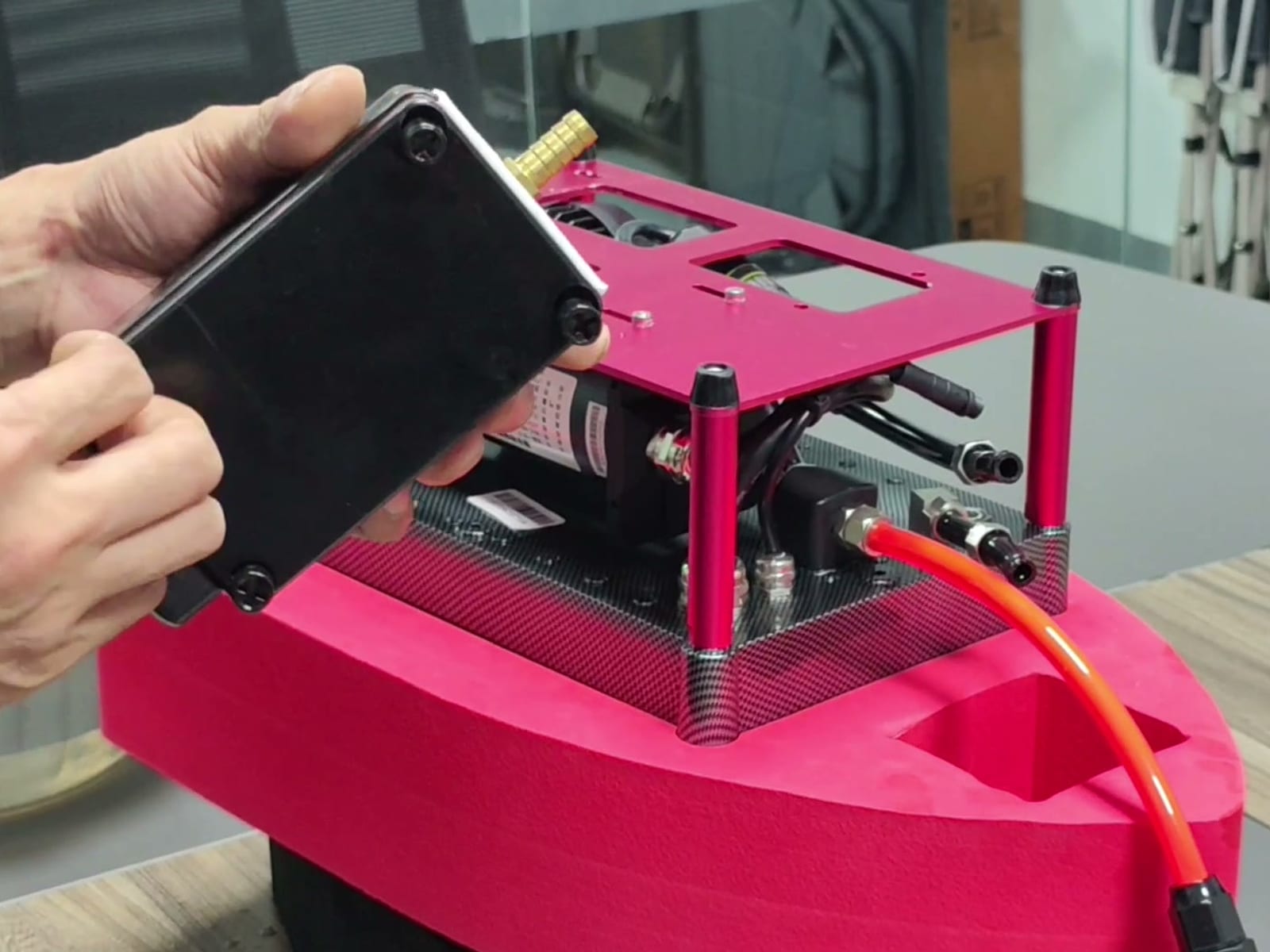
When to look closer
If the box fills in a single dive, or the water comes out cloudy with the machine running normally, that points at the seal or at a hose routed in a way that traps condensate. Both are worth a call before your next dive day rather than after. The seal itself is a cheap part and sits in the six-month wear tier, so replacing it costs very little.
FAQ
Do I need a diving certification?
How deep can I go?
What happens if the battery runs low?
Keep reading

Scuba Tank vs. Tankless Hookah Diving: The Complete 2026 Comparison
Cost, bottom time, depth, safety and logistics — an honest, side-by-side look at when a surface-supply system beats a tank, and when it doesn’t.

How Deep Can You Go With a Hookah Diving System?
Rated depth vs. tested depth, why hose length is not depth, and the no-decompression limits that still apply.
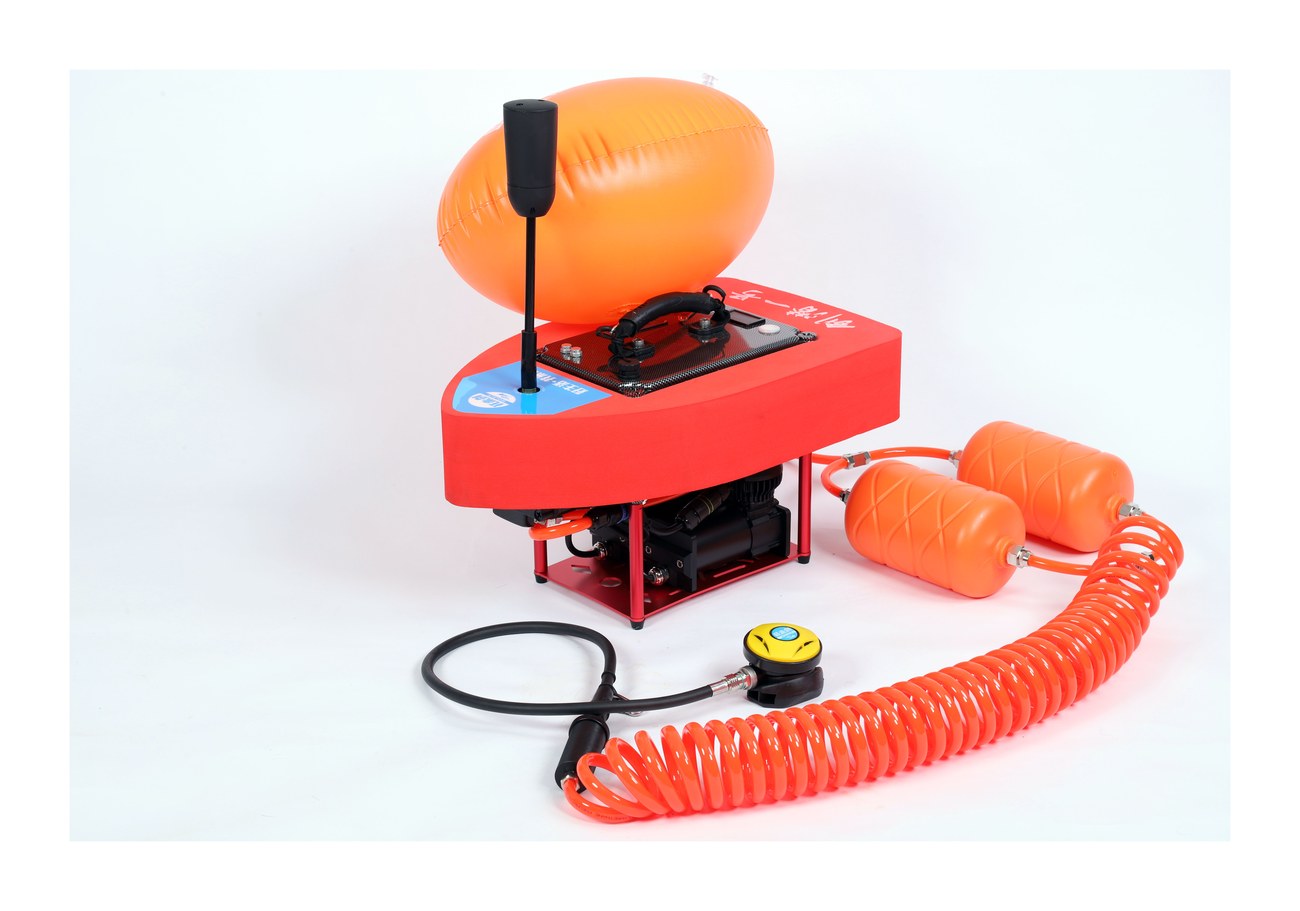
S6 vs S7 vs S9 vs S77: Which WOLACH Is Right for You?
Four models, one air path. Pick by how deep and how long you actually dive — the differences that matter are runtime, delivery and hose length, not features.