When the Hose Wraps: The Stop-Pull Rule
Almost every hose incident starts with a diver pulling harder. What to do in the first ten seconds, and the surface habit that prevents most wraps before you get in.
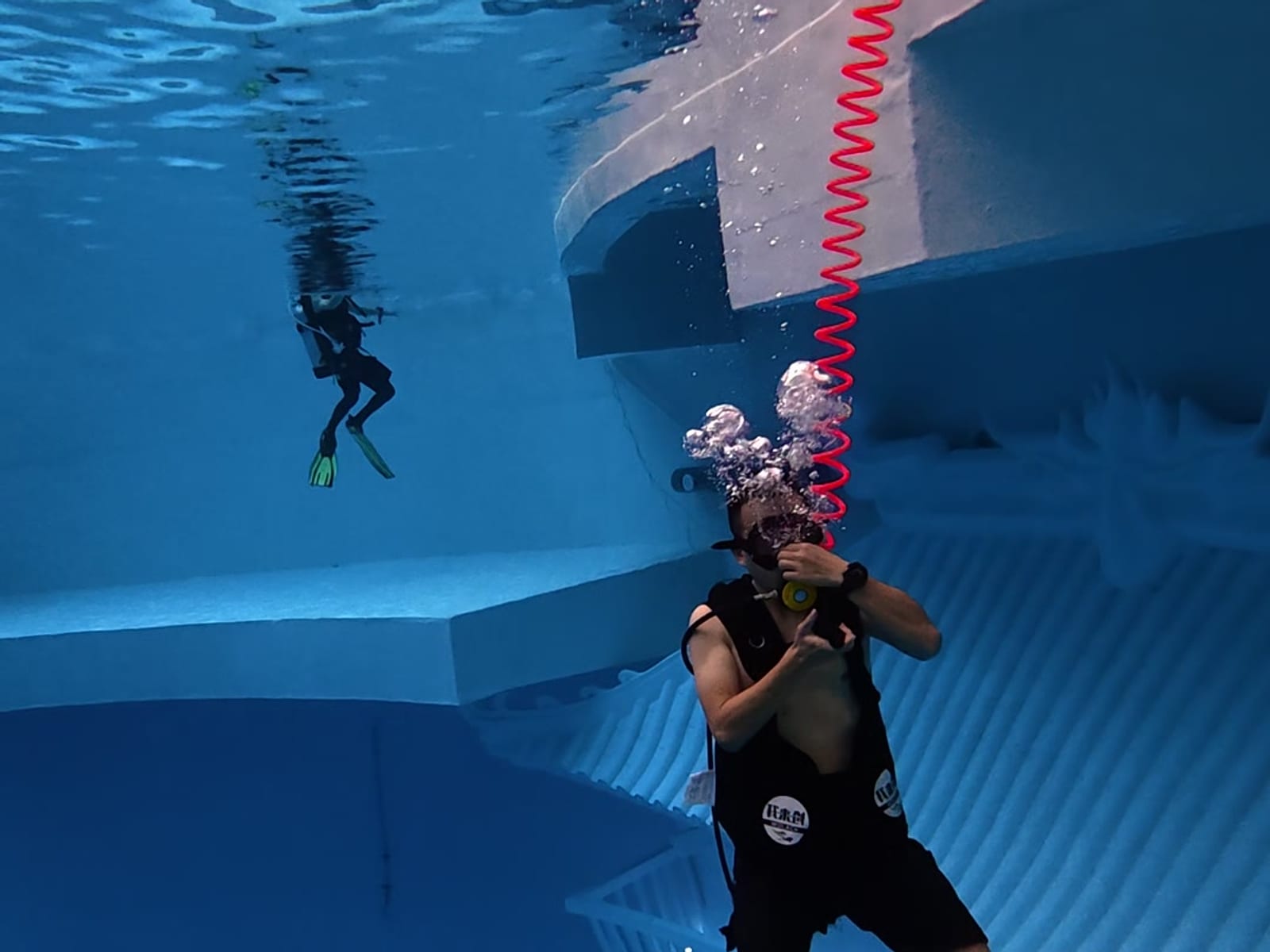
Read enough incident reports and a pattern appears in hose diving. The wrap itself is rarely the problem — hoses wrap around things constantly and most wraps come free with a gentle reversal. The problem is the first ten seconds after the diver feels the tug, because the instinct to pull is almost universal and almost always wrong. Pulling converts a loose loop into a tight one, loads the fitting at your second stage and at the surface unit, and in the worst case drags the float closer to whatever you are caught on. The single most useful rule in hose diving is two words long.
Stop, then think, then reverse
Stop pulling the moment you feel resistance that does not give. Take one breath and work out which way you last moved. Then reverse that movement slowly — the same path out that you came in by, which is almost always still open, because the hose got in that way. This reverses the wrap instead of tightening it. In the majority of cases the hose frees within a few seconds, and the diver is left wondering what the fuss was about. The skill is entirely in the first second, and it is a decision rather than a technique.

If reversing does not free it
Then go hand over hand along the hose until you reach the obstruction. This is slower, it is boring, and it is the correct answer every time. Work the hose off the way it went on — over the top of a branch, back through the gap, the direction the loop was formed. Do not lift the hose over the obstruction: a lift almost always produces a fresh loop somewhere you cannot see. And signal your buddy first. A diver seen travelling along a hose towards a snag is a diver who is being managed; a diver disappearing quietly is not.
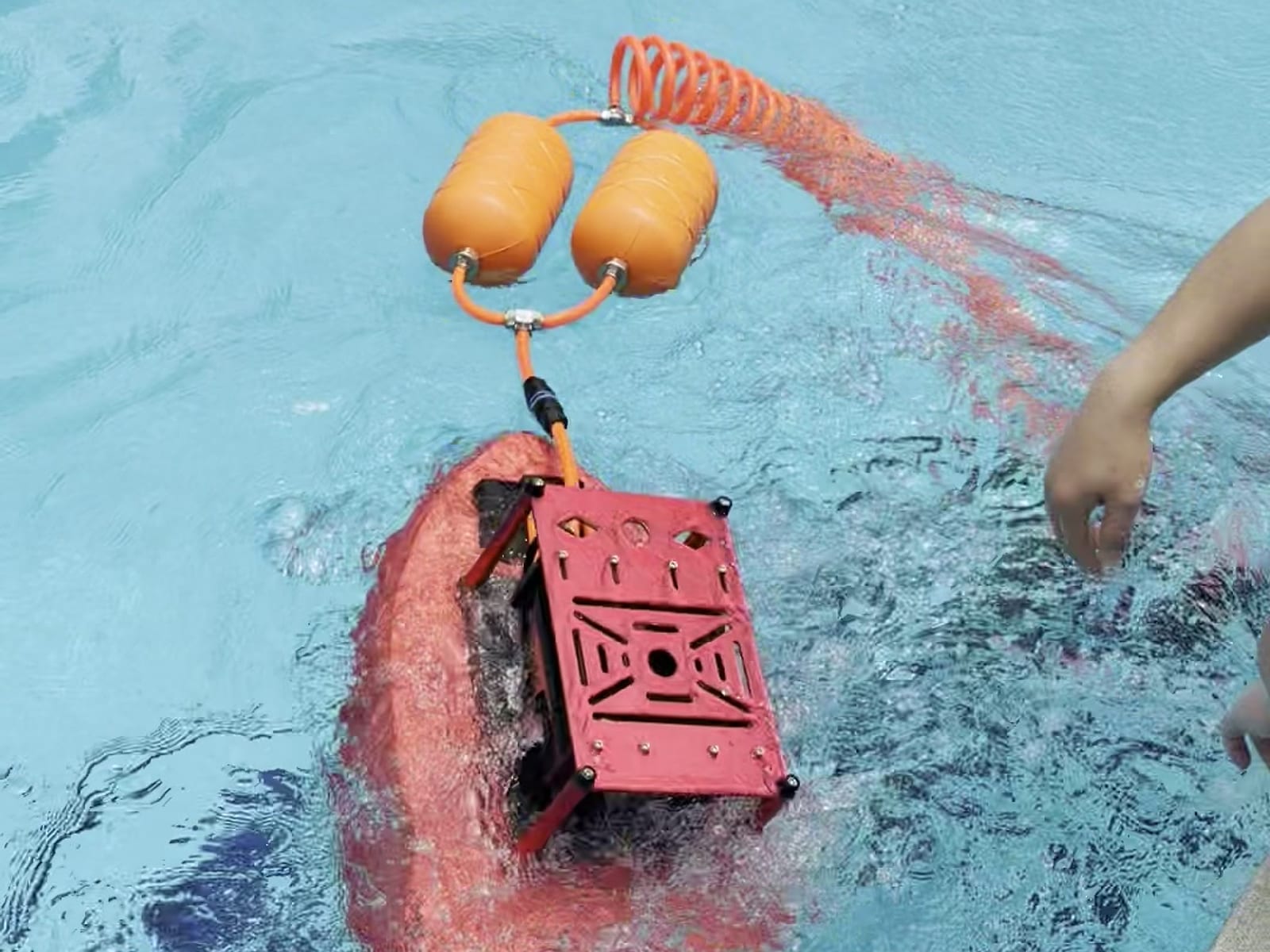
The ten-second procedure
- Stop pulling immediately — this is the whole rule
- Breathe once and identify which way you last moved
- Reverse that movement slowly, retracing your own path
- If it does not free, signal your buddy before doing anything else
- Travel hand over hand to the snag and work the hose off the way it went on
- Never lift the hose over the obstruction — that creates a new loop
- If it still will not free: stop, stay calm, and wait for your buddy to reach you
Where wraps are actually prevented
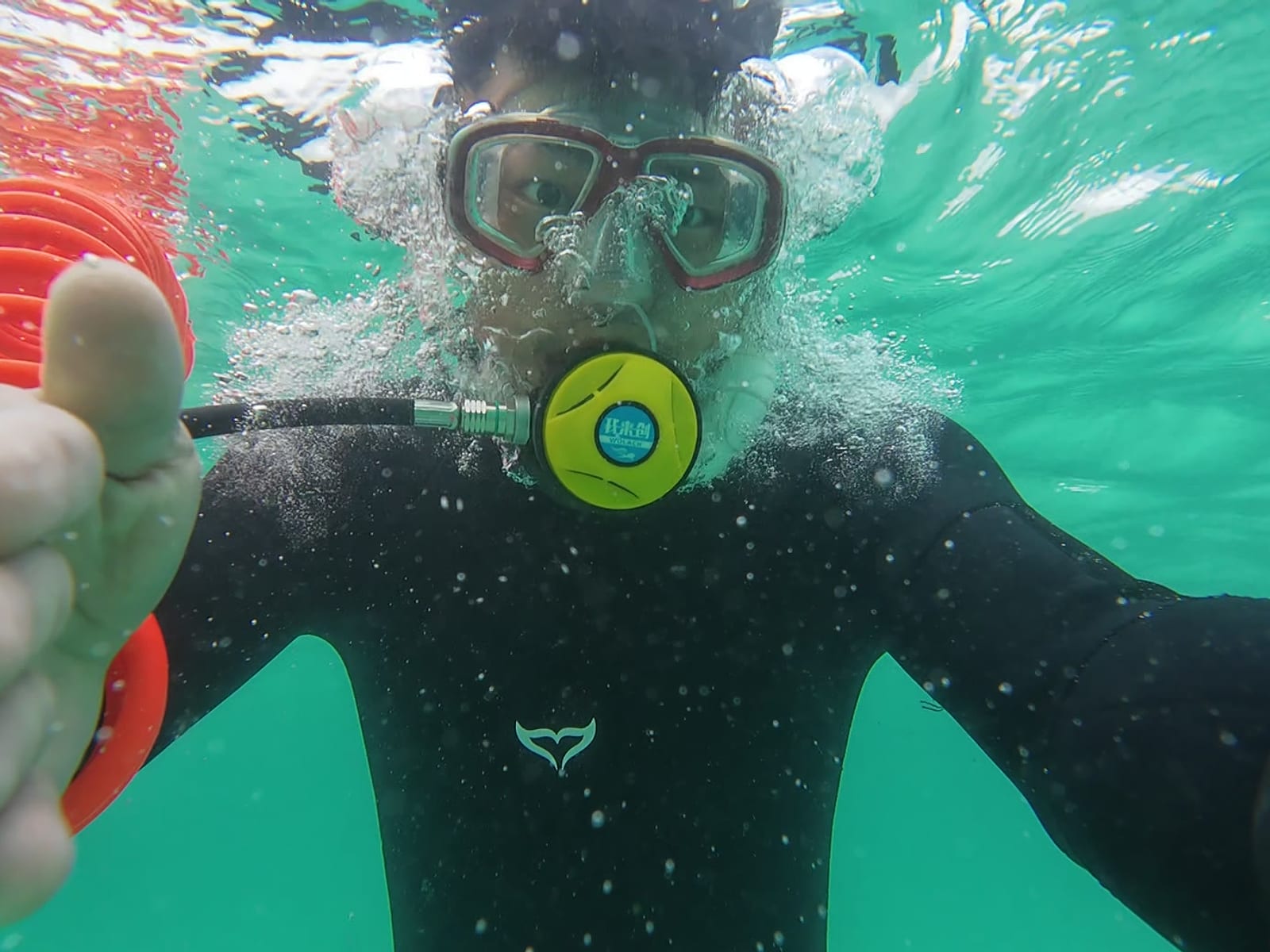
Almost every wrap was decided on the surface. A hose laid out in a figure-eight finds its own knot within a minute of you swimming. A hose routed through a gap between two rocks, or around the far side of a mooring line, was wrapped before you even descended — you simply have not arrived at the problem yet. So the prevention is unglamorous: walk the route on the surface, keep the hose behind you rather than beside you, look at it before every turn, and treat any structure you cannot see the far side of as a hard no. That is the entire technique, and it is worth more than any recovery skill.
The short version
- Stop pulling. It is the first rule and the one people break.
- Reverse your last movement slowly. That frees most wraps in seconds.
- If that fails, signal your buddy, then travel hand over hand to the snag.
- Never lift a hose over an obstruction — it makes a second loop you cannot see.
- Keep the hose behind you, not beside you, so a wrap is immediately obvious.
- Walk the route on the surface. Wraps are prevented there, not in the water.
FAQ
Do I need a diving certification?
How deep can I go?
What happens if the battery runs low?
Keep reading
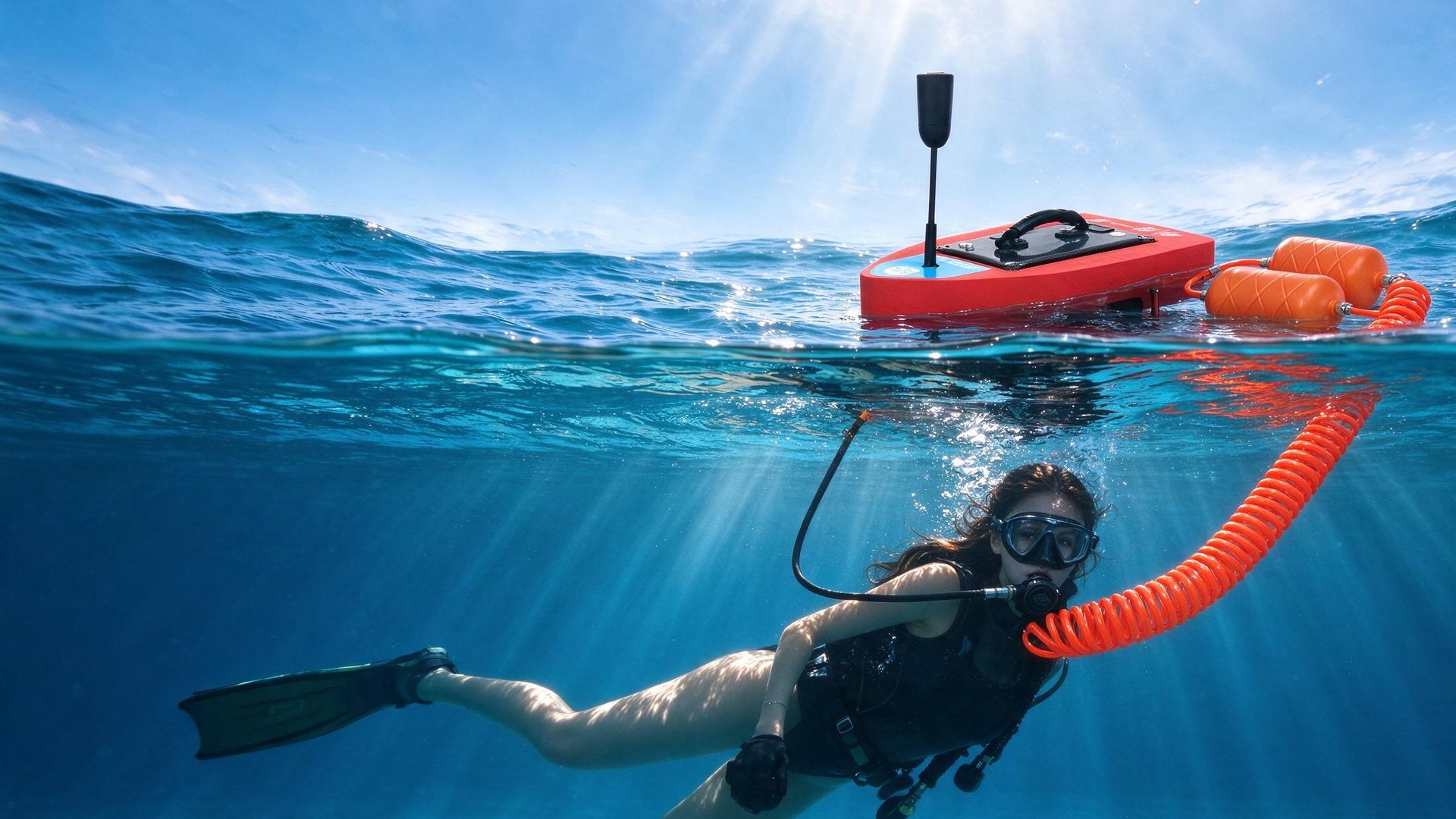
Scuba Tank vs. Tankless Hookah Diving: The Complete 2026 Comparison
Cost, bottom time, depth, safety and logistics — an honest, side-by-side look at when a surface-supply system beats a tank, and when it doesn’t.
How Deep Can You Go on a Hookah System?
Rated depth is not tested depth, and hose length is not depth at all. The three numbers people confuse, and the no-decompression limits that apply to a hose exactly as they do to a tank.
S6 vs S7 vs S9 vs S77: Which WOLACH Is Right for You?
Four machines, one air path, three numbers that decide it. How to pick by the diving you actually do rather than the depth rating you aspire to.