Invasive Species Removal: The Diving Job That Is Encouraged
Lionfish, urchins, mussels, algae. In a growing number of waters, removing certain species is not merely permitted to a hose diver — it is actively wanted.
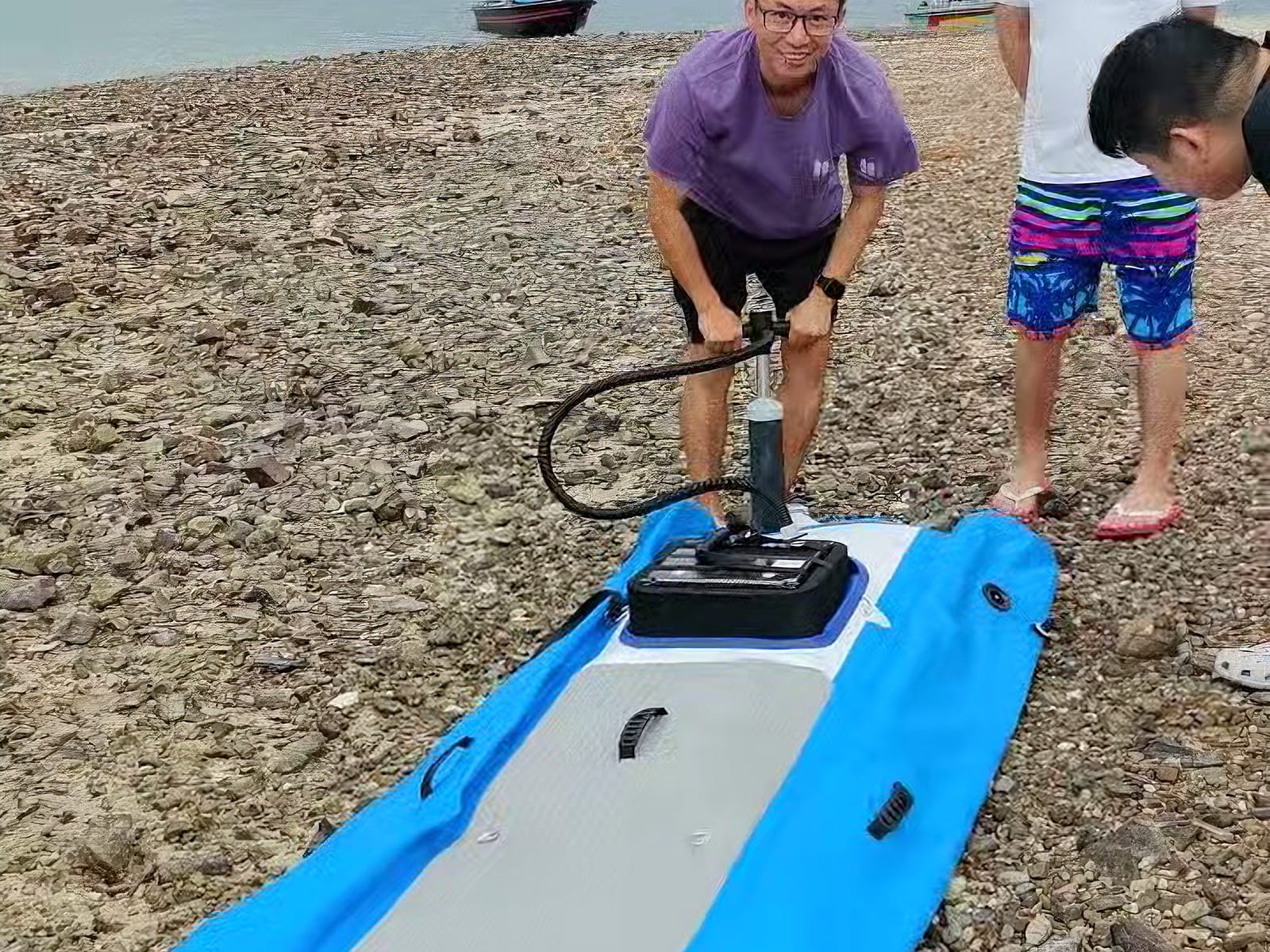
There is a quiet irony in the middle of all the regulation around spearfishing on breathing apparatus: the same authorities that prohibit harvesting fish on a hose will often issue a permit to remove an invasive species on exactly the same equipment. The reason is straightforward. A prohibition on apparatus exists because it makes harvesting too efficient; an invasive species programme exists because it wants a species harvested as efficiently as possible. For a diver looking for legitimate paid work in the water, this is the one category where the incentives point the same way.
Why the work suits surface supply
Three properties, all of which a hose has. It happens shallow — most targeted species sit in the top twenty metres, and much of the effort is between five and fifteen. It is repetitive: a removal dive is a sweep of a defined area, and the results are counted in individuals rather than in photographs. And it benefits from time: the constraint on a removal dive is not gas but how long you can spend searching carefully, which is exactly the constraint a hose removes. Divers on scuba in a removal programme are often limited to the easiest sites because the harder ones take more time than a cylinder allows.
How the permits usually work
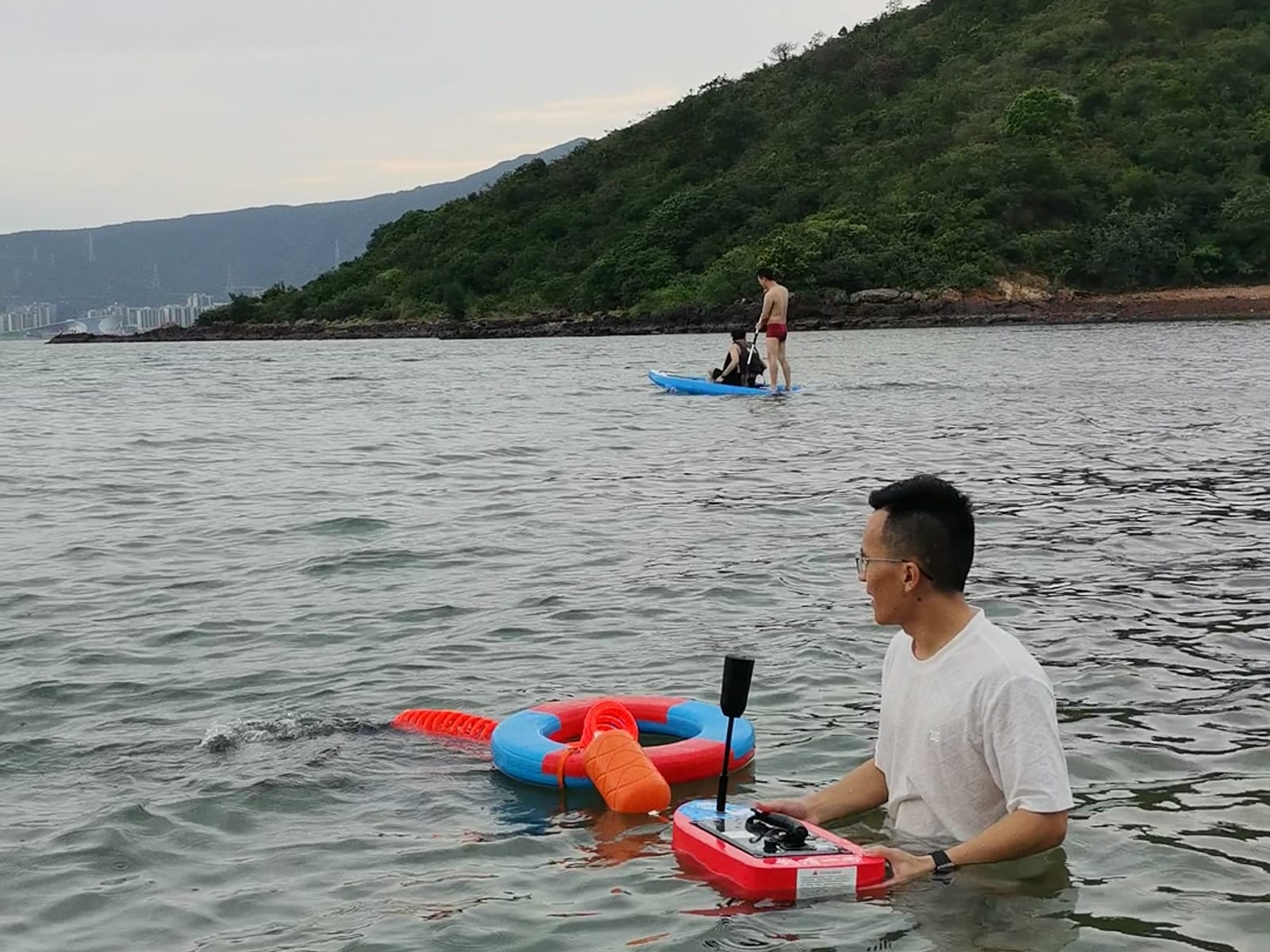
Nearly always through the fisheries or conservation authority rather than a general dive permit, and nearly always for a named species in a named area. Some jurisdictions issue an individual permit; others run a programme that divers join, with training, reporting and a collection point. The conditions vary enormously: some require a specific capture method, some require reporting locations to a database, some require you to retain and hand over specimens, and a few restrict the equipment in ways that exclude a hose. The only safe approach is the same one that applies to spearfishing — ask the authority in writing for the specific water.
What the good programmes ask for
- Species confirmed against a reference — misidentification is the most common compliance failure
- Location recorded to a usable accuracy, not "the reef"
- Counts and approximate size range per site
- Method recorded, because some methods are licensed and others are not
- Specimens handled as the programme requires: retained, reported, or released
- A dated record you can produce, because programmes are audited
Why this can be a business rather than a hobby
Three revenue lines sit on top of each other in a well-run programme. The removal work itself, which some authorities or reef management bodies will pay for. The commercial sale of certain species — lionfish in particular have a market, which is the cleanest possible incentive structure. And the survey data, because a diver who is already sweeping a site can record what else is there, and that is information somebody wants. The operators who make this work are the ones who treat it as documentation rather than as hunting: they show up, they log properly, and they get invited back for the next round.
The part that is not about the catch
Invasive removal has a failure mode that recreational hunting does not: removing the wrong thing. Some programmes target a species that has a lookalike, and a diver who clears a patch of the native species has done more damage than the invasive one would have. This is why the reference training exists and why it is not optional. The other failure is technique: a removal method that breaks the structure you are working on leaves a site worse off than the species did. Slow and careful beats efficient and destructive, and in a programme with reporting, it is also the version that gets renewed.
The short version
- Invasive removal is the one fishing-adjacent job where a hose is usually welcome rather than restricted.
- Ask the fisheries or conservation authority in writing, for that species and that water.
- It suits surface supply: shallow, repetitive, and limited by time rather than by gas.
- Reporting is usually the condition that matters. Locations, counts, method, dates.
- Misidentification is the common compliance failure. Training is not optional.
- Three revenue lines: the removal work, the commercial sale where allowed, and the survey data.
FAQ
Do I need a diving certification?
How deep can I go?
What happens if the battery runs low?
Keep reading
Scuba Tank vs. Tankless Hookah Diving: The Complete 2026 Comparison
Cost, bottom time, depth, safety and logistics — an honest, side-by-side look at when a surface-supply system beats a tank, and when it doesn’t.
How Deep Can You Go on a Hookah System?
Rated depth is not tested depth, and hose length is not depth at all. The three numbers people confuse, and the no-decompression limits that apply to a hose exactly as they do to a tank.
S6 vs S7 vs S9 vs S77: Which WOLACH Is Right for You?
Four machines, one air path, three numbers that decide it. How to pick by the diving you actually do rather than the depth rating you aspire to.