Marina and Pontoon Maintenance
Docks, pontoons, chains and piles. Shallow, repetitive, endlessly postponed work — which is exactly why it is the best kind of job for a hose.

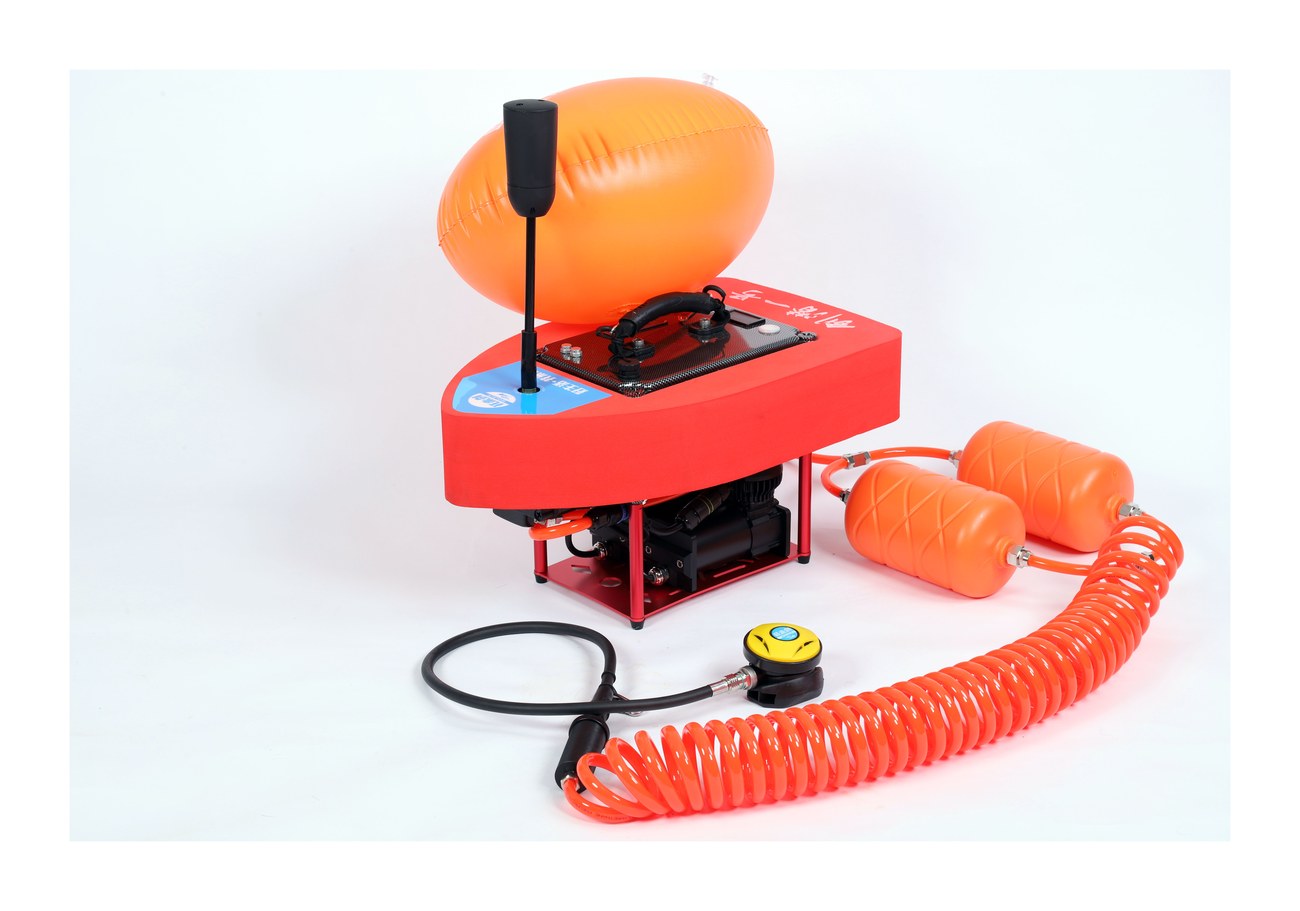
Marina work has an unusual property: almost all of it is urgent and almost none of it is scheduled. Piles get inspected when something looks wrong from above, chains get looked at when a pontoon starts leaning, anodes get replaced when the neighbouring boat’s diver mentions it in passing. The result is a large amount of shallow, repetitive, fiddly work that nobody wants to book a scuba trip for — and that is precisely the shape of job a surface-supply system is built for. Two metres of water, ninety minutes of work, one entry.
The work you will actually be asked to do
- Pile inspection: marine borers, spalling, corrosion at the waterline and at the mud line
- Chain and shackle checks, including the buried section where it matters most
- Anode replacement on piles, pontoons and neighbouring hulls
- Clearing fouling from floats, fenders, ladders and the underside of pontoons
- Recovering dropped equipment: keys, phones, tools, the occasional outboard cover
- Servicing moorings and pick-up buoys, which is where the season’s failures actually start
Why a hose wins at a marina
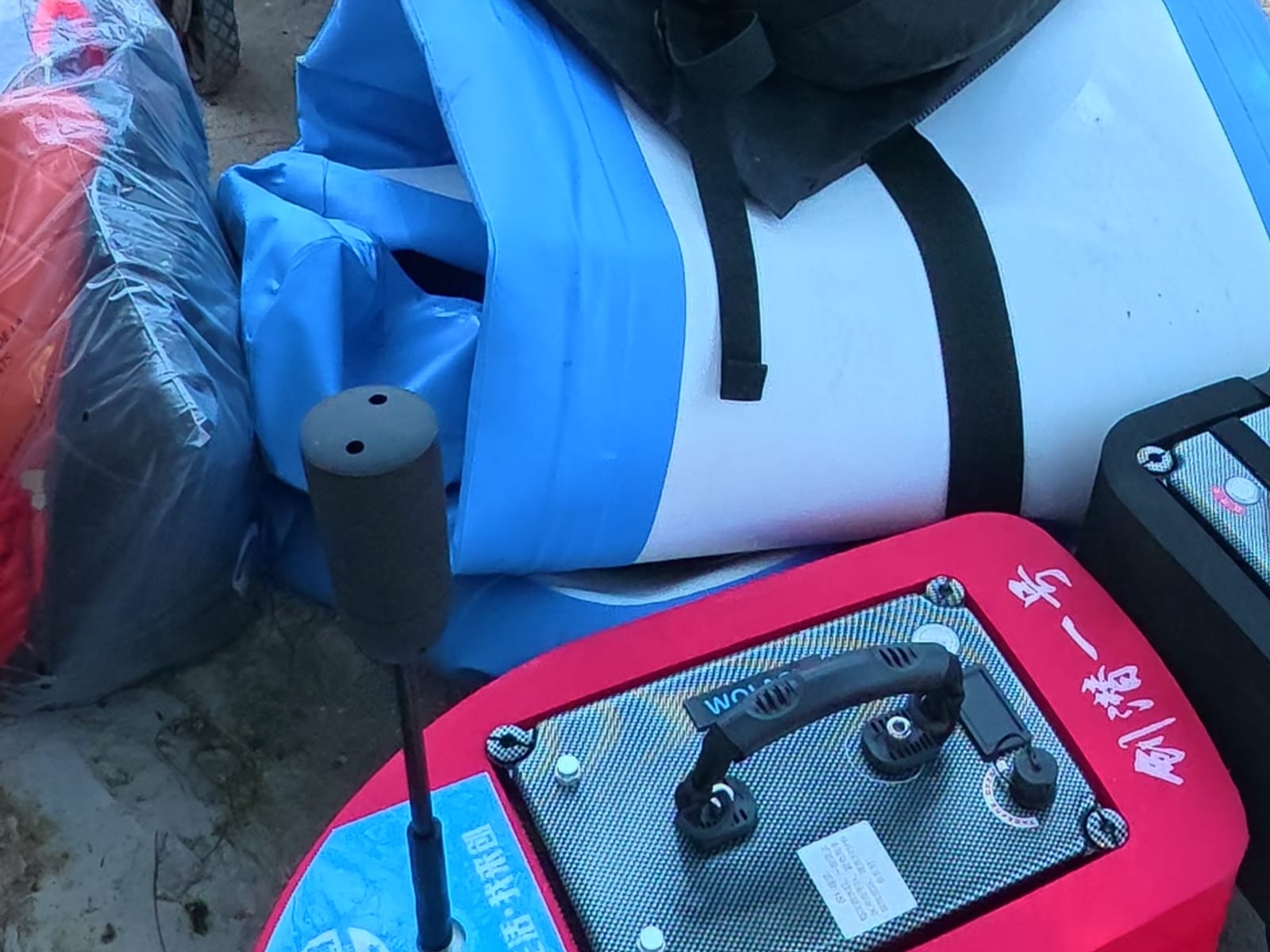
Three reasons, none of which is about depth. The surface unit can be lifted onto the very pontoon you are working under, so the hose runs down a structure rather than across open water. The work is short and frequent, so the cost of kitting up on scuba dominates the job. And the diver is always within a few metres of the surface, which means the whole dive is done inside the range where a hose is at its most comfortable. The one thing that does not scale down is the hazard list, which at a berth is longer than at any natural site.
The berth hazard list
Electricity is the one people forget. Shore power, pump-out systems and underwater lighting all mean an electrical fault in the water is possible, and the standard advice is to have the supply isolated at the pedestal rather than at the boat. Then the mechanical list: propellers, which are powered until the owner proves otherwise in front of you; mooring lines and springs, which are loaded; and the pontoons themselves, which move with every wake and can trap a hose between float and pile. Work the lee side of the pontoon, keep one hand on structure you have already checked, and never put any part of yourself between a float and a pile.
Tidal range decides the schedule
The single planning input that matters at a marina is the tide table. A job that needs the mud line is only possible at low water, and one that needs the underside of a pontoon is easiest at high. Slack water is when you work, because a berth with a running tide has current funnelled between pontoons in a way that will drag a float and load a hose while you are working on something that does not move. Check the range, check the timing, and if the window is an hour long, plan a one-hour job.
The short version
- Marina work is shallow, repetitive and constantly postponed — which is exactly what a hose is for.
- Lift the unit onto the pontoon and run the hose down structure, never across open water.
- Have shore power isolated at the pedestal before you enter the water.
- Never put yourself between a float and a pile. Pontoons move with every wake.
- Plan around the tide: low water for the mud line, high water for pontoon undersides, slack for the work.
- Recovering dropped phones is a real revenue line. Carry a mesh bag and charge for it.
FAQ
Do I need a diving certification?
How deep can I go?
What happens if the battery runs low?
Keep reading
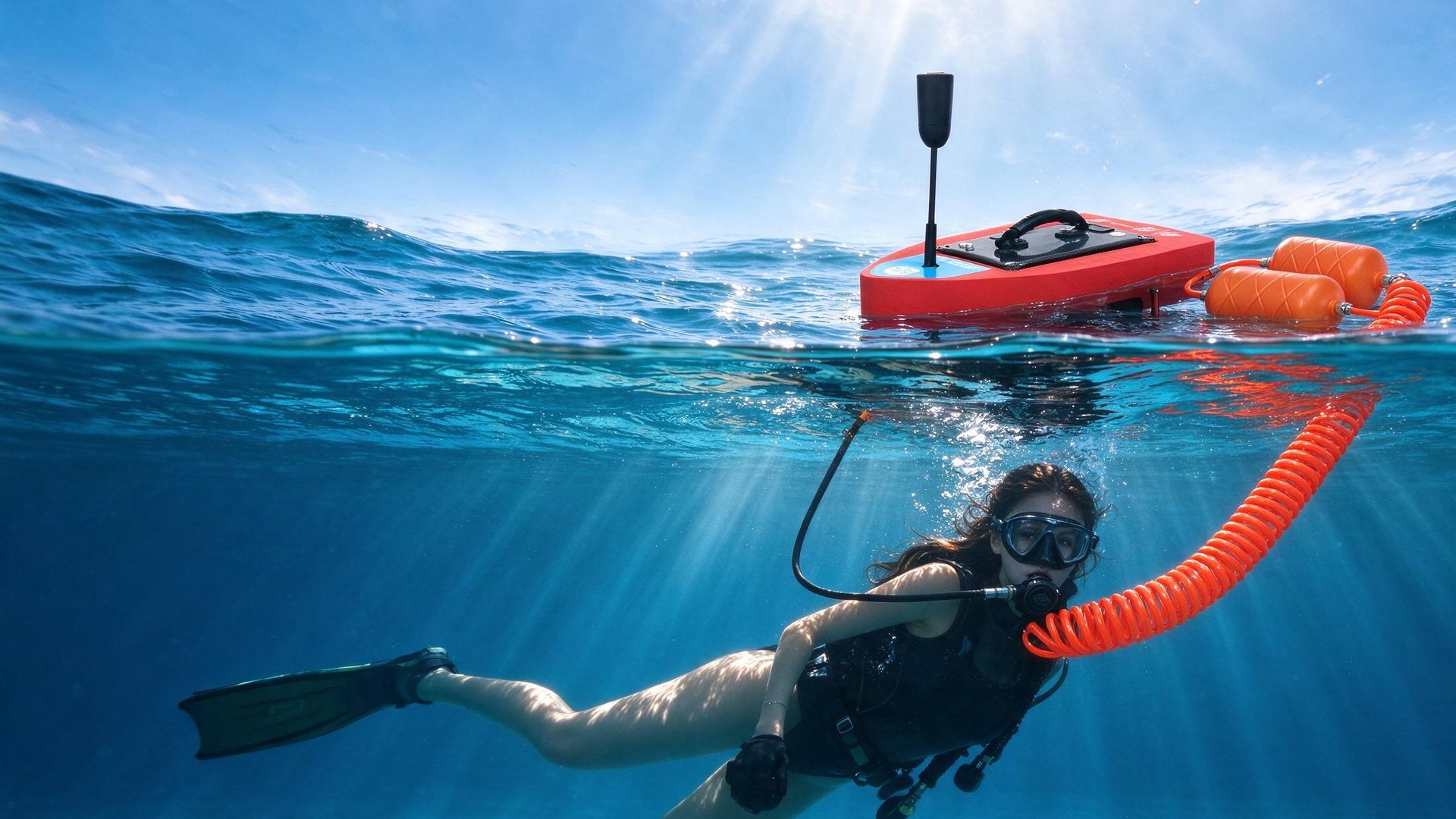
Scuba Tank vs. Tankless Hookah Diving: The Complete 2026 Comparison
Cost, bottom time, depth, safety and logistics — an honest, side-by-side look at when a surface-supply system beats a tank, and when it doesn’t.

How Deep Can You Go on a Hookah System?
Rated depth is not tested depth, and hose length is not depth at all. The three numbers people confuse, and the no-decompression limits that apply to a hose exactly as they do to a tank.
S6 vs S7 vs S9 vs S77: Which WOLACH Is Right for You?
Four machines, one air path, three numbers that decide it. How to pick by the diving you actually do rather than the depth rating you aspire to.