Nanyou in April: A Full Day of Testing Two Machines Back to Back
An S6 and an S9, the same lane, the same divers, the same afternoon. What actually differs when you stop comparing specifications and start comparing breaths.
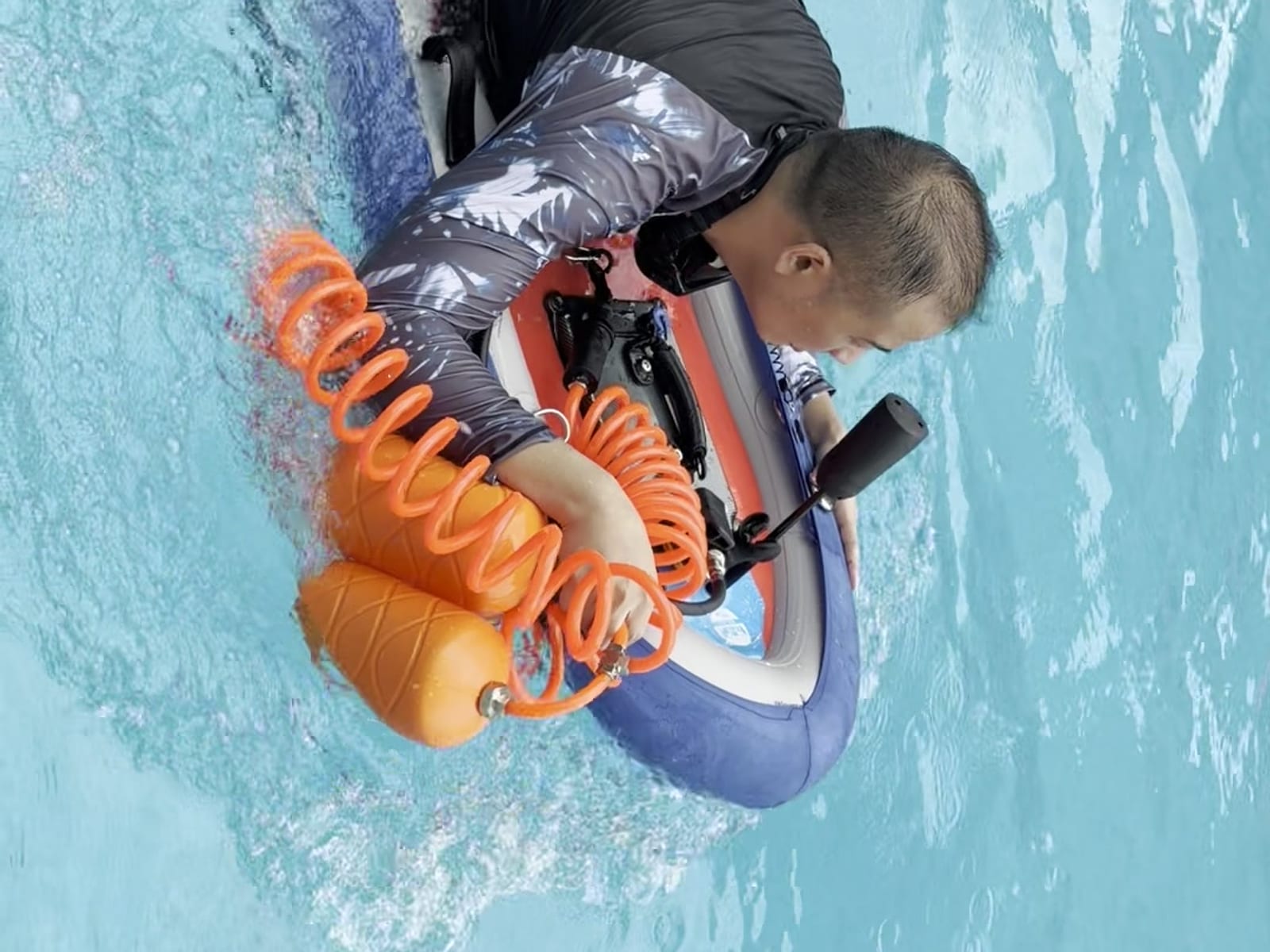
- Max depth · 3 m
- Bottom time · 132 min
- Water temp · 28 °C
- Visibility · 18 m
- System · WOLACH S6 & S9
- Dived · Apr 27, 2026
The comparison everyone asks for is a specification table, and the comparison worth having is four divers swapping machines in the same lane on the same afternoon and describing the difference without looking at any numbers. That is what this day was. An S6 and an S9, two and a bit hours, alternating, with the only rule being that nobody was told which machine was on the hose until after they had described it.
What people noticed first
Not depth and not airflow — the breathing effort, and specifically the effort at the start of a breath. The S9 was described consistently as "easier to start" and the S6 as "you have to ask it". Nobody could tell them apart once a breath was underway, and nobody mentioned noise at all. That is a much more useful description of the difference between the two models than a litres-per-minute figure, and it maps onto what the numbers actually mean: a higher delivery rating mostly shows up as the machine giving you air slightly sooner, not as the air being different.
Where the S6 held up completely
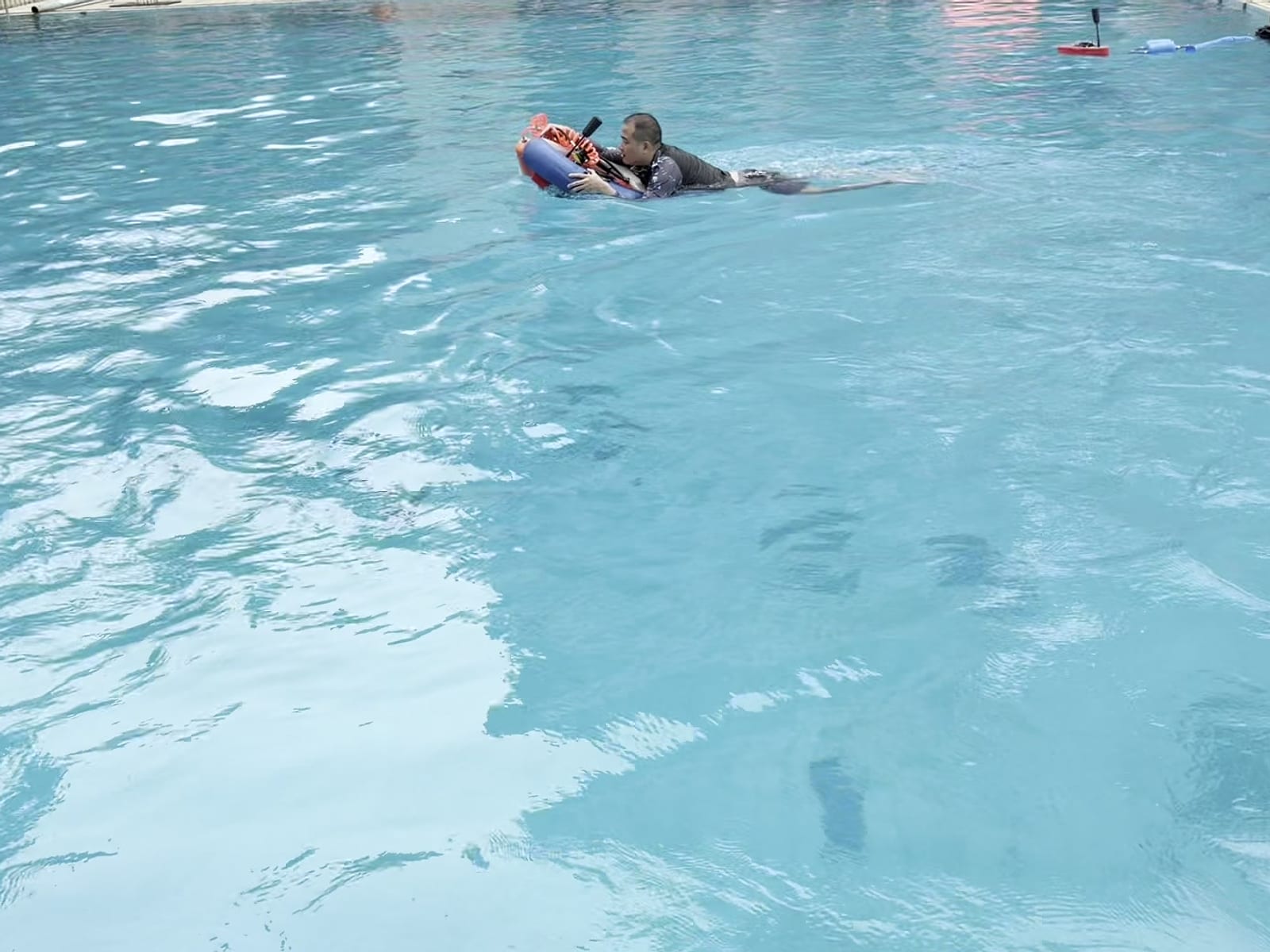
At three metres, working hard, for half an hour at a time, four different divers could not distinguish between them on any measure other than the initial effort of a breath. Air consumption across the group did not differ usefully between the machines. This is worth recording because it is the argument against overbuying: if the difference is imperceptible at three metres and small at eight, then the case for the bigger machine has to come from depth and runtime rather than from a feeling in the water.

And where it would not
Two places, both predictable and both worth saying plainly. At depth, the delivery margin of the larger machine is what keeps the breathing effort flat as ambient pressure rises — a diver will notice it at twelve metres, and will notice it more as a filter ages. And over a full working day, runtime is the difference between one entry and two, which at a commercial site is the only number that matters. So the honest summary is that a pool comparison is a good test of comfort and a poor test of capability, and anyone buying on the strength of a pool session alone should know which of those they are measuring.
What we would do differently
- Blind the comparison properly. Telling people which machine is running biases the answer
- Describe the effort to start a breath, not the air itself. That is where the difference lives
- Do the same test at twelve metres before drawing conclusions about capability
- Record air consumption per diver per machine. It is the only objective number in a pool day
Keep reading
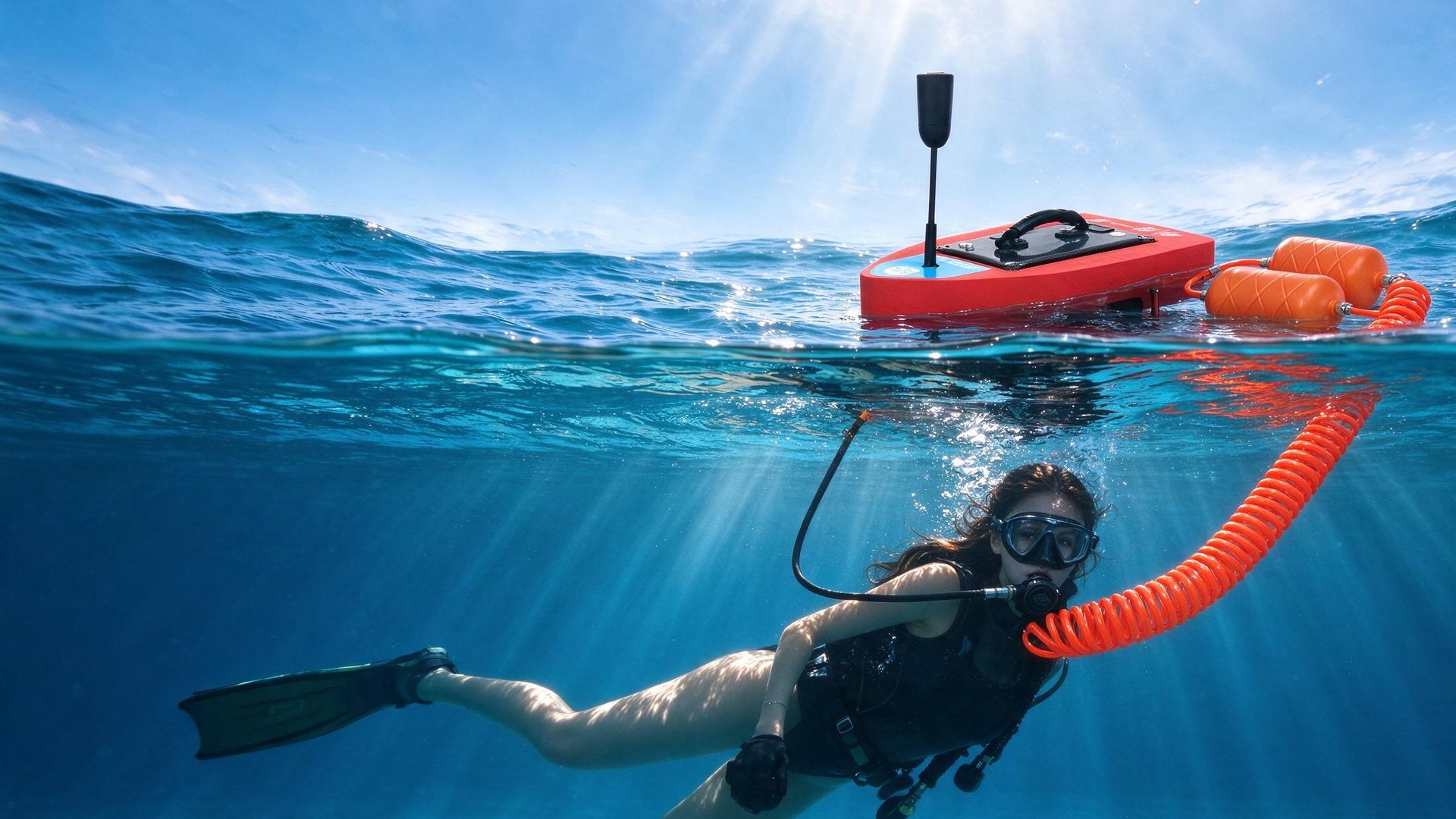
Scuba Tank vs. Tankless Hookah Diving: The Complete 2026 Comparison
Cost, bottom time, depth, safety and logistics — an honest, side-by-side look at when a surface-supply system beats a tank, and when it doesn’t.
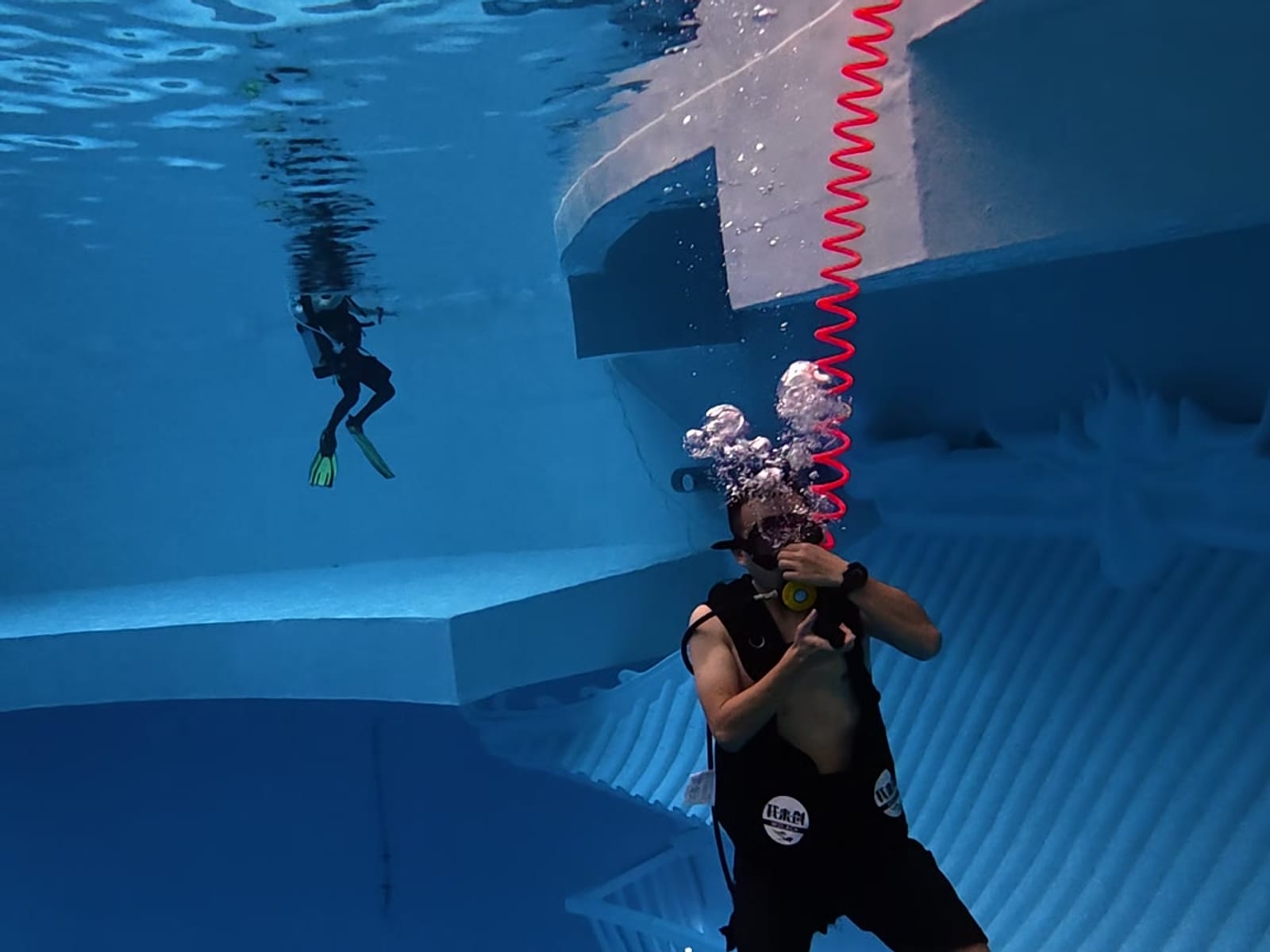
How Deep Can You Go on a Hookah System?
Rated depth is not tested depth, and hose length is not depth at all. The three numbers people confuse, and the no-decompression limits that apply to a hose exactly as they do to a tank.
S6 vs S7 vs S9 vs S77: Which WOLACH Is Right for You?
Four machines, one air path, three numbers that decide it. How to pick by the diving you actually do rather than the depth rating you aspire to.