Five Open Water Skills That Carry Straight Over
Your OW course is not wasted on a hookah. Five of its skills transfer unchanged, one habit has to be deliberately dropped, and only three things are genuinely new.
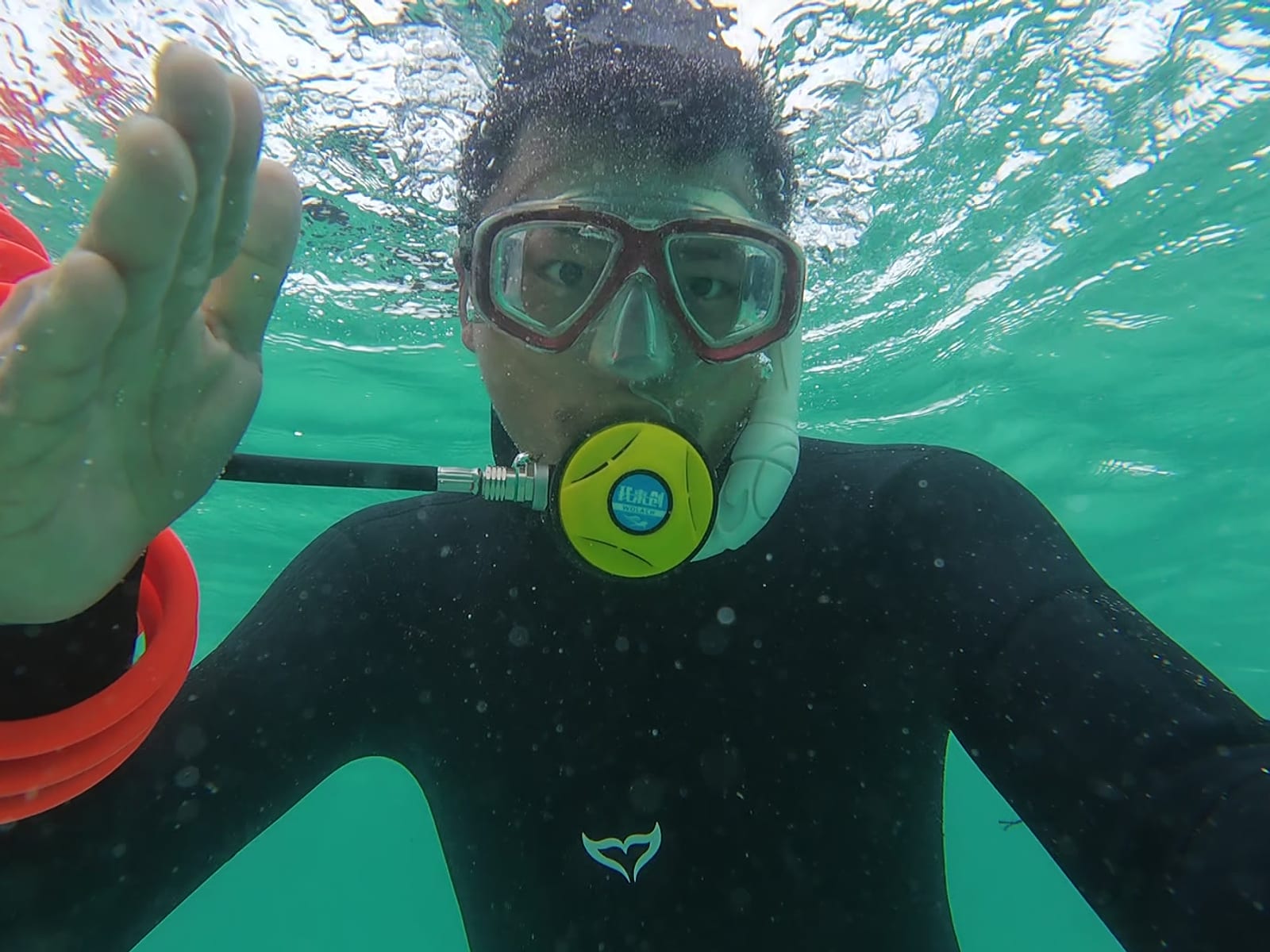
There is a persistent idea that surface-supply diving is a separate sport with its own course, its own skills and its own set of rules. It is not, and the industry has spent a long time making it sound more complicated than it is. Surface supply is a way of delivering air, not a different physics. Pressure, gas absorption, ascent rate, mask skills, buoyancy control and buoy handling behave identically whether the gas arrives from a cylinder on your back or a compressor floating above you. If you hold an Open Water certification, you already own most of what a hose dive requires, and the honest list of things you have to add is short enough to fit on a card.
What transfers with no adjustment at all
Mask clearing and mask removal are the same skill with the same procedure, and the fact that you are breathing through a hose rather than a tank changes nothing about either. Neutral buoyancy is arguably easier without a cylinder to manage. Navigation is easier, because in most hose diving the float is a visible reference and you can find your way back by following your own hose. And the ascent discipline you learned — slow, controlled, no breath holding — is exactly as mandatory here as it was on scuba, which is to say completely.
The one habit you have to deliberately drop
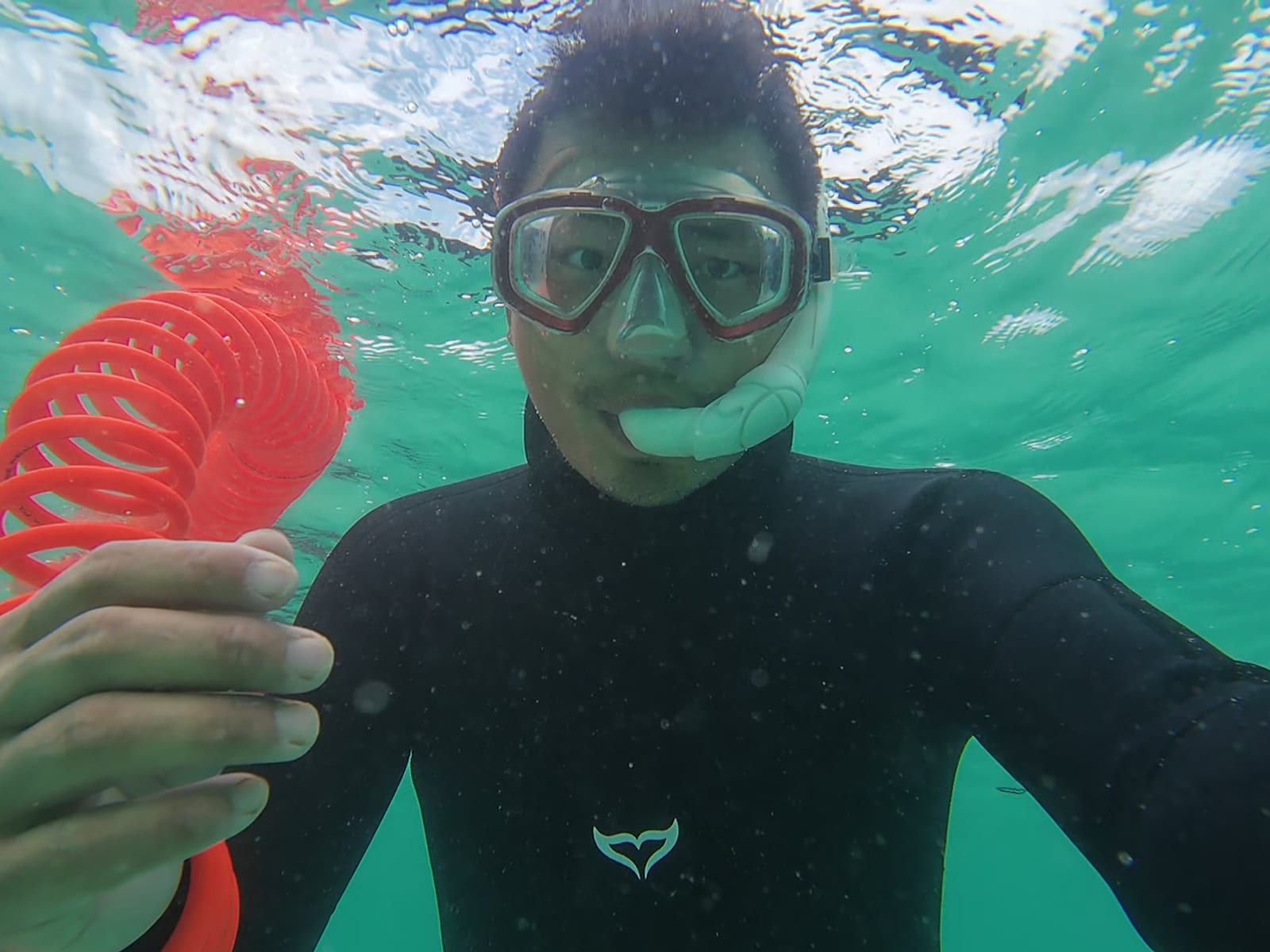
Gas management. Your course drilled a loop into you: check the pressure gauge, plan around a reserve, and turn the dive on a number rather than on a feeling. That loop is genuinely useful on a tank and actively unhelpful on a hose, because there is no number. Divers who keep looking for one tend to invent something — either a false sense of unlimited supply, or an anxious, invented reserve that ends dives early. The replacement is not a number, it is a check: instead of looking at a gauge, look at the hose and at the float. Same moment in the dive, same rhythm, different thing to look at.
Transfers unchanged
- Mask clear and mask removal — the same skill, the same procedure
- Neutral buoyancy and hovering — easier without a cylinder to manage
- Navigating back to a starting point — easier, because the float is visible
- Ascent rate control on every ascent, without exception
- Buddy communication, hand signals and the pre-dive brief
What is genuinely new
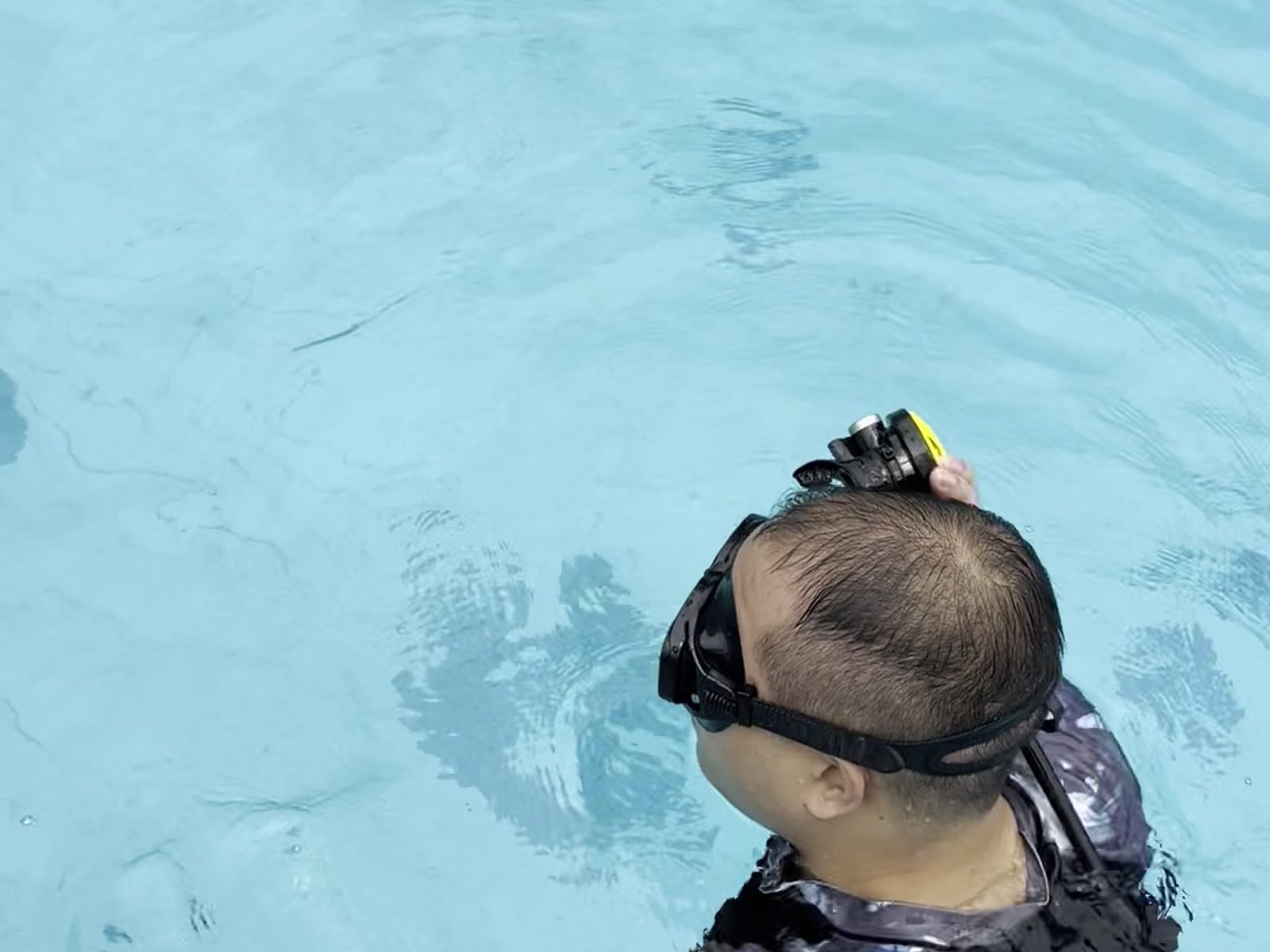
Three things, and only three. Hose management, which is a physical skill no scuba course touches because a cylinder has no equivalent. Surface-team communication, which replaces the self-contained assumption of tank diving — you now have people above you who are part of the dive and who need to be told things. And redundancy: on scuba your backup plan is a finite reserve and a direct ascent. On a hose it is a small cylinder on your harness plus a surface team, and both have to be checked rather than assumed. Those three are worth a dedicated session. Everything else is time in the water building the same familiarity you already have on a tank.
How long the conversion actually takes
For a diver with recent, comfortable open water experience, the practical conversion is a pool session and a supervised open-water dive — not a course. The pool session exists to sort buoyancy without a cylinder and to rehearse the hose turns; the open-water dive exists to find out how the hose behaves with a current and a real exit. After those two, the remaining improvement is simply time in the water, exactly as it was when you first learned to dive. The people who struggle are rarely short of skill. They are divers who have not been in the water for a year, and for them the conversion is really an update, not a conversion.
The short version
- Surface supply is a way of delivering air, not a different sport.
- Mask skills, buoyancy, navigation and ascent discipline all transfer unchanged.
- Drop the pressure-gauge loop. Replace it with a hose-and-float check at the same moment in the dive.
- Only three things are new: hose management, surface communication, and a harness-mounted redundancy plan.
- With recent open water experience, the conversion is one pool session and one supervised dive.
FAQ
Do I need a diving certification?
How deep can I go?
What happens if the battery runs low?
Keep reading
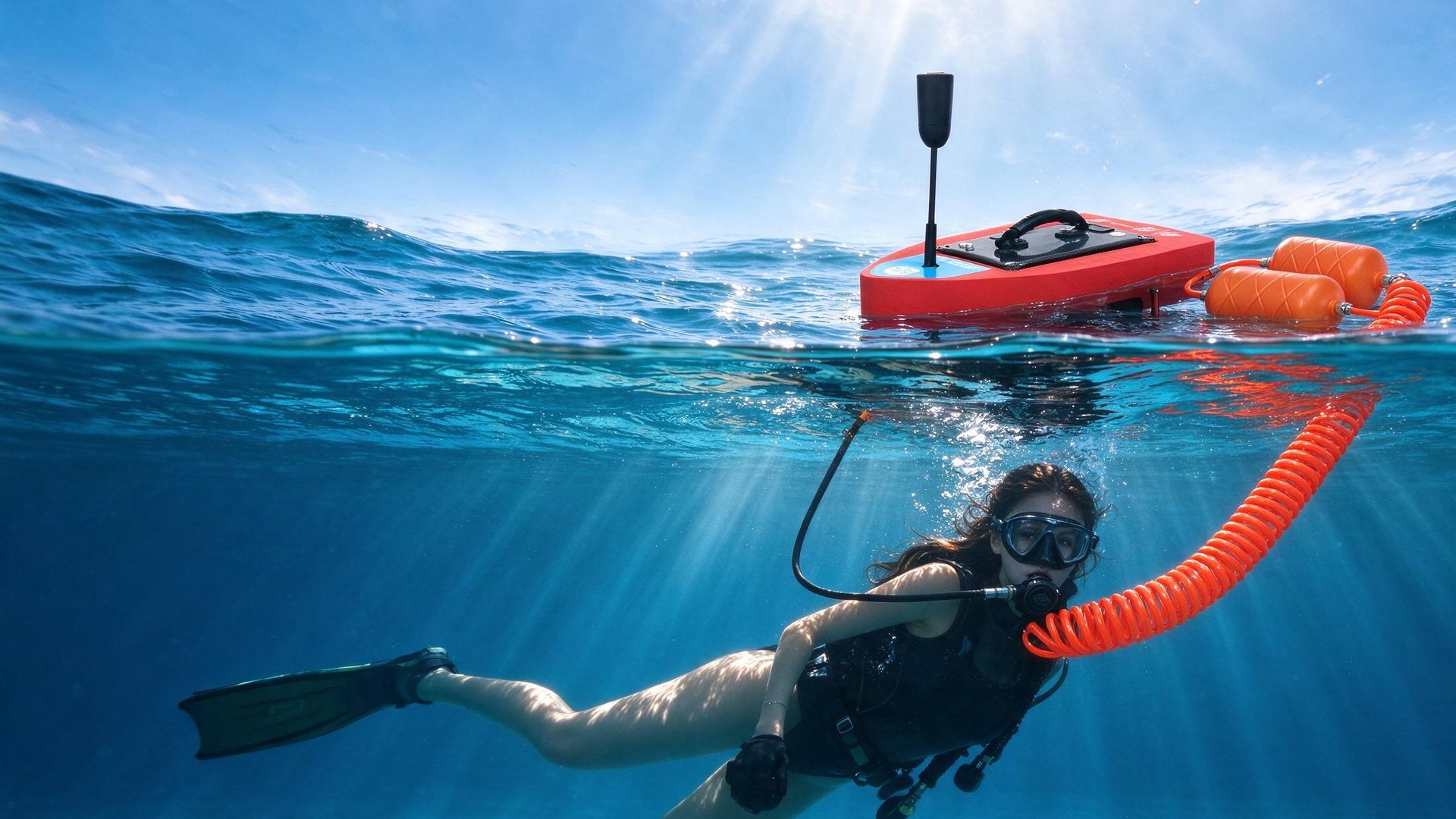
Scuba Tank vs. Tankless Hookah Diving: The Complete 2026 Comparison
Cost, bottom time, depth, safety and logistics — an honest, side-by-side look at when a surface-supply system beats a tank, and when it doesn’t.
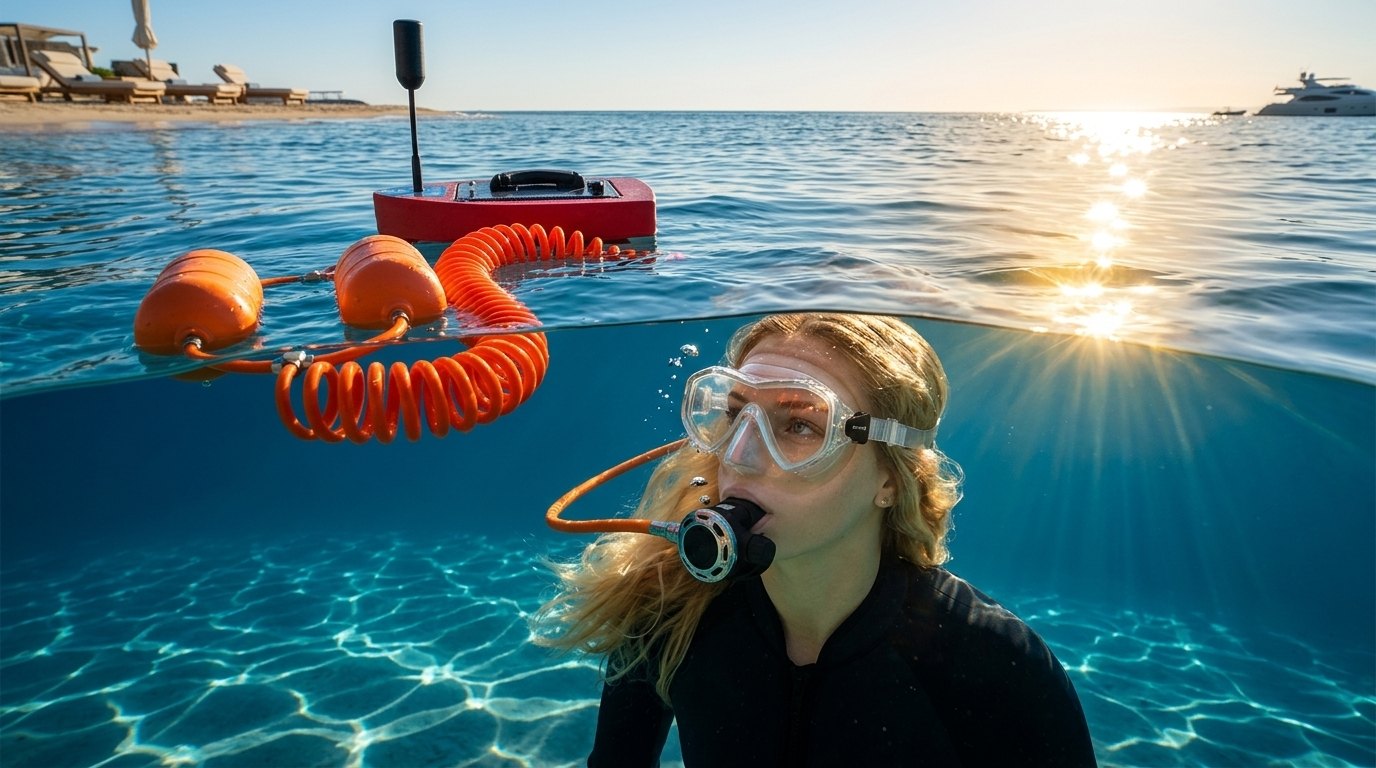
How Deep Can You Go With a Hookah Diving System?
Rated depth vs. tested depth, why hose length is not depth, and the no-decompression limits that still apply.
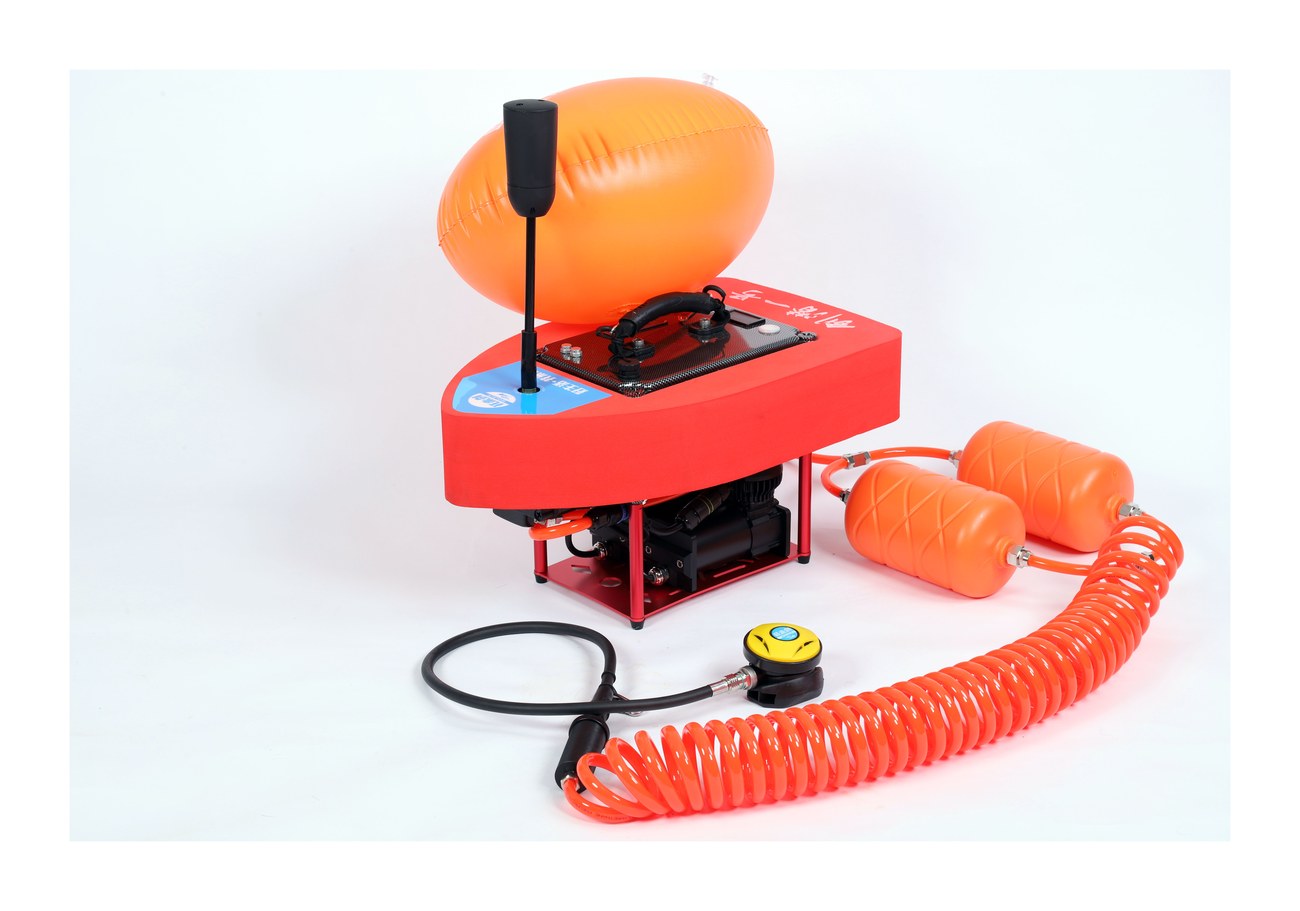
S6 vs S7 vs S9 vs S77: Which WOLACH Is Right for You?
Four models, one air path. Pick by how deep and how long you actually dive — the differences that matter are runtime, delivery and hose length, not features.