Quanmin Pool: Four First-Timers and One Machine
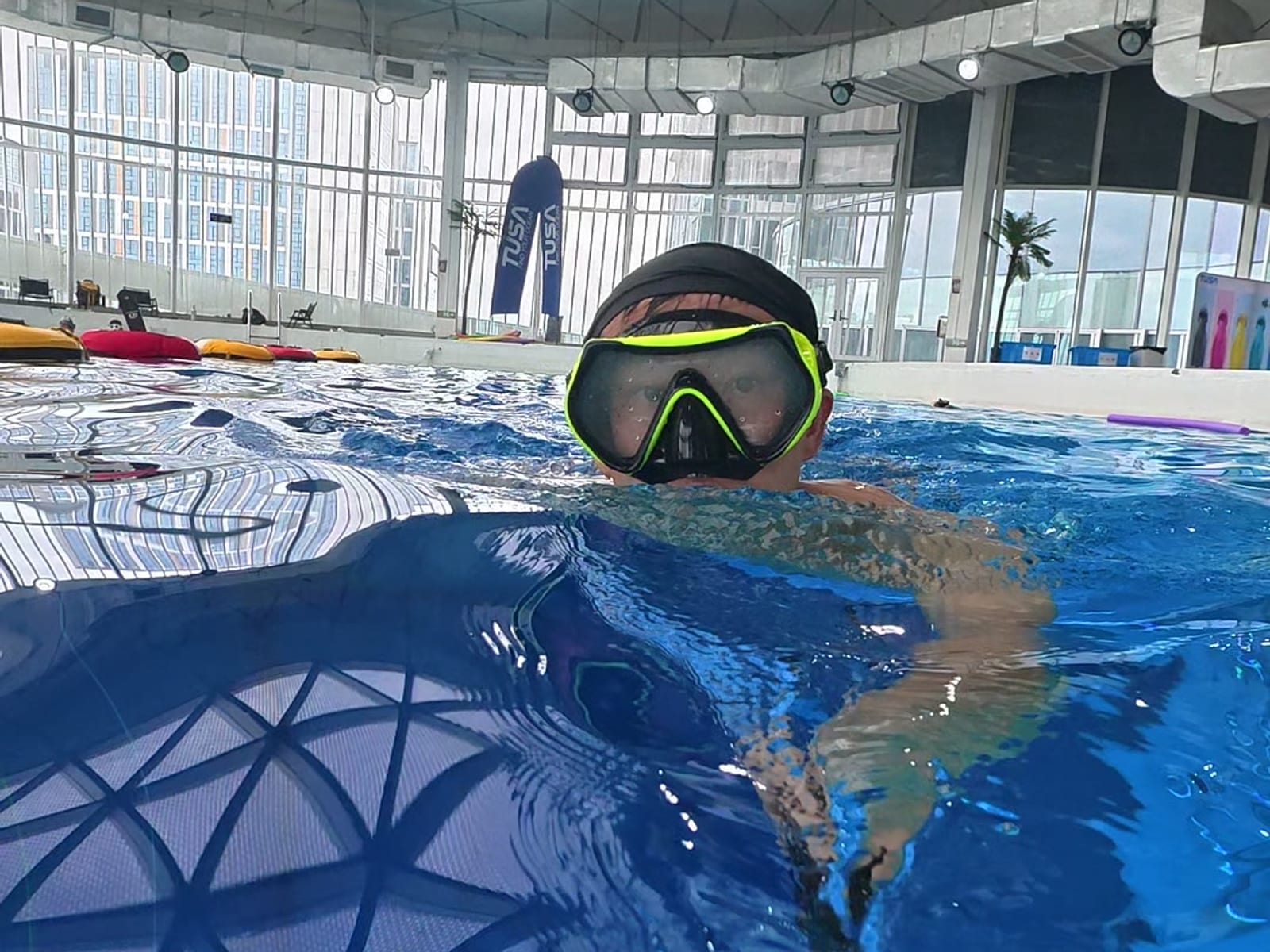
Two hours, four people who had never breathed underwater, and an interesting problem in rotating a single hose between them without anybody waiting around.
- Max depth · 3 m
- Bottom time · 115 min
- Water temp · 27 °C
- Visibility · 15 m
- System · WOLACH S9
- Dived · Aug 26, 2026
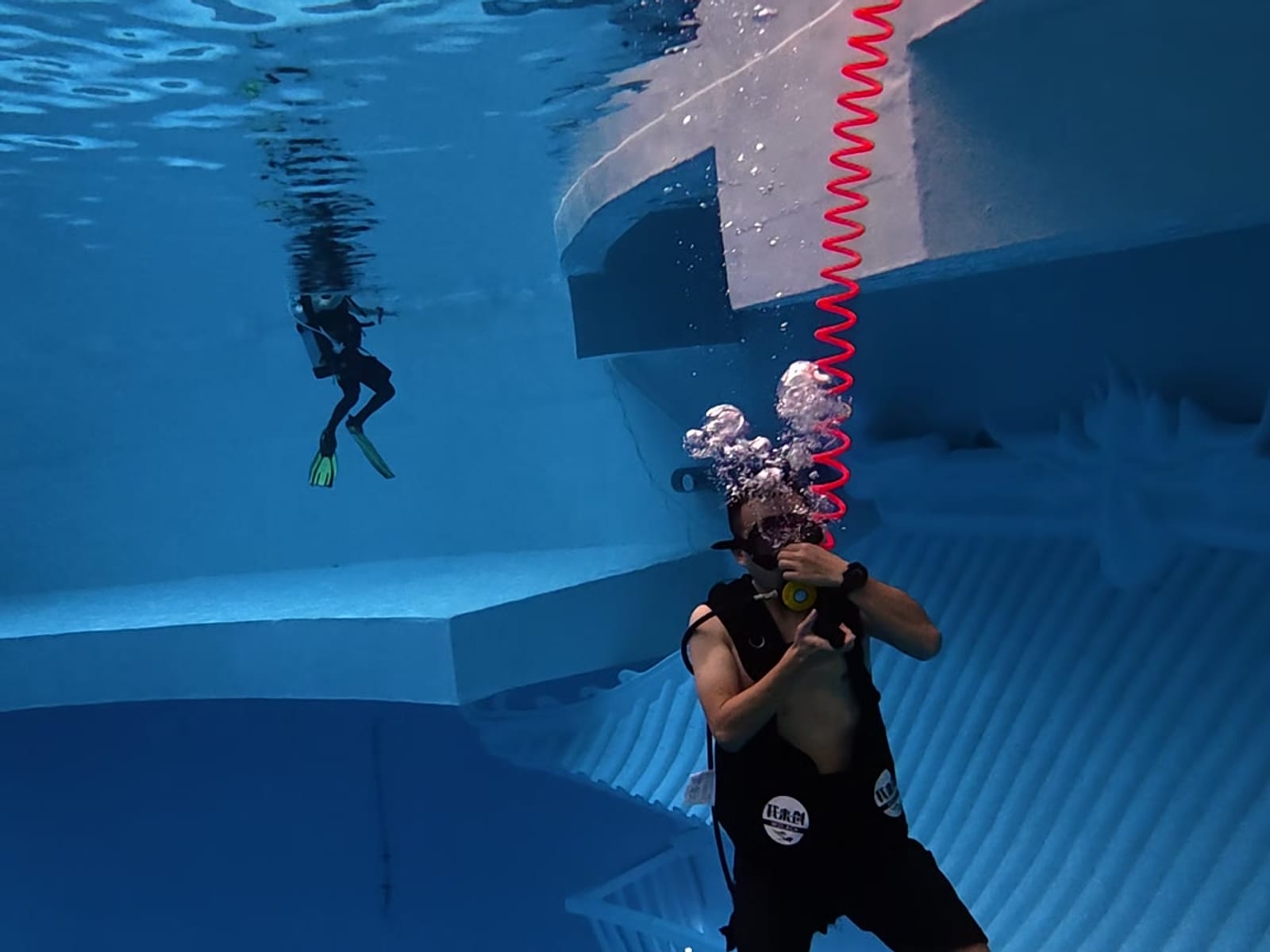
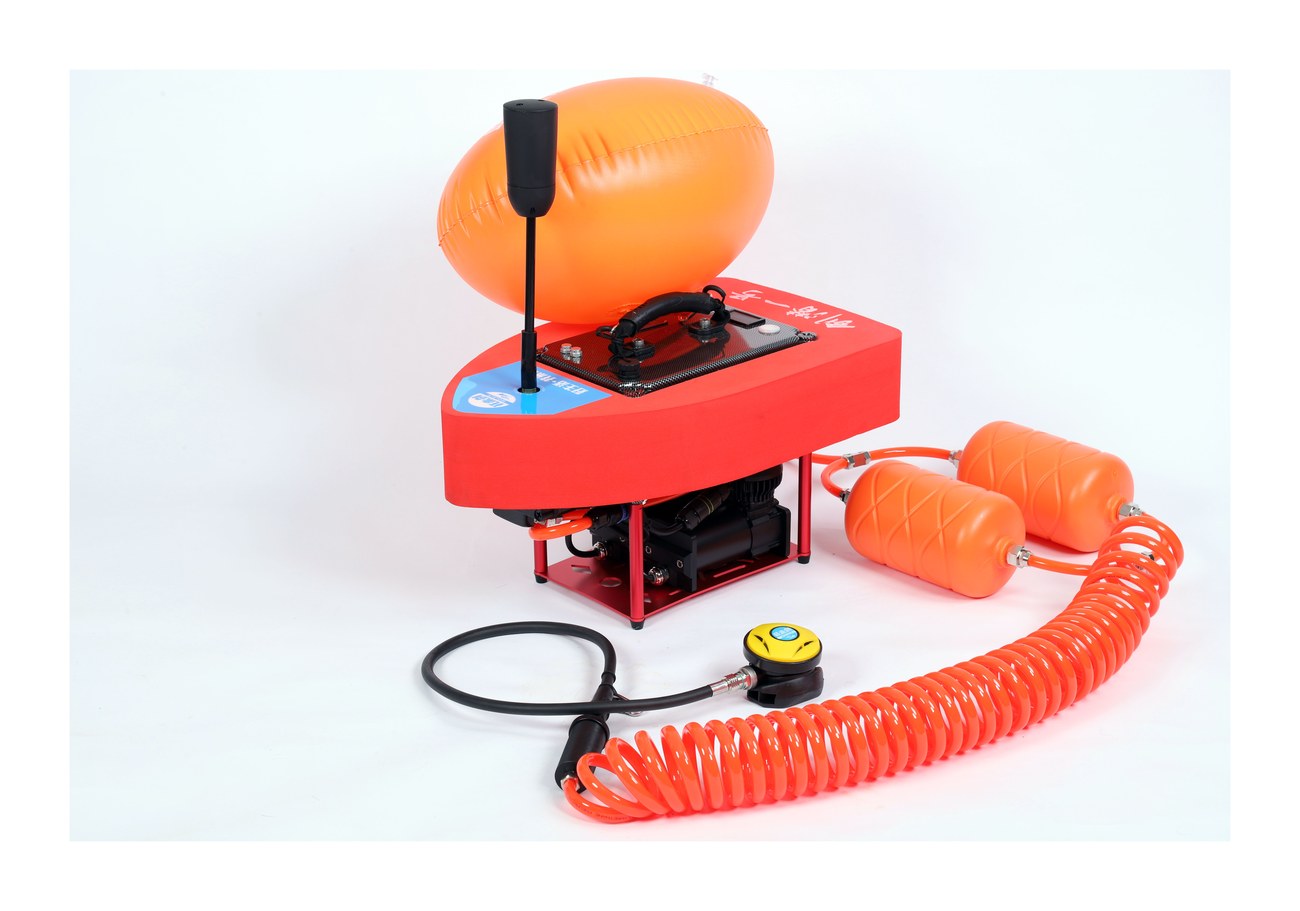
Four people, none of whom had ever breathed underwater, one afternoon, one machine. The logistics are the interesting part: with scuba you would need four sets of kit and a lot of cylinder changing, and the session would be half administration. With one surface unit and one long hose you have a queue problem instead, and queues are easier to solve than cylinders — you rotate the divers, keep the machine running, and the person who is not diving is sitting on the poolside getting briefed rather than standing around in a wetsuit holding a regulator.
What beginners get wrong first
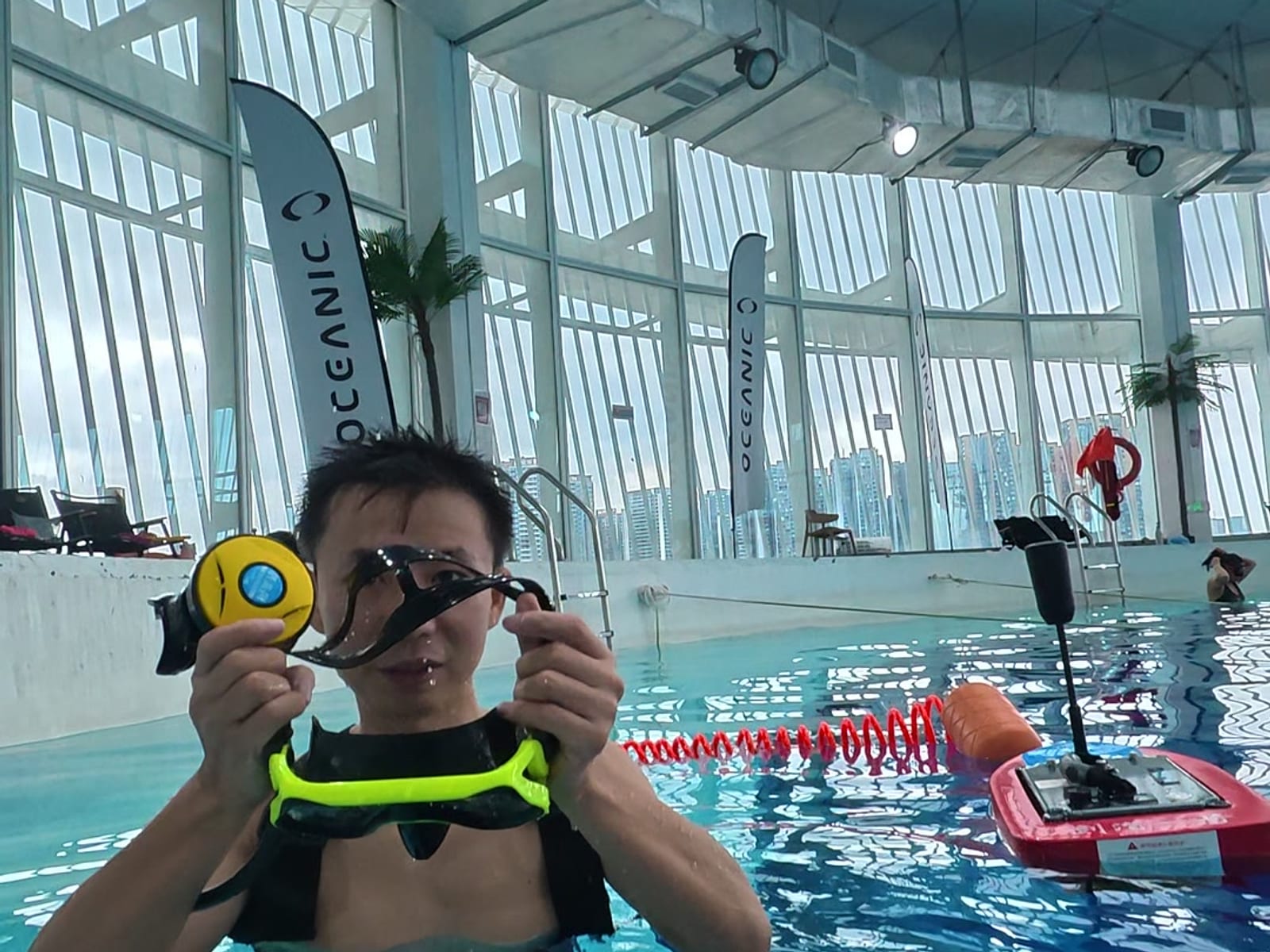
It is never the breathing. In two hours with four people the pattern was identical each time. First: an inability to hover, because they were moving constantly and buoyancy control needs stillness. Second: mask leakage from smiling, which sounds like a joke and is genuinely the most common reason a first-timer surfaces. Third, and the one worth planning for: they do not look at the hose. Every one of them forgot it existed within thirty seconds of descending, which in three metres of pool water is harmless and at eight metres in the sea is the only skill that matters.
The rotation that worked
Two in the water at a time, each with a target: hover without touching anything, clear the mask, turn a full circle without the hose finding the neck. Out after fifteen minutes, next pair in, and the machine never stopped. Because the hose is on a float at the surface and the pool is three metres deep, there is no ascent or descent to administer between divers — the second pair simply swims out to the hose and starts. Fifteen minutes per rotation, eight rotations, and the last pair were doing full hose turns that the first pair could not manage in five minutes.
What surprised us
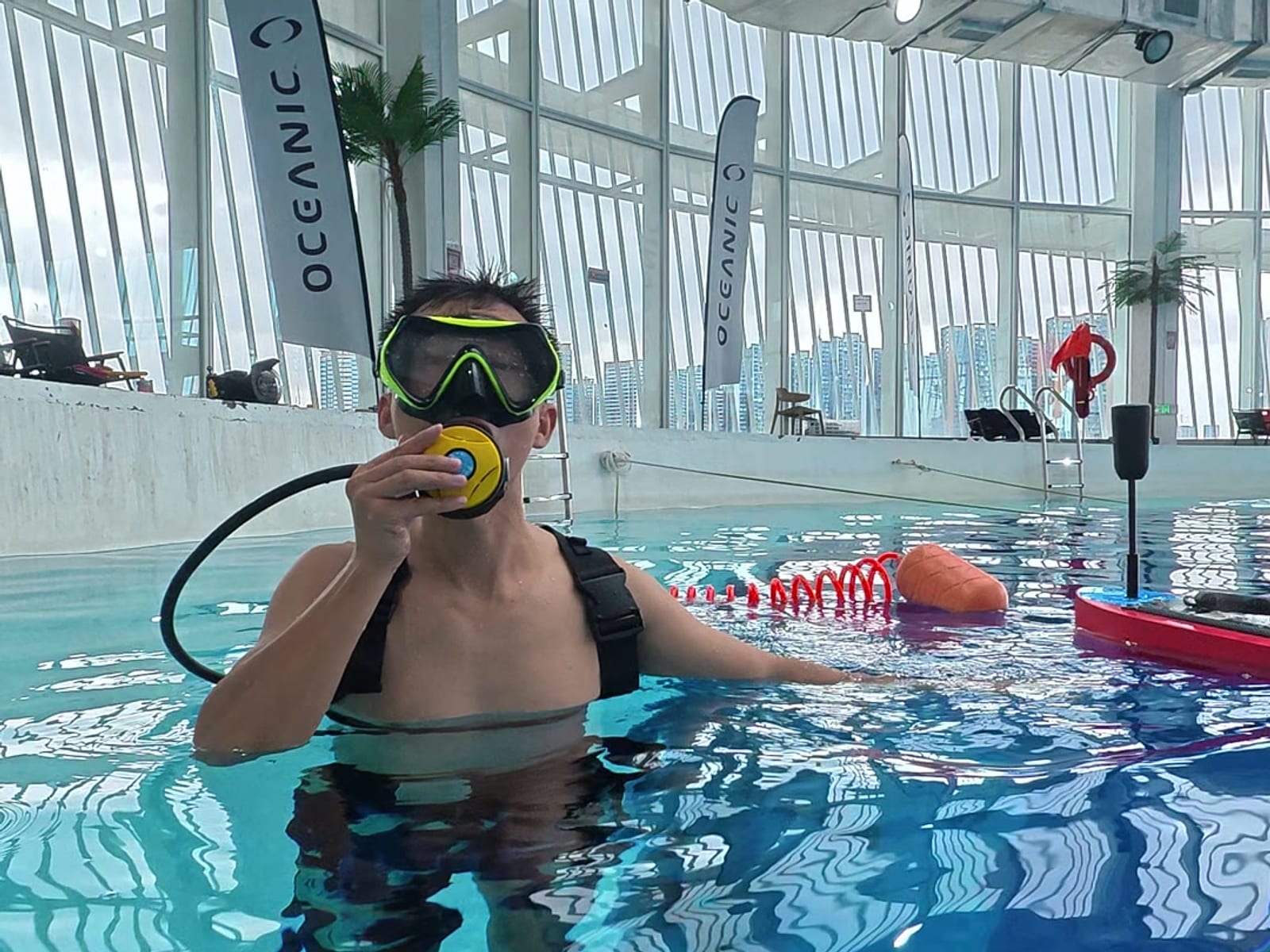
How quickly the fear goes. Every one of the four arrived with some version of the same worry — that it would feel like drowning, or that they would panic at the mask — and every one of them was comfortable within about ninety seconds. The absence of a regulator hissing in their ear turned out to matter more than any technique we taught: the noise is a constant reminder that something is on your face, and the quiet version is simply less alarming. Two of the four have since asked to come on a sea dive, which is the outcome the session was for.
What we would do differently
- Fifteen-minute rotations, two divers at a time. More than that and people get cold and bored
- Teach the hose check in the pool on day one, not in the sea on day three
- Keep the machine running through the whole session. Stopping and starting is the slow part
- Expect mask leakage from smiling. It is the most common reason a first-timer surfaces
Keep reading
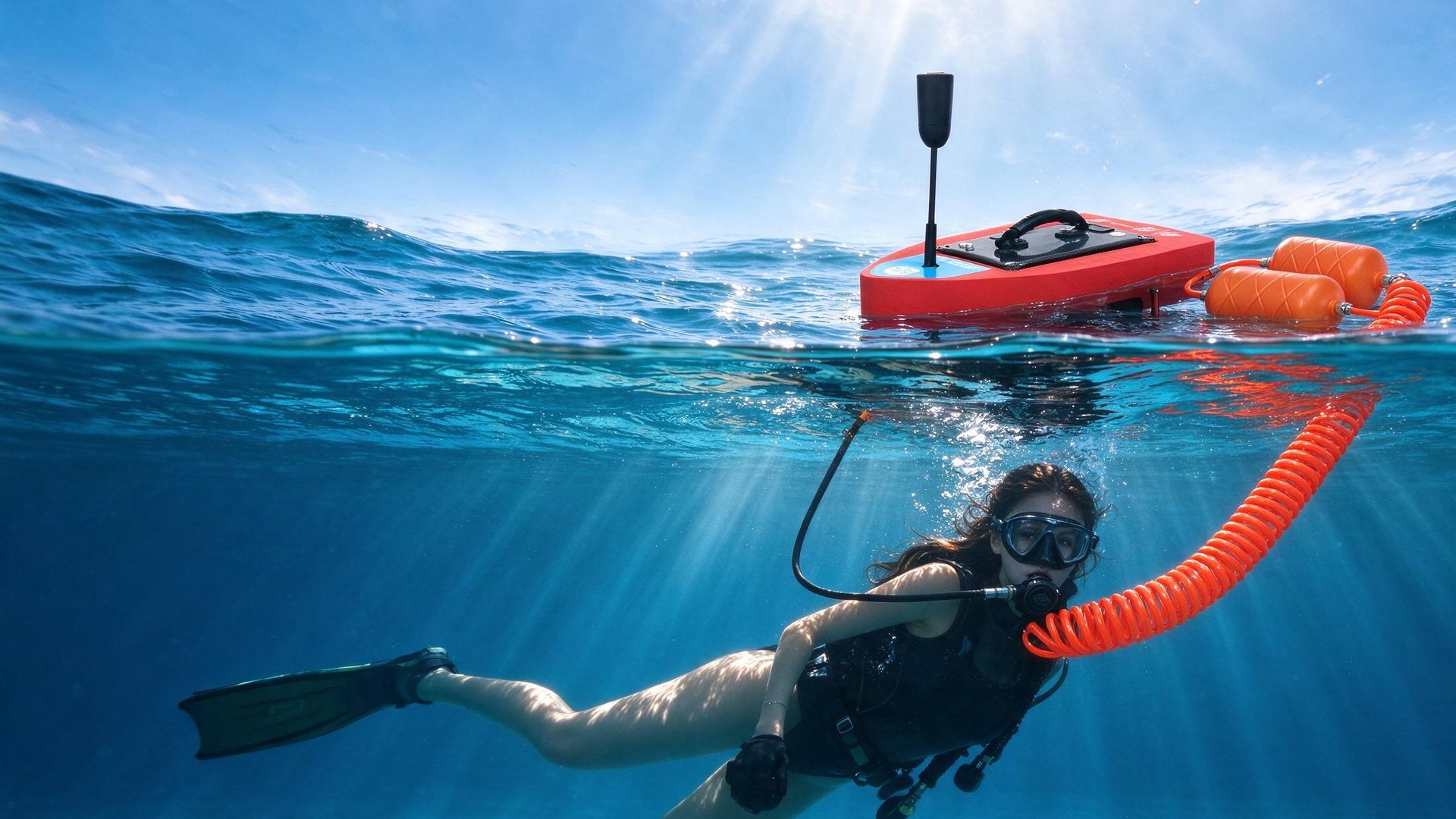
Scuba Tank vs. Tankless Hookah Diving: The Complete 2026 Comparison
Cost, bottom time, depth, safety and logistics — an honest, side-by-side look at when a surface-supply system beats a tank, and when it doesn’t.
How Deep Can You Go on a Hookah System?
Rated depth is not tested depth, and hose length is not depth at all. The three numbers people confuse, and the no-decompression limits that apply to a hose exactly as they do to a tank.
S6 vs S7 vs S9 vs S77: Which WOLACH Is Right for You?
Four machines, one air path, three numbers that decide it. How to pick by the diving you actually do rather than the depth rating you aspire to.