The Quarry in April: Machinery, Mud and a Very Slow Sweep
Warmer than March, worse visibility than March, and a full hour along a submerged rock face looking at industrial leftovers. A site that rewards patience and punishes fins.
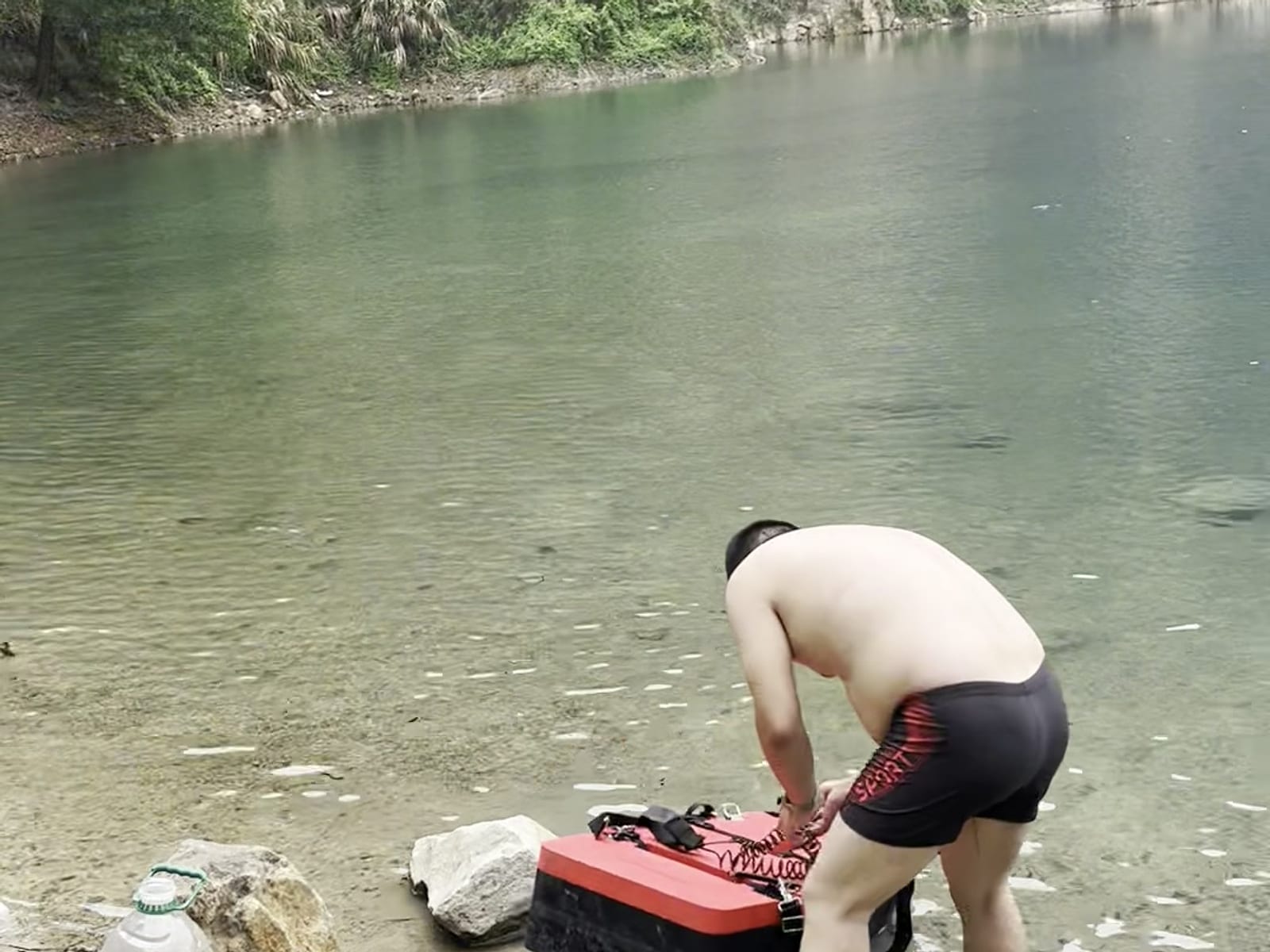
- Max depth · 18 m
- Bottom time · 61 min
- Water temp · 17 °C
- Visibility · 3 m
- System · WOLACH S9
- Dived · Apr 21, 2026
A month later, the same quarry, and a different dive entirely. The water was three degrees warmer and the visibility was halved, which is the trade a quarry makes every spring: the surface layer warms, the algae starts, and everything below it gets softer and greener. The plan was a slow sweep along the submerged rock face to look at the industrial leftovers that give the site its character, at a pace that would not stir up the bottom.
Finning is the whole dive here
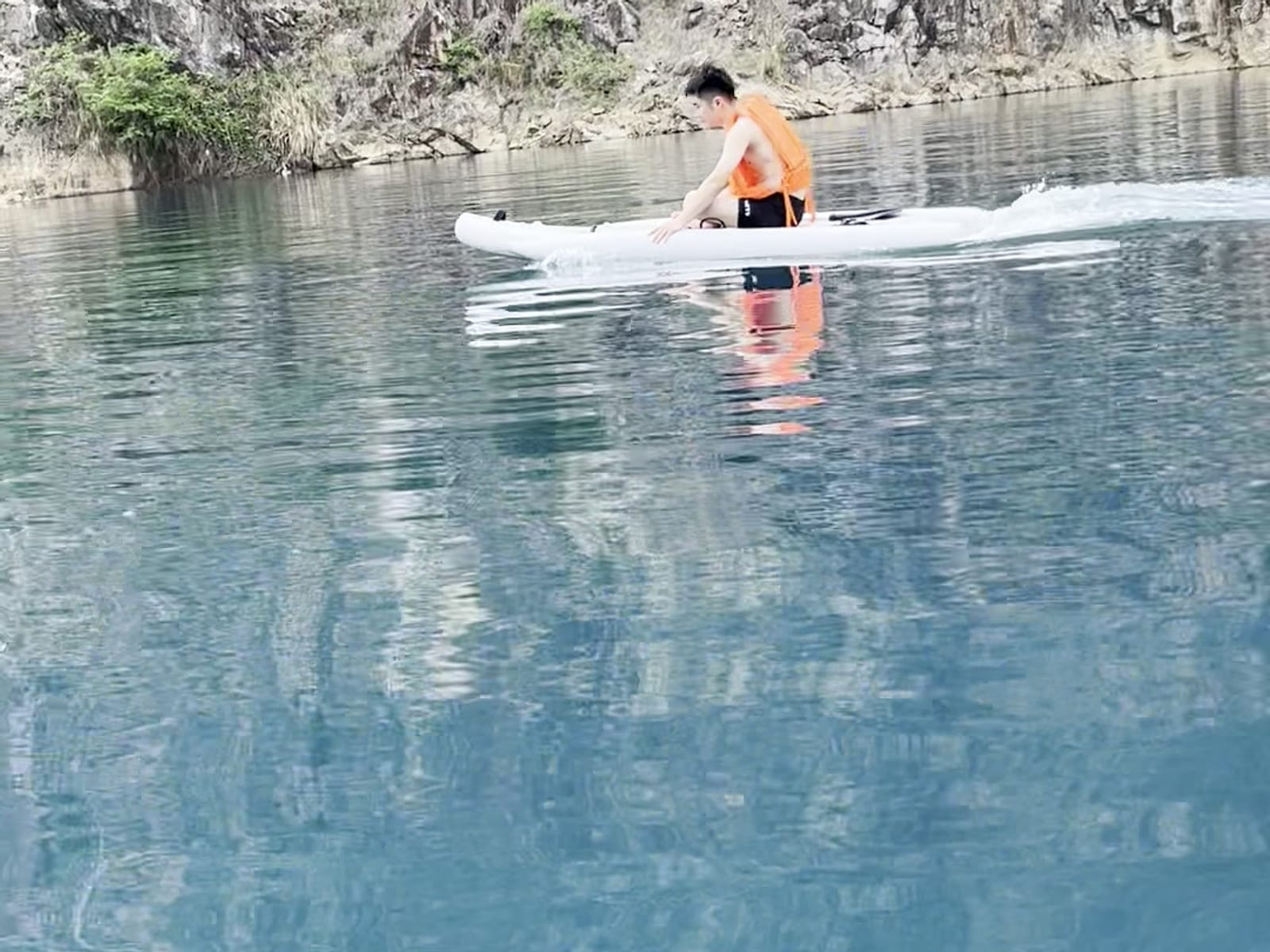
Three metres of visibility over silt means the dive is decided by how you move, not by what you find. Long slow fin strokes with a metre of clearance under the fins kept the water clear for the full hour. One careless kick near the bottom and the visibility drops to under a metre for several minutes, and unlike the sea there is nowhere for the silt to go. We ran two divers in a follow-the-leader line rather than side by side, which halves the amount of water being disturbed and means the second diver swims in the first diver’s clear trail.
What is down there
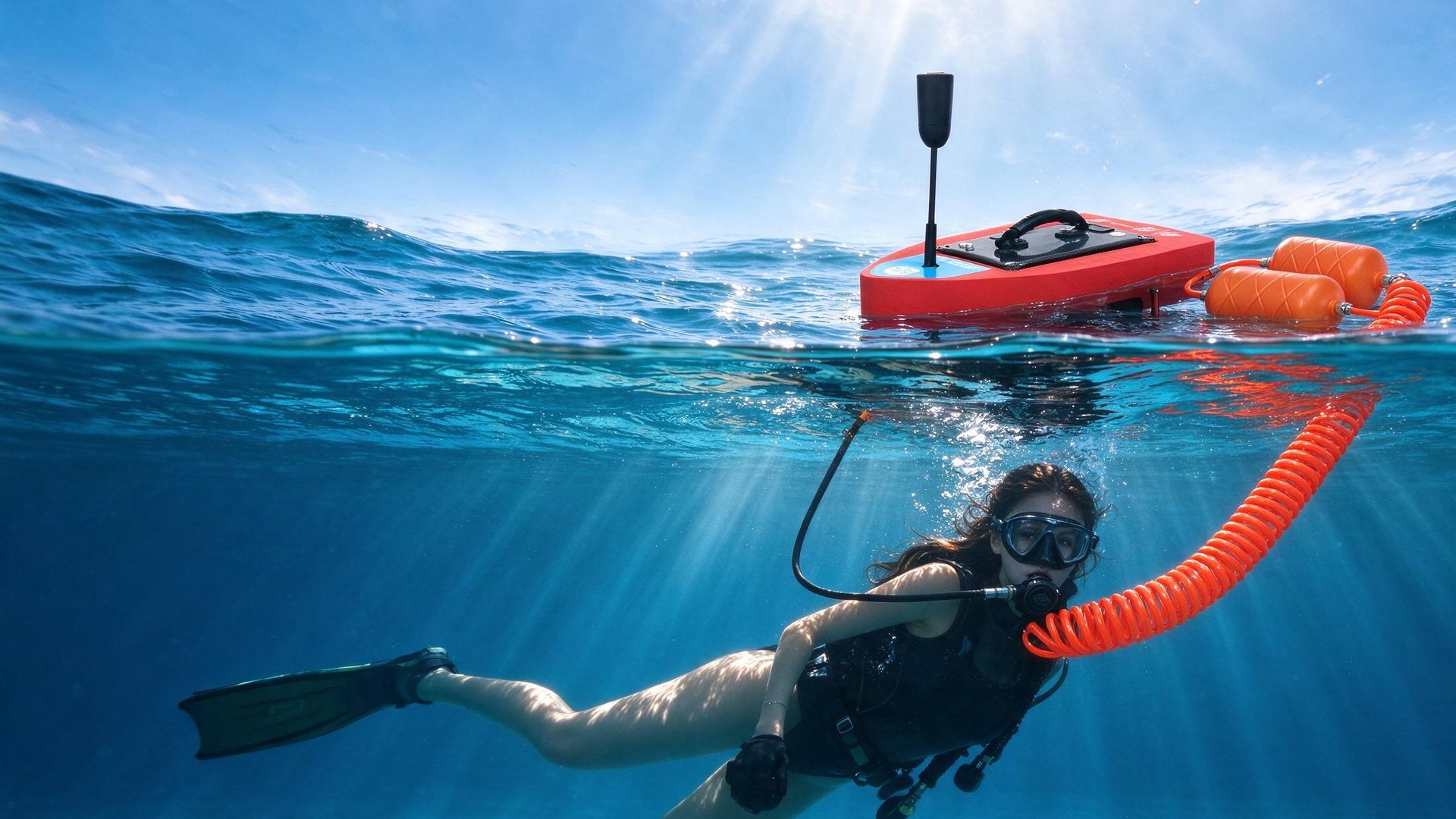
The pump housing from the old quarry operations is the main attraction: a steel frame and a cylindrical body at about fourteen metres, half silted in, covered in freshwater growth. It is a genuinely good piece of industrial archaeology and squarely in the category of things you can only look at properly if you are not working to a cylinder. We spent twelve minutes on the housing alone, hovering, at a depth where a scuba diver would have been at the halfway point of a tank.
The hose in low visibility
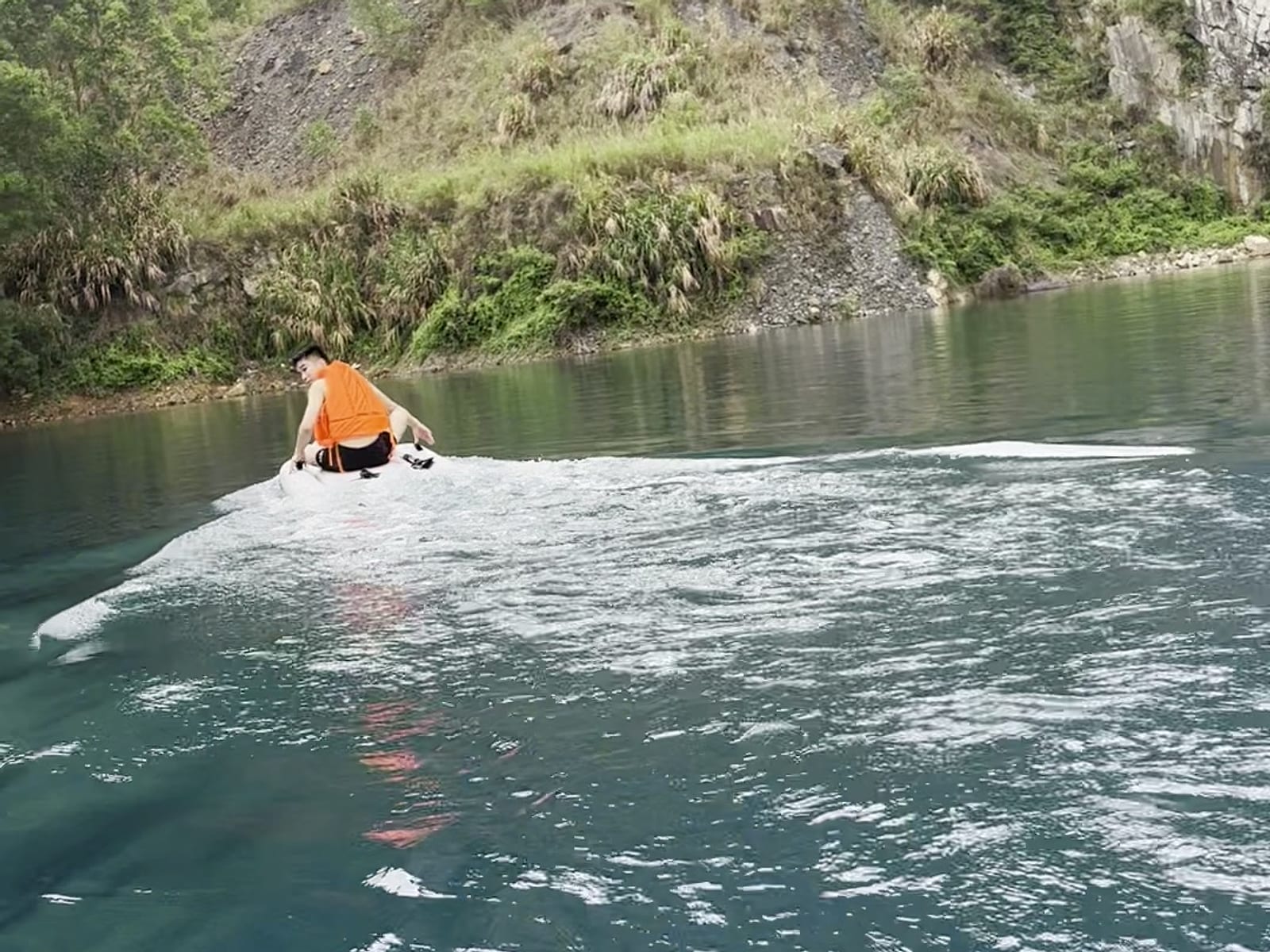
One wrap, on a submerged branch at nine metres, during a turn that put the hose out of sight for about ten seconds. The diver felt the load, stopped, reversed, and was free in under a minute — which is exactly the sequence to practise and exactly the reason the hose has to be checked before every turn in this kind of water. What we would change is the float position: at three metres of visibility we had it twenty metres out over open water, which was correct, but it meant the hose crossed a band of submerged trees on the way in. A route along the open rock face would have added four minutes of swimming and removed the hazard entirely.
What we would do differently
- Follow-the-leader, not side by side, in anything under four metres of visibility
- Metre of clearance under the fins at all times. Silt is the hazard, not depth
- Route the hose along open bottom even if the swim is longer
- Give an object its full time. The point of a hose is that you can afford to
Keep reading
Scuba Tank vs. Tankless Hookah Diving: The Complete 2026 Comparison
Cost, bottom time, depth, safety and logistics — an honest, side-by-side look at when a surface-supply system beats a tank, and when it doesn’t.
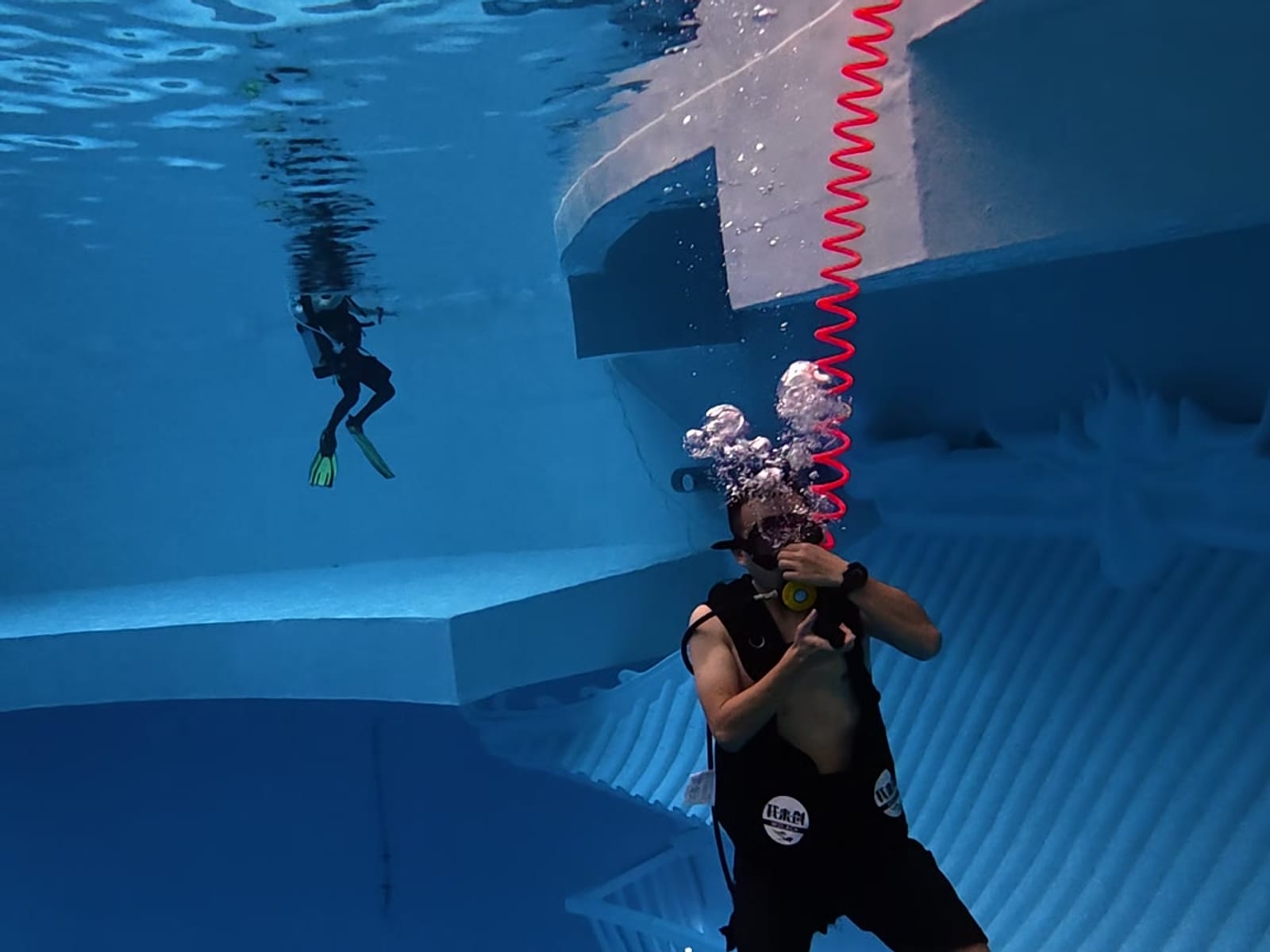
How Deep Can You Go on a Hookah System?
Rated depth is not tested depth, and hose length is not depth at all. The three numbers people confuse, and the no-decompression limits that apply to a hose exactly as they do to a tank.
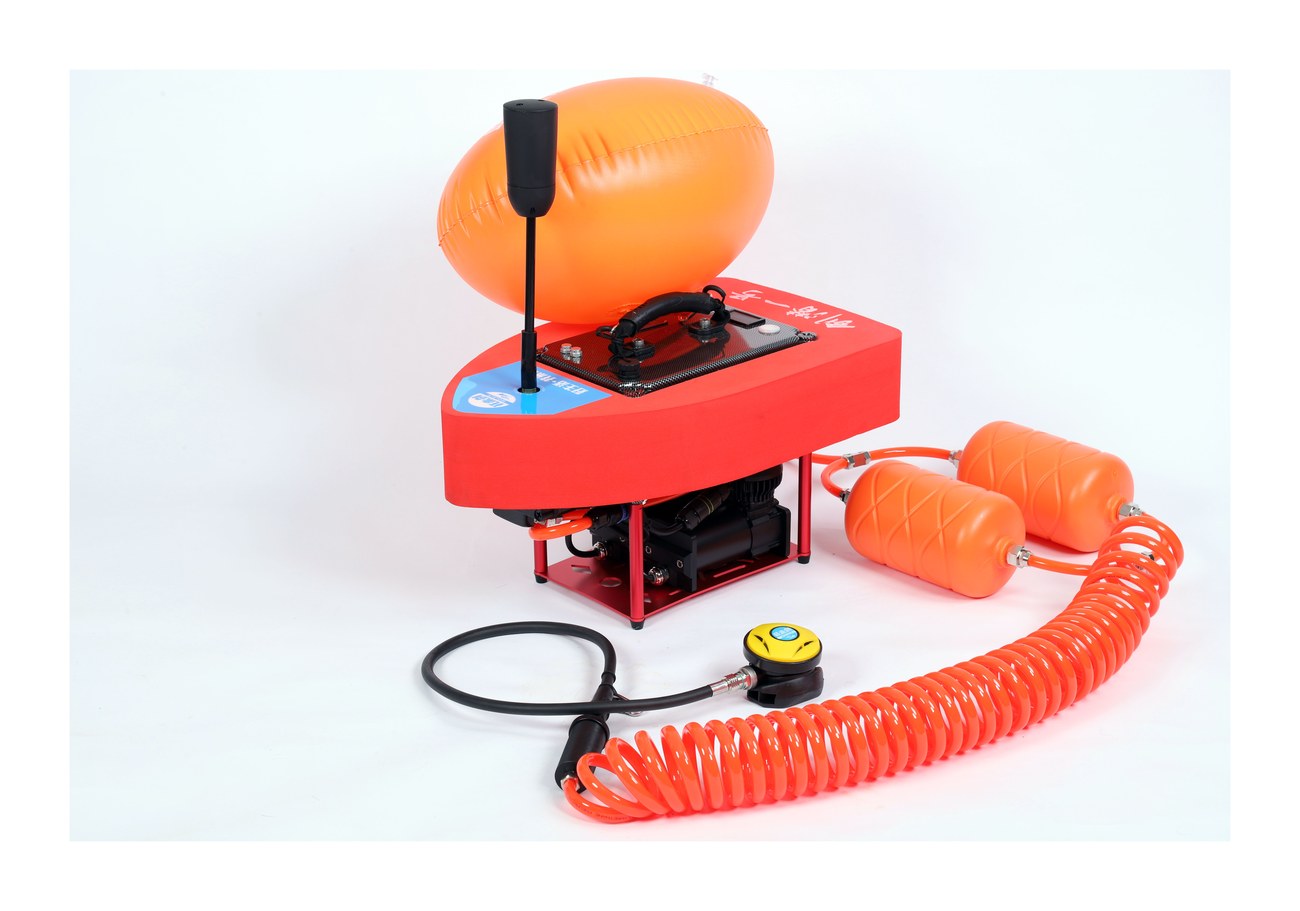
S6 vs S7 vs S9 vs S77: Which WOLACH Is Right for You?
Four machines, one air path, three numbers that decide it. How to pick by the diving you actually do rather than the depth rating you aspire to.