Reading a Dive Site Before You Get In
Five minutes on the deck will tell you more than any briefing. What to look at, in what order — and the one condition that should make you pick a different site entirely.

There is a particular kind of diver who arrives at a site, looks at the water for ten seconds, and starts kitting up. On a scuba dive that is usually survivable, because a scuba diver can change plan mid-dive: swim a different direction, come up somewhere else, abort and surface comfortably from anywhere. A hose removes every one of those options. The hose goes where the unit goes, and the unit goes where the wind and the current put it. So the site you choose on the surface is far more binding than it is with a tank, and the five minutes you spend looking before you touch your kit are the highest-value minutes of the day.
Wind and fetch come first
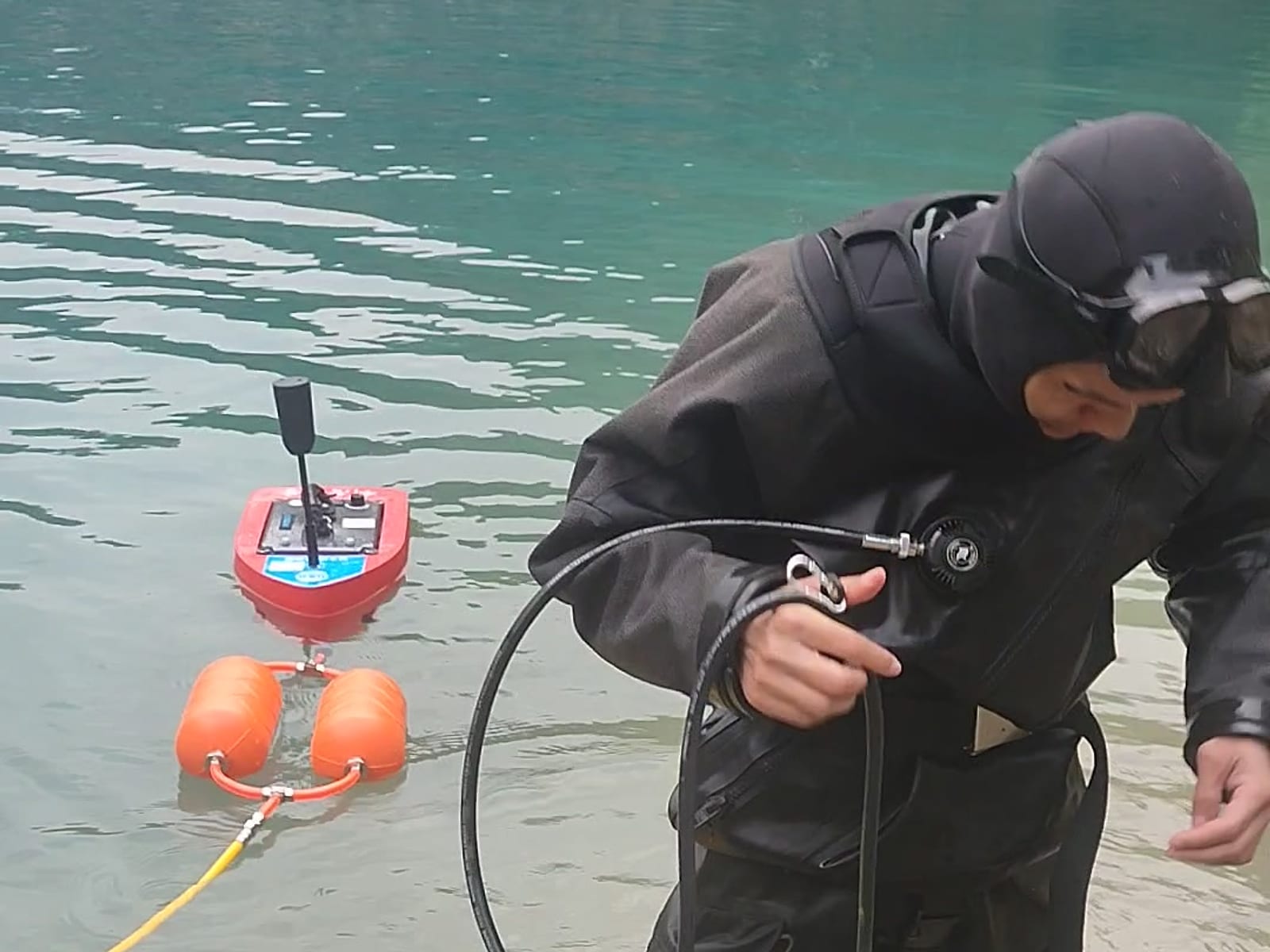
Fetch is the distance of open water the wind has to work across before it reaches you, and it is the reason two sites twenty kilometres apart can have completely different conditions on the same afternoon. Before anything else, work out which direction the wind is coming from and how much open water lies upwind. Then look at where the surface unit can sit in the lee of something — a headland, a moored boat, a reef. A floating machine in a chop takes on water it should not, bounces on its tether, and makes for a distracted group. A unit in flat water behind a headland is one you stop thinking about. That difference is entirely down to where you put it, and you can see it from the shore.
Then current, and how to see it
Current is visible from the surface if you know what you are looking for. Foam lines mark the boundary between two bodies of water moving at different speeds. Moored boats all lie at the same angle, which tells you direction and gives you a rough idea of strength. Eddies form behind headlands and islands, and they are usually flatter and clearer than the water outside them. Watch for a full minute rather than a glance: a surface that looks still often has a slow drift in it, and that same drift will carry your float while you are eight metres down and not paying attention.

Look at these, in this order
- Wind and fetch — which way is the swell coming from, and where is the unit going to sit calm
- Current — foam lines, the lie of moored boats, and eddies behind headlands
- Entry and exit — can you come out where you went in, and is there a fallback if you cannot
- Structure below — where a hose could snag: moorings, kelp, rock fingers, cables, trees
- Surface unit position — upwind of the dive, clear of the boat, not fighting a swell
Walk the hose before you commit
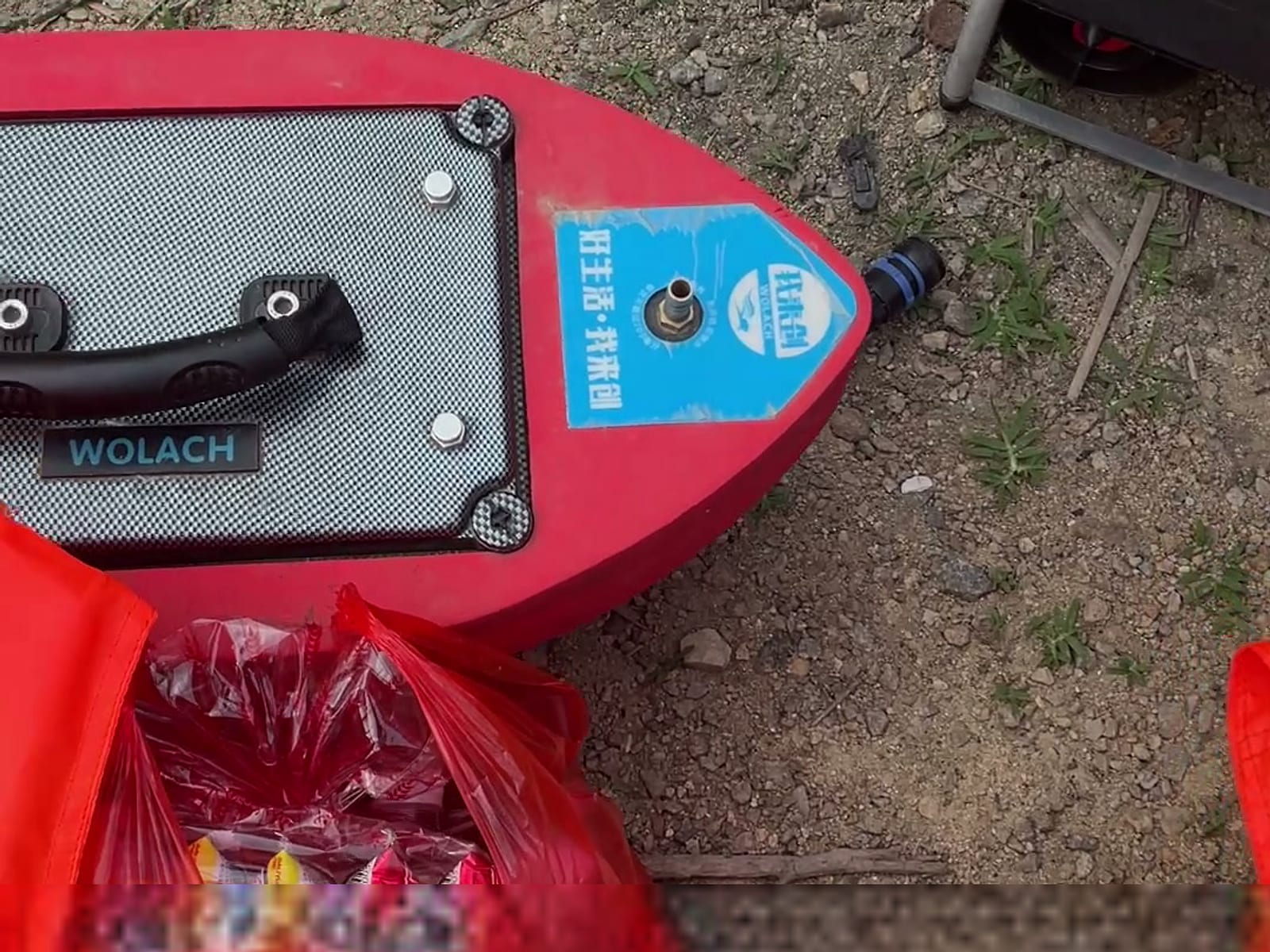
This is the step that turns a look into a plan, and it is the one people skip. Lay the hose out on the surface along the route you intend to swim, and walk it. You will find out three things immediately: where the turns are, whether any of them run close to structure, and whether the float will actually sit where you hoped it would. A route that looks clean from twenty metres away often has a mooring line sitting right across it. Discovering that while walking is a two-minute adjustment. Discovering it at depth, with the hose already wrapped, is a different afternoon.
When to walk away
A scuba diver can surface anywhere and swim to a different exit. A hose diver cannot: the hose leads to the unit, and the unit is tethered or drifting. So there is one condition that should end the plan outright, and it is an exit you cannot repeat. If the only way out is a channel that will be against the current on the way back, or a ladder on a lee shore in a building swell, or a climb that requires a hand you will need for the hose, pick another site. That is not caution, it is arithmetic. Everything else on the list can usually be solved by repositioning the unit or choosing a shorter route. The exit is the one variable you cannot fix from the water.
The short version
- A hose removes your options mid-dive, so the surface survey matters more than it does on scuba.
- Wind and fetch first — they decide where the unit can sit calmly.
- Read the current from foam lines and the lie of moored boats.
- Walk the hose on the surface before you commit. It always finds the snags.
- If the exit is not repeatable, pick another site. That is the one thing you cannot fix underwater.
FAQ
Do I need a diving certification?
How deep can I go?
What happens if the battery runs low?
Keep reading
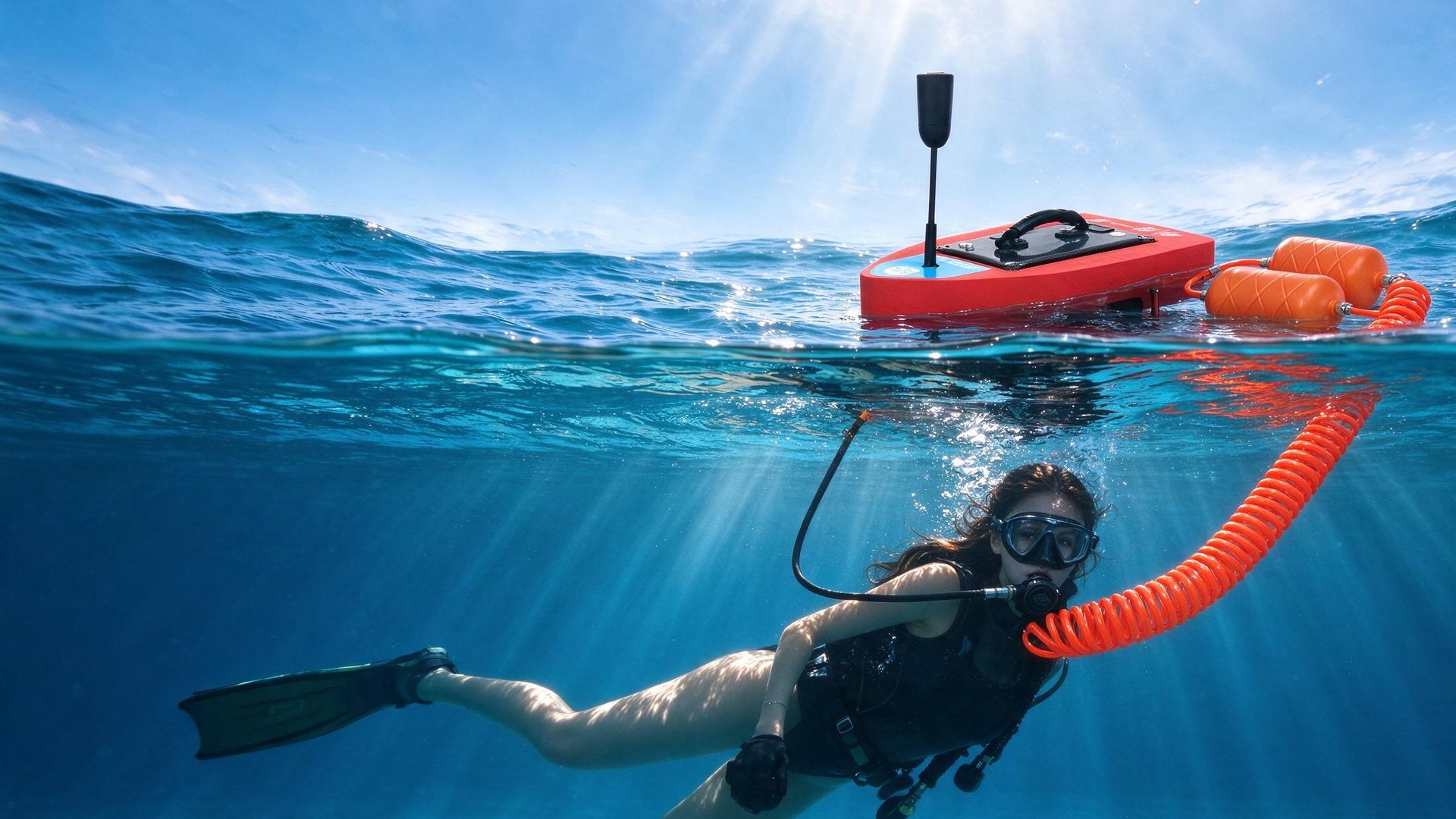
Scuba Tank vs. Tankless Hookah Diving: The Complete 2026 Comparison
Cost, bottom time, depth, safety and logistics — an honest, side-by-side look at when a surface-supply system beats a tank, and when it doesn’t.
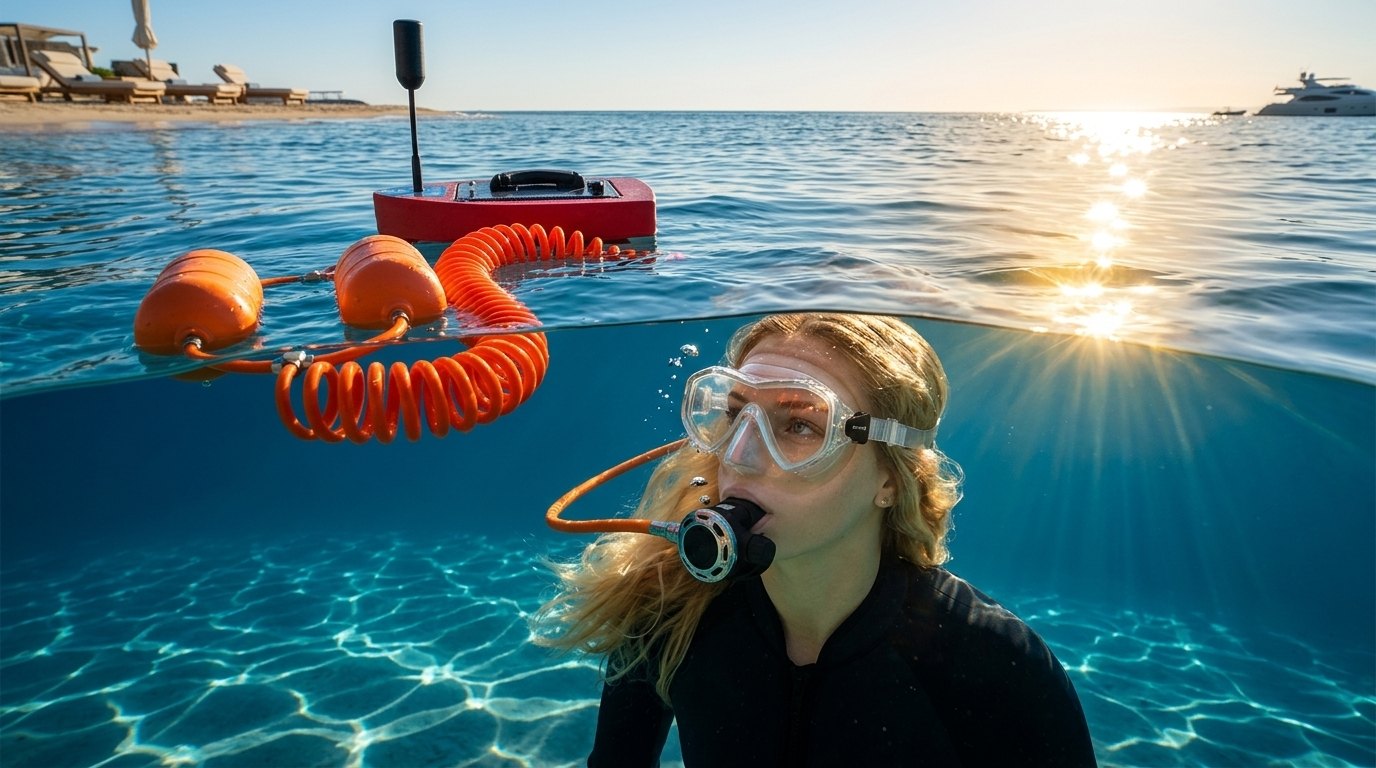
How Deep Can You Go With a Hookah Diving System?
Rated depth vs. tested depth, why hose length is not depth, and the no-decompression limits that still apply.
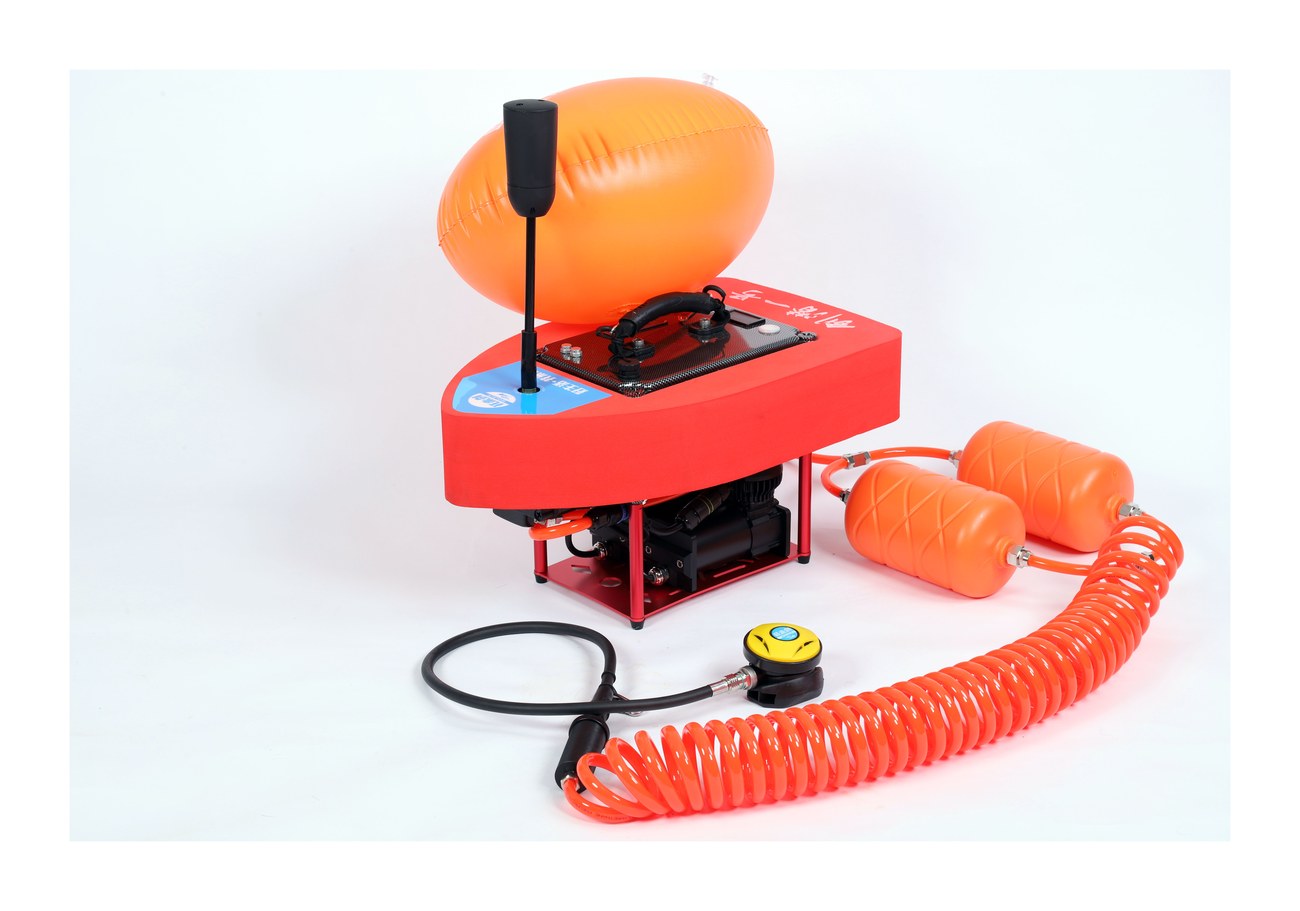
S6 vs S7 vs S9 vs S77: Which WOLACH Is Right for You?
Four models, one air path. Pick by how deep and how long you actually dive — the differences that matter are runtime, delivery and hose length, not features.