Replacing the Battery Gauge, Charge Port and Switch
The three electrical parts most exposed to the water and to the sand. None of them needs the machine opened, and all three are straightforward bench jobs.
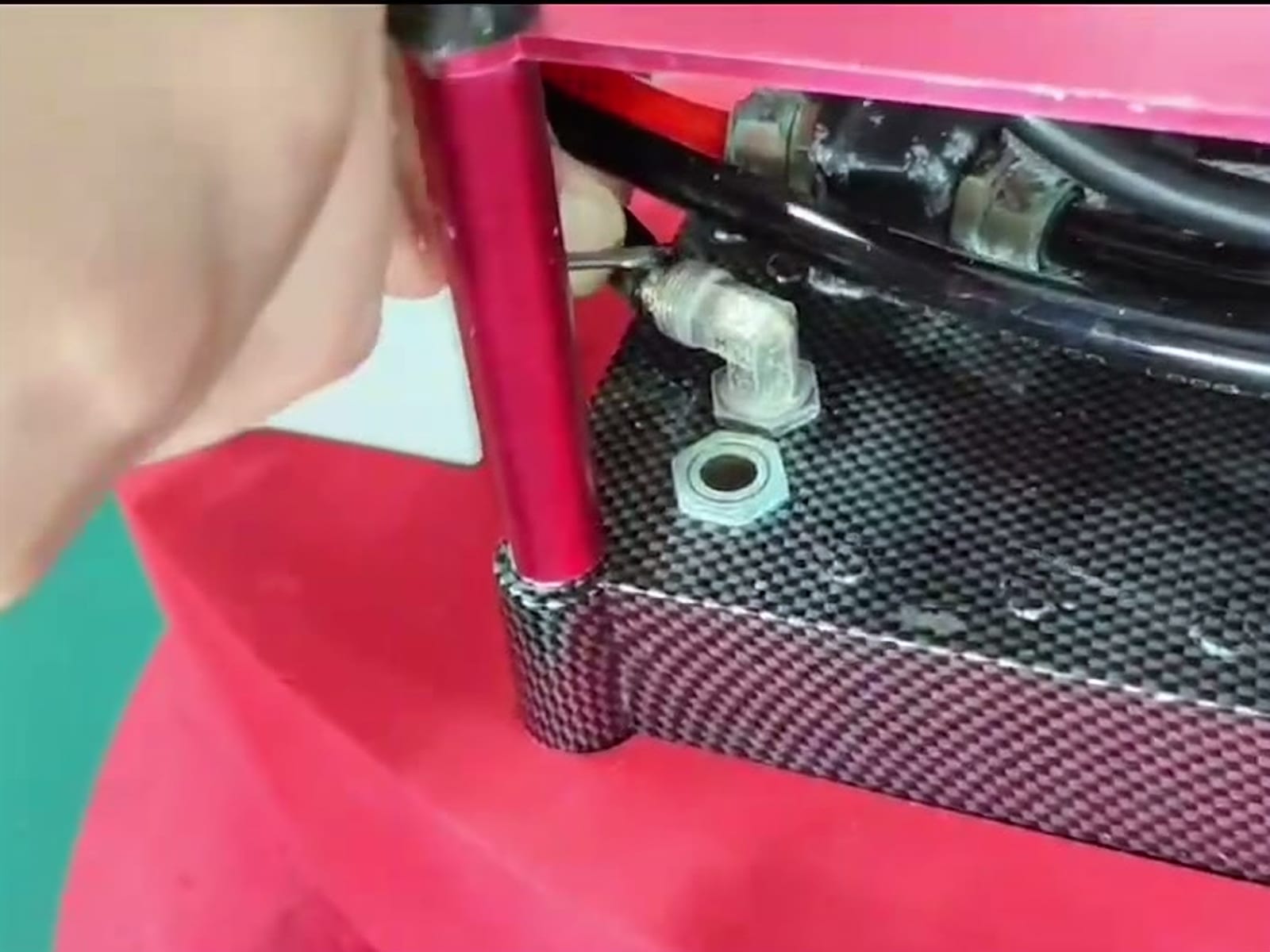
Why these three fail first
The gauge, the charge port and the power switch all sit on the outside face of the machine, which makes them the three electrical parts that meet sand, salt and repeated plugging. None of them is inside the sealed housings, so replacing any of the three is a bench job that does not touch the warranty boundary — and none of them requires opening the compressor side.
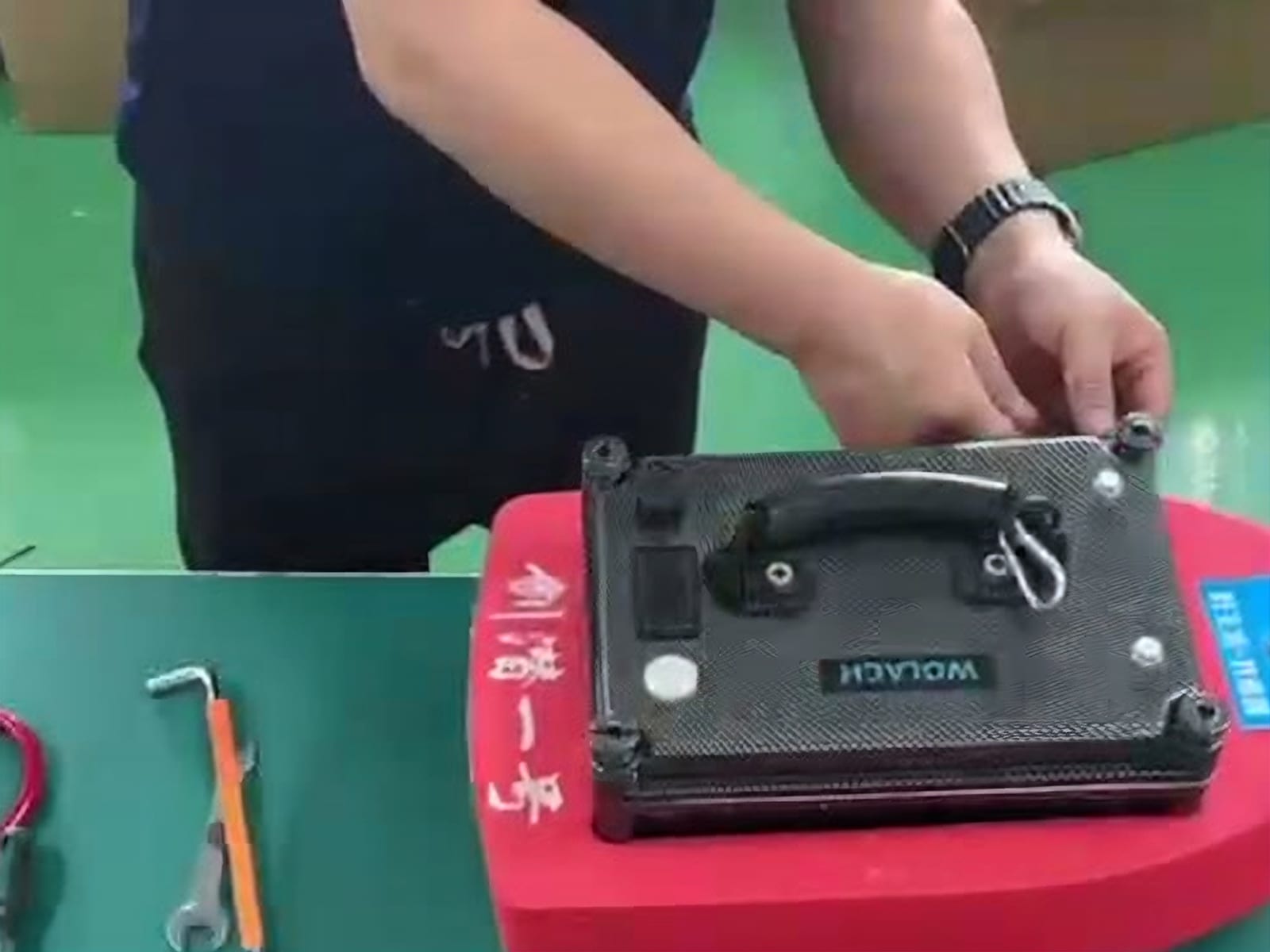
The charge port is the fiddly one
The port is a push-fit connector into the loom, but the gasket behind it is what keeps water out of the panel, and it is easy to pinch on refit. Seat the gasket first, dry, with no grease — a greased gasket slides out of position under compression. If a port has been running warm during charging, replace the gasket as well as the port; heat sets the rubber and it will not seal again.
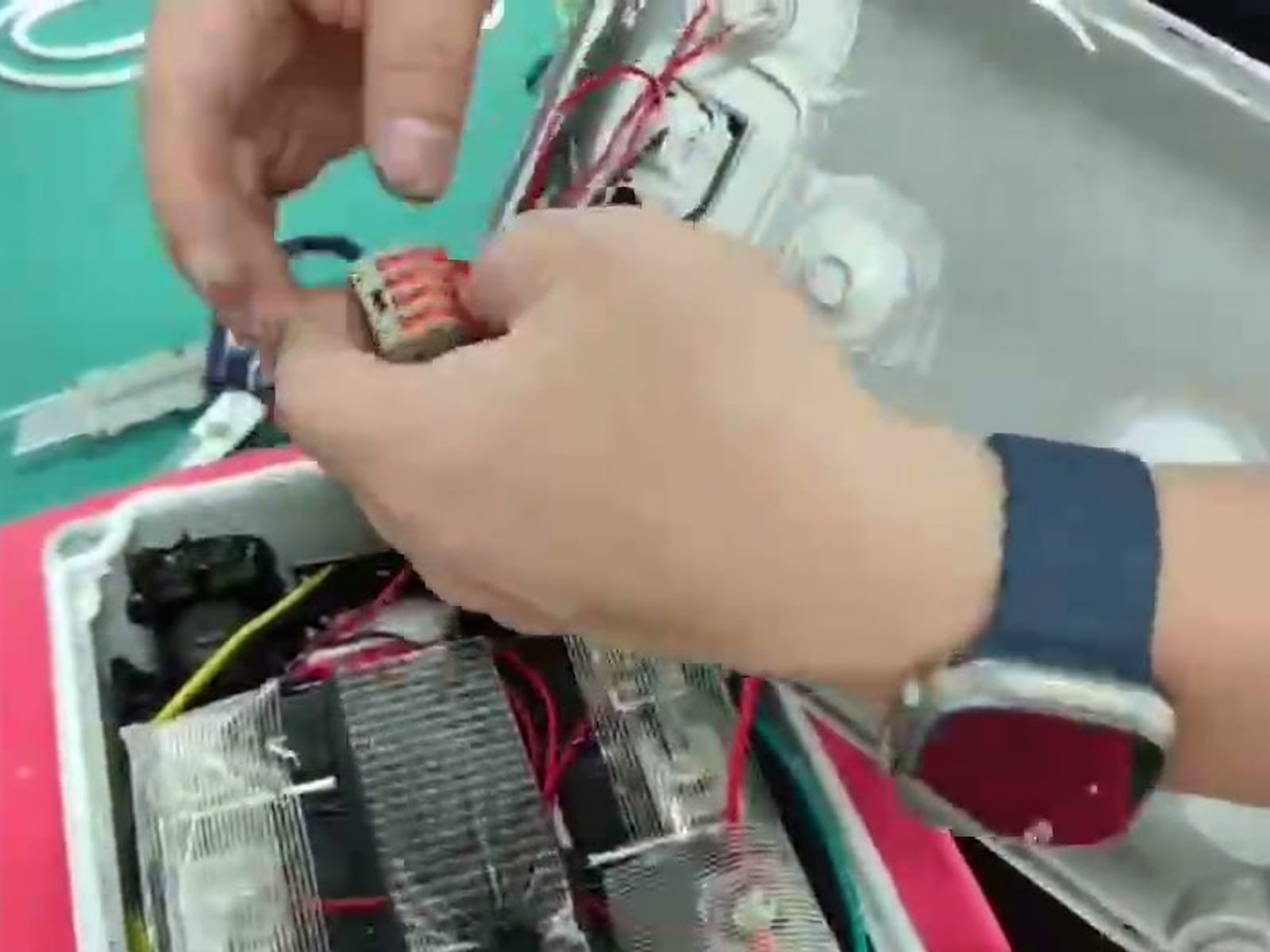
Symptoms and what they usually mean
- Gauge reads low immediately after a full charge — the gauge, not the pack. Confirm with a runtime test before replacing anything.
- Charging only starts when the plug is held at an angle — the charge port is worn, replace port and gasket.
- Machine will not power on, but the gauge lights — the switch. The pack is fine.
- Gauge fogs from the inside — the panel gasket has failed and the whole panel should be resealed.
Before you order parts
Two of these four symptoms are cheaper to diagnose than to fix. A gauge that reads low but holds runtime is a gauge; one that reads low and dies early is the pack, and that is a warranty conversation rather than a parts order. Charge the machine fully, run it against the rated load for the model, and compare the runtime before you decide which part you are actually buying.
FAQ
Do I need a diving certification?
How deep can I go?
What happens if the battery runs low?
Keep reading

Scuba Tank vs. Tankless Hookah Diving: The Complete 2026 Comparison
Cost, bottom time, depth, safety and logistics — an honest, side-by-side look at when a surface-supply system beats a tank, and when it doesn’t.

How Deep Can You Go With a Hookah Diving System?
Rated depth vs. tested depth, why hose length is not depth, and the no-decompression limits that still apply.
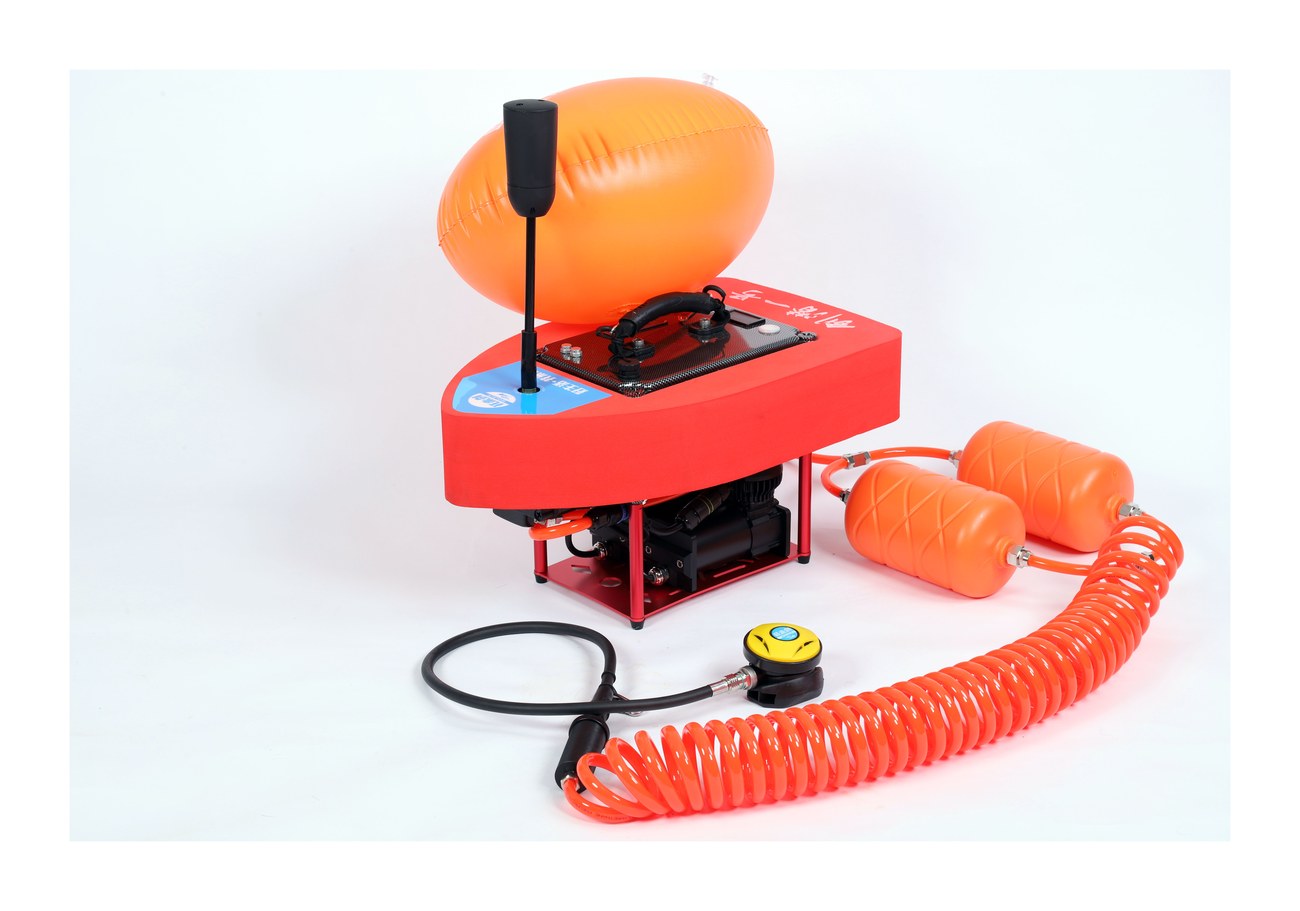
S6 vs S7 vs S9 vs S77: Which WOLACH Is Right for You?
Four models, one air path. Pick by how deep and how long you actually dive — the differences that matter are runtime, delivery and hose length, not features.