Replacing the Diaphragm
The rubber diaphragm is the part that turns pump pressure into a breath. It is also the most common cause of a machine that runs but does not deliver air.
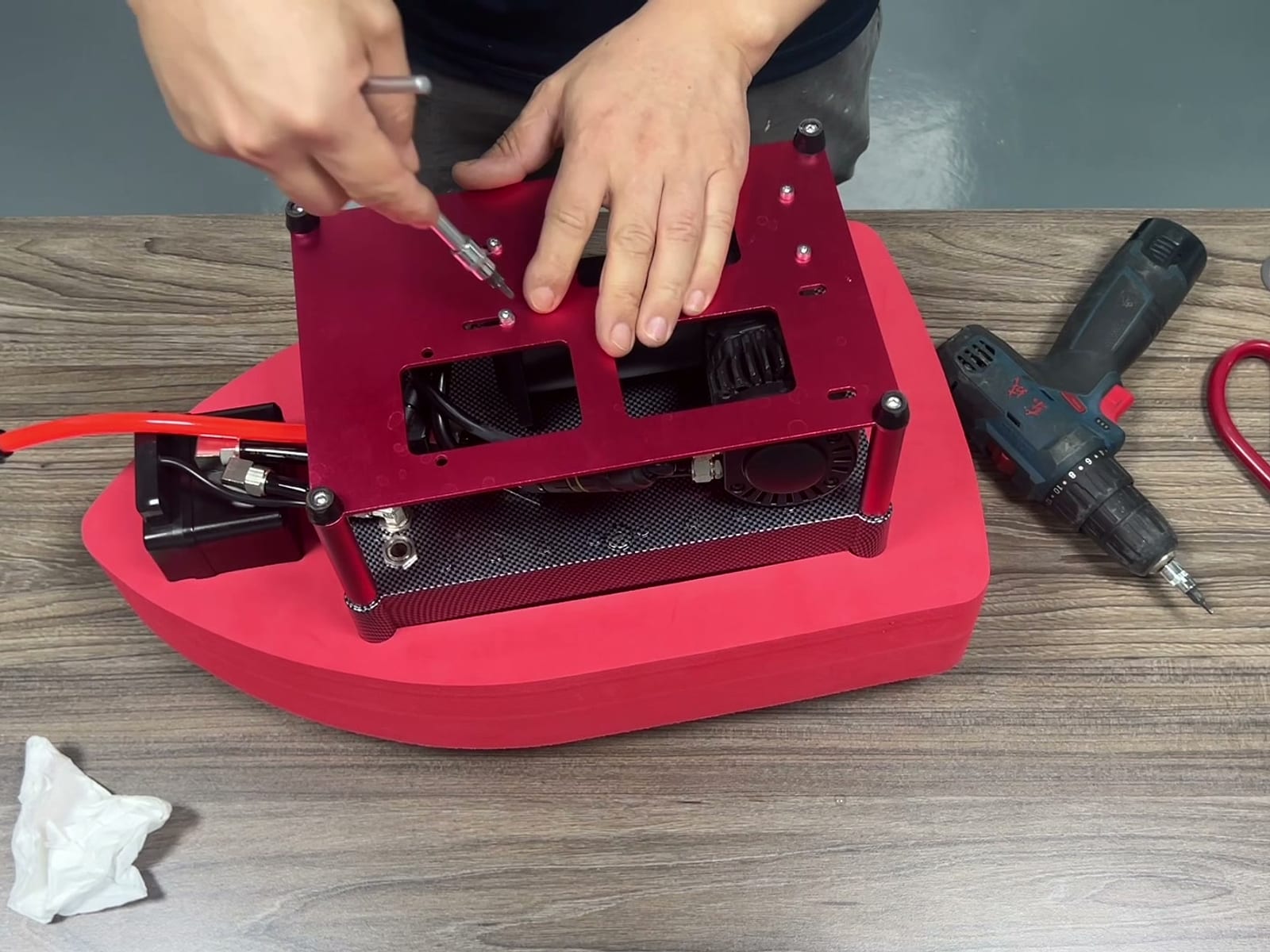
What the diaphragm does
The diaphragm flexes once per pump stroke and is what actually moves air into the hose. It is a wear part, covered by the six-month tier of the warranty rather than the twelve-month machine tier, and it is the first thing to check when a machine runs but the second stage feels weak. The symptoms are usually a breath that gets easier when you are shallow and harder as you go down.
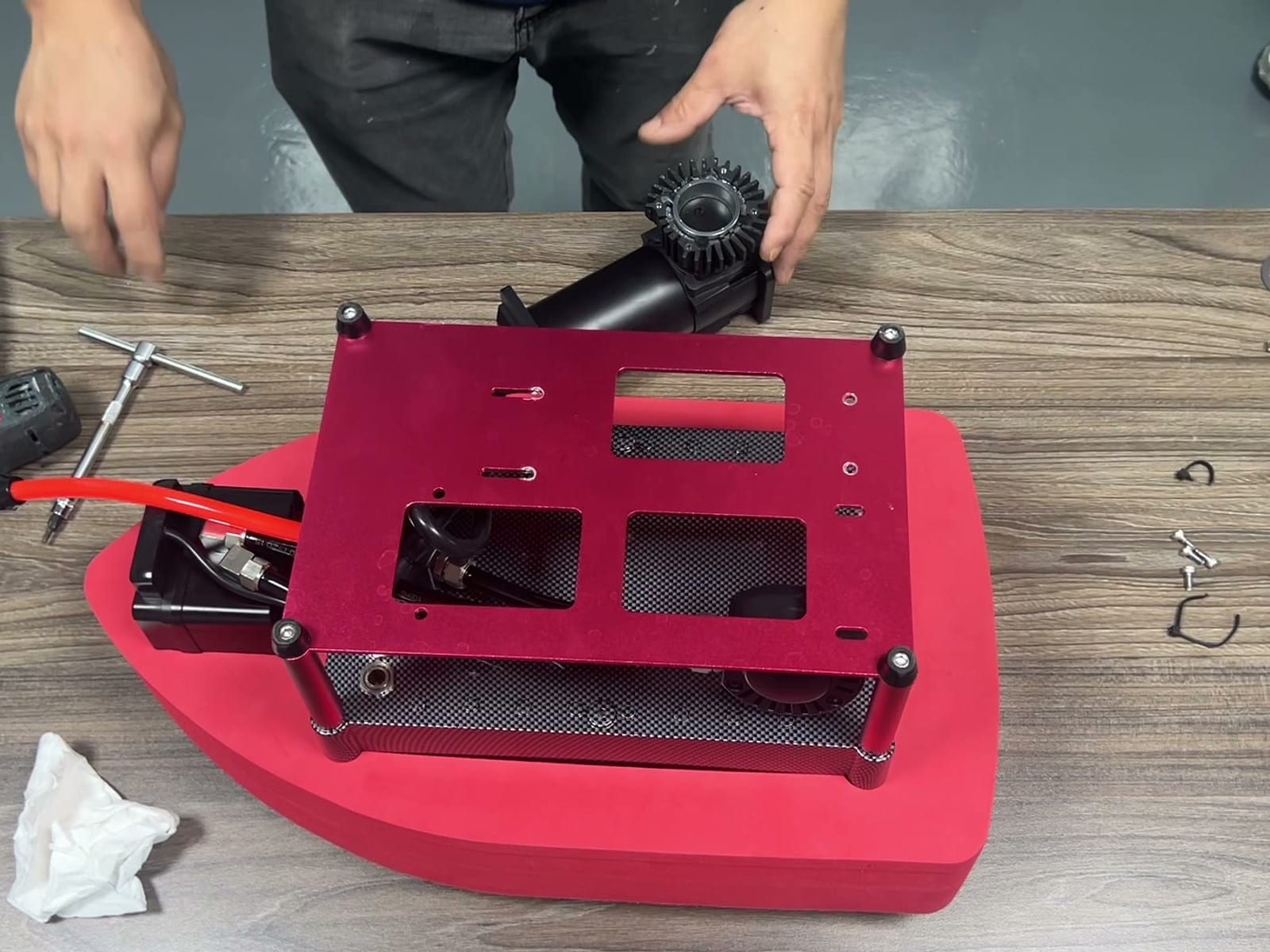
Removing the old one
Lift the diaphragm out by its edge rather than prying at the centre. If it comes out with grit welded to the sealing lip, that grit is usually what killed it — which is a sign the intake filter has been running too long. Replace the filter at the same time, otherwise the new diaphragm will fail the same way.
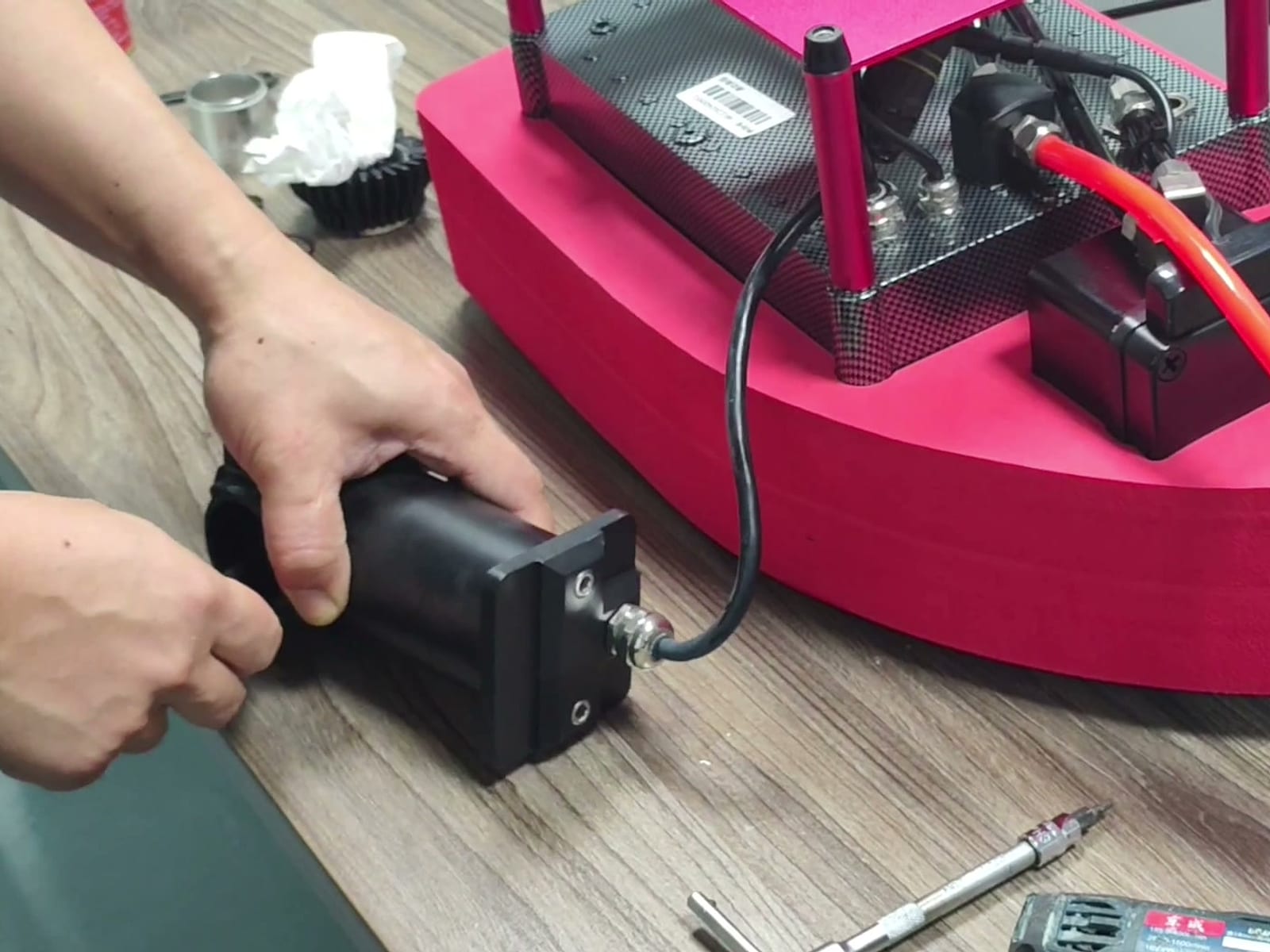
Reseating and testing
Fit the new diaphragm, refit the cover and tighten the screws in a diagonal pattern rather than around the circle — tightening around the circle pulls the cover out of flat and the seal leaks on one side. Before the machine goes back in the water, run it for a minute with the second stage held clear and feel for a consistent delivery on each stroke. A rhythmic pulsing is normal; a stumble means the cover is not seated evenly.
Where the warranty stops
The diaphragm and the cover are owner-serviceable, and doing it yourself does not affect cover. What it does affect is the compressor and motor housings — those are sealed assemblies. Opening either one ends the warranty on that assembly, and a diaphragm replacement never requires going near them. If a new diaphragm does not restore delivery, stop and talk to us rather than continuing to open the machine up.
FAQ
Do I need a diving certification?
How deep can I go?
What happens if the battery runs low?
Keep reading

Scuba Tank vs. Tankless Hookah Diving: The Complete 2026 Comparison
Cost, bottom time, depth, safety and logistics — an honest, side-by-side look at when a surface-supply system beats a tank, and when it doesn’t.

How Deep Can You Go With a Hookah Diving System?
Rated depth vs. tested depth, why hose length is not depth, and the no-decompression limits that still apply.
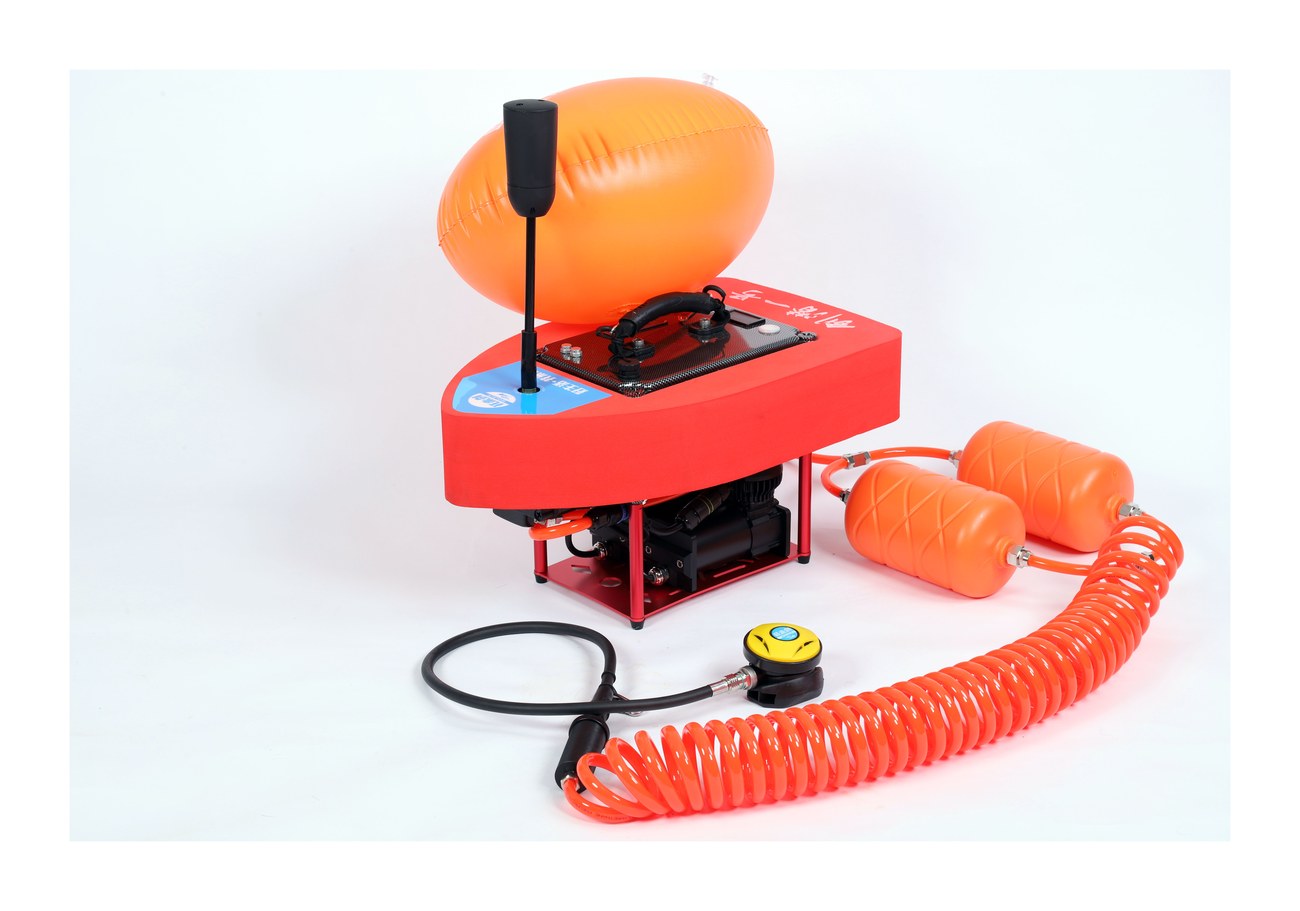
S6 vs S7 vs S9 vs S77: Which WOLACH Is Right for You?
Four models, one air path. Pick by how deep and how long you actually dive — the differences that matter are runtime, delivery and hose length, not features.