S9: Motor Disassembly on the Service Bench
The S9 splits differently from the S6 and S7. What changes, why the housing design differs, and what the torque sequence protects.
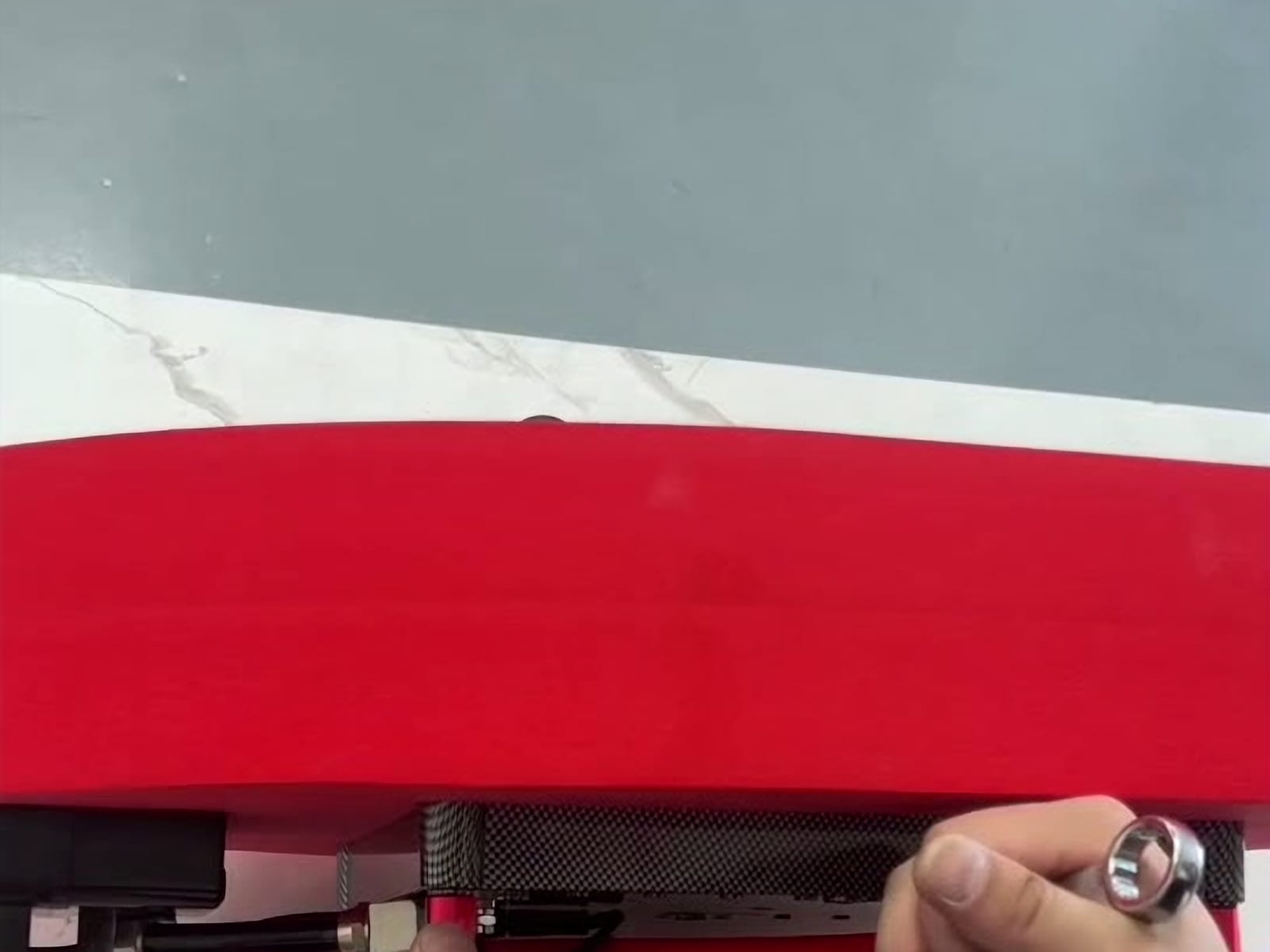
A different split line
The S9 is the first model in the range where the motor and the compressor barrel separate independently. Practically, that means a motor swap on an S9 does not disturb the air path at all — no need to re-seal the compressor side, no need to re-run the delivery test on the whole machine. It is the main reason an S9 service is faster than an S6 or S7 service of the same depth rating.
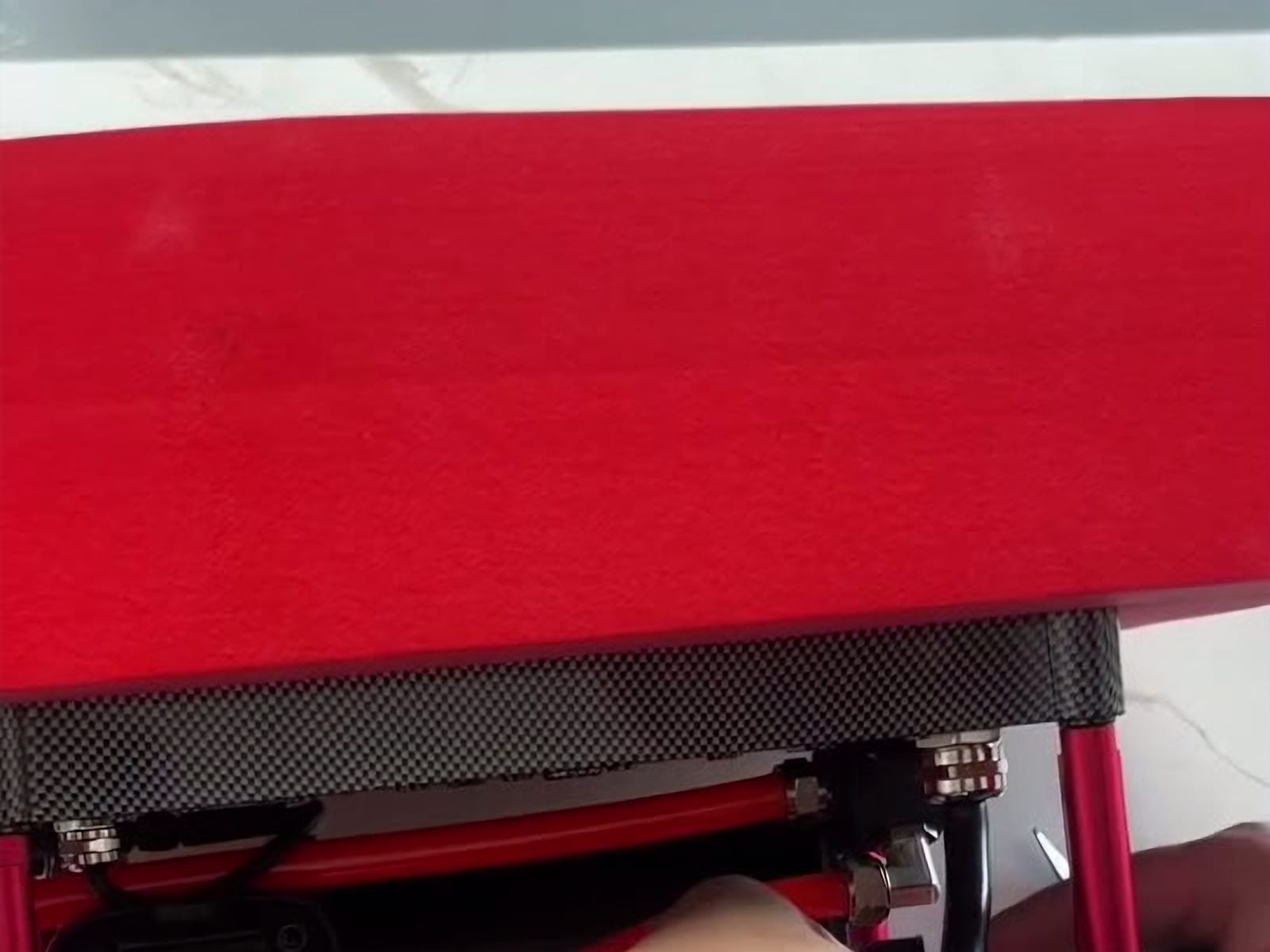
Separating the halves
There are no hidden fasteners, but there is a bond along the sealing face that needs to be broken evenly. Working one corner first will bend the face, and a bent face does not reseal no matter how much sealant goes on it. The tooling for this is in the service kit — a plastic wedge rather than anything metal.
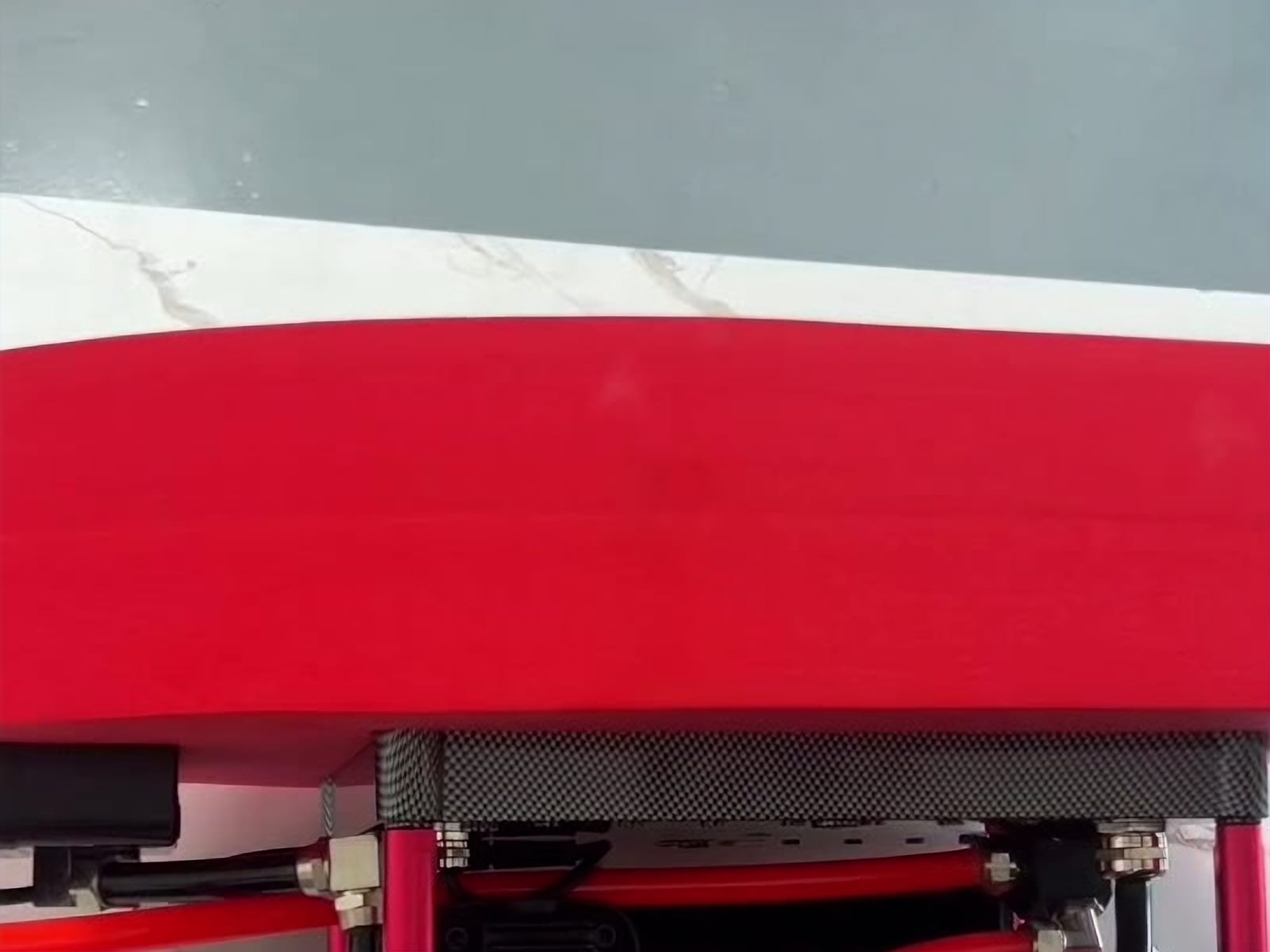
Same warranty boundary
As with the S6 and S7, this is bench documentation. Opening the sealed motor housing ends warranty cover on that assembly, and the S9's bond line makes that particularly hard to undo properly without the right tooling. If an S9 is inside its cover period, the machine comes back to us.
FAQ
Do I need a diving certification?
How deep can I go?
What happens if the battery runs low?
Keep reading
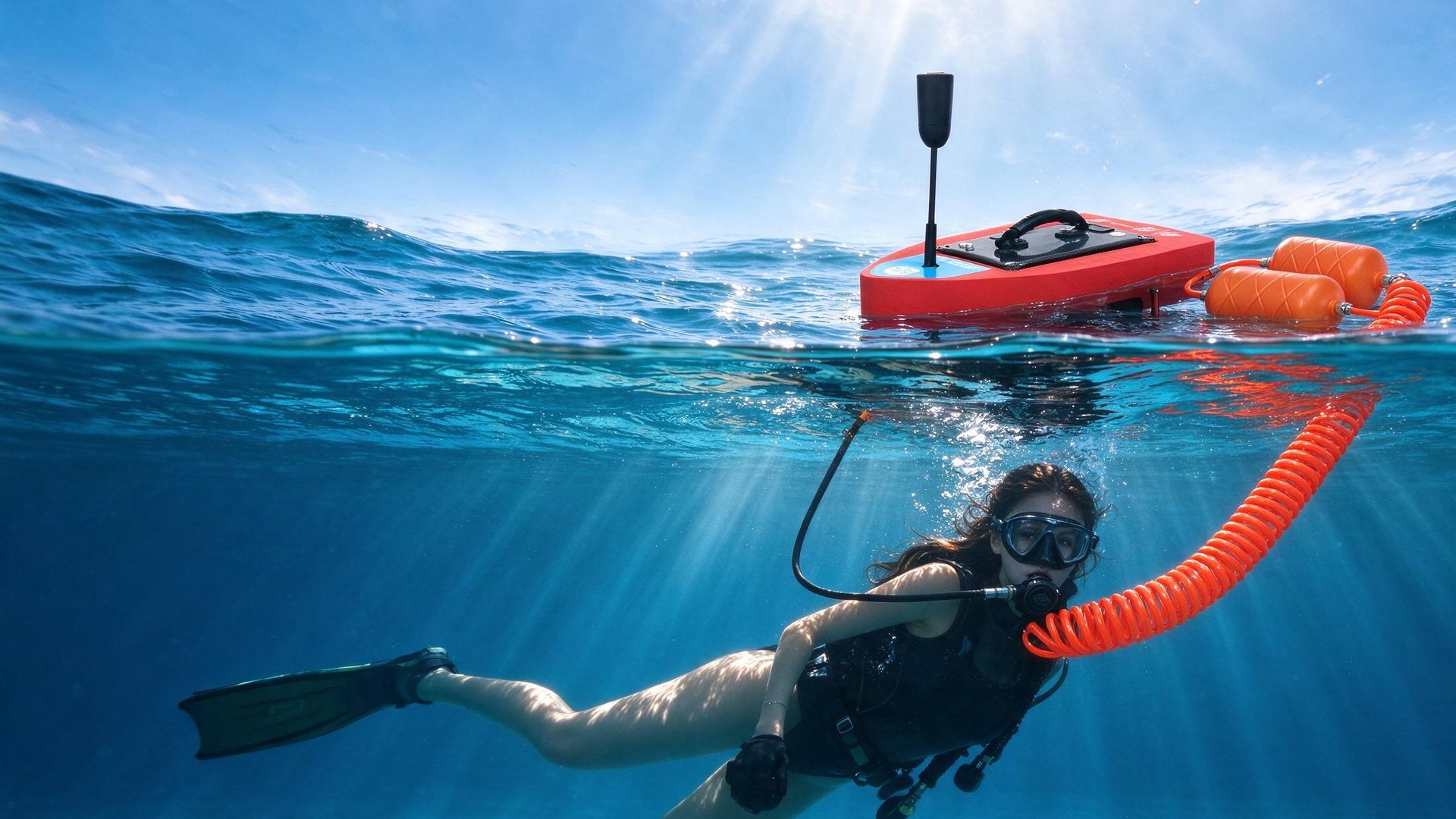
Scuba Tank vs. Tankless Hookah Diving: The Complete 2026 Comparison
Cost, bottom time, depth, safety and logistics — an honest, side-by-side look at when a surface-supply system beats a tank, and when it doesn’t.
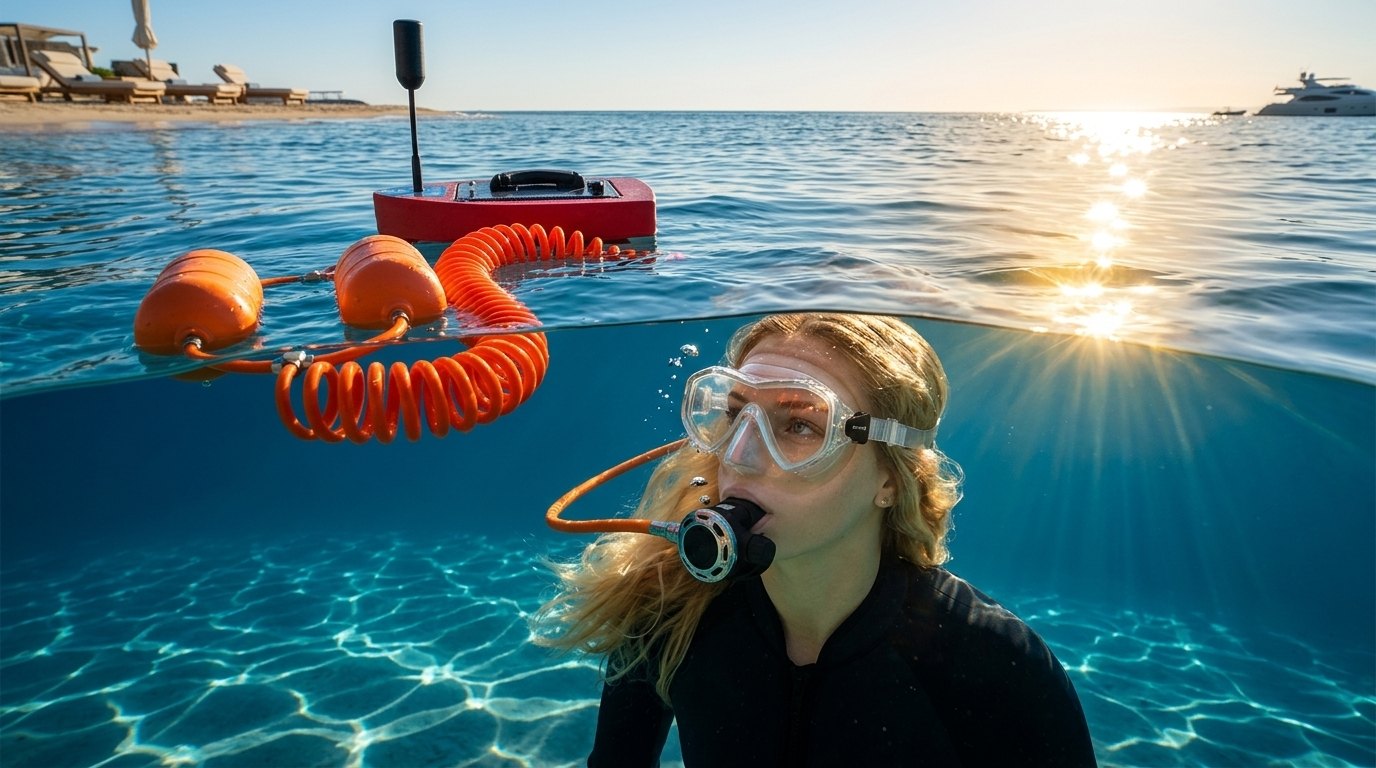
How Deep Can You Go With a Hookah Diving System?
Rated depth vs. tested depth, why hose length is not depth, and the no-decompression limits that still apply.
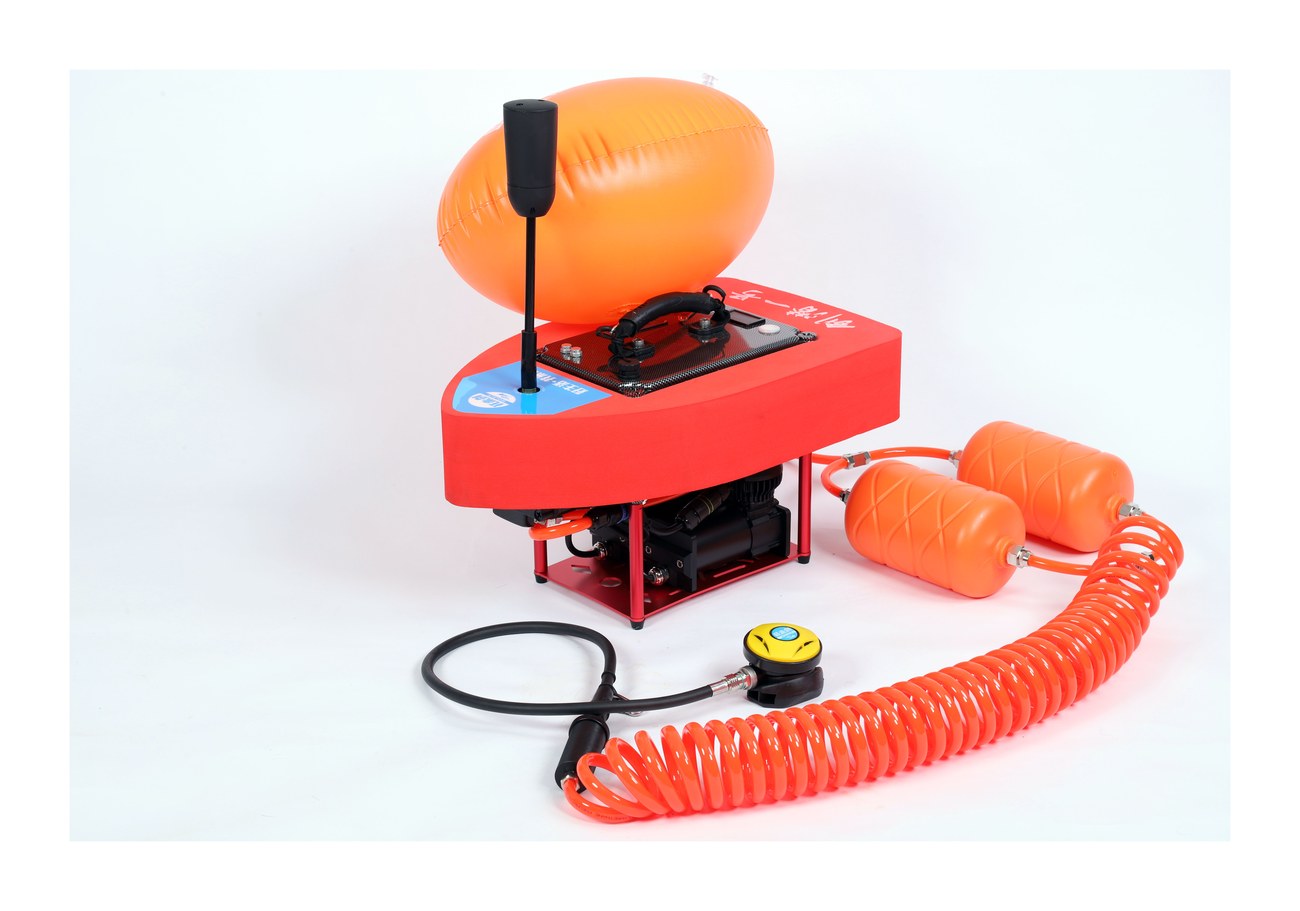
S6 vs S7 vs S9 vs S77: Which WOLACH Is Right for You?
Four models, one air path. Pick by how deep and how long you actually dive — the differences that matter are runtime, delivery and hose length, not features.