Sanmen Island: A Boat Day With Four Divers
One machine, four divers, two tanks of fuel and a very long lunch. What a boat day actually looks like when the surface unit has to keep up with a rotation.

- Max depth · 18 m
- Bottom time · 58 min
- Water temp · 24 °C
- Visibility · 10 m
- System · WOLACH S9
- Dived · Jul 23, 2026
Four divers, one machine, and a boat that had to be repositioned twice as the tide ran. The plan was a rotation: two in the water at a time, each pair getting an hour, with the unit sitting in the lee of the boat and the hose going off the ladder side only. What actually happened was closer to three hours of diving and a lot of standing around eating, which is what a good boat day looks like when nobody is fighting a cylinder change.
Setting the unit for a rotation
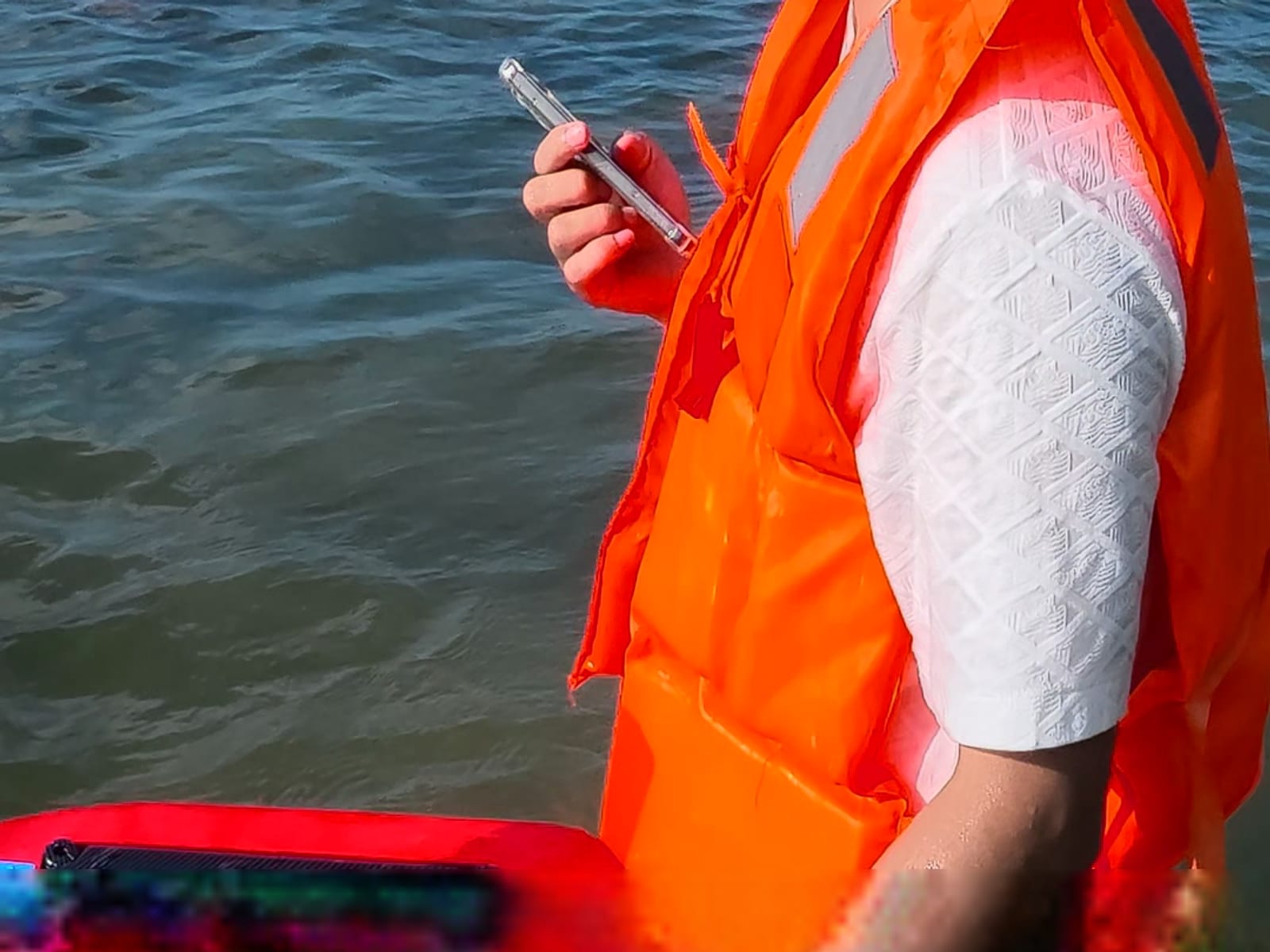
The interesting problem on a boat with a hose is not the diving, it is the handover. Every pair change means the machine has to be either pulled up or left running, and leaving it running with a hose in the water while somebody climbs a ladder is exactly the kind of unglamorous detail that causes damage. Our solution was to leave it running, tether it short so it could not drift under the hull, and have the outgoing pair come up the hose to the float and across on a grab line. It added about two minutes per rotation and removed any chance of a hose being dragged over a gunwale.
The diving
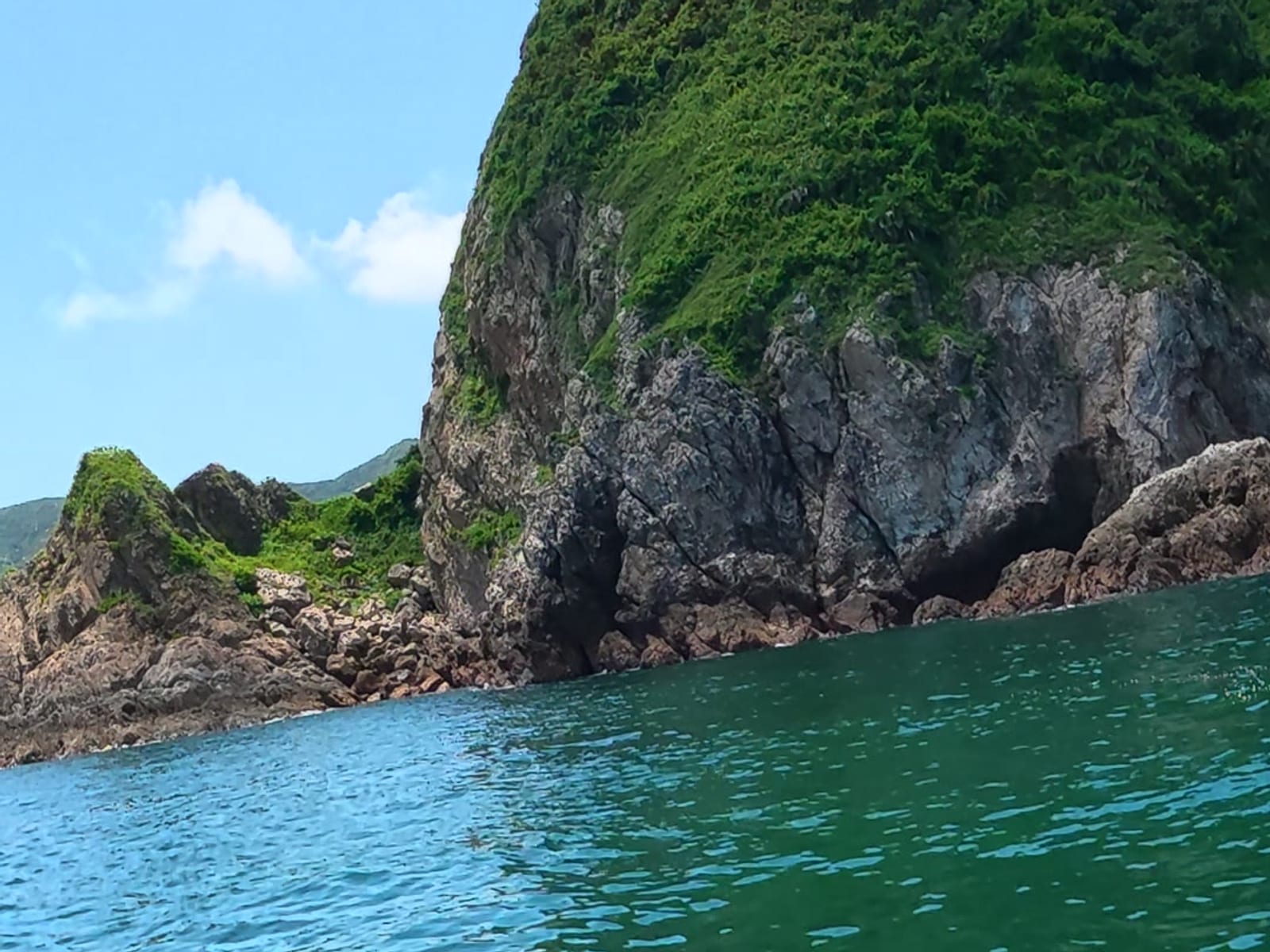
Eighteen metres maximum on the deepest pair, ten metres of visibility, and water at twenty-four degrees. Rock and rubble with a surprising amount of life for a site this close to a shipping lane, and a mild current that made the second rotation a drift rather than a position. The S9 was barely working: sixty litres a minute of demand against a machine rated for ninety-five, with the battery still at two bars after three hours of running on and off. That number is the whole argument for taking the bigger machine on a boat day even when the depth does not require it.
What went wrong, mildly
Two things, neither of them interesting and both worth recording. The first pair lost the float’s position when the current picked up, and spent a couple of minutes swimming up-current before finding the hose again — which is the classic drift error and is fixed by launching the float down-current of the working area rather than trying to hold position. And the tether on the unit came loose once when the tide changed, letting it drift about ten metres before anyone noticed. Nobody was in the water at the time, which is the only reason it was a nonevent.
What we would do differently
- Launch the float down-current when there is any flow; do not try to hold a position
- Check the unit tether at every rotation, because tide changes load it twice
- Take the bigger machine on boat days. Runtime is the limit on a rotation, not depth
- Write the shutdown procedure on the boat, not in a phone
Keep reading
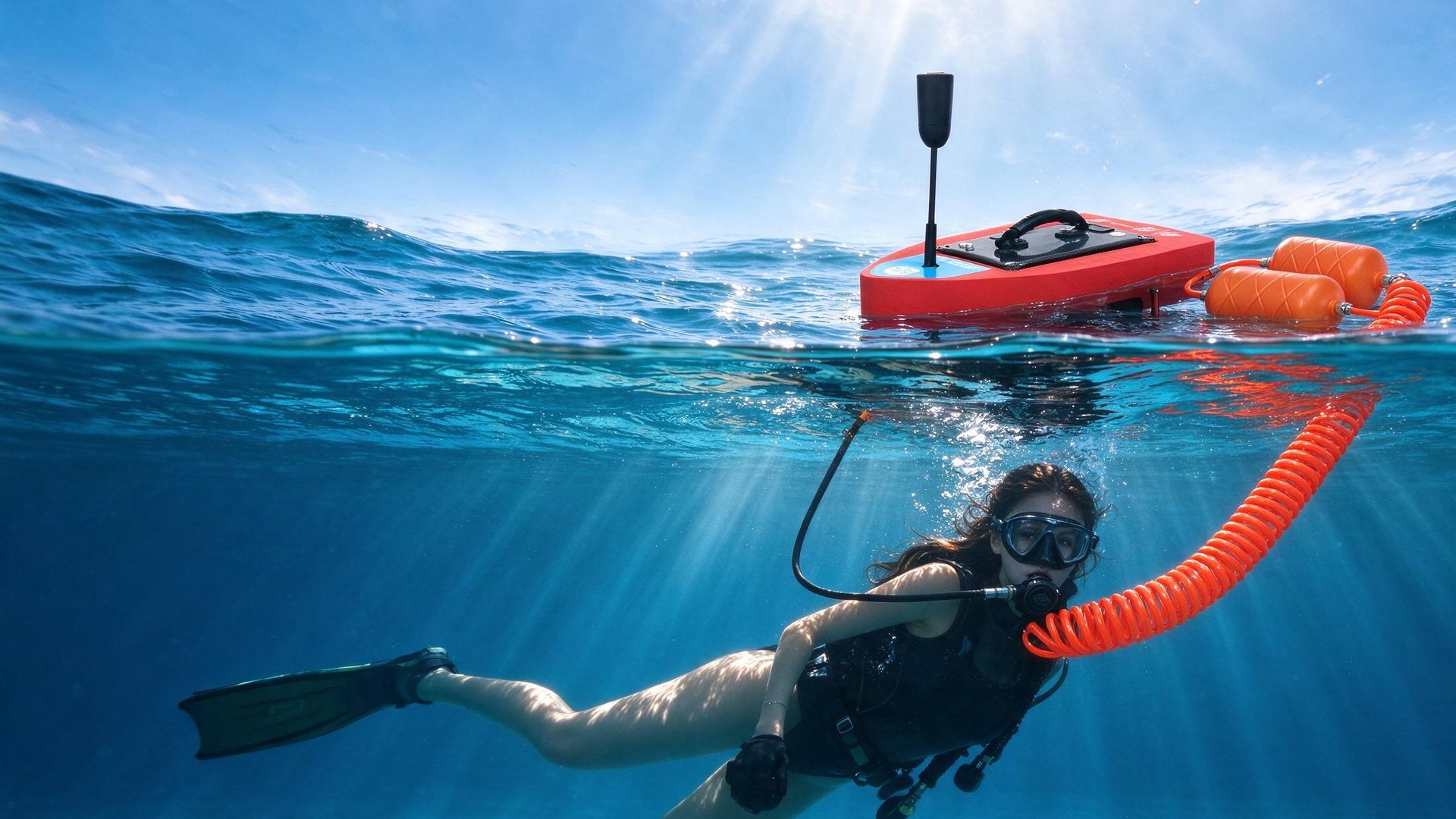
Scuba Tank vs. Tankless Hookah Diving: The Complete 2026 Comparison
Cost, bottom time, depth, safety and logistics — an honest, side-by-side look at when a surface-supply system beats a tank, and when it doesn’t.
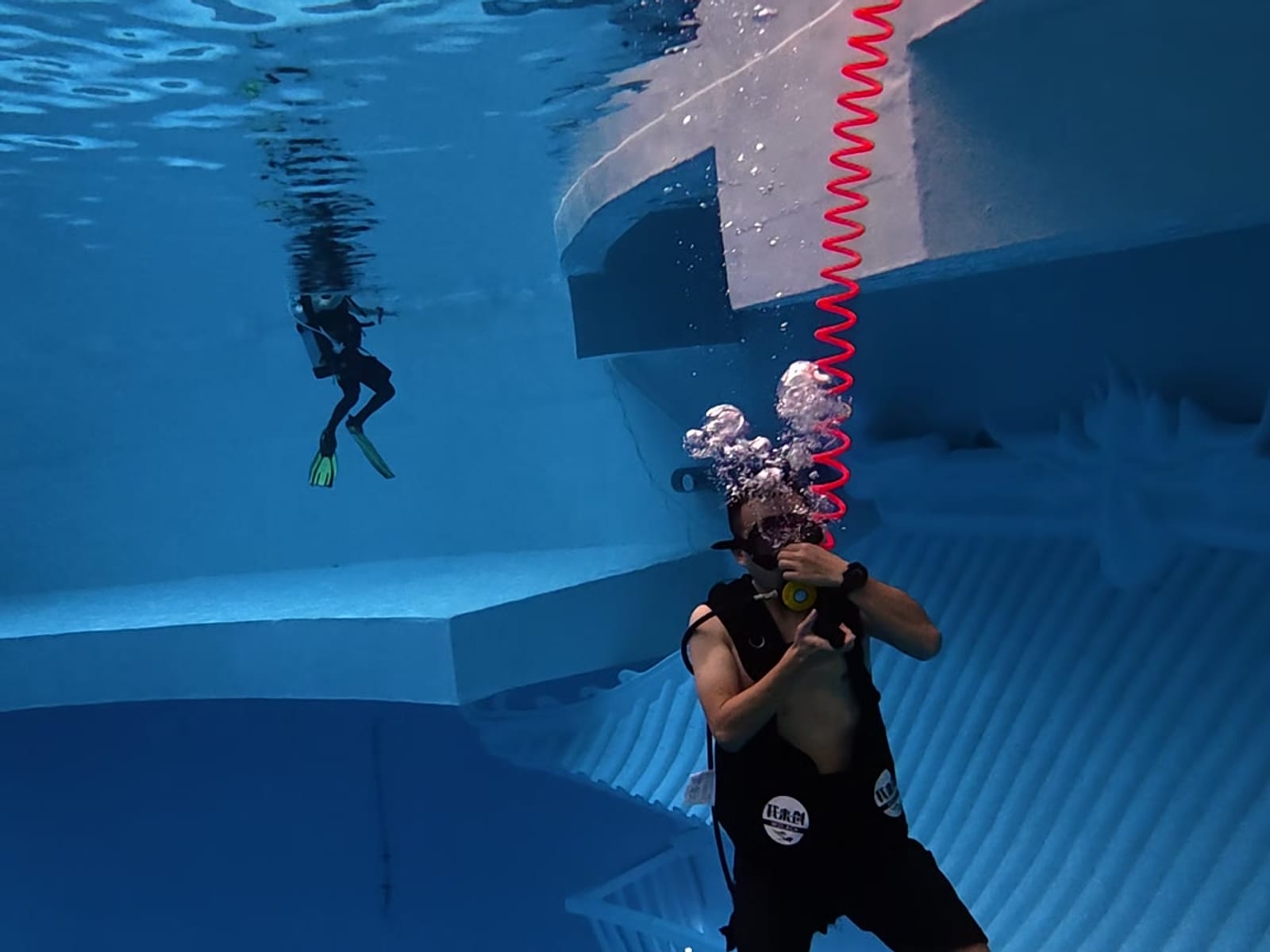
How Deep Can You Go on a Hookah System?
Rated depth is not tested depth, and hose length is not depth at all. The three numbers people confuse, and the no-decompression limits that apply to a hose exactly as they do to a tank.
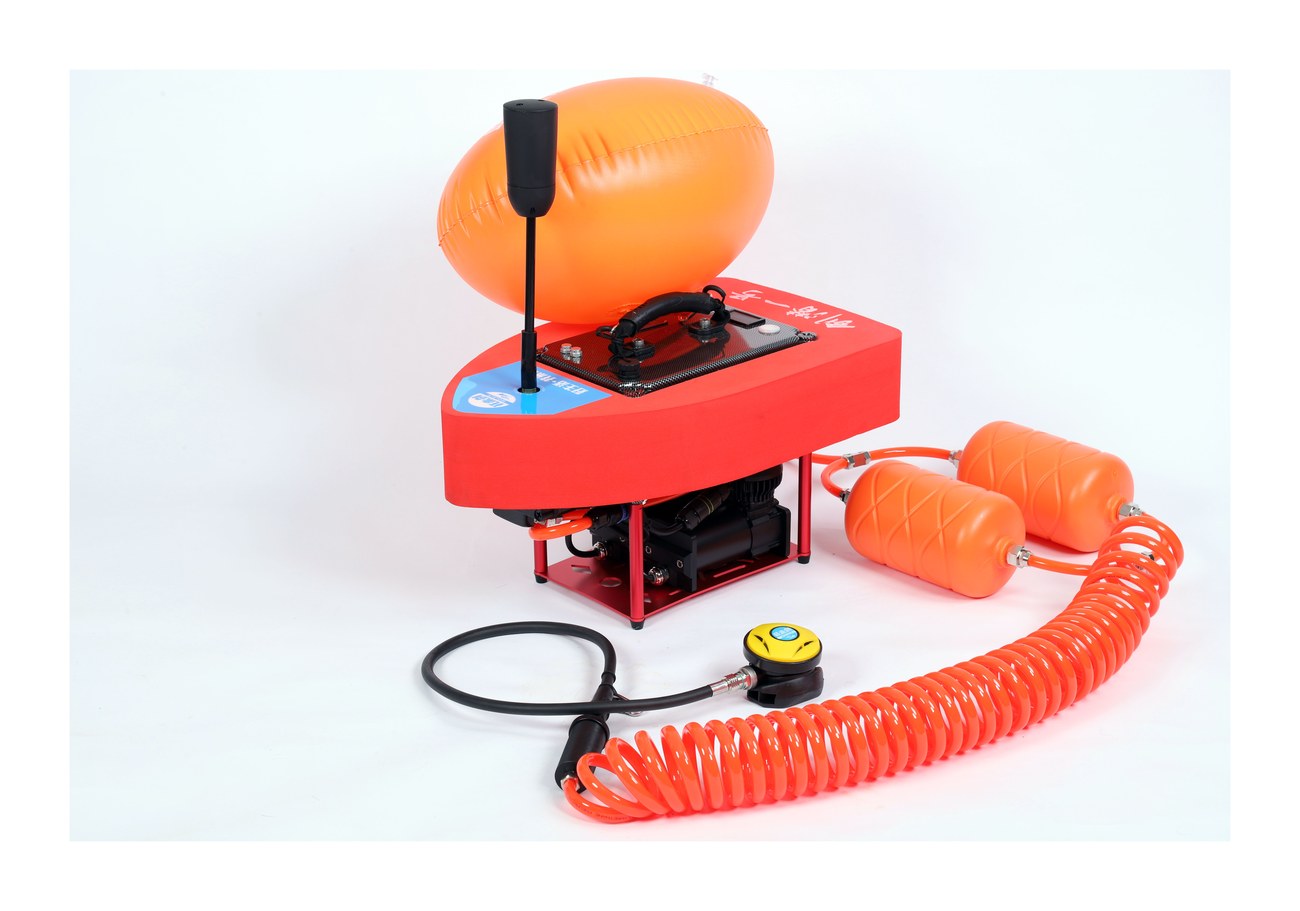
S6 vs S7 vs S9 vs S77: Which WOLACH Is Right for You?
Four machines, one air path, three numbers that decide it. How to pick by the diving you actually do rather than the depth rating you aspire to.