The Second Stage: Construction and the Four Faults Behind Most Complaints
Free-flow, hard breathing, water in the mouthpiece and a hiss at the coupling. What is inside the regulator, and which of those four it explains.
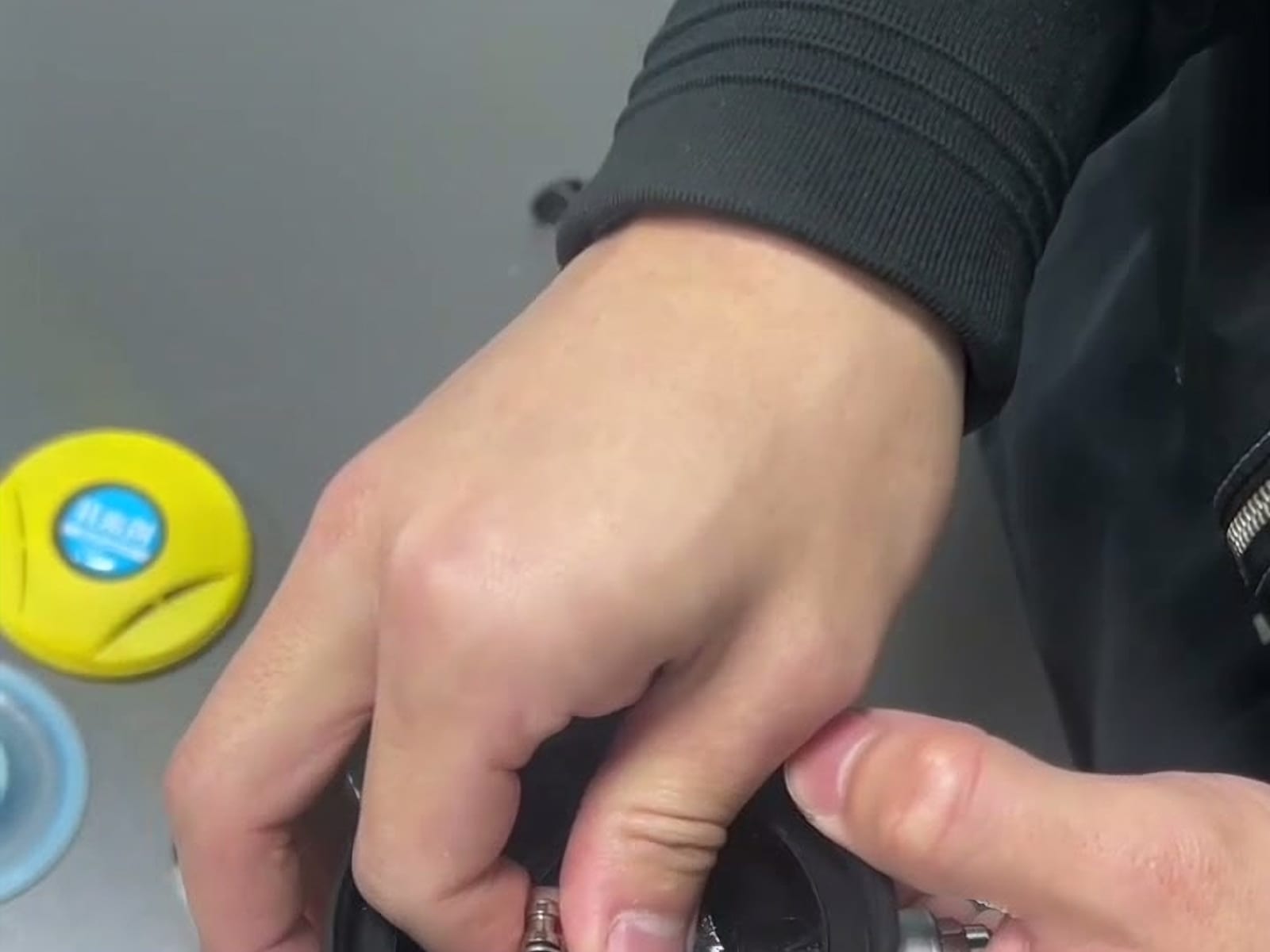
A simple part doing the whole job
The second stage is a demand valve: a diaphragm senses the slight pressure drop when you start to inhale and opens a poppet to deliver from the hose. There is no adjustment inside that changes the air, only the effort it takes to open the valve — which is why almost every complaint about a regulator traces back to one of four mechanical causes rather than to air quality.
The four faults, in the order we see them
- Free-flow — the poppet is not seating. Usually grit on the seat, sometimes a stretched lever.
- Hard breathing — the lever is set too low, or the diaphragm is stiffening with age.
- Water in the mouthpiece — the diaphragm edge is not sealing, or the exhaust valve is torn.
- Hiss at the coupling — the hose O-ring, not the regulator. Check the cheap end first.
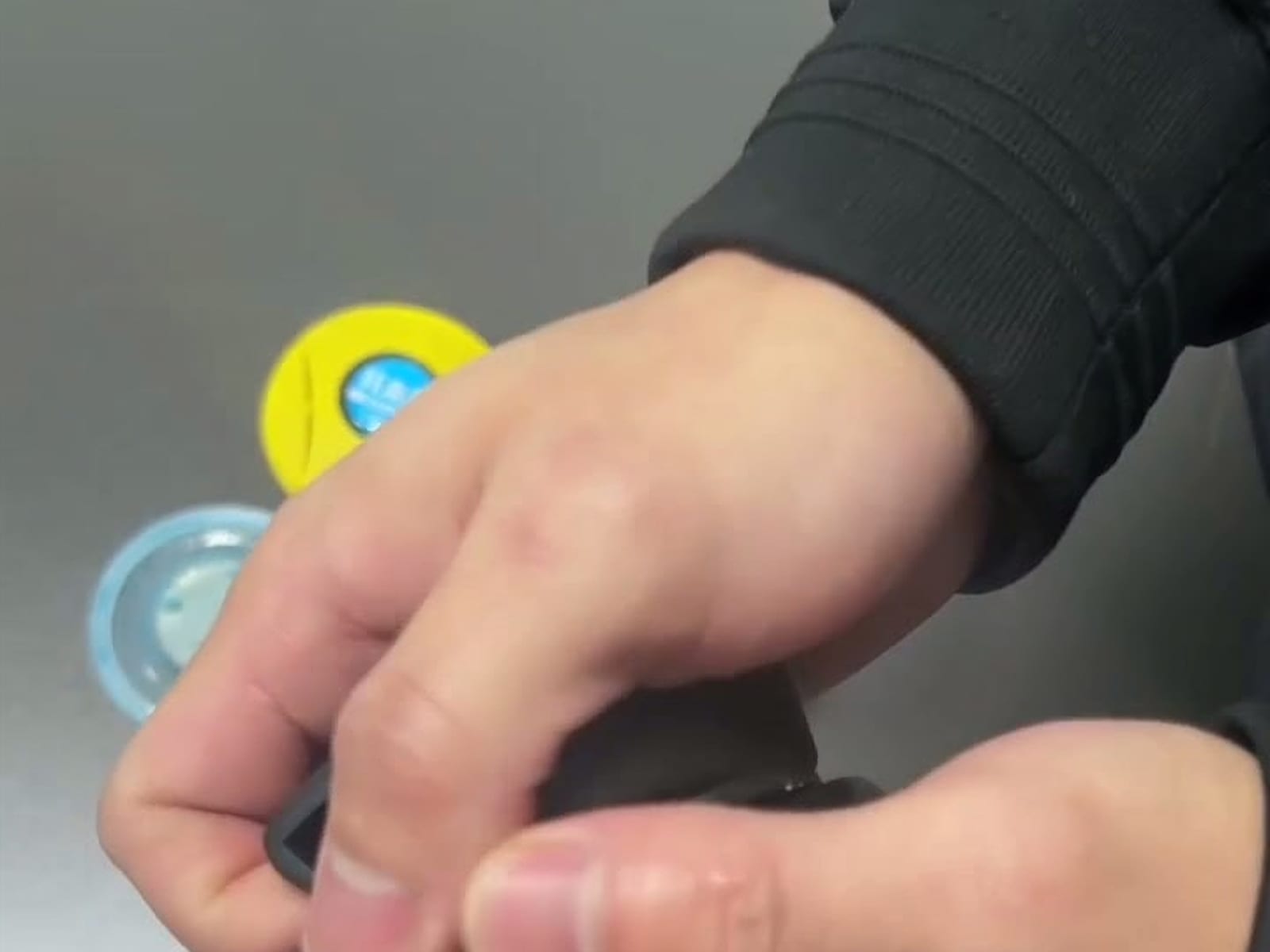
Adjusting breathing effort
Breathing resistance is set by the lever height, and a very small change in it makes a large difference in feel — a couple of tenths of a millimetre is the whole adjustment range. Factory setting is verified on a pressure gauge, so if you adjust yours by feel, do it a fraction at a time and test in a pool rather than in open water.
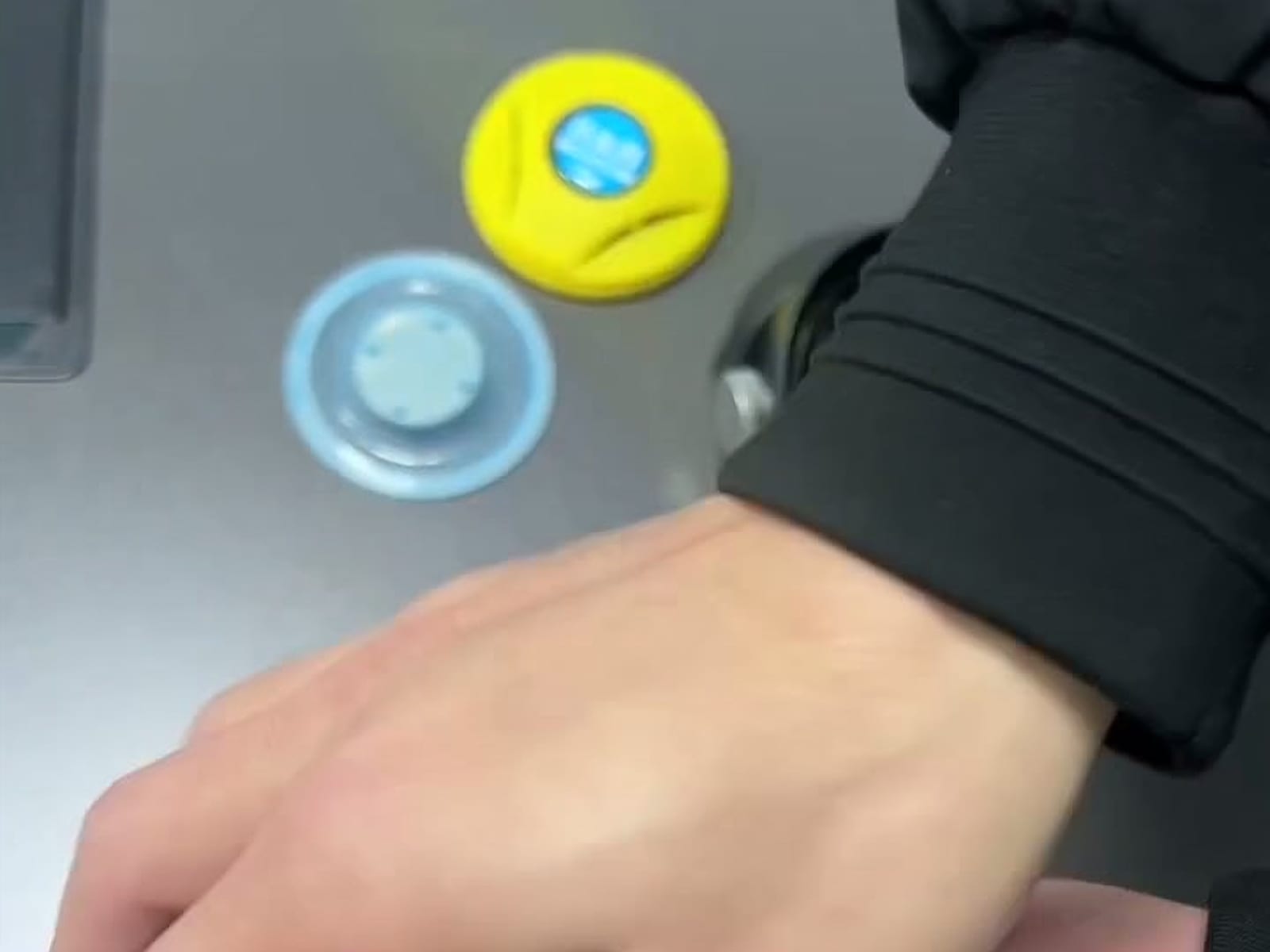
When to stop and send it in
Free-flow that returns after a clean, a poppet that will not seat on a clean seat, or any crack in the lever or body: stop there. The second stage is a small part with a hard job, and building up a regulator from mismatched spares is how people end up with a unit that breathes differently on every dive.
FAQ
Do I need a diving certification?
How deep can I go?
What happens if the battery runs low?
Keep reading
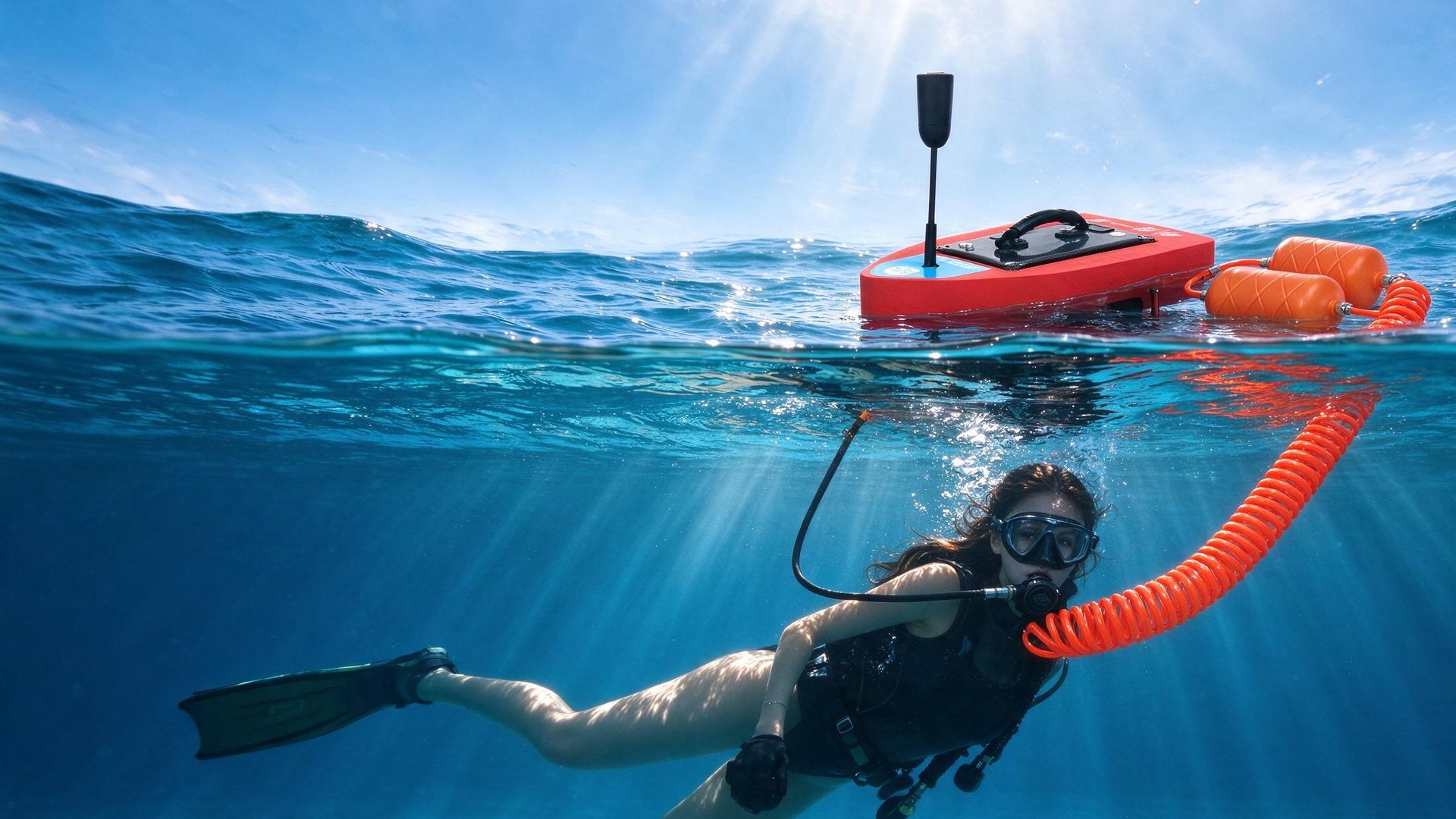
Scuba Tank vs. Tankless Hookah Diving: The Complete 2026 Comparison
Cost, bottom time, depth, safety and logistics — an honest, side-by-side look at when a surface-supply system beats a tank, and when it doesn’t.
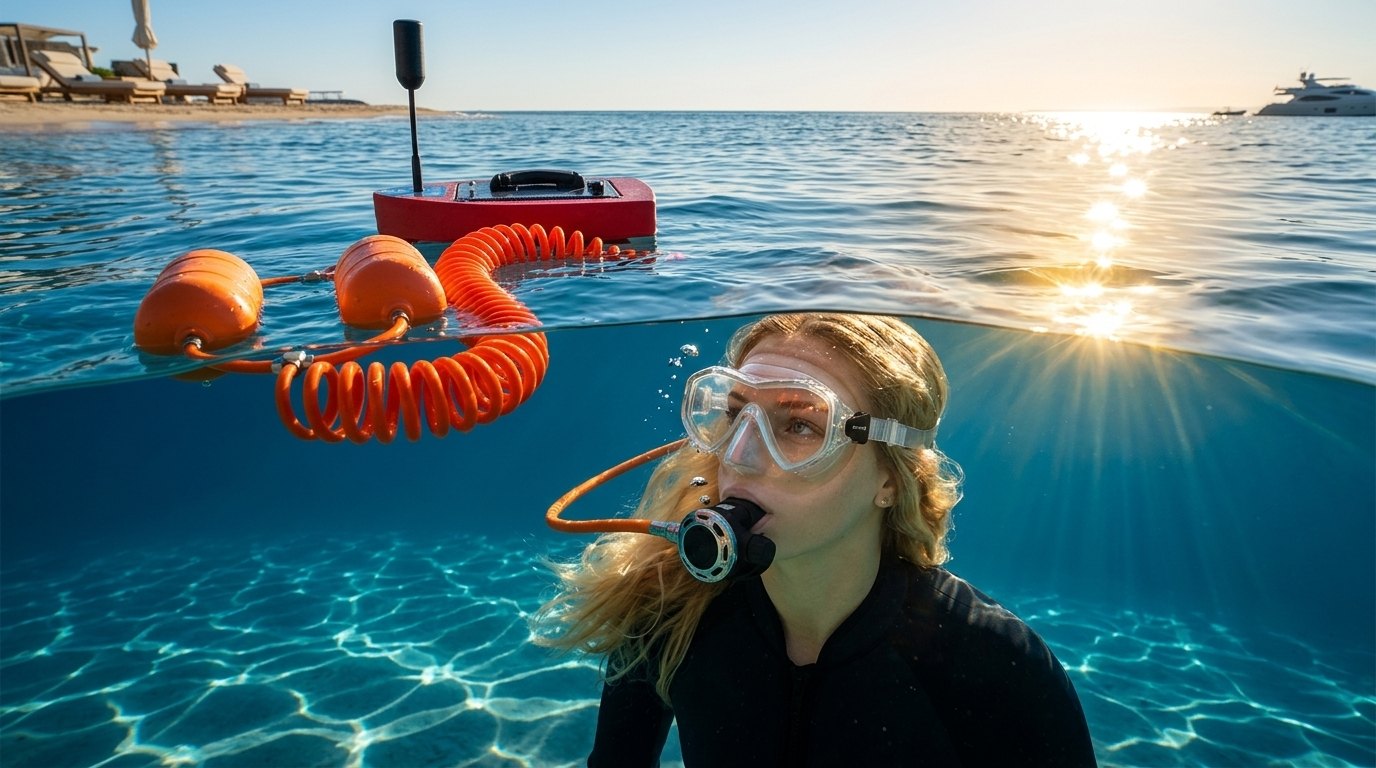
How Deep Can You Go With a Hookah Diving System?
Rated depth vs. tested depth, why hose length is not depth, and the no-decompression limits that still apply.
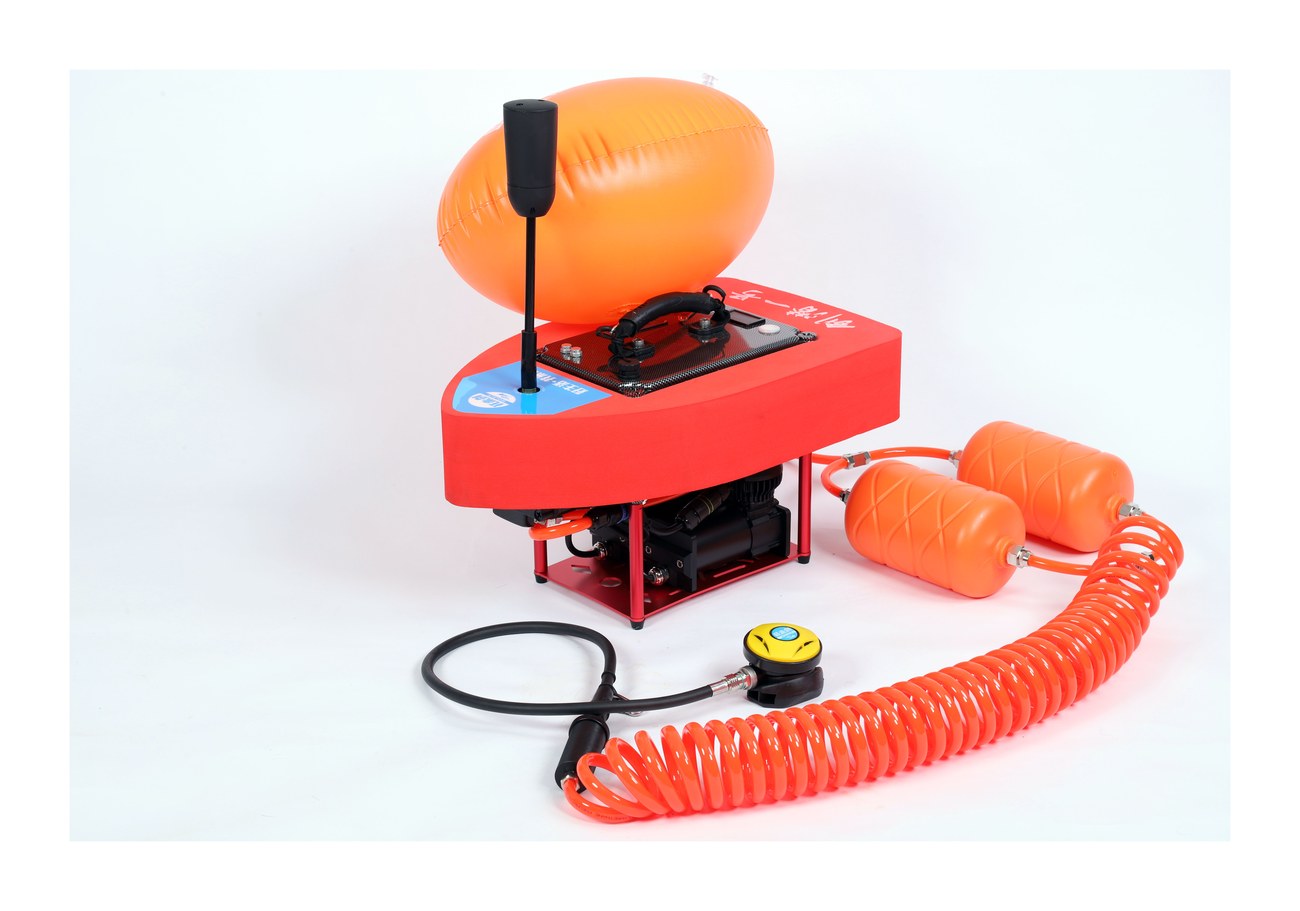
S6 vs S7 vs S9 vs S77: Which WOLACH Is Right for You?
Four models, one air path. Pick by how deep and how long you actually dive — the differences that matter are runtime, delivery and hose length, not features.