Shuangyue Bay: Shore Entry With a Swell Running
A bay with two names for a reason, a shore entry that needed a second look, and a hose that spent the whole dive trying to tell us the tide had turned.
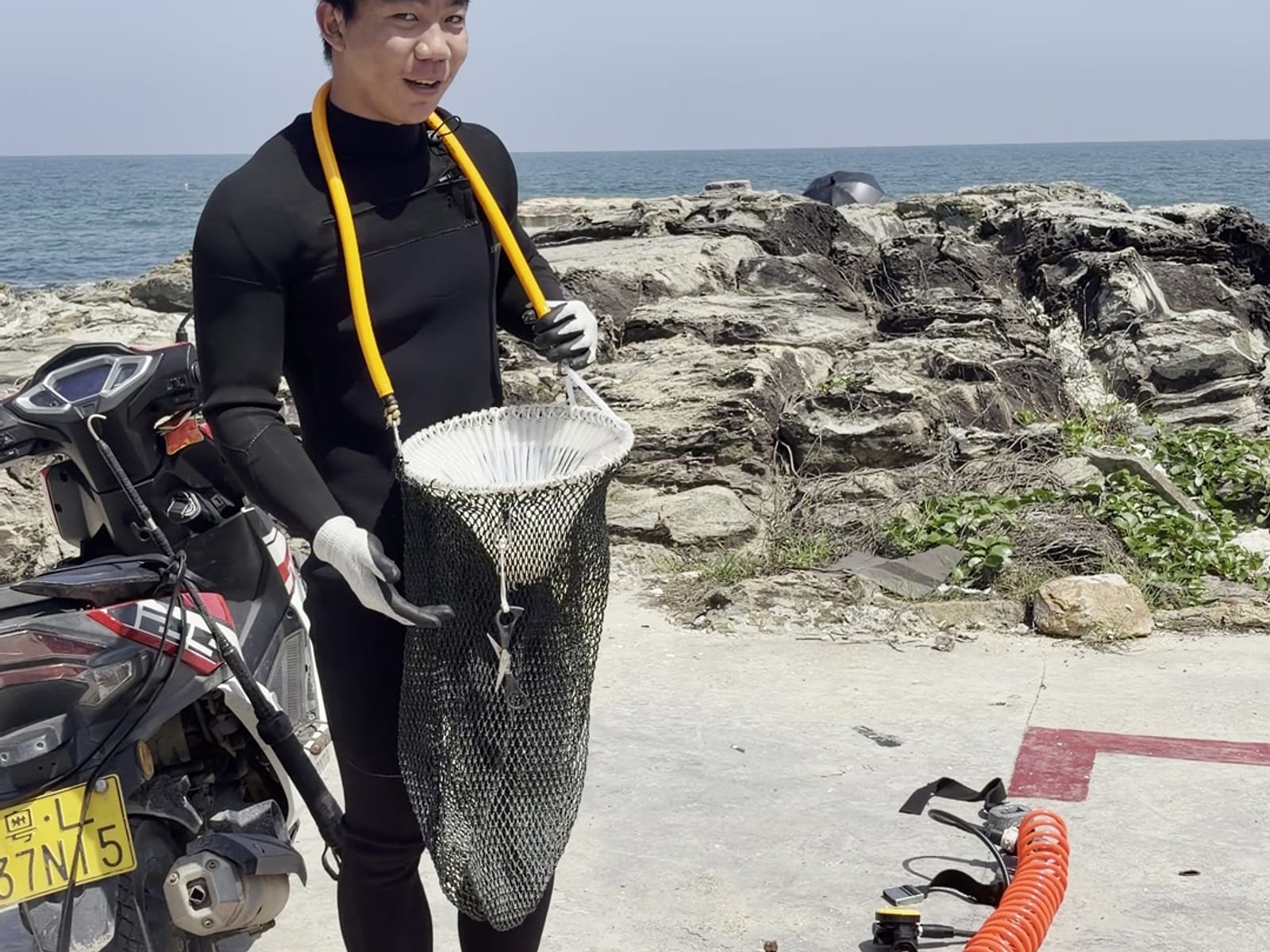
- Max depth · 11 m
- Bottom time · 47 min
- Water temp · 22 °C
- Visibility · 6 m
- System · WOLACH S7
- Dived · Apr 26, 2026
The bay looked calm from the road and was not calm at the water. That is the whole reason the entry got a second look: a swell with a short period was running into the eastern half of the bay, and from the car park it was invisible because the headland hides it until you are standing on the sand. Ten minutes spent watching rather than unloading is the cheapest decision of the day, and it changed the plan twice — once to move the entry west, and once to move the surface unit behind the rocks rather than out on the open beach.
Siting the unit
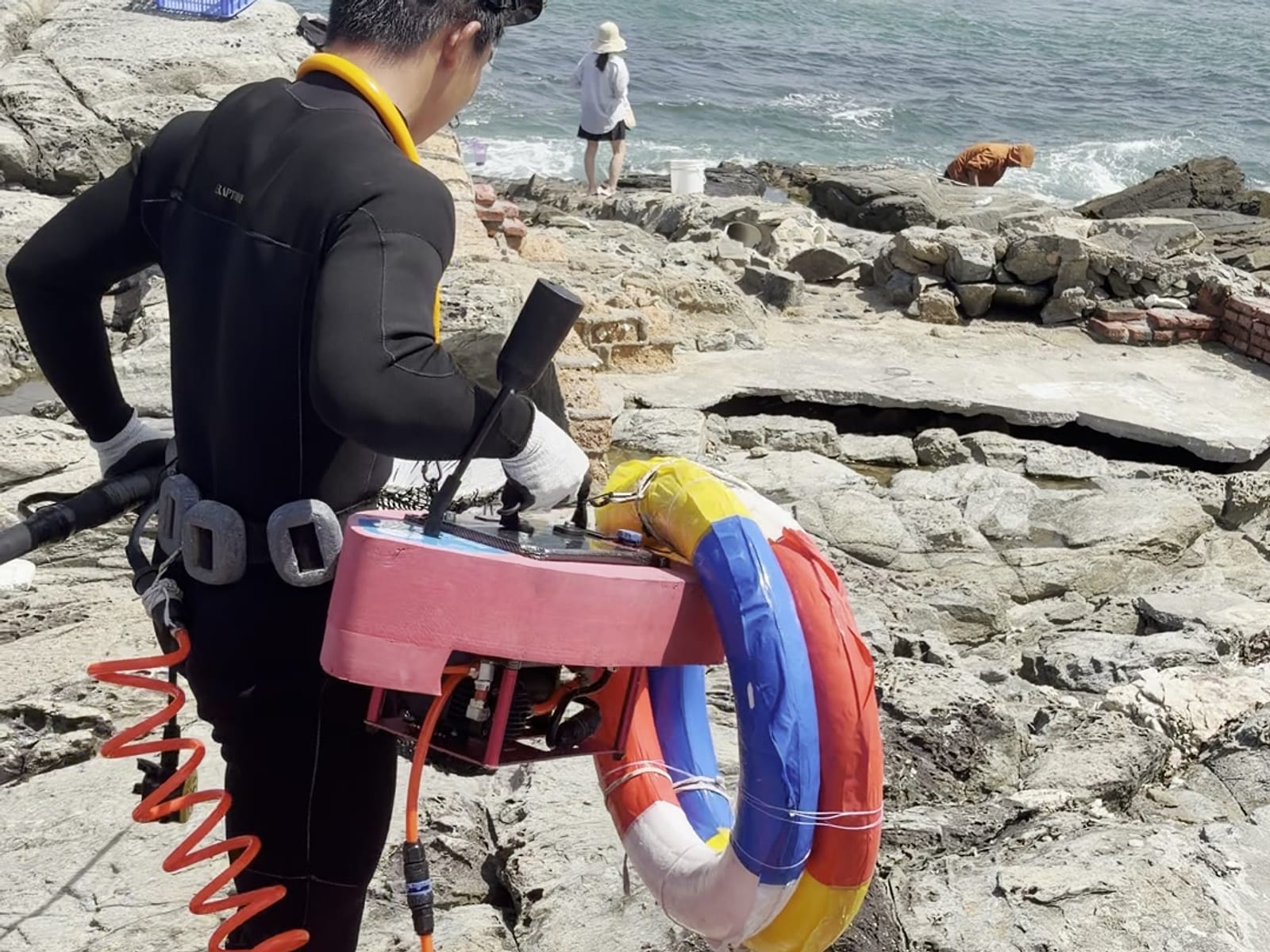
With a swell running, the surface unit is the thing that matters most and the thing a shore dive usually gives least thought to. Ours went in the lee of a rock outcrop at the western end, tethered short so it could not drift into the surf line, with the hose laid out along the sand rather than straight out to sea. The result was a machine sitting in flat water for the whole dive with a hose that ran along the bottom for ten metres before lifting. It is not elegant and it worked perfectly.
The dive itself
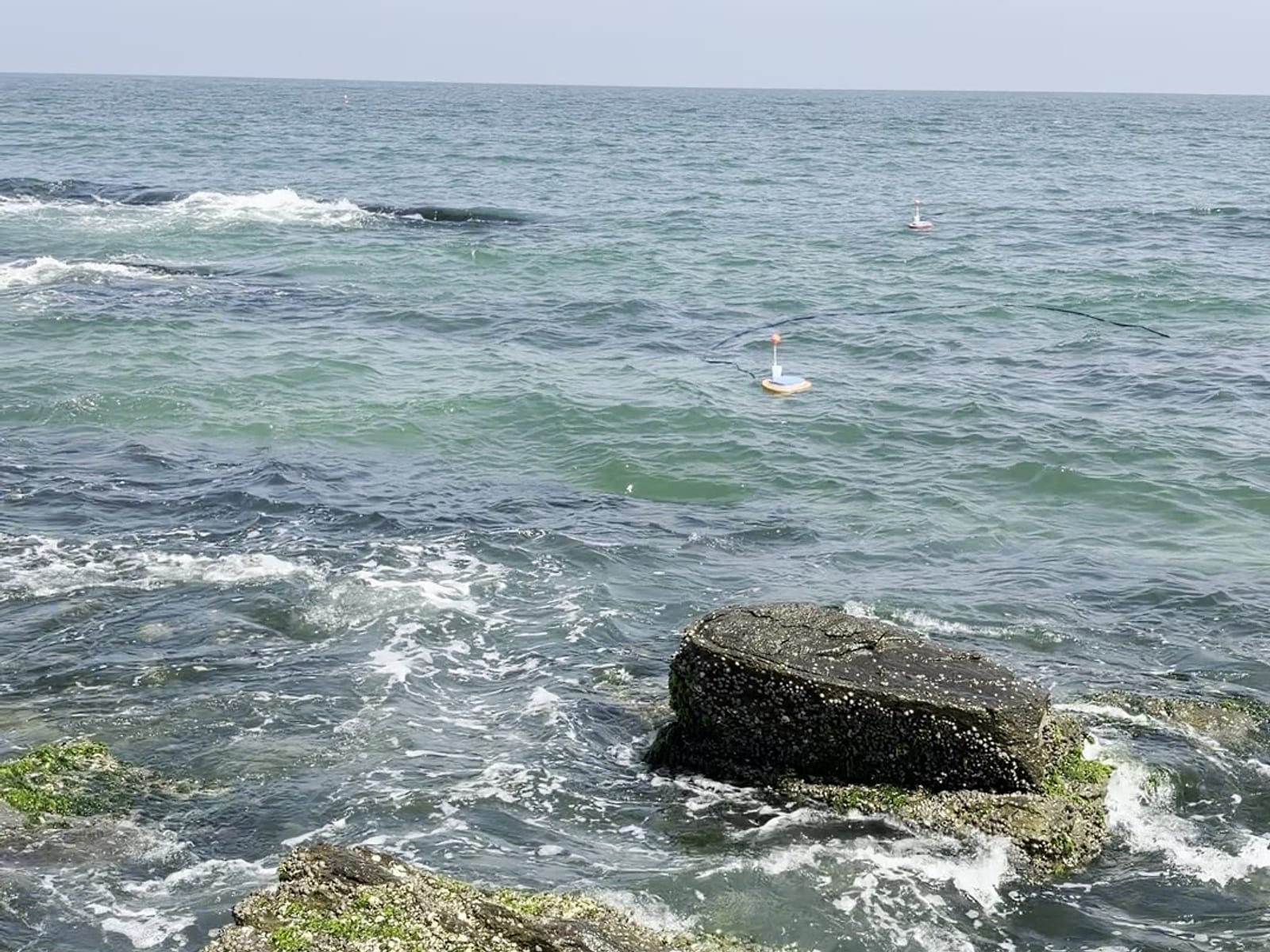
Forty-seven minutes, eleven metres maximum, and much better visibility than the surface suggested — six metres for most of it, dropping to three near the rocks where the swell was moving the sand. Two of us on the S7, sweeping a mix of sand and low reef, entirely unsurprising wildlife and a great deal of it. The hose told us about the tide before anything else did: by the halfway point the pull had changed direction and the float had moved thirty metres along the bay, which is the sort of thing you notice on a hose before you notice it any other way.
Coming out
The exit was the part we had planned most carefully, and it worked because it was the same point we entered: a sandy channel between two rock fingers, deep enough to swim into at any state of the tide. Coming up the hose to the float and then along the grab line takes longer than surfacing where you think the shore is, and it removes the whole problem of arriving at the wrong part of a beach with a swell running. Forty minutes of total underwater time across two divers, no incidents, and one weighting adjustment when the second diver went in.
What we would do differently
- Watch the water for ten minutes before unloading, every time, even when the bay looks flat
- Put the unit in the lee even if it means a longer hose run along the bottom
- Plan the exit as the entry point, and swim out along the hose rather than guessing
- Log the tide turn. It moved the float thirty metres in twenty minutes.
Keep reading
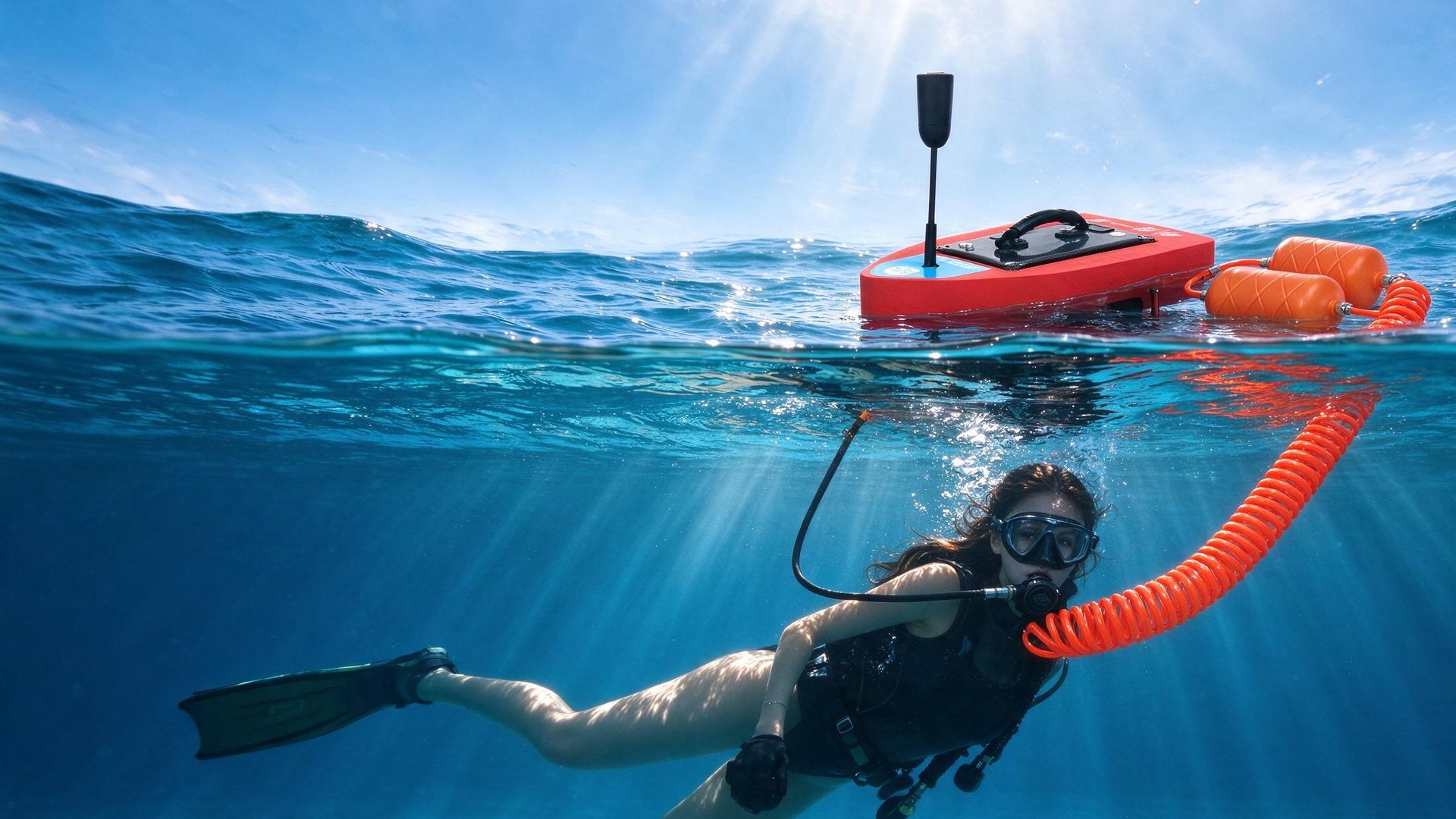
Scuba Tank vs. Tankless Hookah Diving: The Complete 2026 Comparison
Cost, bottom time, depth, safety and logistics — an honest, side-by-side look at when a surface-supply system beats a tank, and when it doesn’t.
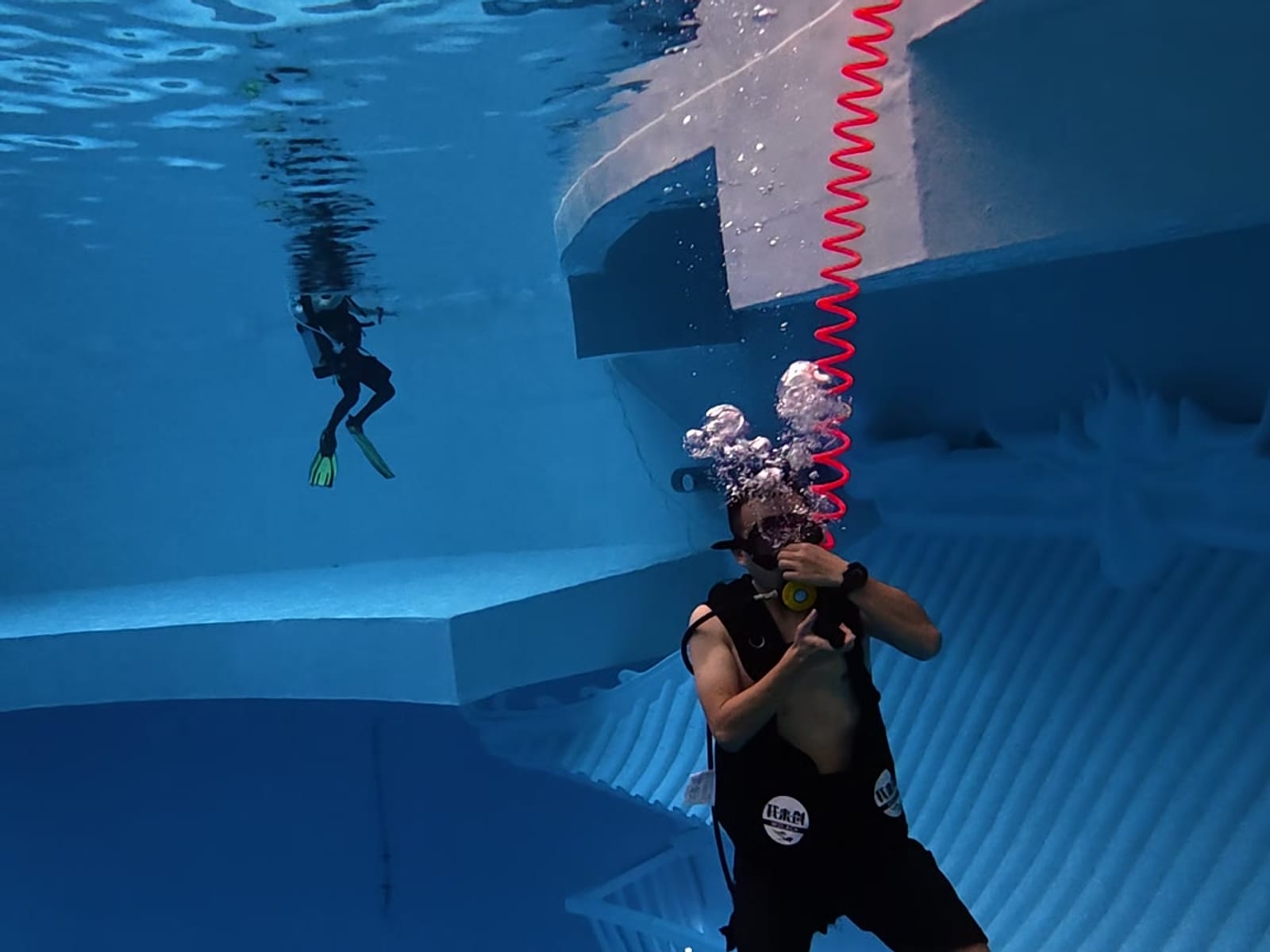
How Deep Can You Go on a Hookah System?
Rated depth is not tested depth, and hose length is not depth at all. The three numbers people confuse, and the no-decompression limits that apply to a hose exactly as they do to a tank.
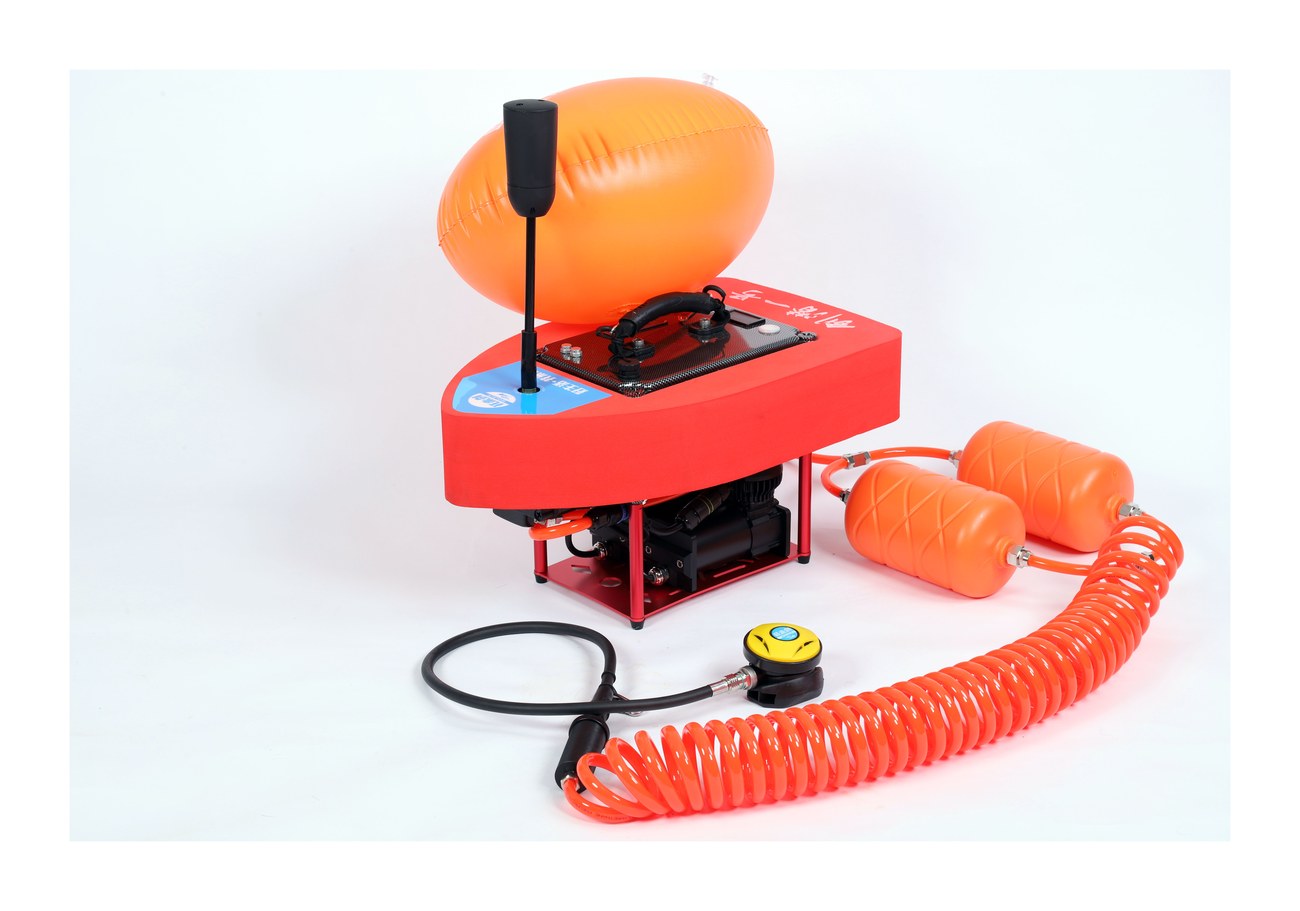
S6 vs S7 vs S9 vs S77: Which WOLACH Is Right for You?
Four machines, one air path, three numbers that decide it. How to pick by the diving you actually do rather than the depth rating you aspire to.