Twin-Pump Maintenance
The high-output models run two pump barrels in sequence. What that means for wear, why the two sides are serviced as a pair, and the one check owners can do themselves.
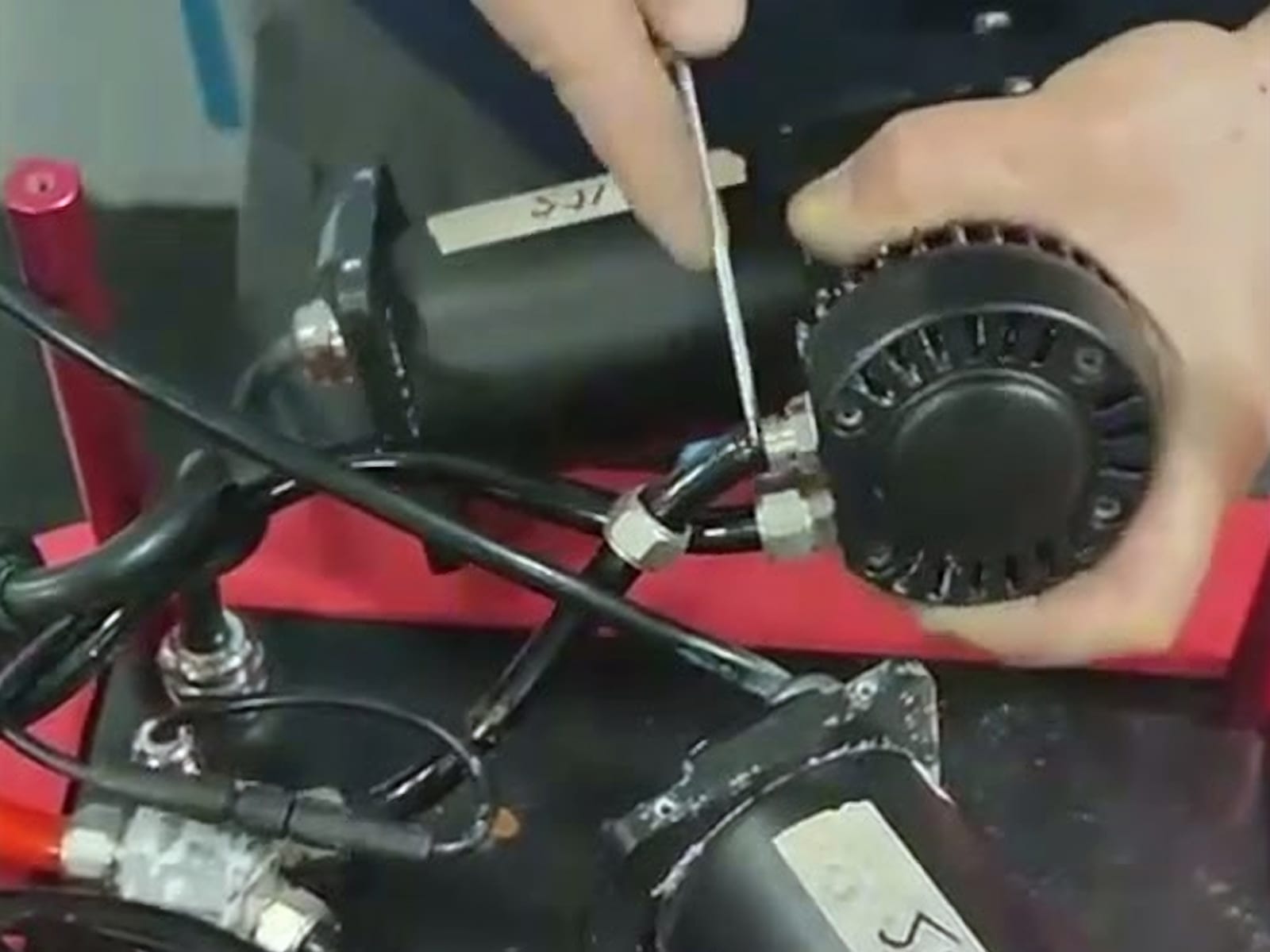
Two barrels, one delivery
The twin-pump models deliver roughly twice the airflow of the single-pump machines at the same pressure, which is what makes the deeper ratings possible — the S9 and S77 move 95 and 160 litres a minute against the S6's 63. The second barrel is a staging stage rather than a spare: air from the first feeds the second, so the two are matched and always serviced together.
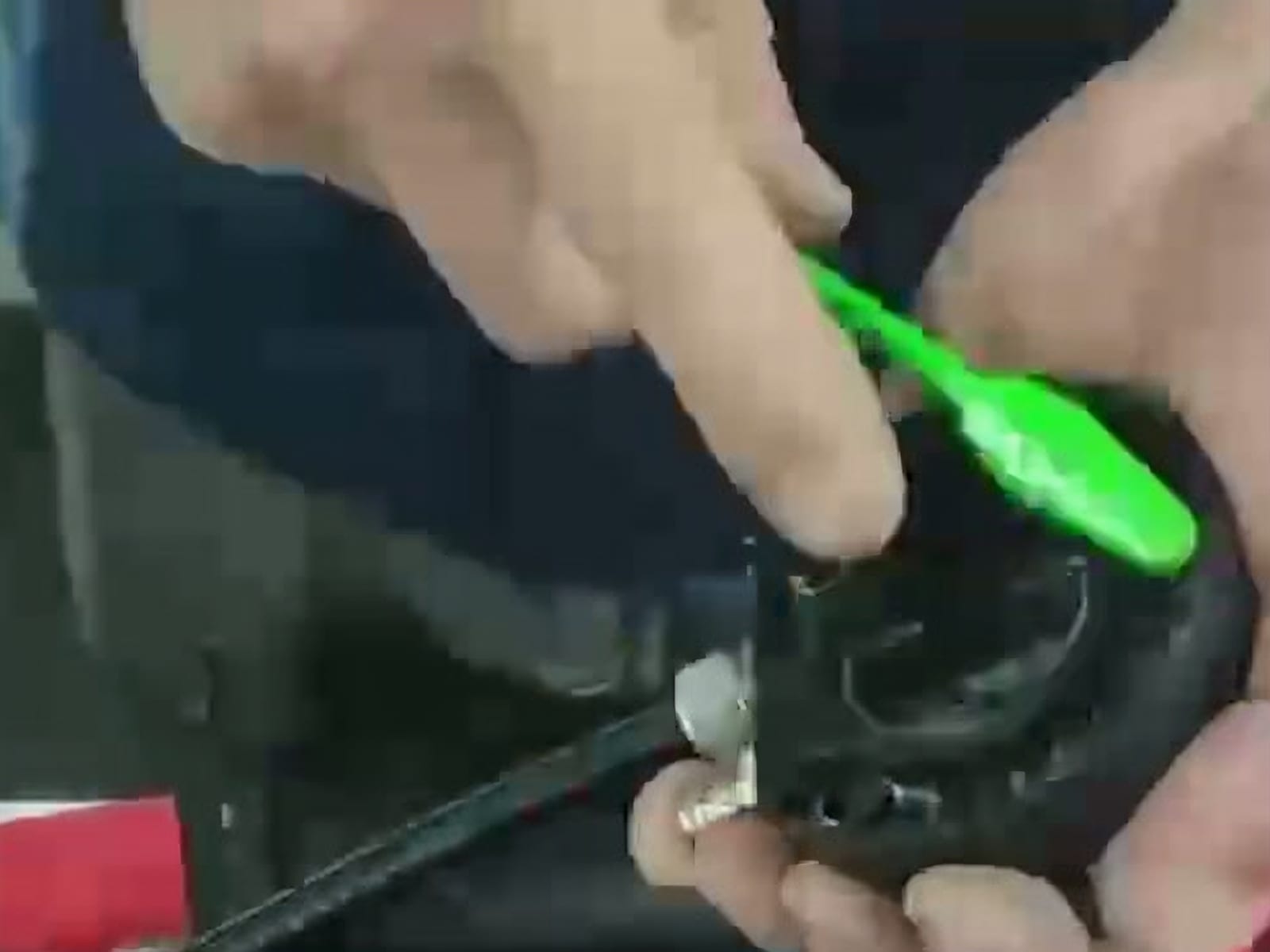
Why they are a matched pair
If one barrel is replaced and the other is left at half its life, the mismatch shows up as a delivery that sags as you descend — that is the second stage asking for more than the worn barrel can hold, and it feels like a regulator fault rather than a pump fault. Pairing the work avoids a return visit that looks like something else entirely.
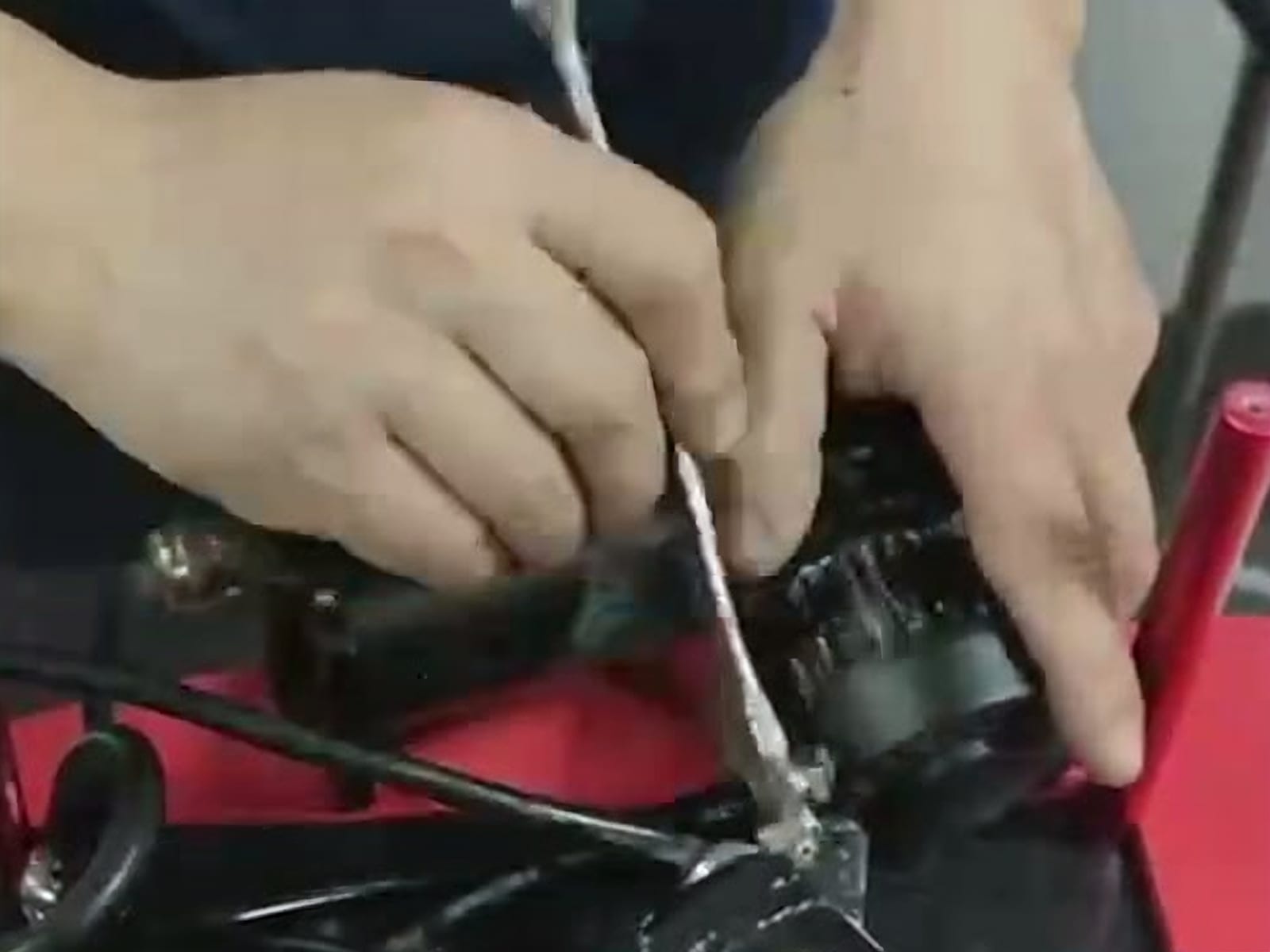
The owner check that matters
Once a month, run the machine for two minutes with the second stage held clear and listen. Twin-pump machines should sound like one continuous note. A beat frequency — a slow wah-wah as the two barrels drift in and out of phase — is the earliest sign that one side is losing efficiency, and it is audible long before it shows up as reduced airflow in the water.
FAQ
Do I need a diving certification?
How deep can I go?
What happens if the battery runs low?
Keep reading
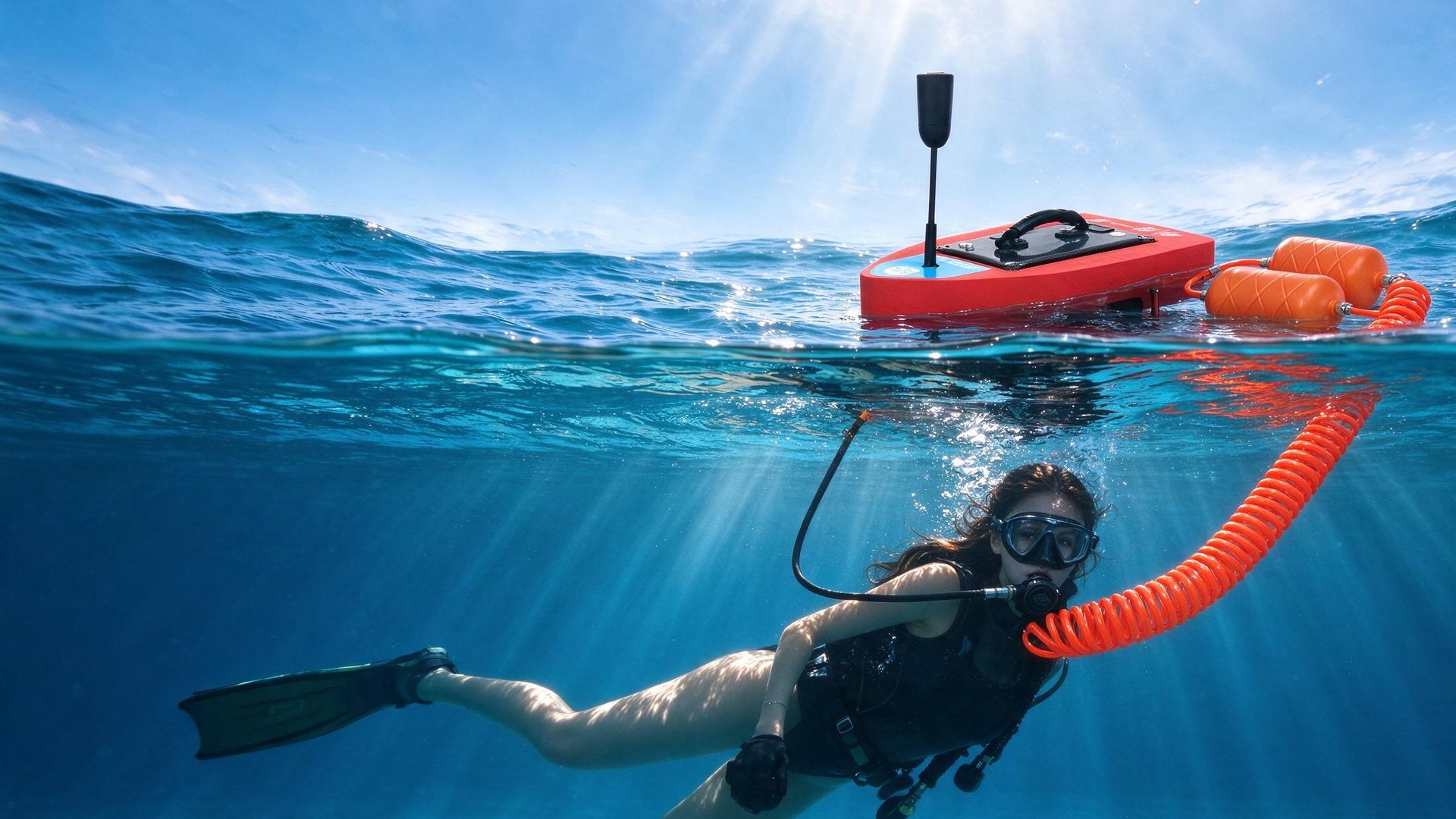
Scuba Tank vs. Tankless Hookah Diving: The Complete 2026 Comparison
Cost, bottom time, depth, safety and logistics — an honest, side-by-side look at when a surface-supply system beats a tank, and when it doesn’t.
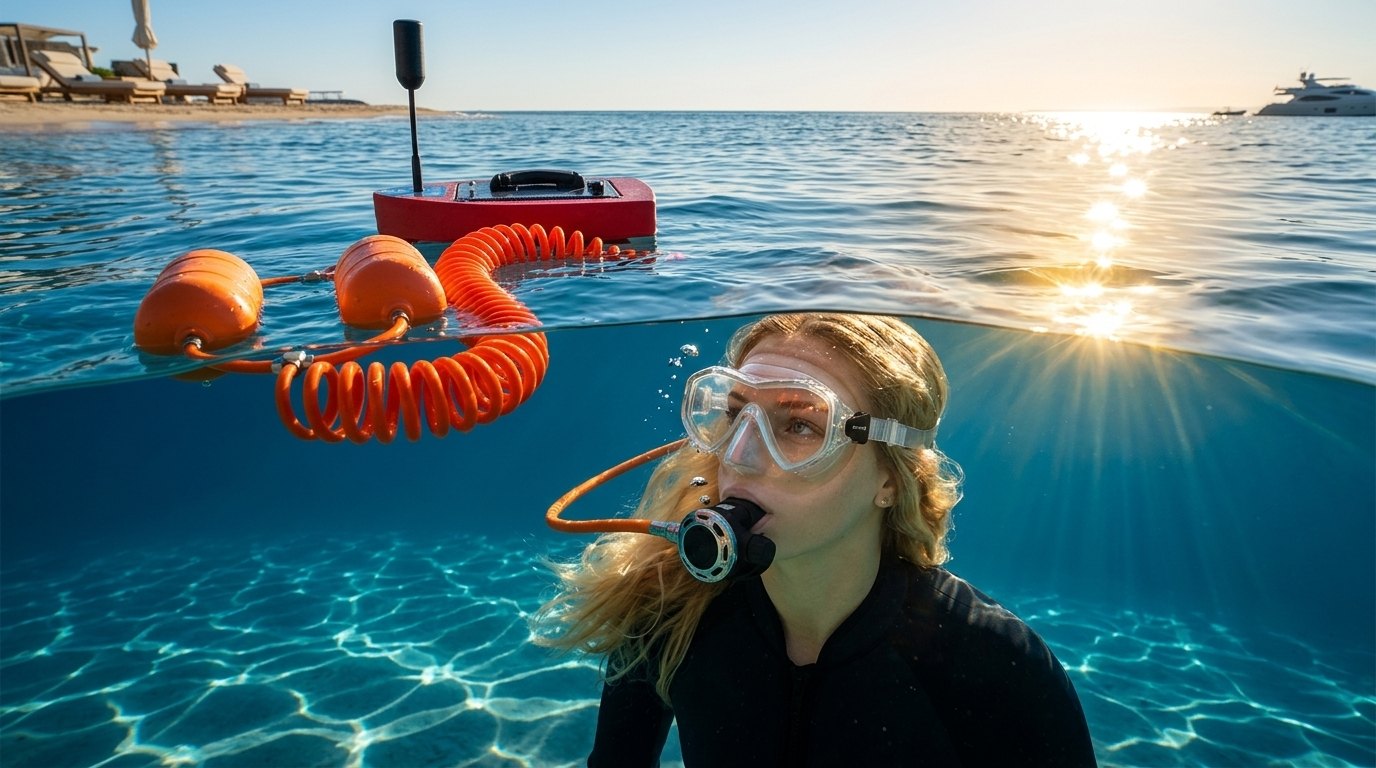
How Deep Can You Go With a Hookah Diving System?
Rated depth vs. tested depth, why hose length is not depth, and the no-decompression limits that still apply.
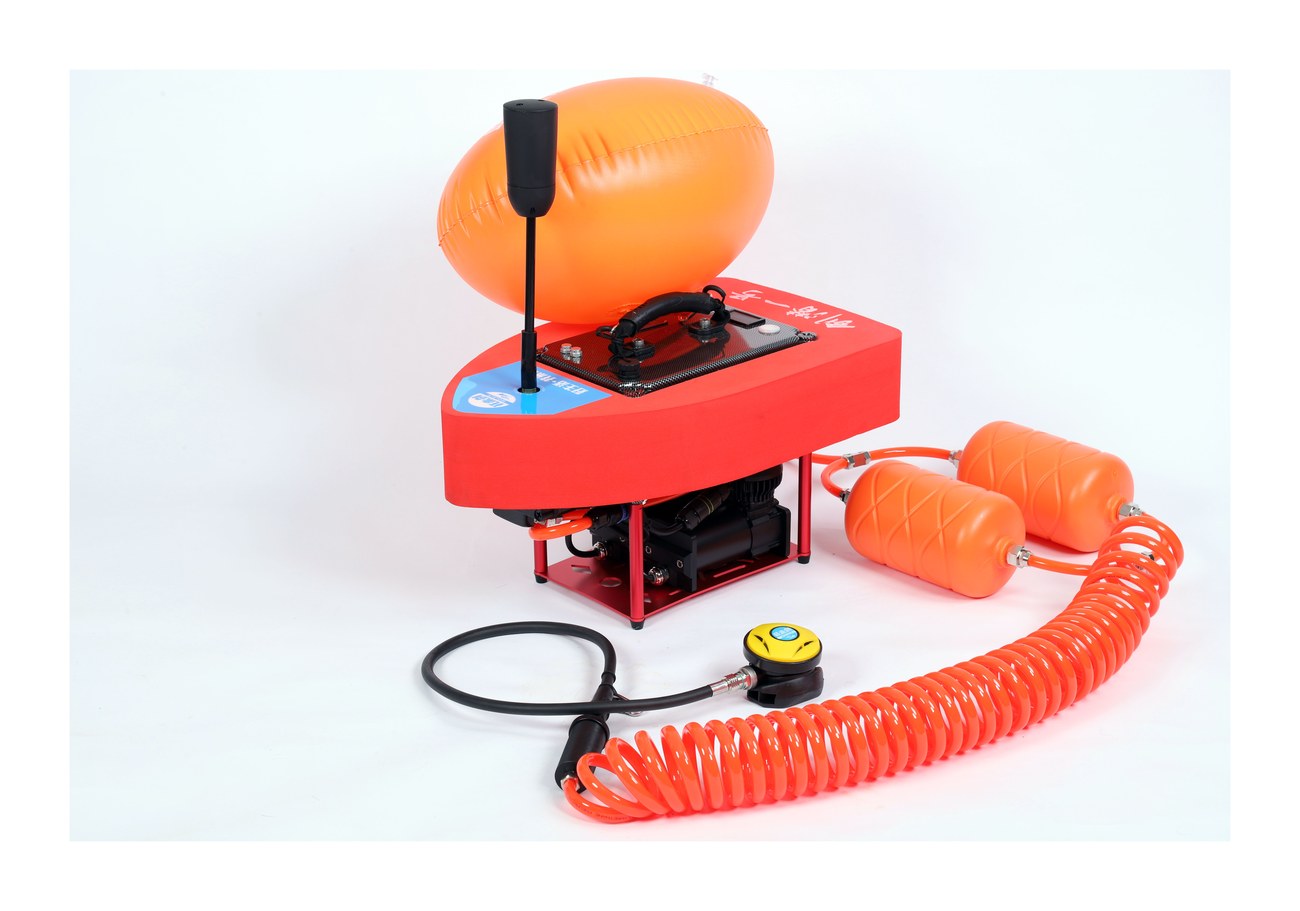
S6 vs S7 vs S9 vs S77: Which WOLACH Is Right for You?
Four models, one air path. Pick by how deep and how long you actually dive — the differences that matter are runtime, delivery and hose length, not features.