Assembling the Valve Plate
Inlet and outlet reed valves sit within a few millimetres of each other. Get the plate in the wrong orientation and the machine runs perfectly while delivering nothing.
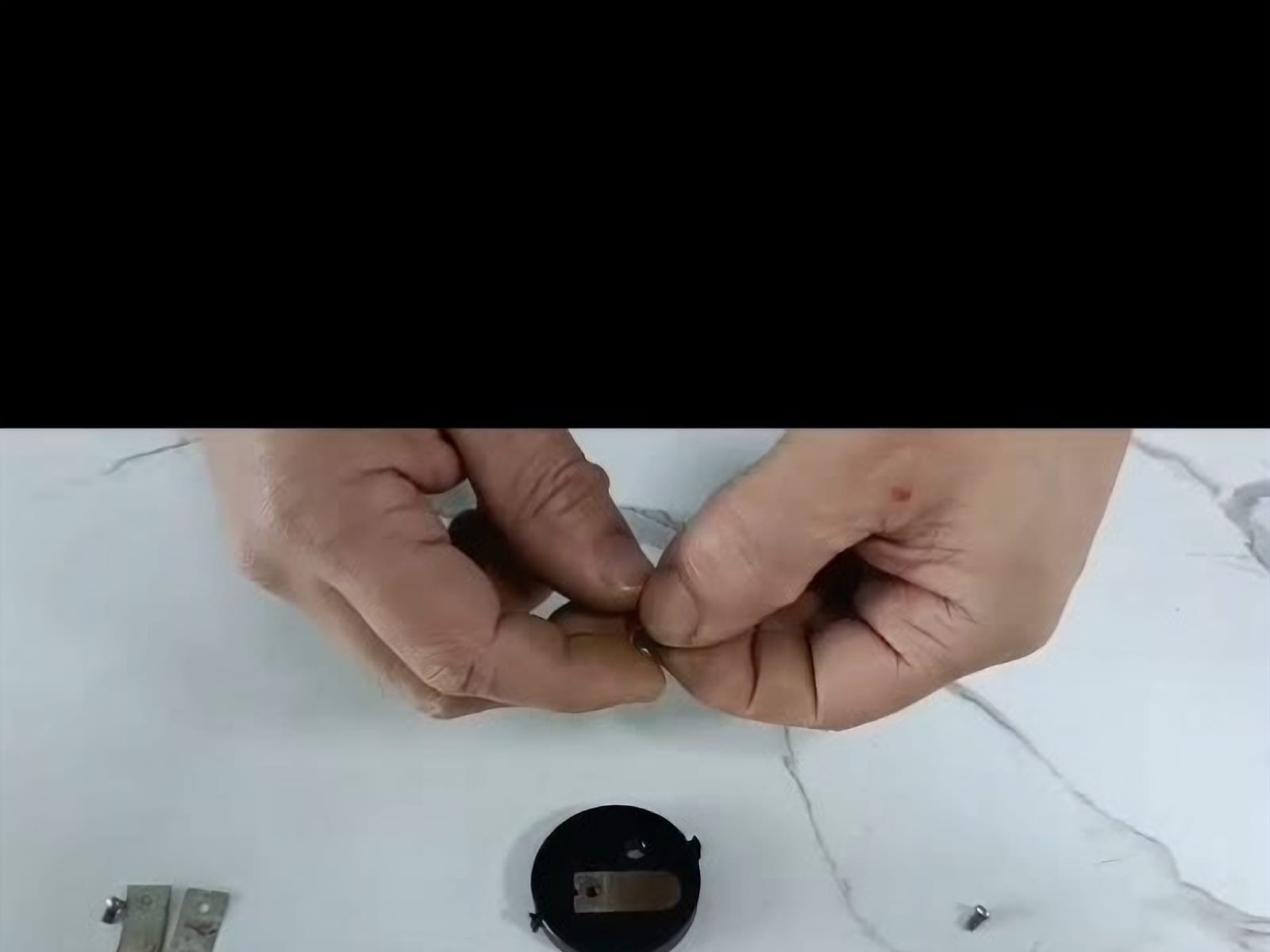
The part that fails silently
A reed valve that is sitting the wrong way up, or a plate bolted down before its gasket is seated, produces a machine with a normal-sounding motor and no useful airflow. It is the failure that looks like something much more expensive than it is, which is why the service bench treats the plate as an assembly with a defined orientation rather than a part that just gets bolted on.
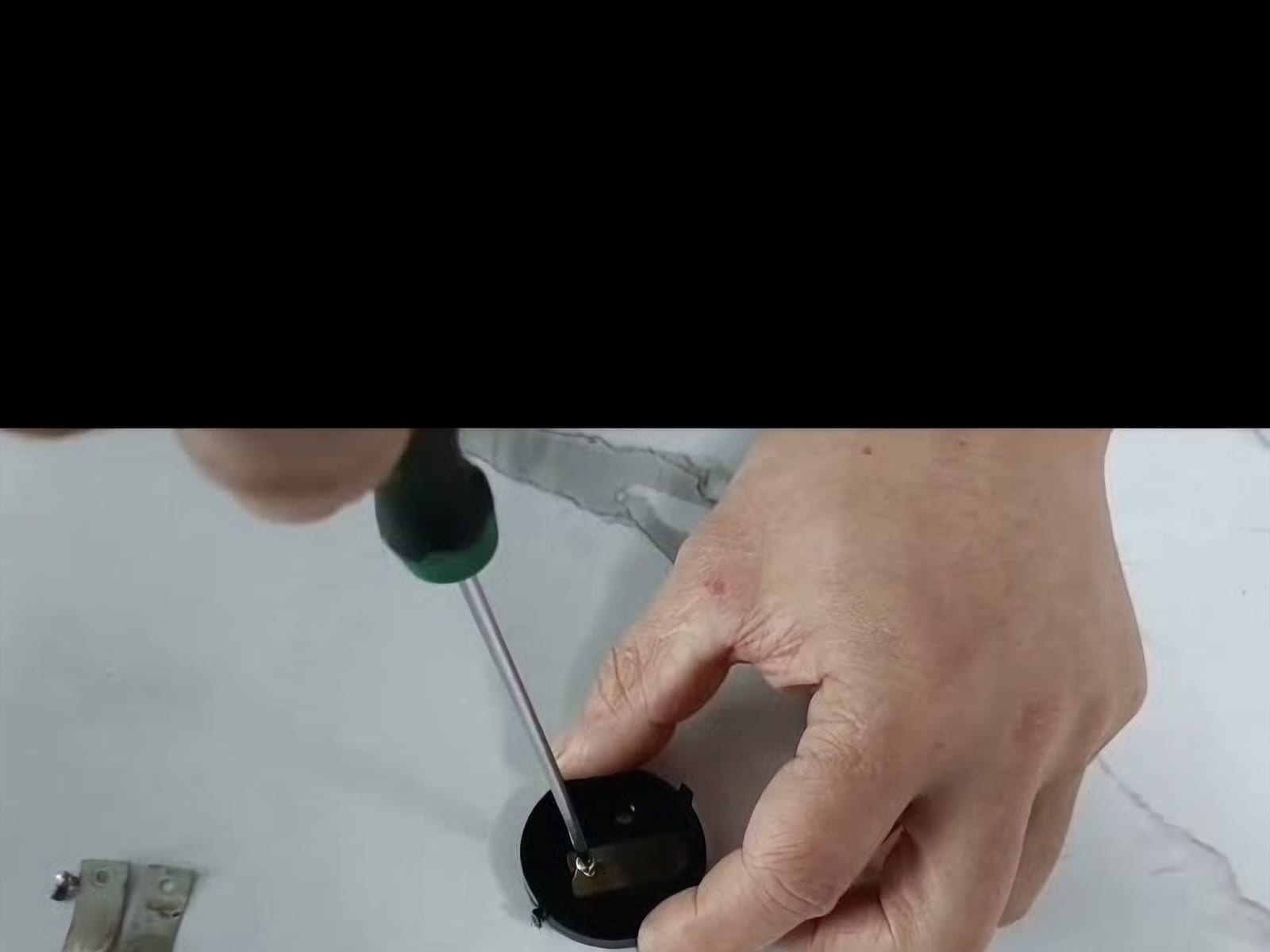
Orientation is everything
The inlet reed lifts inward on the suction stroke; the outlet reed lifts outward on the delivery stroke. Both are made from the same material and are within a millimetre of the same size, so the only reliable way to tell them apart is the position they came out of. Photograph the plate before you lift it. That single habit prevents the most common reassembly fault on the whole machine.
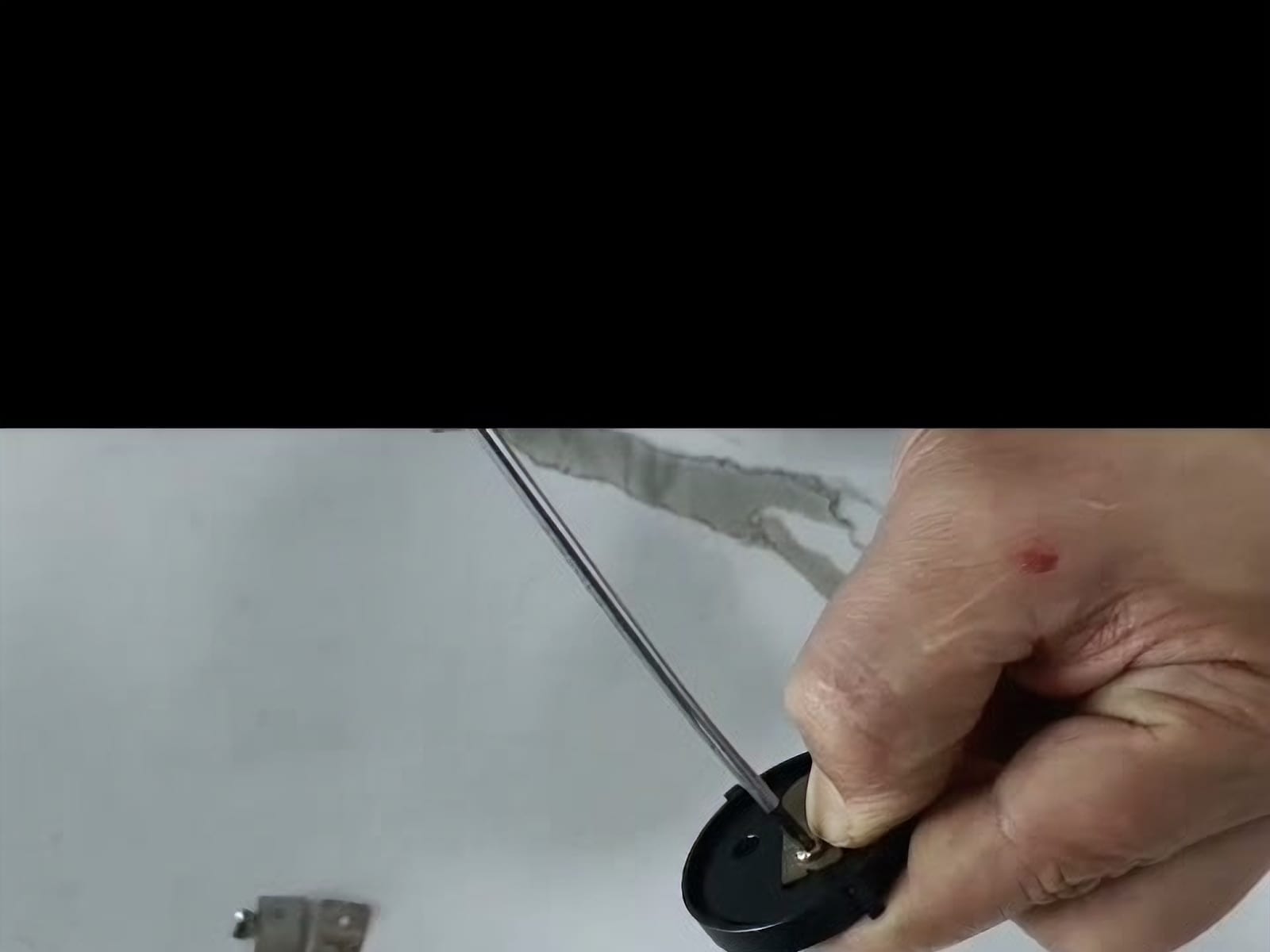
After reassembly
Run the machine with the second stage clear and listen to the note of the delivery. A correctly seated plate gives an even, slightly hard pulse about once a second at idle. A flutter, or a pulse that alternates strong and weak, means the plate is not flat against its gasket and has to come back off.
FAQ
Do I need a diving certification?
How deep can I go?
What happens if the battery runs low?
Keep reading

Scuba Tank vs. Tankless Hookah Diving: The Complete 2026 Comparison
Cost, bottom time, depth, safety and logistics — an honest, side-by-side look at when a surface-supply system beats a tank, and when it doesn’t.

How Deep Can You Go With a Hookah Diving System?
Rated depth vs. tested depth, why hose length is not depth, and the no-decompression limits that still apply.
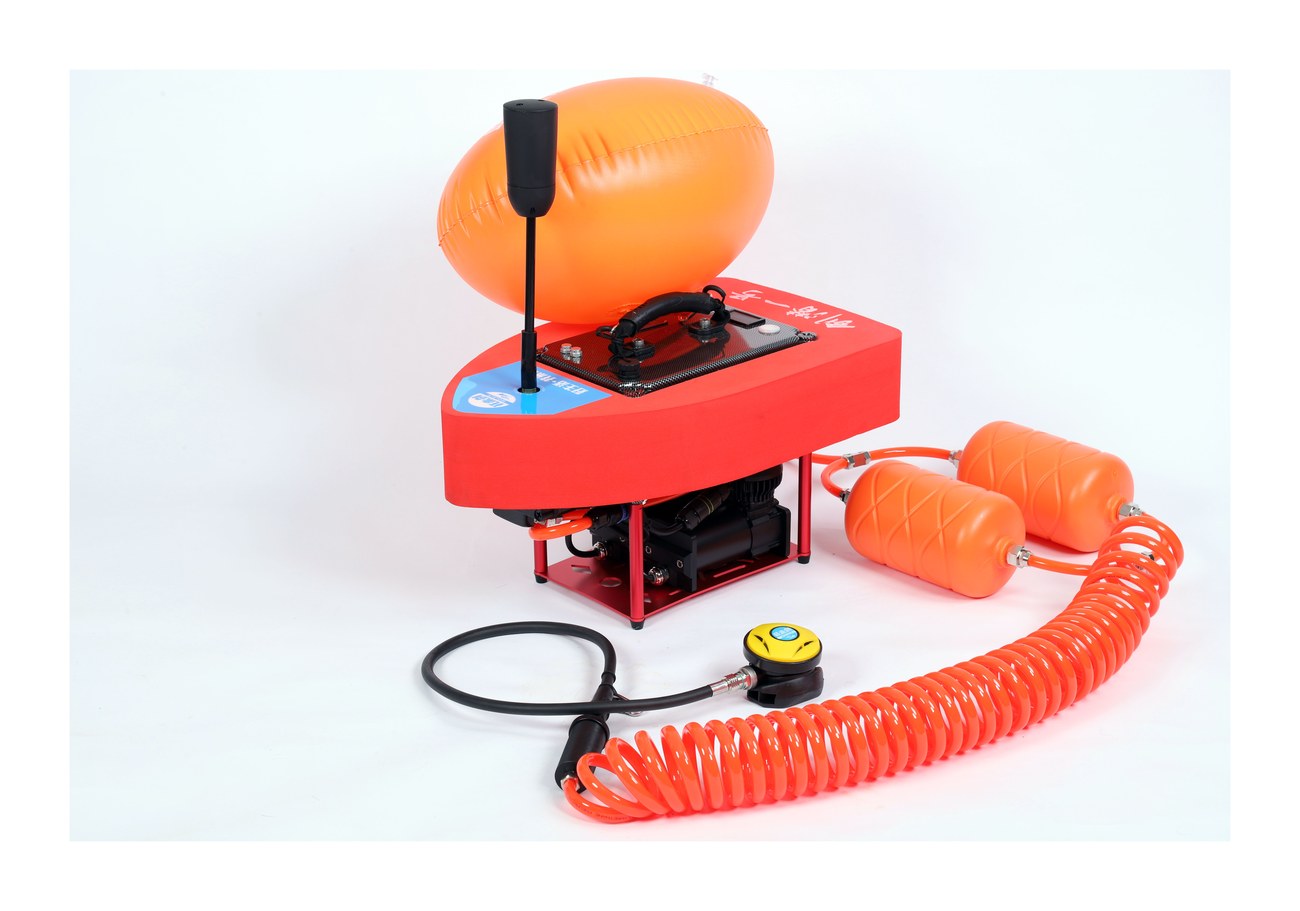
S6 vs S7 vs S9 vs S77: Which WOLACH Is Right for You?
Four models, one air path. Pick by how deep and how long you actually dive — the differences that matter are runtime, delivery and hose length, not features.