What an Annual Service Actually Covers
Not a rebuild, and not a mystery. The exact list of checks a WOLACH service visit runs through, and the parts that get replaced whether they look worn or not.
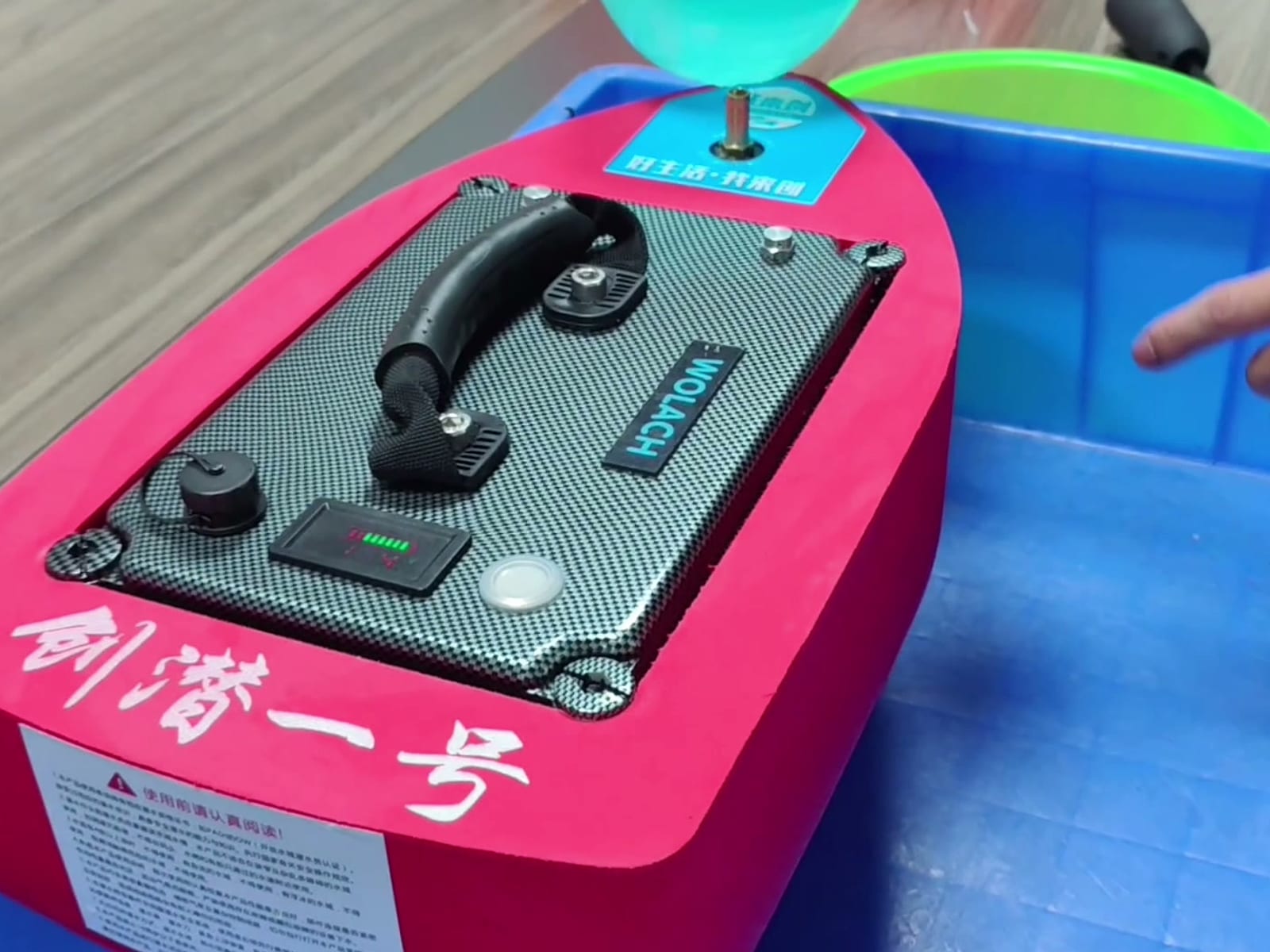
Why we publish the checklist
Owners ask what a service costs and what it actually buys, and the honest answer is that most of the value is in the fifteen minutes of testing rather than the parts. So here is the whole list. If a workshop will not tell you this before taking your machine, that is the thing to be suspicious of.
The full checklist
- Runtime test at 50% load, compared against the specification for the model
- Delivery pressure and flow measured at the second stage, not at the machine
- Battery capacity check and charge-cycle count read out
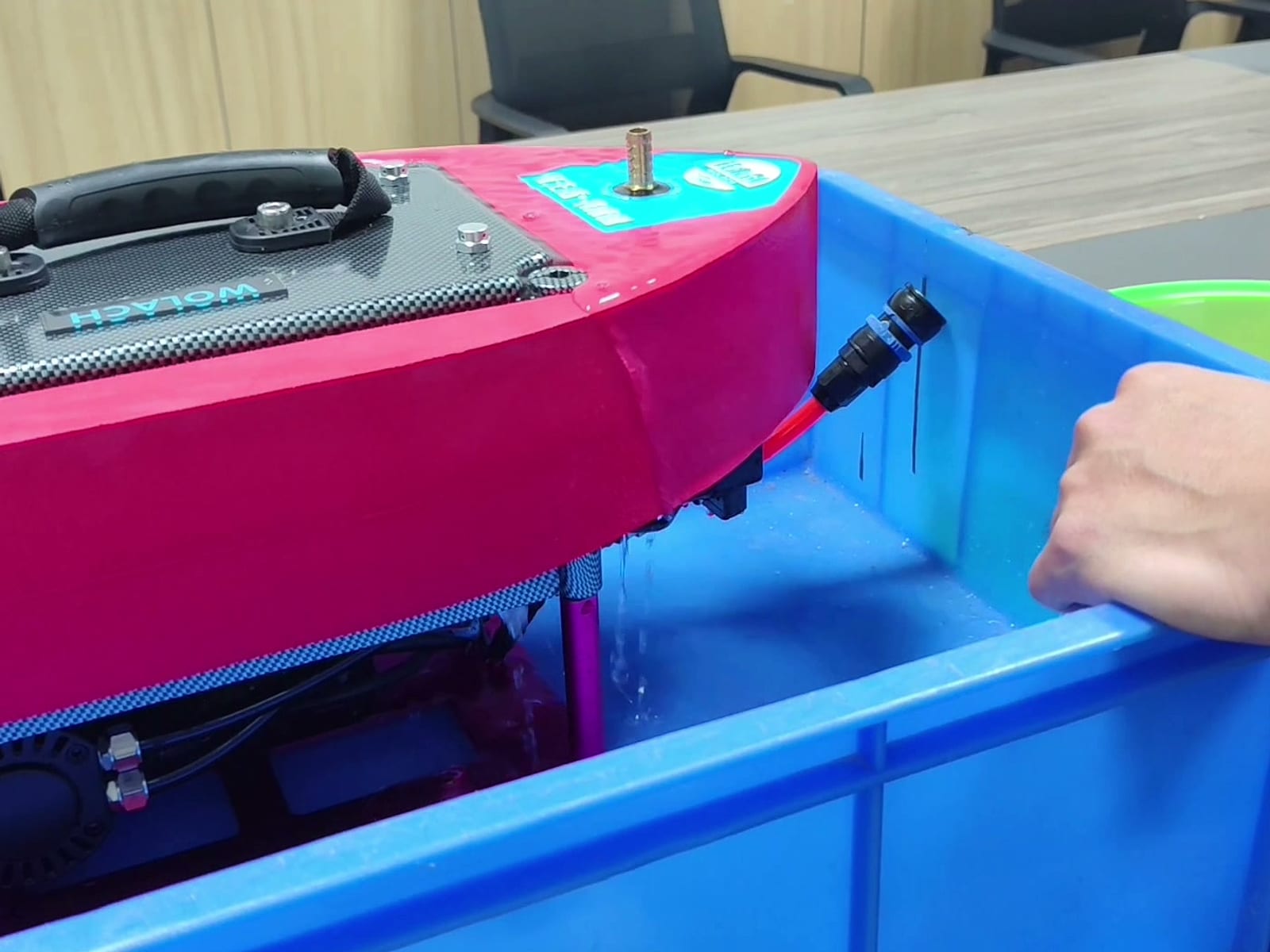
- Drain box and seals inspected, box cleaned and dried
- Filter elements replaced regardless of appearance
- Diaphragm inspected and replaced if the stroke is uneven
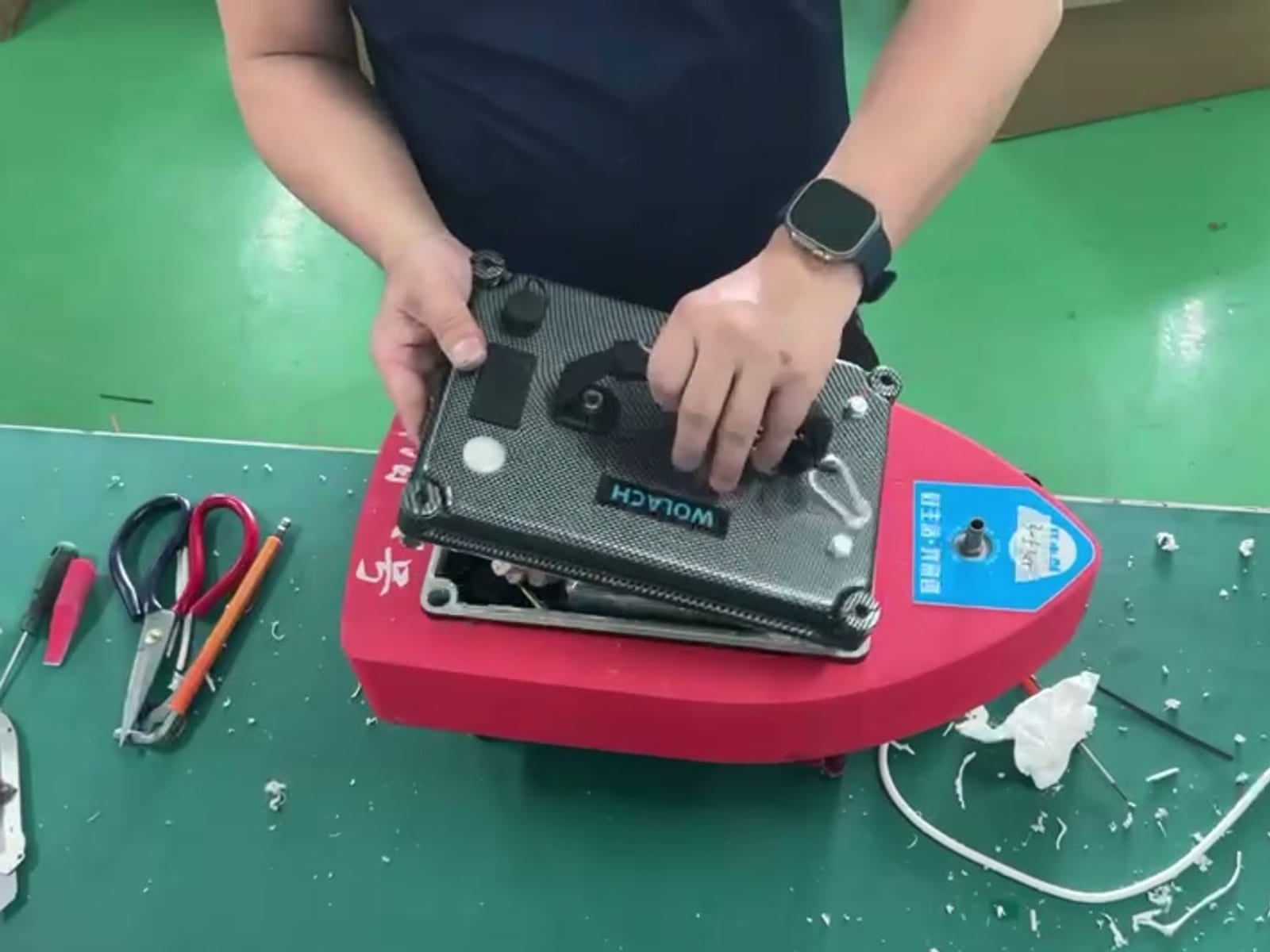
- Motor mount torque checked; wiring loom inspected for chafe at the grommet
- Hose pressure-tested and the quick-connect seals replaced
- Second-stage regulator adjusted and breathing resistance measured
- Housing seals replaced and the unit resealed and leak-tested
What is parts, and what is labour
Filter elements, seals and the diaphragm are parts with a fixed price, and they are replaced on every service whether or not they look tired — that is the point of them being in the wear tier. The rest is inspection and adjustment. If the service uncovers something in the motor or compressor assembly, we come back to you with a quote before touching it.
How often, really
Once a year for a pool or occasional diver, and every six months for commercial use — hull cleaners, farms and anyone running the machine most days of the week. The parts cost does not change much between the two, but the second interval catches chafe on the wiring loom and hose fatigue early, which is where the expensive failures start.
FAQ
Do I need a diving certification?
How deep can I go?
What happens if the battery runs low?
Keep reading
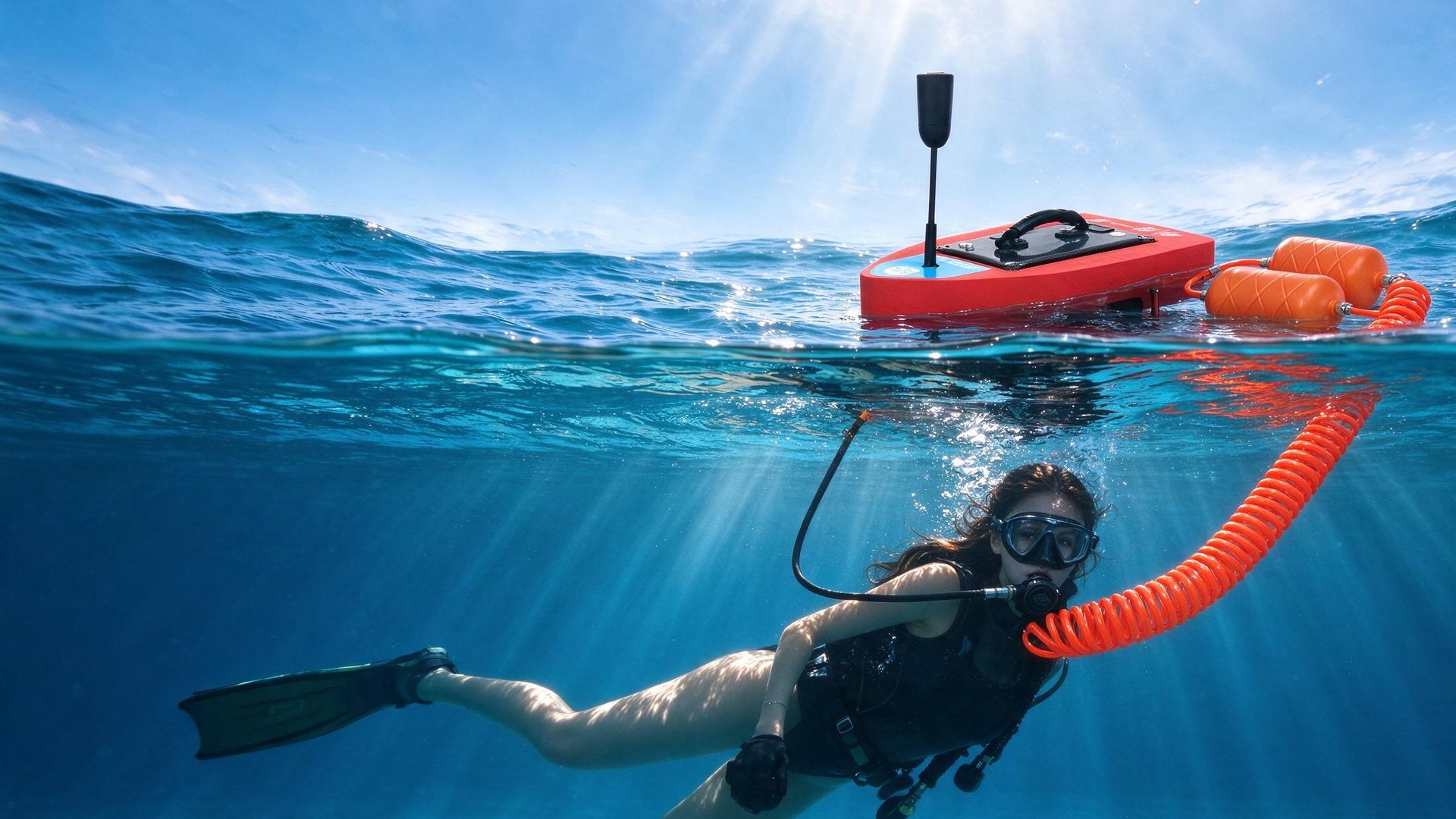
Scuba Tank vs. Tankless Hookah Diving: The Complete 2026 Comparison
Cost, bottom time, depth, safety and logistics — an honest, side-by-side look at when a surface-supply system beats a tank, and when it doesn’t.
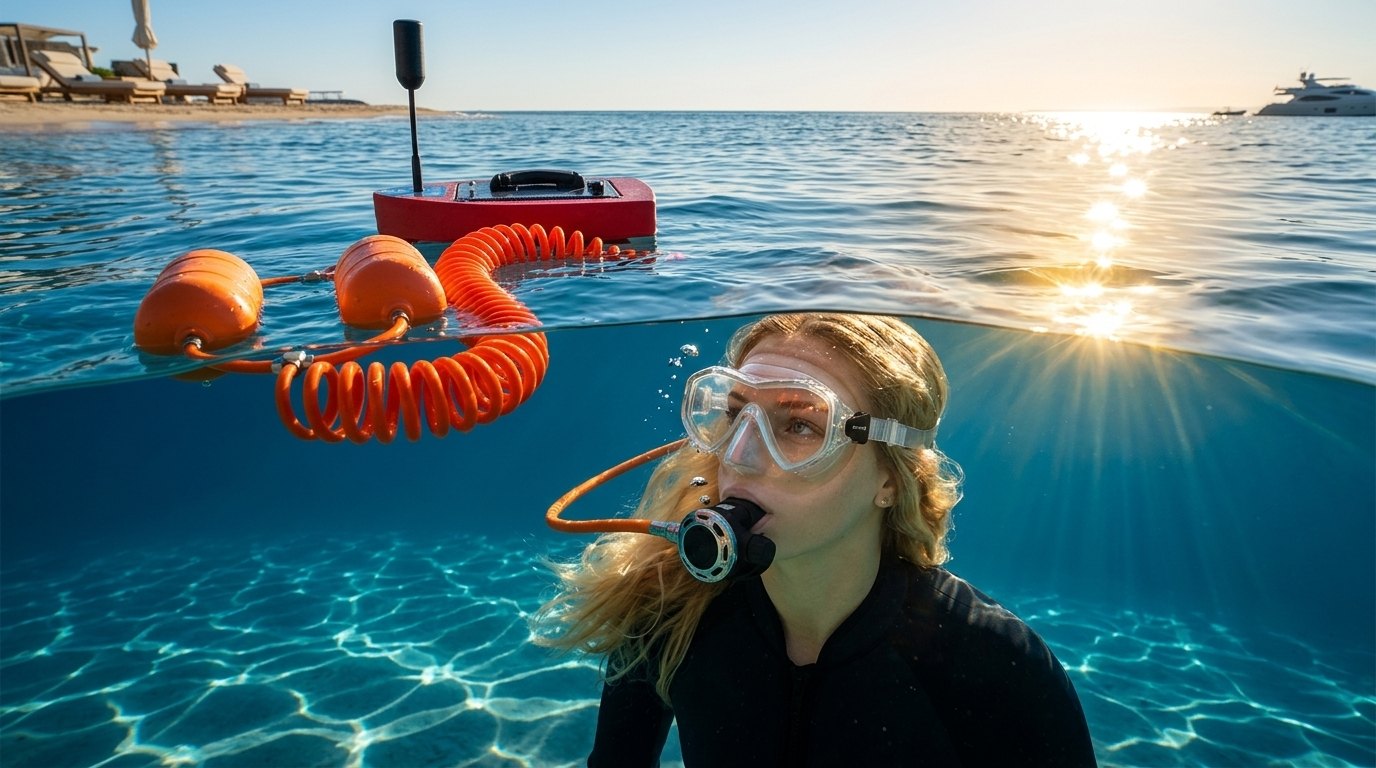
How Deep Can You Go With a Hookah Diving System?
Rated depth vs. tested depth, why hose length is not depth, and the no-decompression limits that still apply.
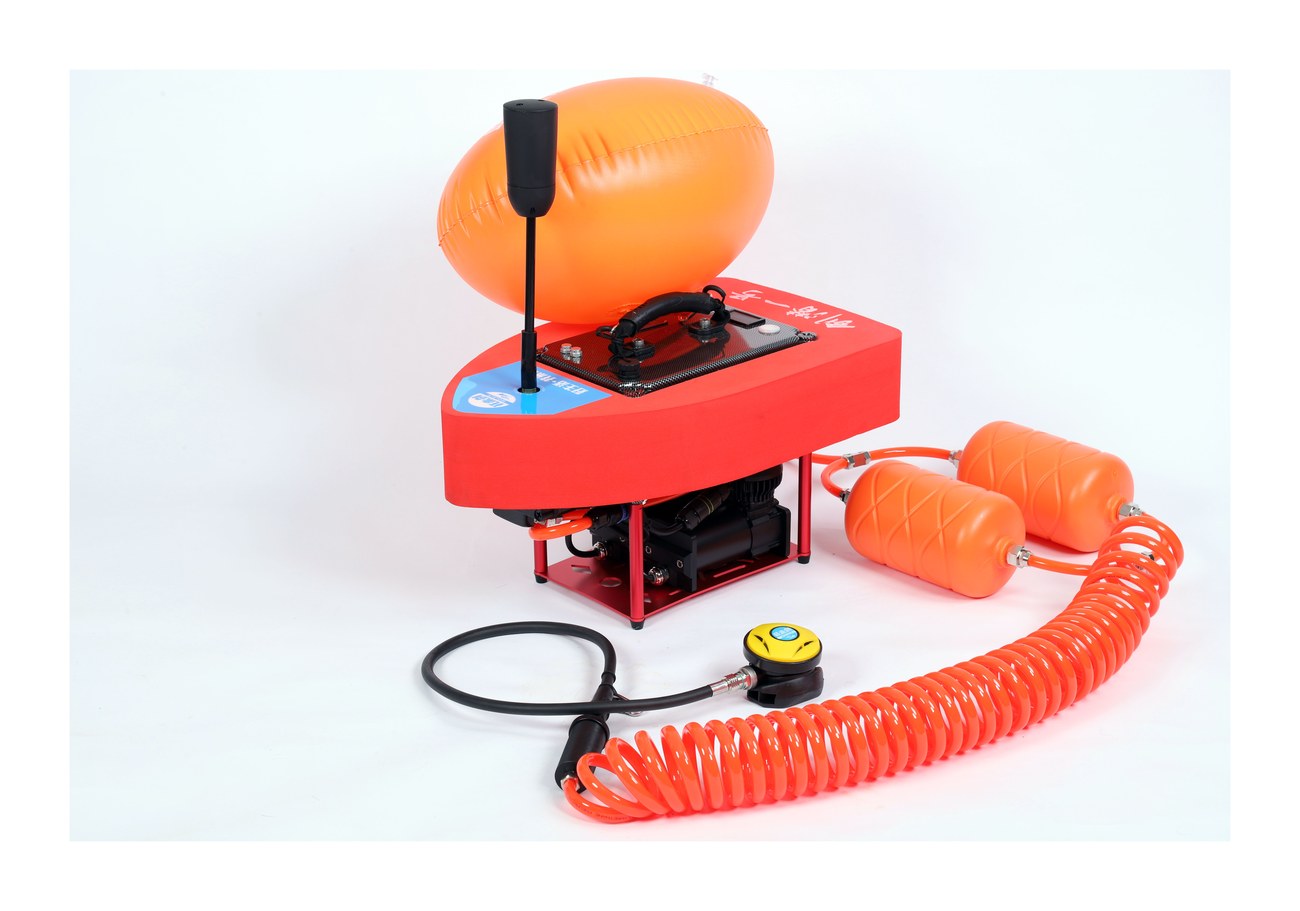
S6 vs S7 vs S9 vs S77: Which WOLACH Is Right for You?
Four models, one air path. Pick by how deep and how long you actually dive — the differences that matter are runtime, delivery and hose length, not features.