What Breathing on a Hose Actually Feels Like
No tank roar, no falling pressure, no gauge to watch. A first-timer’s account of what changes when the air arrives down a hose instead of off your back.

The first thing you notice is not the breathing. It is the quiet. On scuba, every inhale arrives with a small mechanical hiss right beside your ear, and the sound is a constant reminder that the gas in the cylinder is a finite and shrinking thing. Ten seconds of fumbling, twenty minutes of use, a number you are taught to watch. Then you put your face in the water behind a hose and the hissing is simply not there. The compressor is floating ten metres behind you, somewhere on the surface, and what you hear is water moving over rock and a distant boat engine. Most first-timers spend the first minute convinced something is wrong because it is too easy. It takes about ten minutes to stop listening for a sound that is not coming.
The breath arrives, it does not run out
On a tank, the physics of your breath changes through the dive whether you notice it or not. The first breath at 200 bar is easy. The breath at 60 bar is slightly more work. The breath at 30 is a reminder that the dive is ending, and that reminder is a genuinely useful instrument — it is one of the few things on a scuba dive that tells you something without you having to look at anything. A hose throws that instrument away. The supply is continuous, the delivery pressure is set by the surface unit, and the twentieth minute feels exactly like the second. The trade is honest and it is worth understanding: you lose a signal that used to be free.
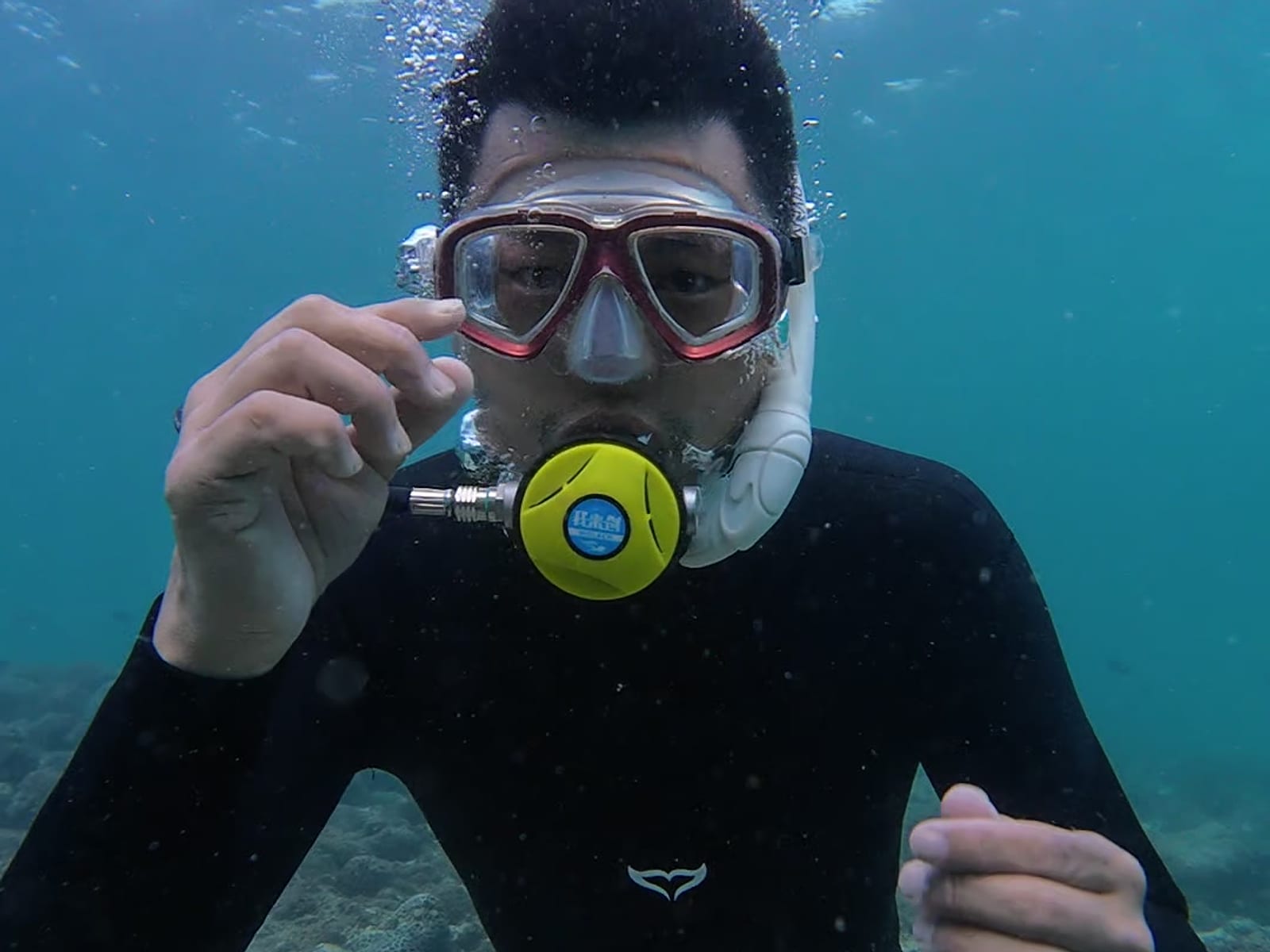
So what you have to do instead
You replace an automatic signal with a deliberate check. Twice or three times through a dive, stop for two seconds and notice how the breath actually feels — the effort to start it, whether it is smooth or pulsing, whether it is the same as it was five minutes ago. That comparison is the whole diagnostic. A breath that has become harder means one of three things: a filter loading up, a diaphragm losing its edge, or a kink in the hose that has appeared since you last looked at it. None of those announce themselves, and all of them are cheap to fix on the surface and annoying to discover at eight metres.
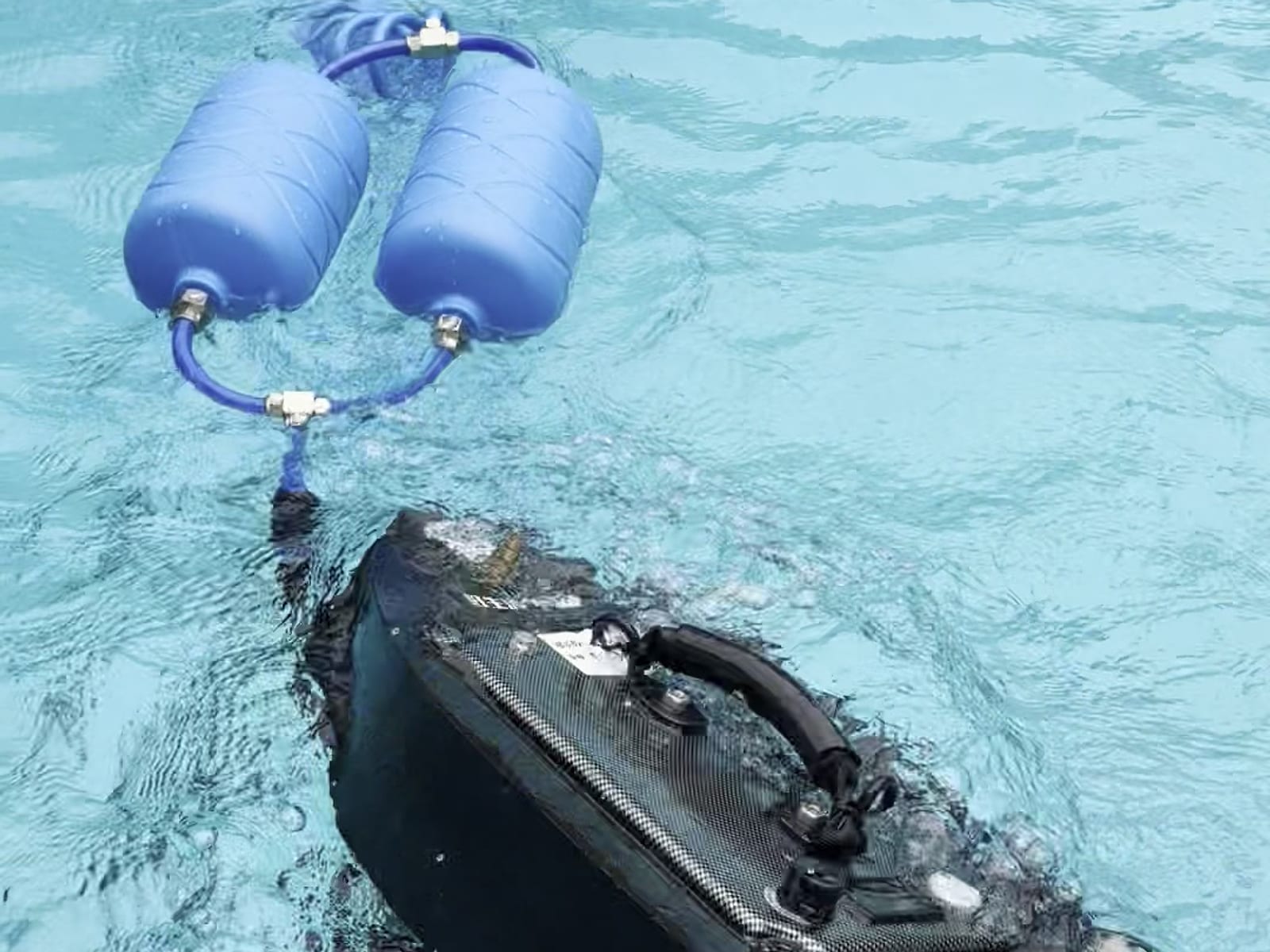
The hose is a thing in the water, not a cable
This is the part that no scuba course prepares you for. Your air supply on a tank is attached to you and therefore never needs thinking about. A hose crosses ten metres of open water, and it behaves like a rope: it takes the shape of whatever it passes over, it pulls on you when the surface unit drifts, and it will happily wrap itself around a mooring line while you are looking the other way. Within one dive you learn to feel that pull as information rather than as a nuisance. A steady sideways tug means the float has moved. A sudden slackening means it has drifted towards you. Neither is dangerous on its own; both are things you would rather know about early.

What stays exactly the same
Almost everything, which is the reassuring part. Pressure, gas absorption and ascent rate behave precisely as they did with a tank, so never hold your breath and never rush an ascent. Mask clearing is the same skill. Buoyancy control is the same problem with one less eight-kilogram object on your back, which most divers find makes it easier. The surface team replaces the gauge, but it does not replace the discipline: a hose is a supply, not a licence. The divers who get into trouble on surface supply are almost never the ones who do not understand the machine. They are the ones who treated an unlimited supply as permission to stop planning the exit.
The short version
- Quieter than scuba, and the contrast takes about ten minutes to stop noticing.
- The breath does not change as the dive goes on, so you have to check it on purpose — twice or three times a dive is enough.
- A harder breath means a filter, a diaphragm or a kink. All three are cheap on the surface, annoying at depth.
- Treat the hose as a rope, not a cable: it pulls, it drifts, and it wraps around things.
- Everything your open water course taught about pressure, ascent and breathing still applies, unchanged.
FAQ
Do I need a diving certification?
How deep can I go?
What happens if the battery runs low?
Keep reading
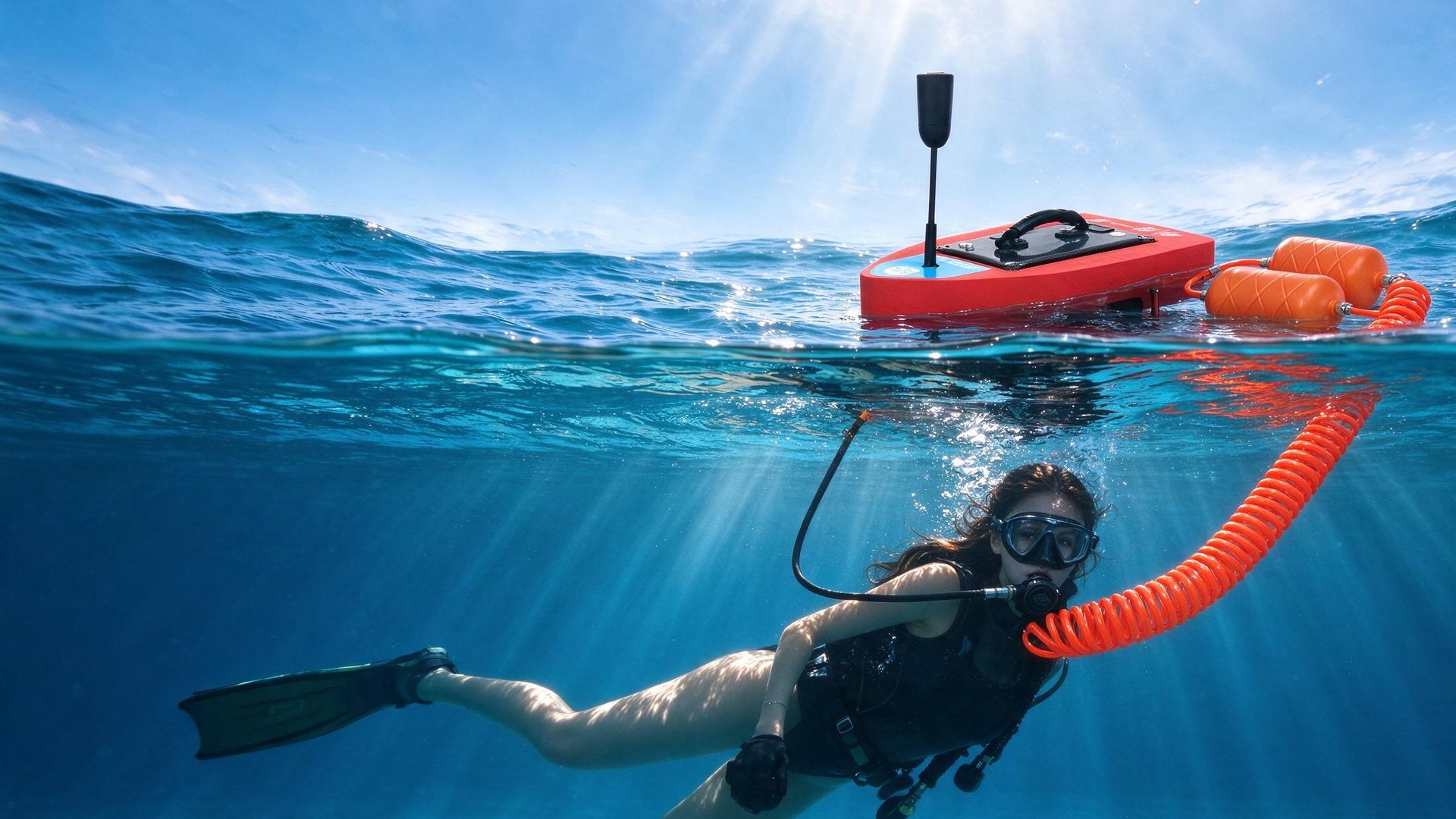
Scuba Tank vs. Tankless Hookah Diving: The Complete 2026 Comparison
Cost, bottom time, depth, safety and logistics — an honest, side-by-side look at when a surface-supply system beats a tank, and when it doesn’t.
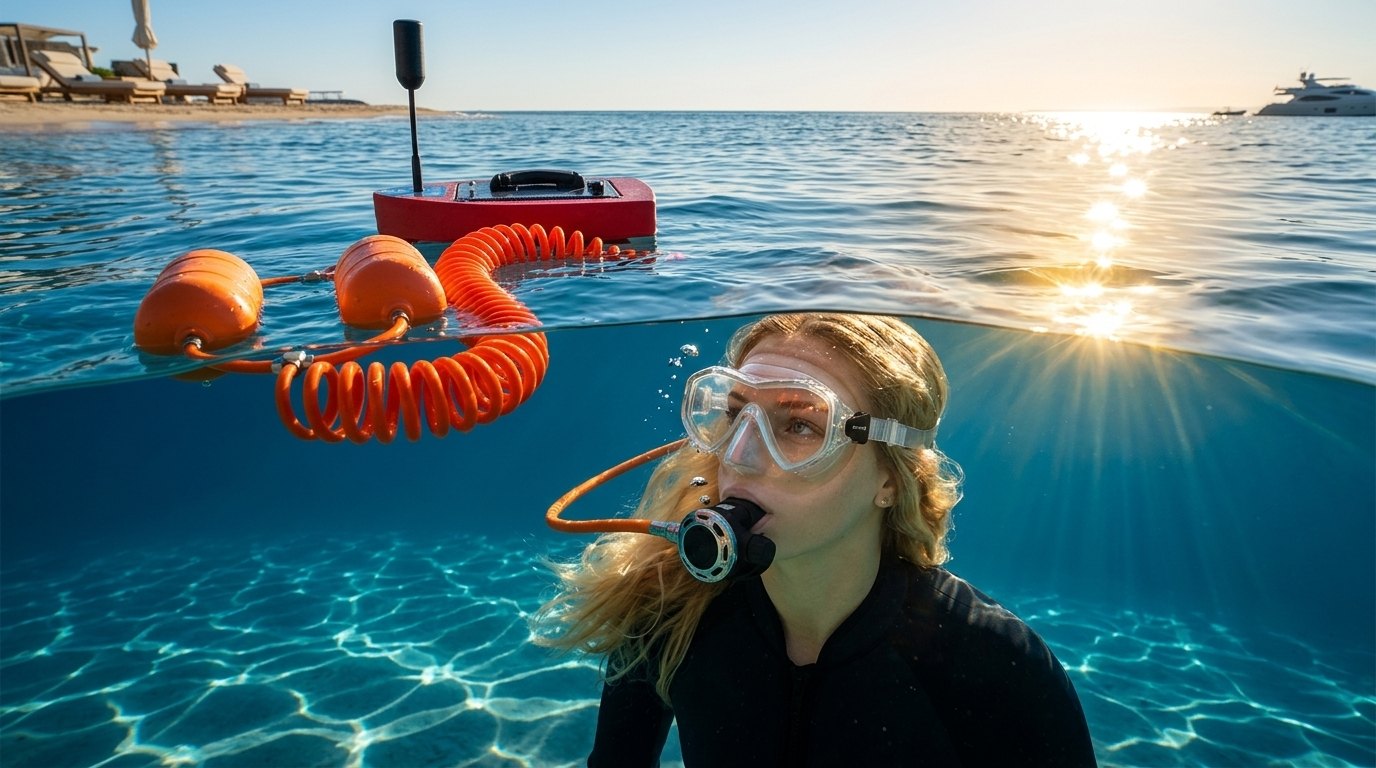
How Deep Can You Go With a Hookah Diving System?
Rated depth vs. tested depth, why hose length is not depth, and the no-decompression limits that still apply.
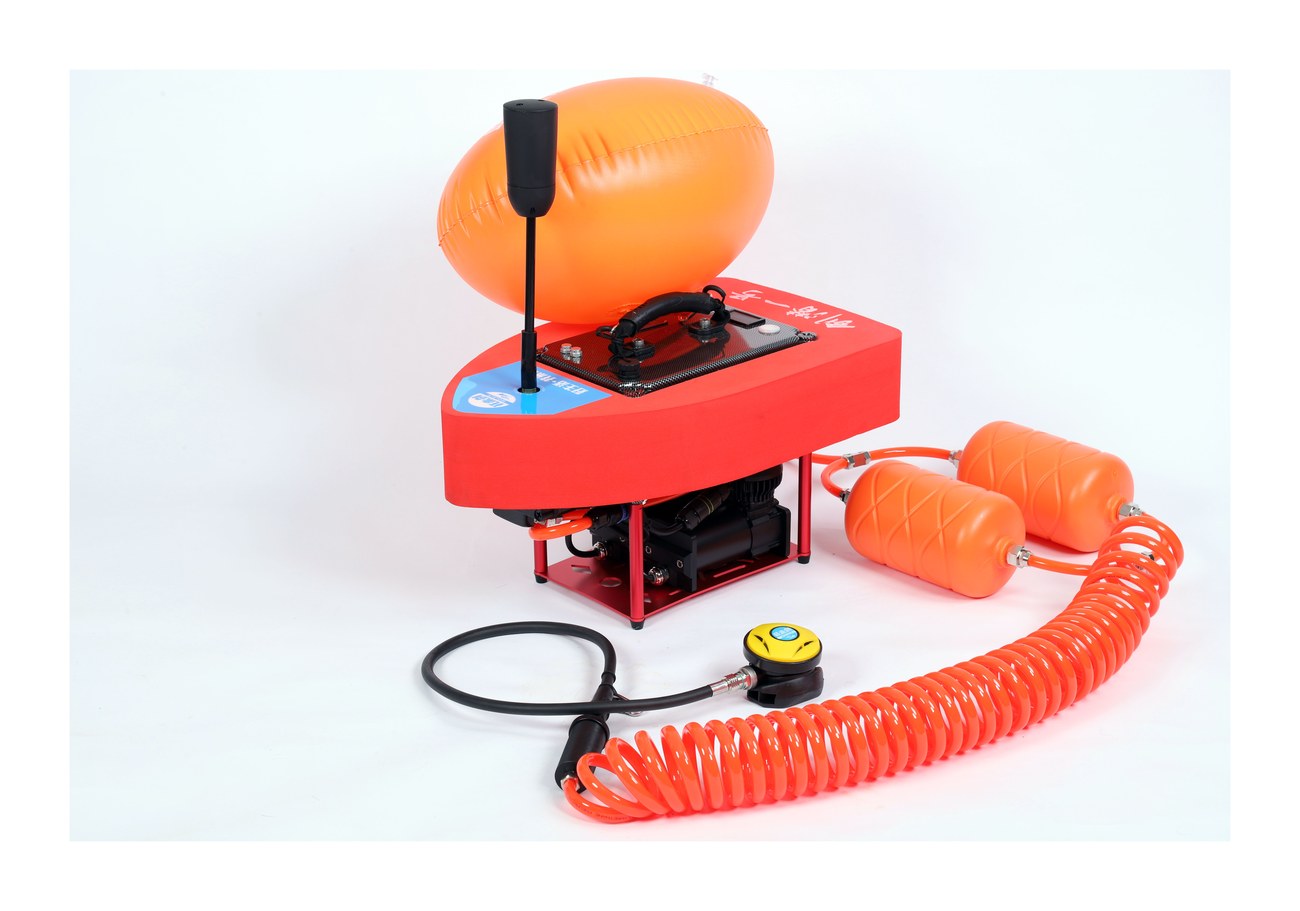
S6 vs S7 vs S9 vs S77: Which WOLACH Is Right for You?
Four models, one air path. Pick by how deep and how long you actually dive — the differences that matter are runtime, delivery and hose length, not features.