Xiangyuan Pool: The S9’s First Day in a Lane Pool
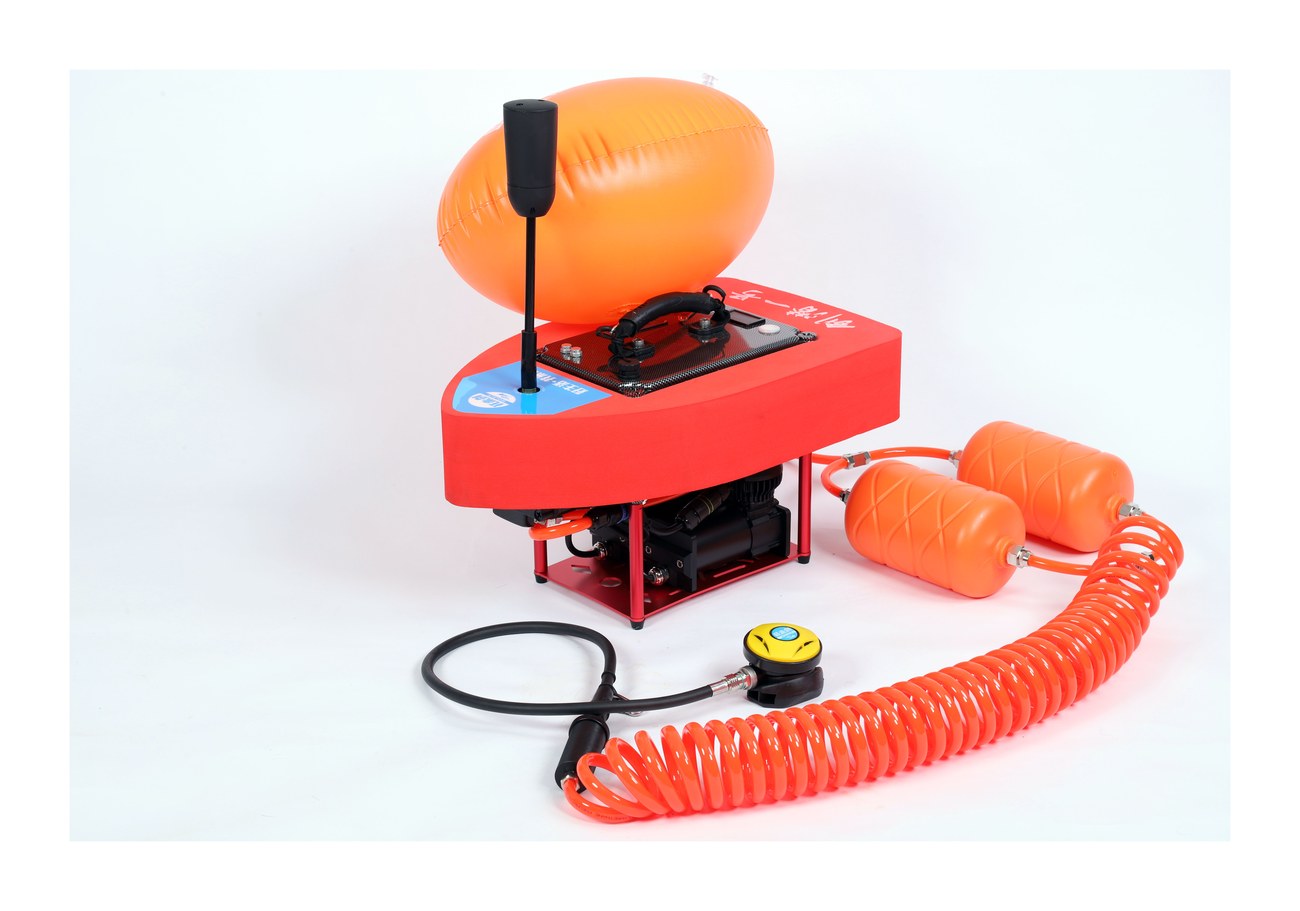
A new machine, a measured lane, and the least glamorous useful thing you can do with a surface-supply system: run it against a load and write down what it delivers.
- Max depth · 3 m
- Bottom time · 210 min
- Water temp · 27 °C
- Visibility · 20 m
- System · WOLACH S9
- Dived · May 14, 2026
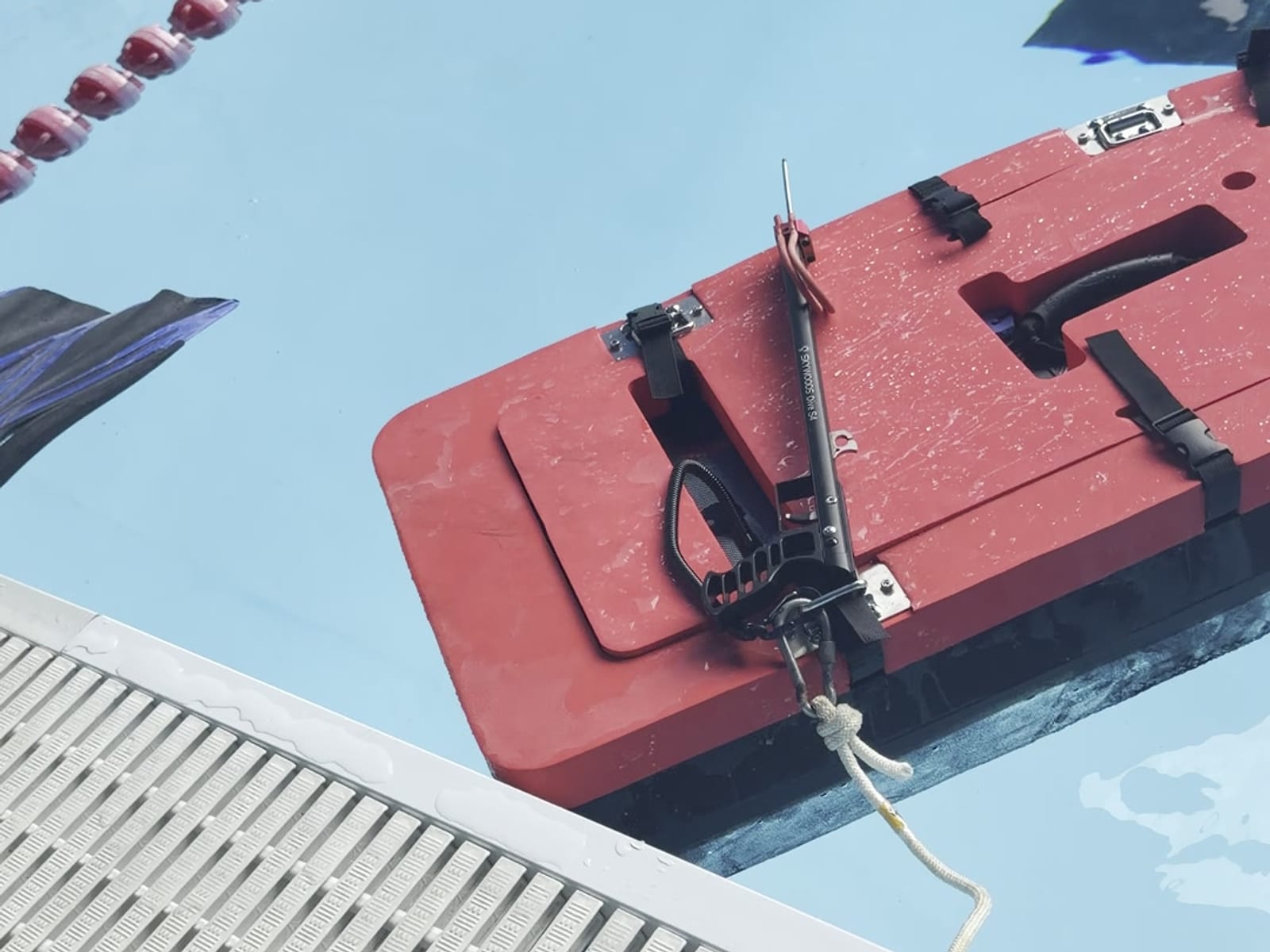
Two hundred and ten minutes in a lane pool with a stopwatch is not a dive and does not pretend to be one. It is a test, and it exists because a rated runtime on a specification sheet tells you almost nothing about your machine in your conditions. The number we wanted was simple: how long does this S9 deliver a comfortable breath to a diver working at three metres, from full charge, before delivery noticeably drops.
How the test was run
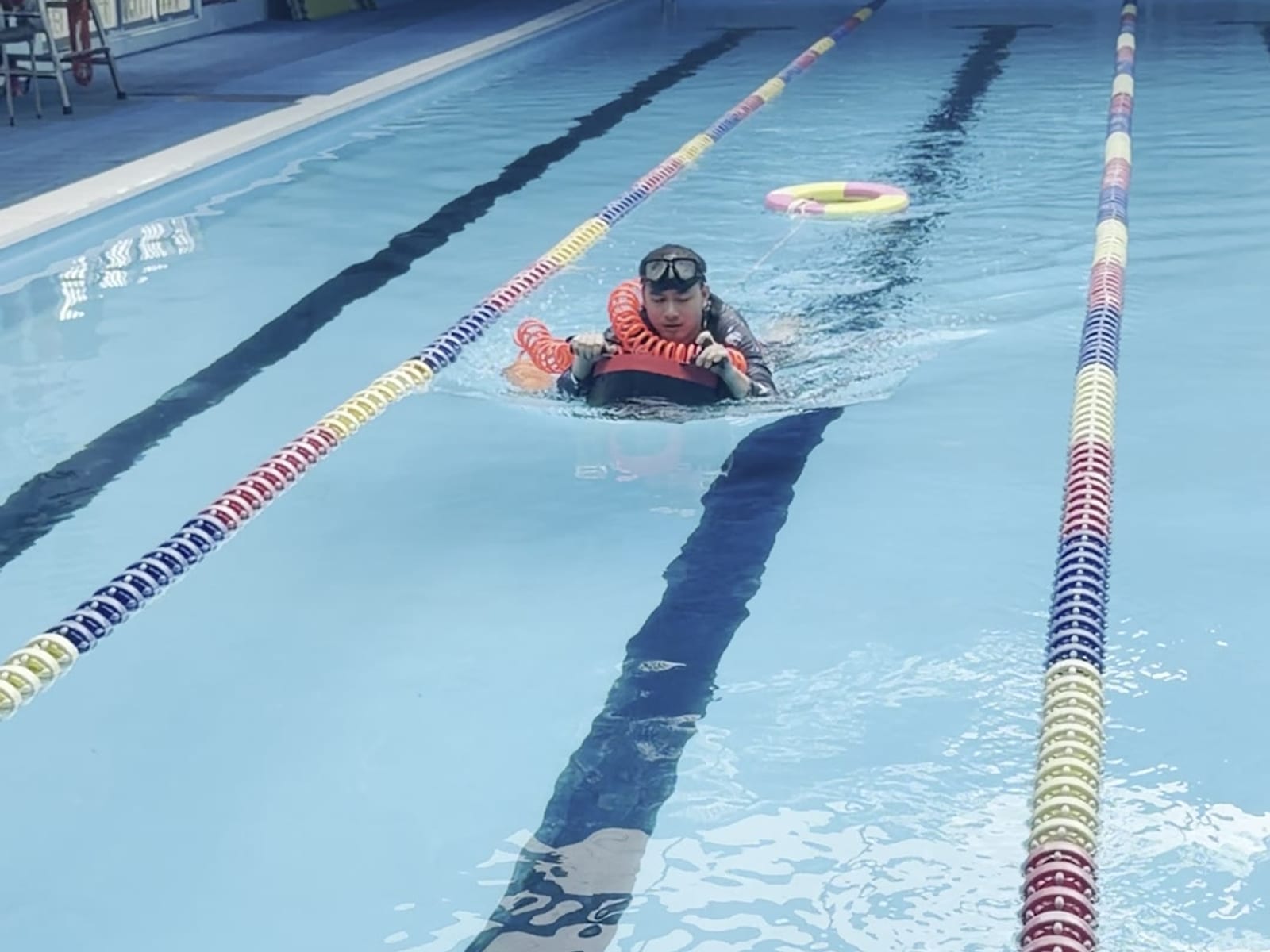
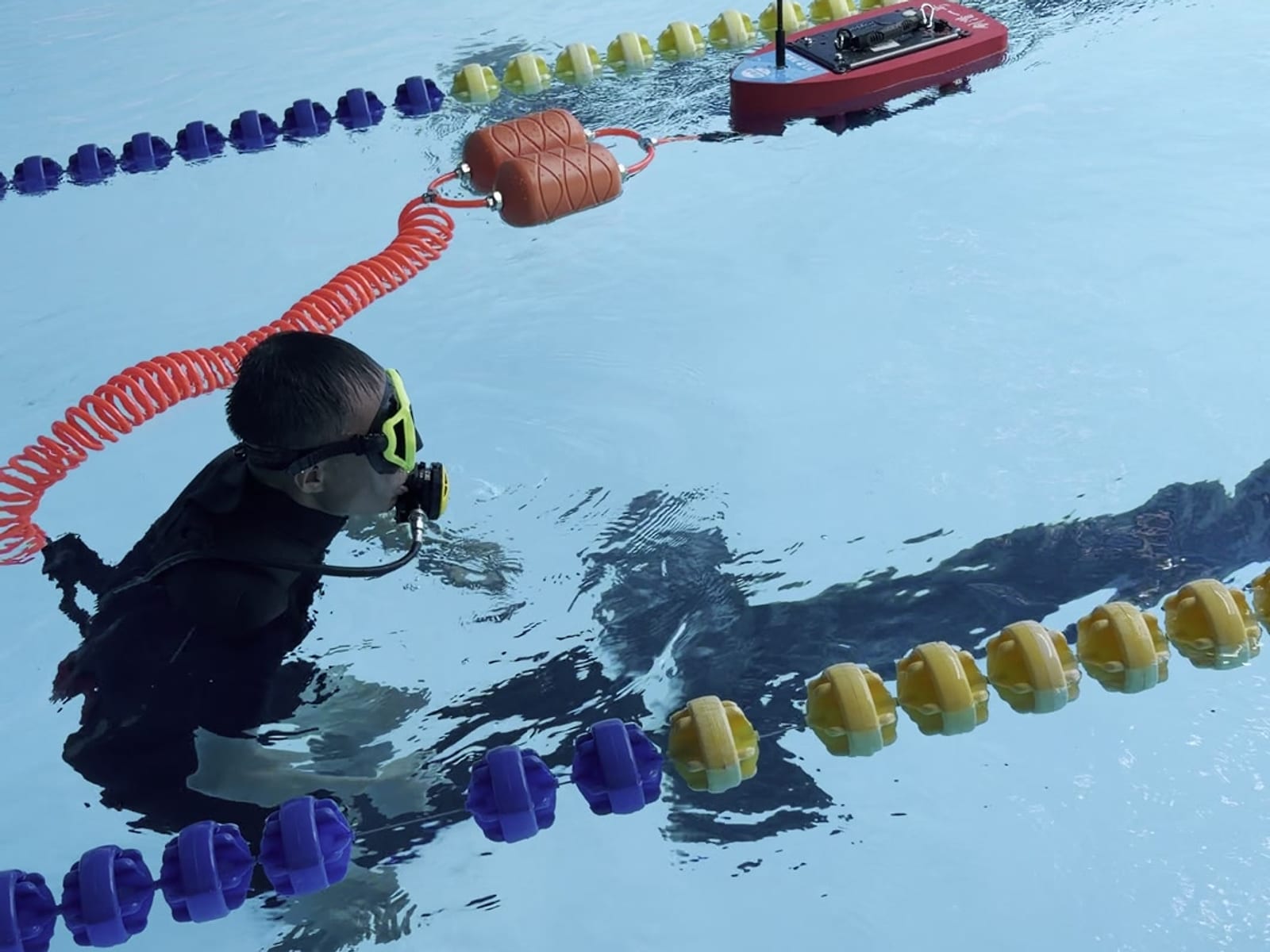
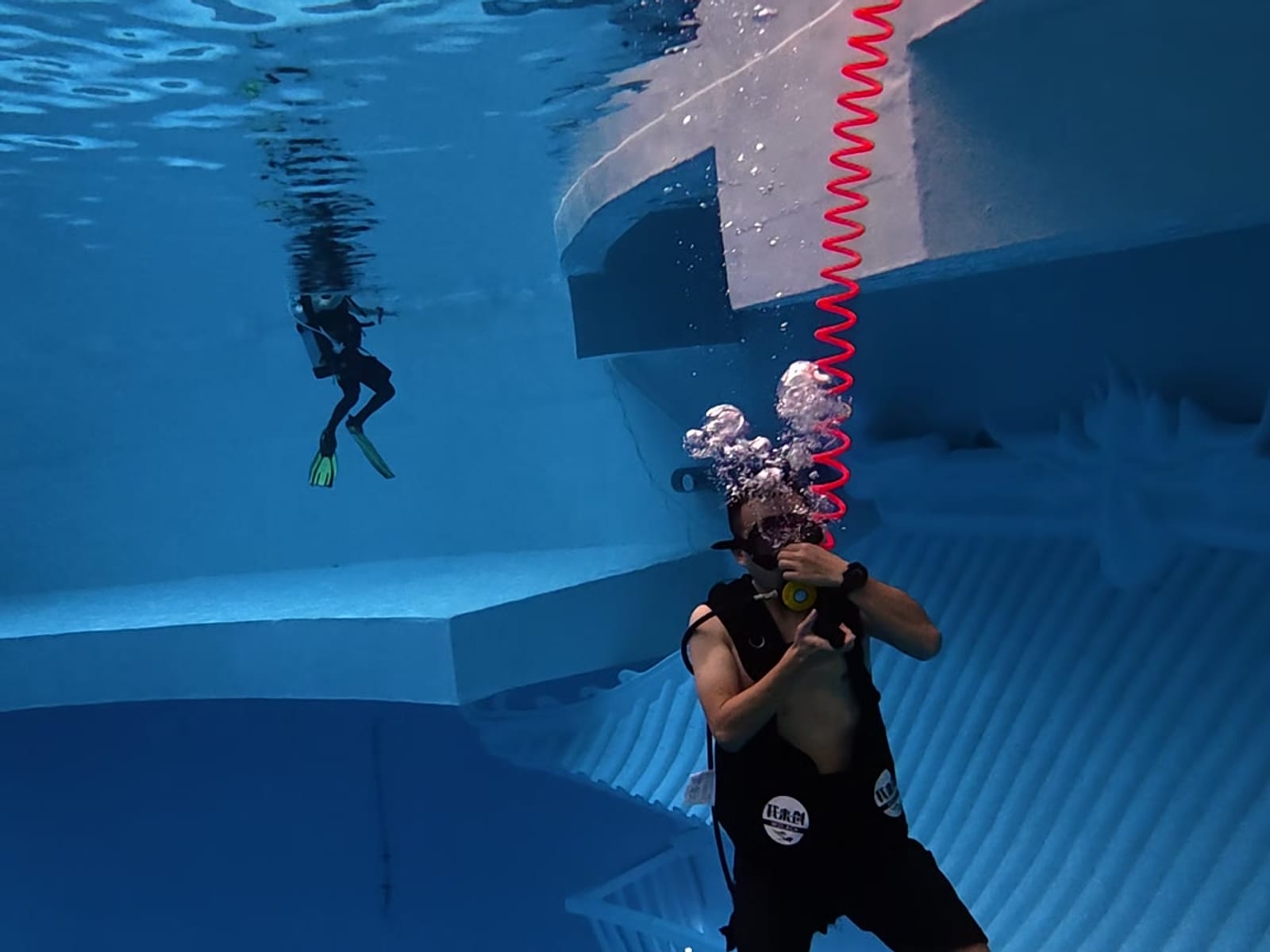
Full charge overnight, then continuous running with a diver in the water working at a moderate pace — swimming lanes, not hovering — and a breath check every fifteen minutes against a reference we established at the start. Two divers alternating so nobody got cold, and a written record of pressure feel, motor note and battery indicator at each interval. The output was not a single number but a curve: the point at which delivery first felt different, and the point at which it became a problem.
What the numbers said
Delivery began to feel marginally different at around the three-hour mark and became noticeably harder at three and a half, which is inside the rated three and a half to six hours at the bottom of the range — and this was a machine working at three metres, which is easier than the depth it is rated for. The lesson is not that the rating is wrong; it is that a diver working hard in warm water draws more air than a test load, and that the honest planning number for a working day is the bottom of the range rather than the top. We now plan S9 dives at four hours and stop being surprised.
Why this is worth a day
Because it converts a specification into a personal number, and it does it once for the life of the machine. Every subsequent dive is planned against three and a half hours rather than against an optimistic ceiling, the dive day is designed around it, and nobody has to discover the limit in the water at the far end of a site. It also produced a useful side effect: the machine’s normal note is now something all four of us know, which means a change in that note on a real dive is immediately obvious.
What we would do differently
- Run the test again at six months and compare the curve, not the headline number
- Record motor note as well as delivery feel. It changes before delivery does
- Plan working dives at the bottom of the rated range, not the top
- Do this before the first real trip with any new machine. One day buys years of accurate planning
Keep reading
Scuba Tank vs. Tankless Hookah Diving: The Complete 2026 Comparison
Cost, bottom time, depth, safety and logistics — an honest, side-by-side look at when a surface-supply system beats a tank, and when it doesn’t.
How Deep Can You Go on a Hookah System?
Rated depth is not tested depth, and hose length is not depth at all. The three numbers people confuse, and the no-decompression limits that apply to a hose exactly as they do to a tank.
S6 vs S7 vs S9 vs S77: Which WOLACH Is Right for You?
Four machines, one air path, three numbers that decide it. How to pick by the diving you actually do rather than the depth rating you aspire to.