Your First Pool Session, Step by Step
An hour in a swimming pool does more for a new hose diver than a week of advice on a boat. What happens, in what order, and the two mistakes trainers keep making.
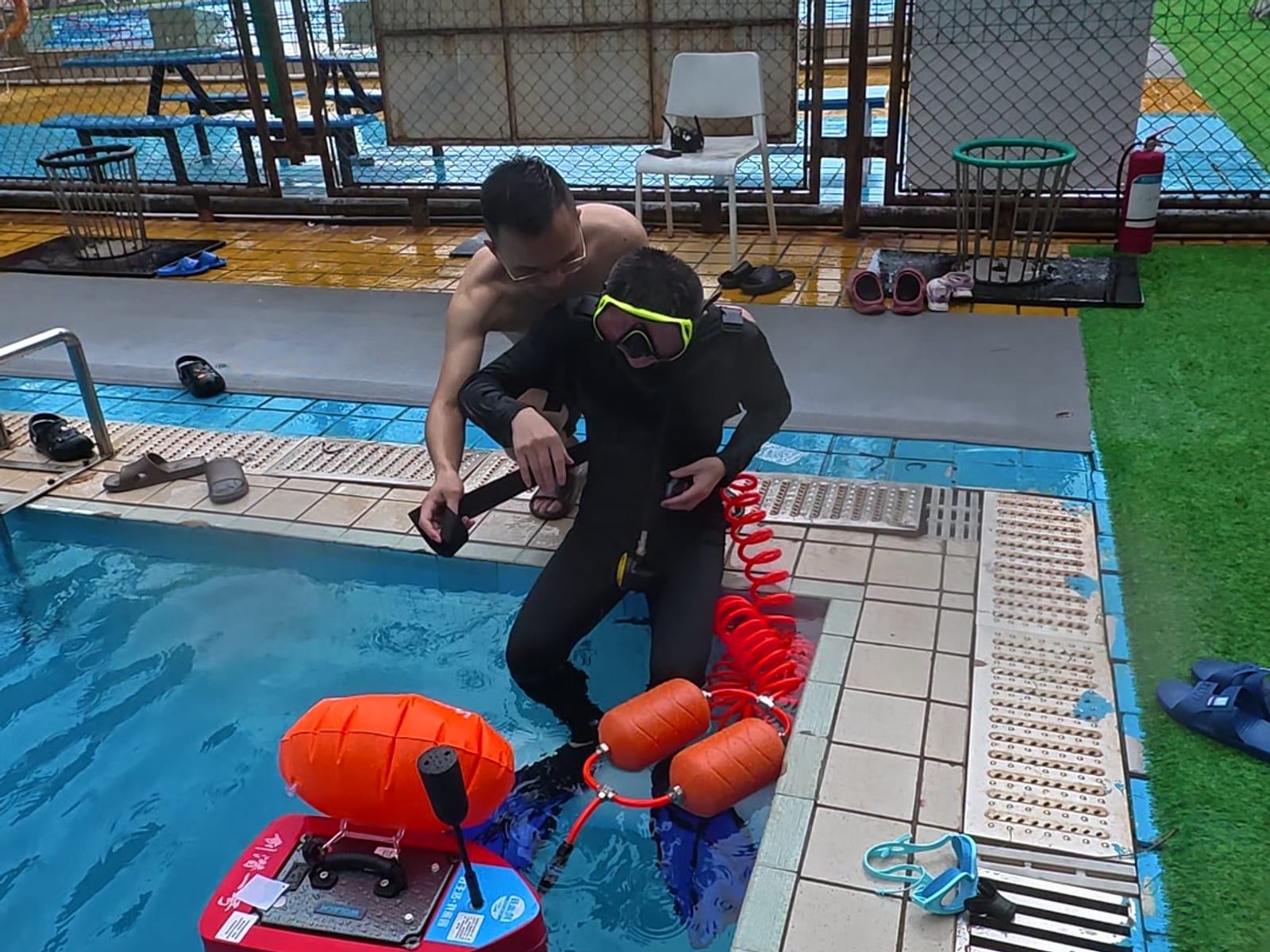
A pool session looks like a formality. It sits between the paperwork and the first real dive, it is usually indoors, and it is easy to treat as the thing you have to get through before the interesting part starts. That is backwards. Everything that will occupy your attention on an open-water dive — a float that drifts while you are under, a hose that crosses your own body during a turn, a second stage that has ended up somewhere you did not leave it — can be rehearsed at one metre of depth, in water you can stand up in, with the whole surface visible from below. Nobody has ever regretted an extra hour in a pool. Plenty of divers have regretted skipping it.
Start on the deck, not in the water
The first thing that should happen is not getting wet. Lay the hose out on the poolside in the shape it will need to take, walk the route you intend to swim, and start the unit running while everyone is still dry. A machine that will not start is a five-minute fix on the deck and a thoroughly annoying one once it is floating. Two other things get checked here: the drain box empty, and the air intake clear. Both are trivial to inspect and both cause the majority of "it was running fine yesterday" problems.
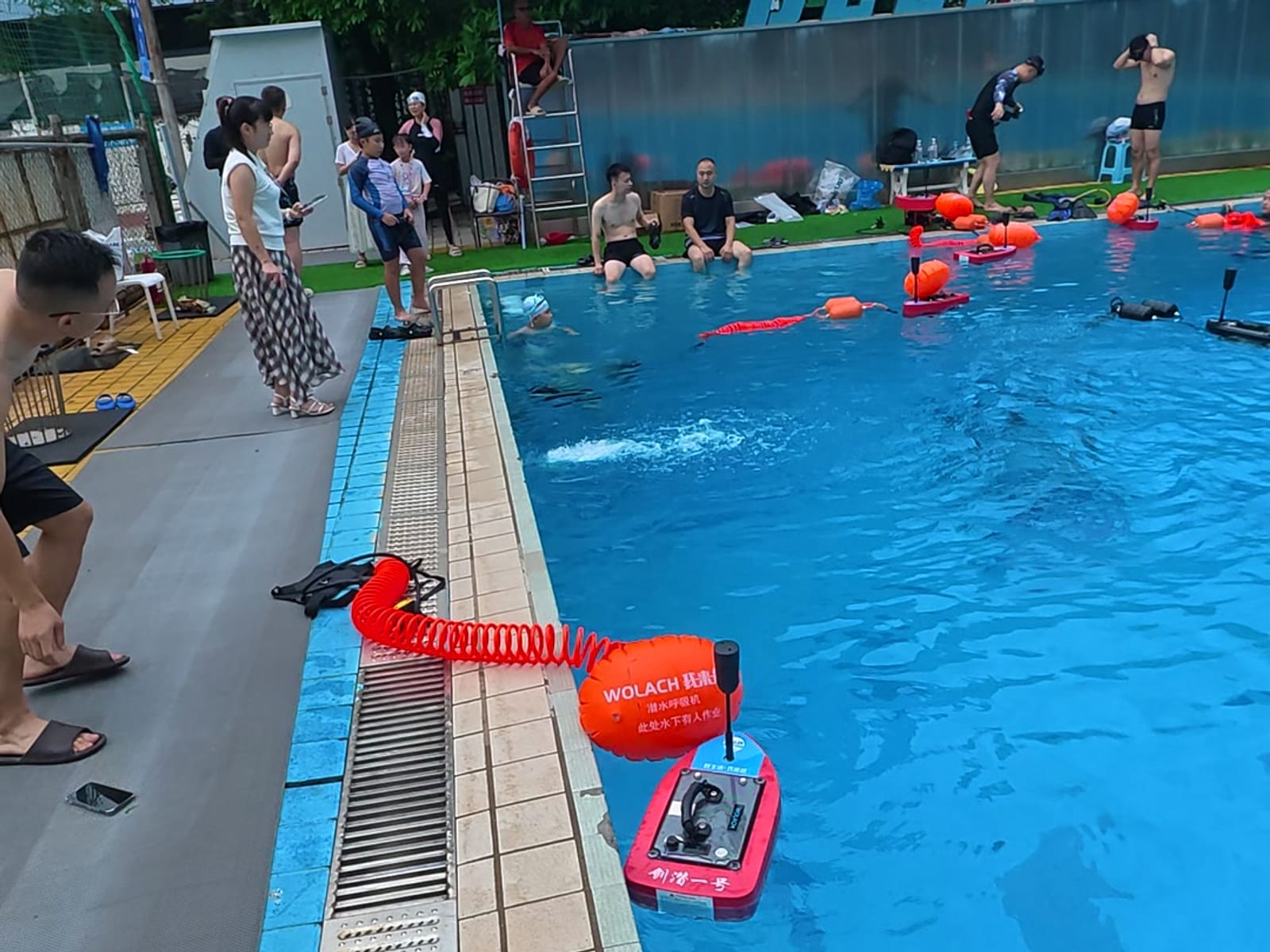
Then weight and trim, before any skills
Get in, put your face down, and float without doing anything. Most new hose divers find they are two to four kilograms over-weighted, because they have carried their scuba weighting across to a system with no cylinder. Sort this out first. Every skill you practise afterwards depends on being able to hold a position without thinking about it, and practising them while fighting a slow descent teaches the wrong habits very efficiently.
The order that works
- Lay the hose out on the deck and walk the route you will swim
- Start the unit, check the drain box and the air intake, and let it run
- Float face-down with no wall and set weights until you hover with no input
- Hover at one metre for a full minute without touching anything
- Descend along the wall to the deepest point, then ascend slowly, twice
- Mask clear, then a full hose turn in each direction, then a mask-off swim
- Finish with a simulated abort: give the signal, ascend, shut the unit down
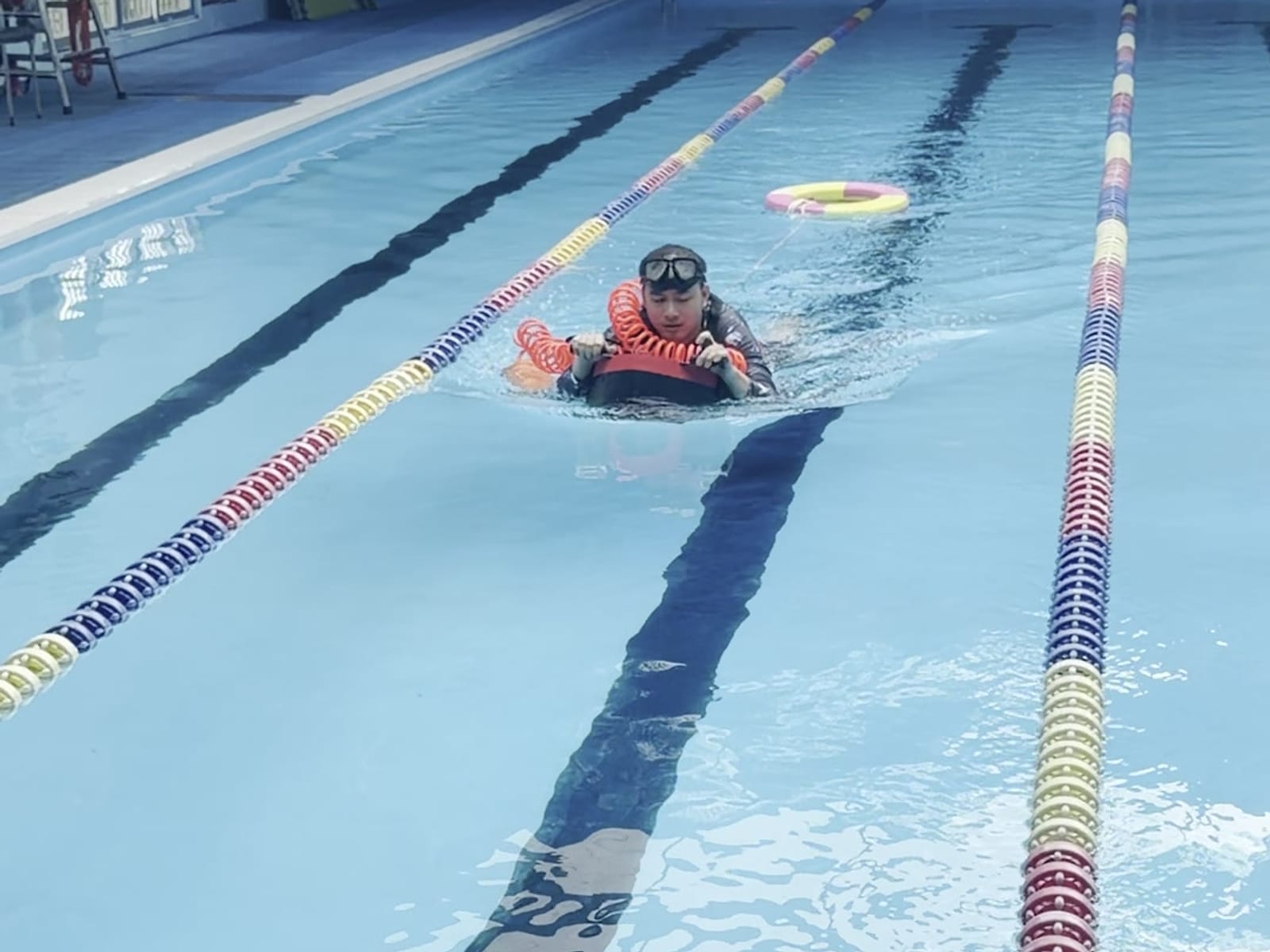
The two mistakes trainers keep making
The first is leaving the hose coiled. A hose laid out in a figure-eight on the deck looks tidy and behaves badly: the moment you swim, it pays out into its own knot, and the diver spends the rest of the session managing line instead of learning. Uncoil it fully and lay it in a loose line in the direction of the swim. The second mistake is making hovering artificially easy with a heavy weight belt. It gets the diver neutrally buoyant faster and it teaches a trim they will have to unlearn in open water, where the same belt makes them descend the moment they exhale. Set the weight correctly from the first minute and let the first three attempts at hovering be genuinely wobbly.
What you should leave with
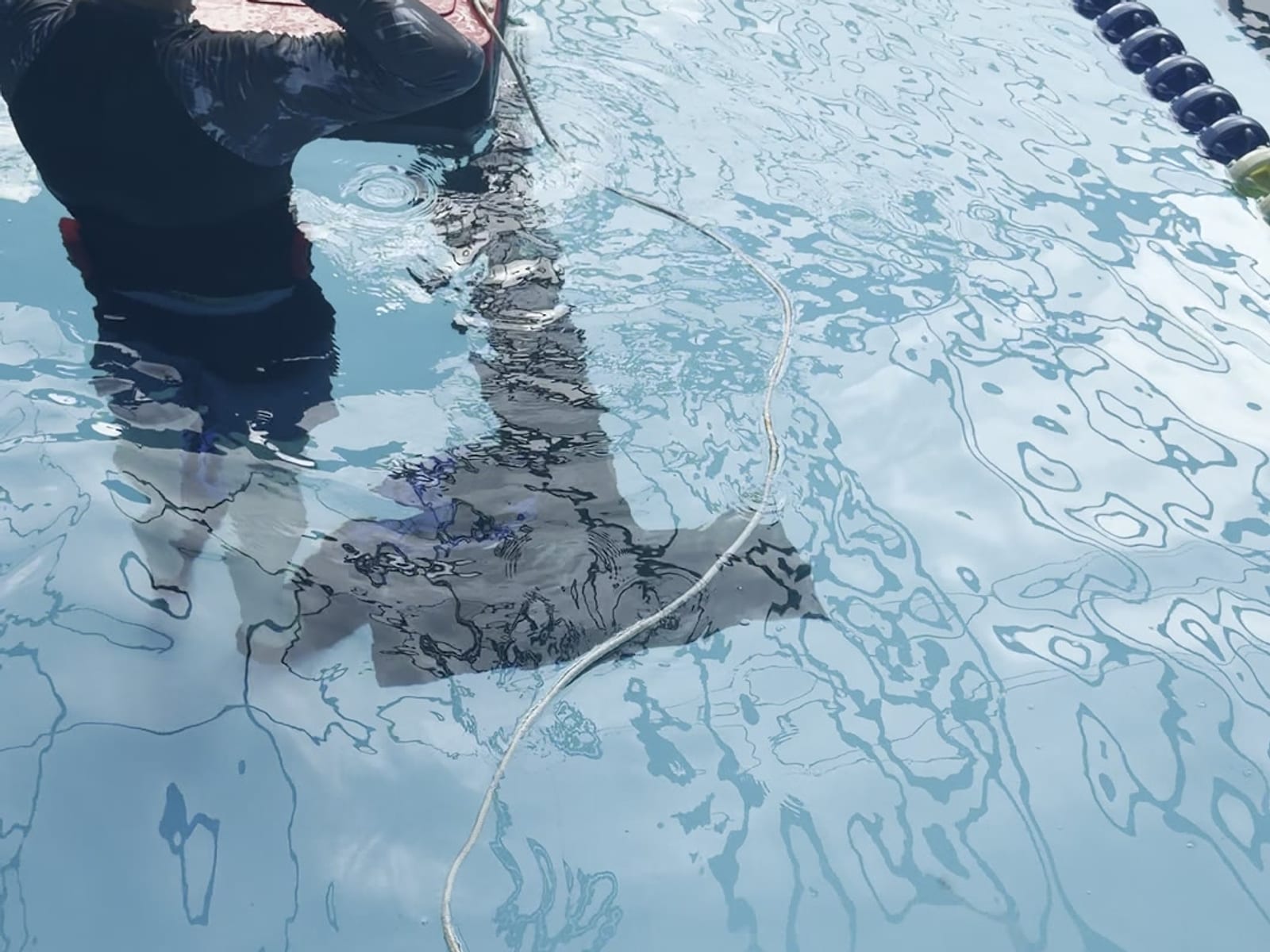
Three abilities, and they are all about removing attention from the equipment. You should be able to hover without touching anything. You should be able to turn a full circle in either direction without the hose finding your neck or your valve. And you should be able to take your mask off, swim a short distance and put it back on without surfacing. If you can do those three, your first open-water day will be about the site rather than about your own kit — which is the entire point of the exercise.
The short version
- The pool is where the hose becomes boring, and boring is the goal.
- Set up and start the unit on the deck, with the hose fully uncoiled in a loose line.
- Fix weighting before practising anything. Two to four kilograms less than your scuba setup.
- Practise hovering, hose turns and mask-off. Those three carry the rest.
- One extra pool hour costs almost nothing and is worth more than any amount of advice on a boat.
FAQ
Do I need a diving certification?
How deep can I go?
What happens if the battery runs low?
Keep reading
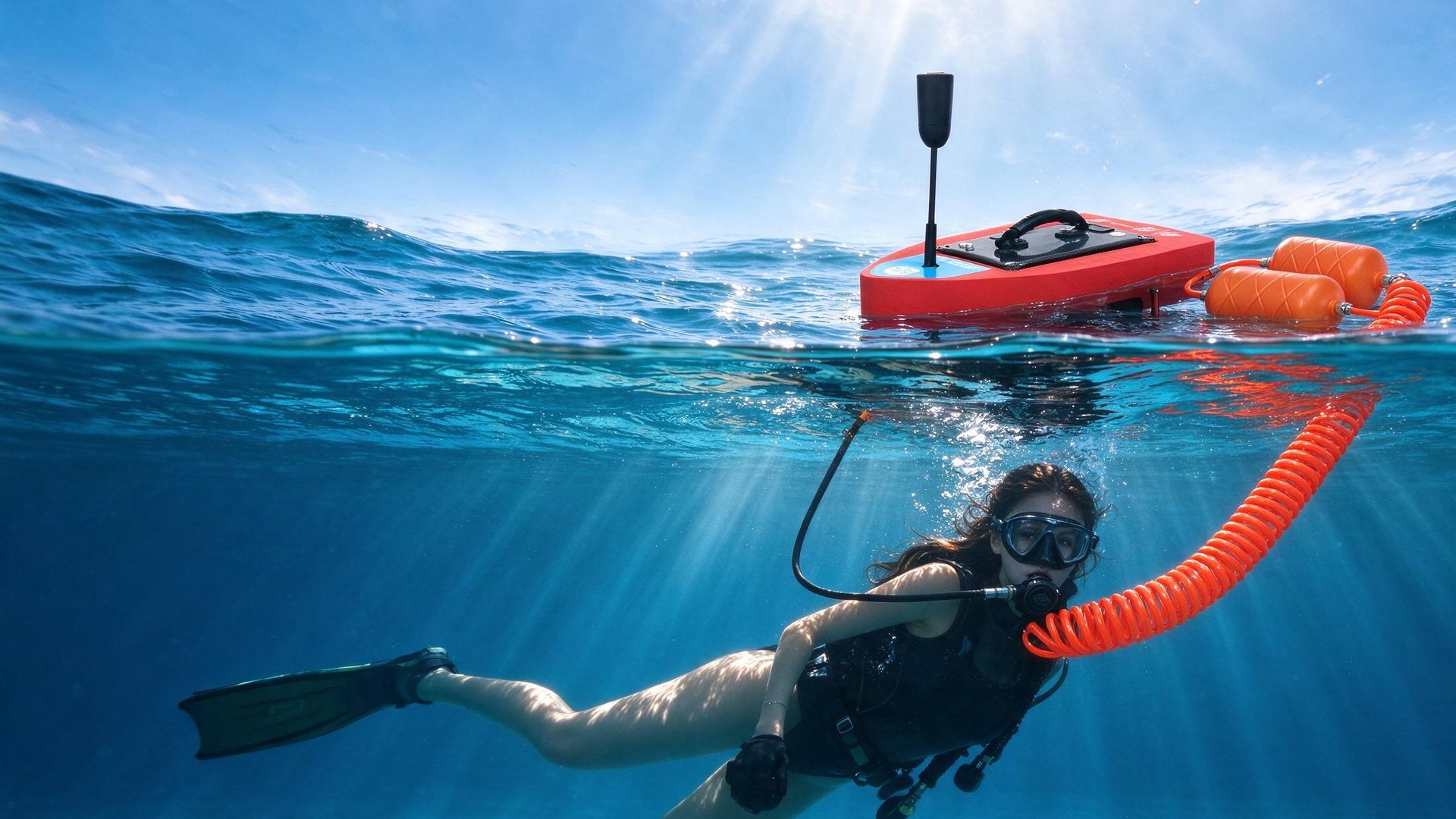
Scuba Tank vs. Tankless Hookah Diving: The Complete 2026 Comparison
Cost, bottom time, depth, safety and logistics — an honest, side-by-side look at when a surface-supply system beats a tank, and when it doesn’t.
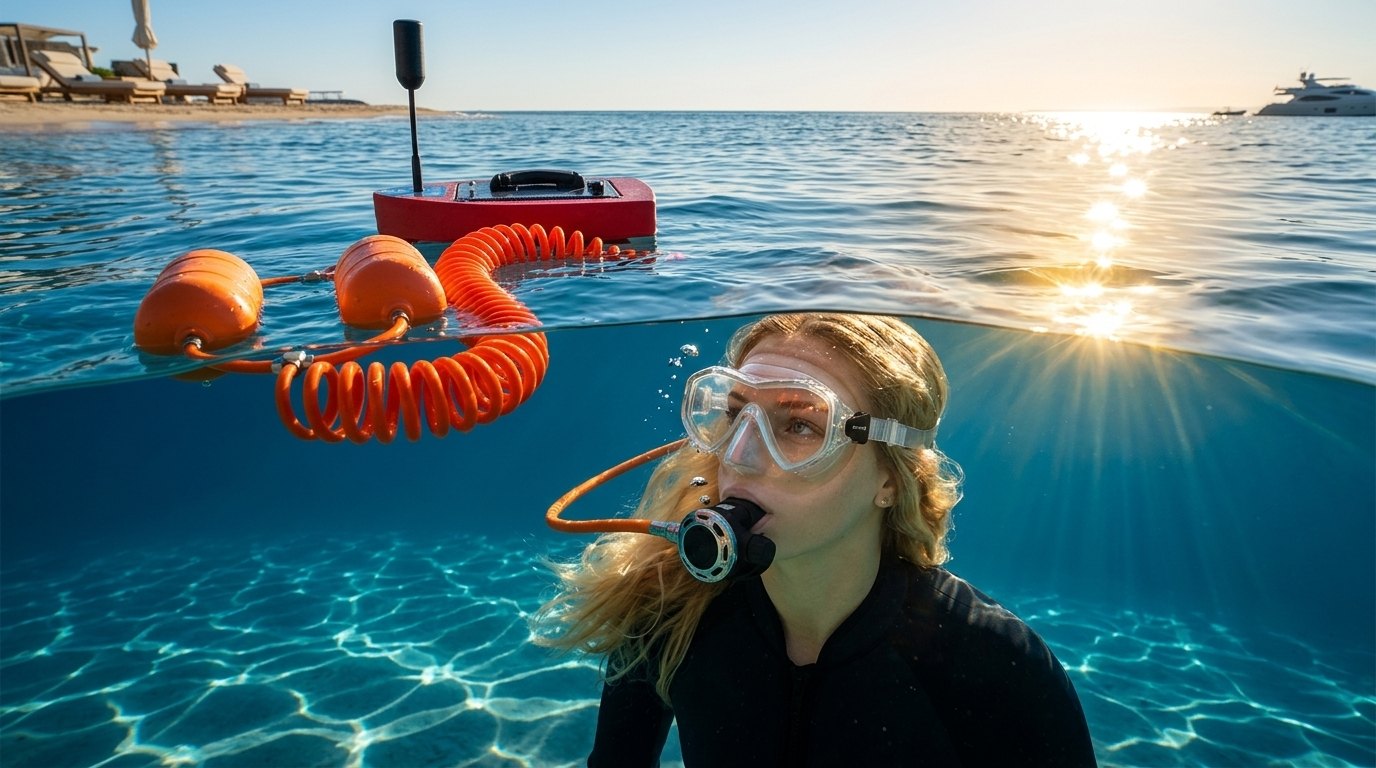
How Deep Can You Go With a Hookah Diving System?
Rated depth vs. tested depth, why hose length is not depth, and the no-decompression limits that still apply.
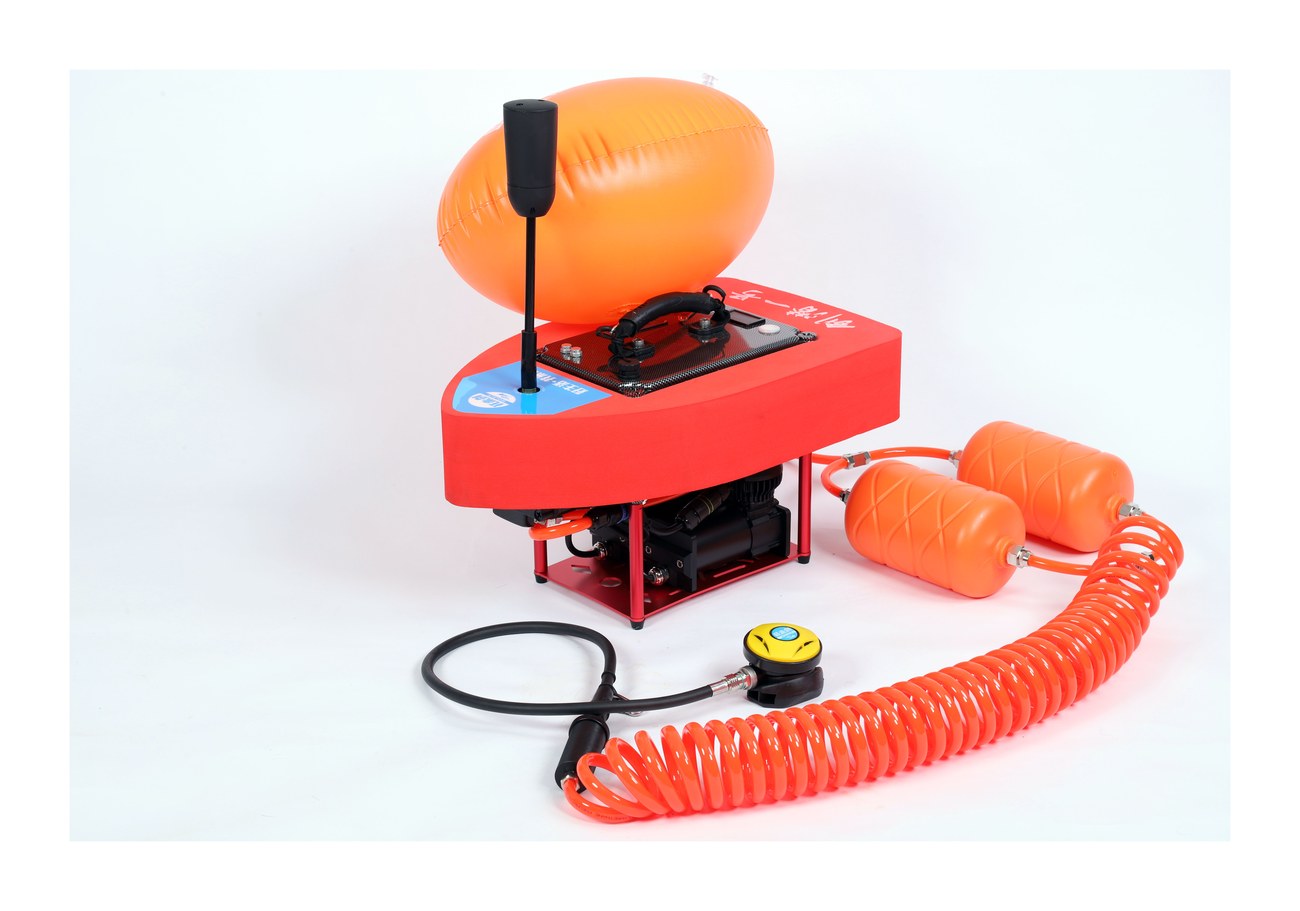
S6 vs S7 vs S9 vs S77: Which WOLACH Is Right for You?
Four models, one air path. Pick by how deep and how long you actually dive — the differences that matter are runtime, delivery and hose length, not features.