Catching Crab and Octopus by Hand
Two very different animals with one thing in common: neither can outswim you, both can hide perfectly. Reading holes, working a night window, and why gloves matter more than the net.
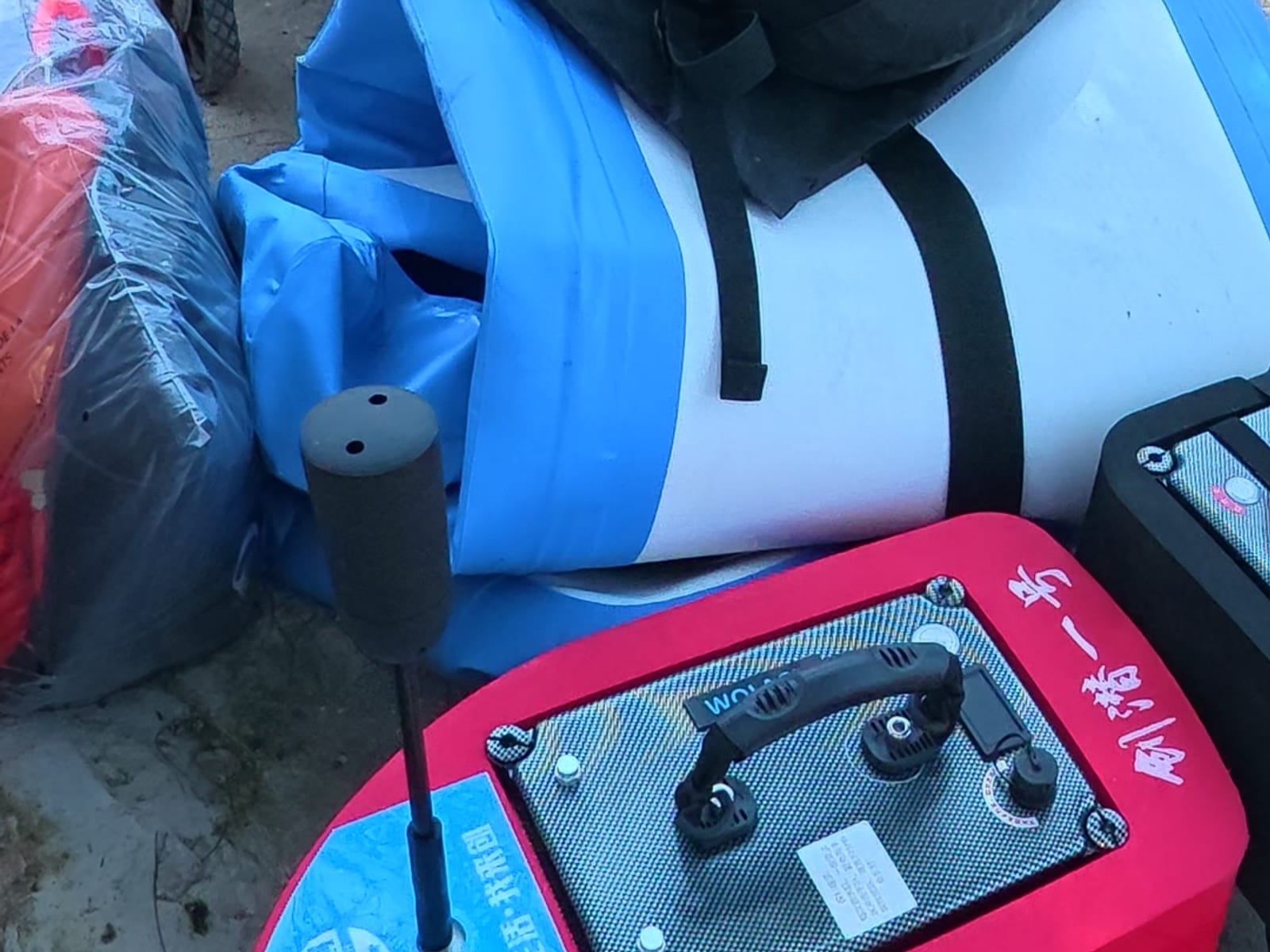
Crab and octopus are completely different animals that share one property underwater: neither can outswim you, and both can hide perfectly. So the work is not a chase, it is a search, and your yield depends on being able to see an entrance in something that looks like solid rock, and then judging whether there is anything worth reaching for behind it. The rules are tighter than for collection: most places require a permit, and a good many waters add a separate restriction on catching with a breathing apparatus, for the same reason spearfishing is restricted — the advantage is simply too large. Establishing that one point before you get in matters more than any technique in this article.
How to read an entrance
Entrances in rocky ground follow strong patterns. Crab favour a slot just wide enough to fill its own carapace, which means the targets are gaps of roughly two fingers to one palm, with depth, and clean edges — and a clean edge with fresh debris or newly disturbed sand around it is the clearest sign of recent occupation. Octopus favour a cavity, and it will stack the entrance with shells, crab carapaces and small stones as a door. That pile of material that does not belong in that position is the single most reliable indicator there is. What wastes the most time is the third category: entrances that look promising but are shallow dead ends. So the order of judgement is always the same — entrance character, then whether there is a cavity behind it, and only then whether to reach in.
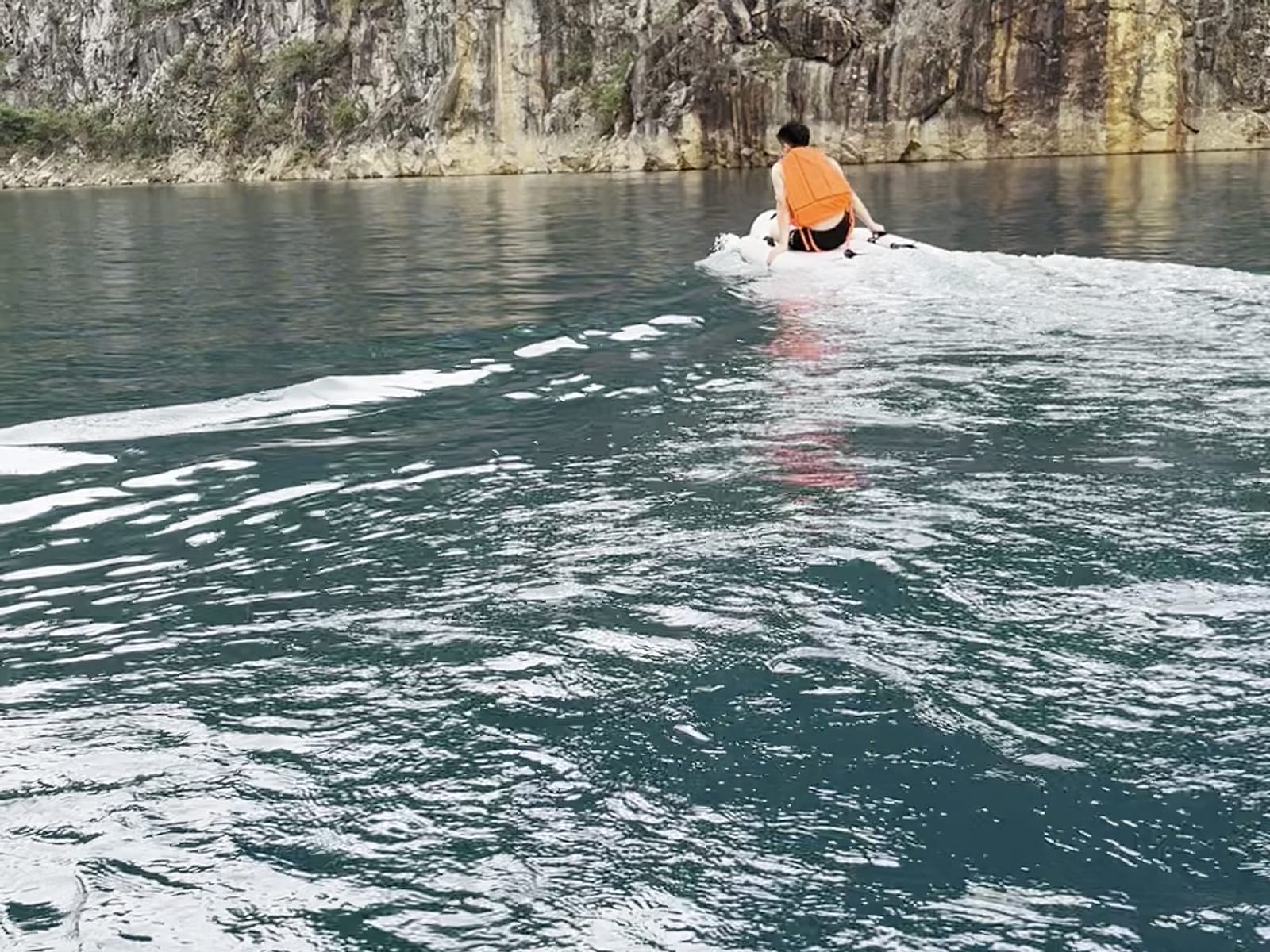
Hands beat tools, but only gloved hands
Where it is permitted, almost all catching is done bare-handed: reach in, locate, pin, draw out. And there is one lesson nearly everybody pays for once — gloves. Carapace edges, gill spines, and the barnacle and oyster crust on rock are all effectively blades, and a cut underwater is a great deal more trouble than a cut on land. Five-millimetre neoprene is enough in shallow water and gives the best compromise between grip and protection. For octopus, use both hands: one blocks the escape route while the other advances from the front, because this is an animal that retreats backwards, and pulling hard from behind usually collapses the hole and crushes the catch.
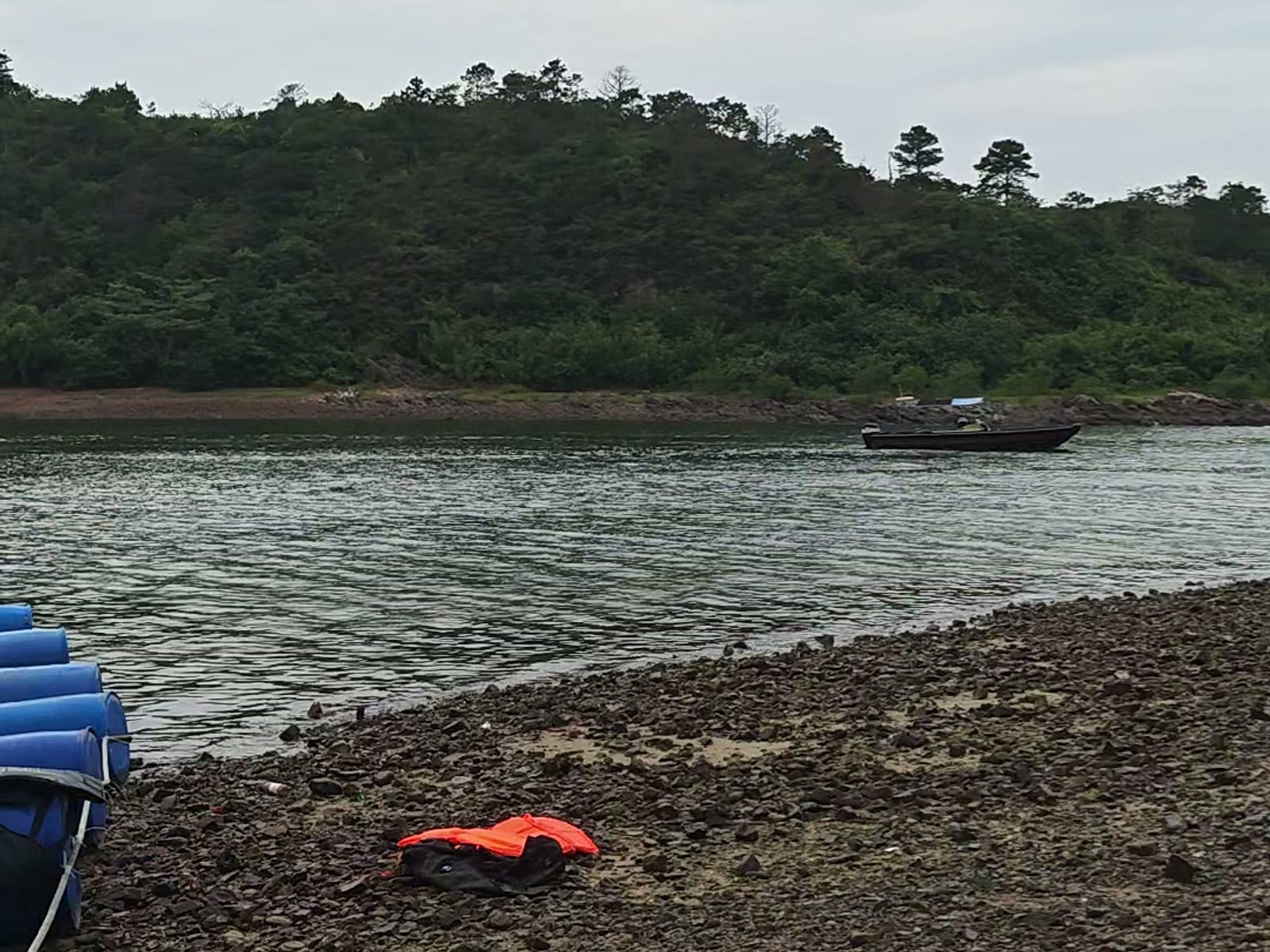
Stowage is where this work is won or lost
- Hard-shell and soft-bodied catch separated, or you finish with a bag of fragments
- The bag must close properly: an octopus leaves through any opening bigger than its eye
- Waist bag beats a back bag, because you will be working one-handed throughout
- A rigid small container lashed to the float for the best few, sent up early
- No fine-mesh net: snagging on rock in shallow water costs you the whole bag
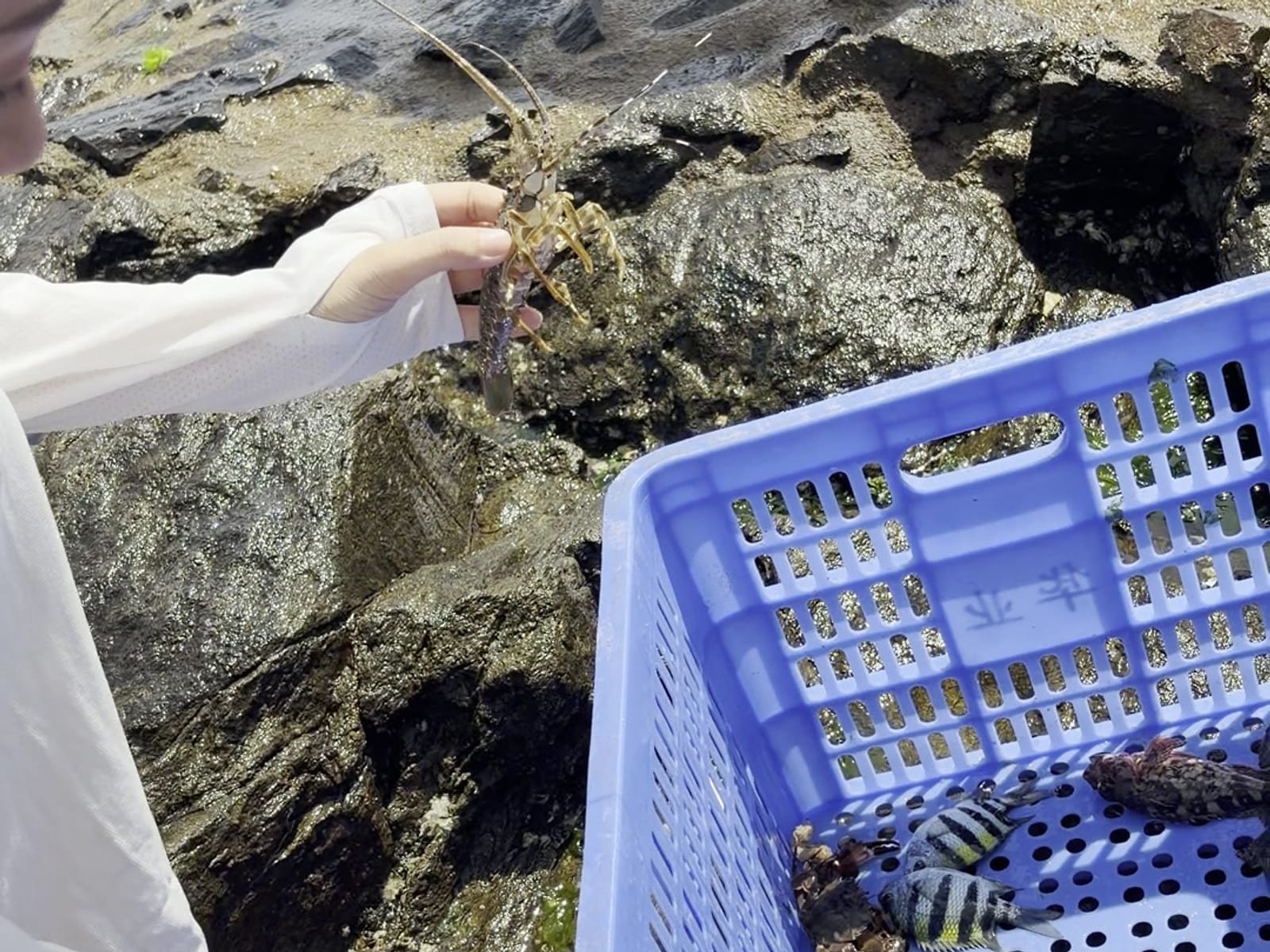
The night window, and why it is worth it
Both animals are nocturnal, and working at night is often more than twice as productive for an entirely ordinary reason: they leave their holes. What by day is a process of finding an entrance, judging it and extracting whatever is inside becomes, at night, a matter of walking past animals that are sitting out in the open feeding. The cost is lighting and safety. Every diver carries a primary and a spare, the float carries a permanently lit beacon rather than a reflective patch, and the surface team has to be able to see that light continuously in the dark. There is one small compensation in shallow work: boats cannot see your light, but they can hear the machine, so while it is running your position is audible to any skipper who knows the area.
The short version
- Establish first whether that water restricts catching with a breathing apparatus. Then talk technique.
- Crab: a slot that fits its carapace. Octopus: an entrance stacked with shells. Fresh debris means recent occupation.
- Short black dead ends waste the most time. Judge entrance, then cavity, then act.
- Five-millimetre gloves. Cuts underwater are far more trouble than cuts on land.
- Octopus: block the escape route and advance from the front. Never pull hard from behind.
- Night work often doubles the yield because the animals are out. Lights, beacon and surface team have to match it.
FAQ
Do I need a diving certification?
How deep can I go?
What happens if the battery runs low?
Keep reading
Underwater Harvesting 101: What a Hose System Is Actually For
Collection, catching and trap-tending are three different activities with three different rulebooks. The one question that decides which you are doing, and where a hose is welcome rather than banned.
Collecting Shellfish and Snails by Hand
The oldest use of a hose there is, and the one with the fewest rules attached. Reading the bottom for size, working a tide window, and carrying catch without losing it.
Sea Cucumber and Abalone: The Most Regulated Harvest There Is
High value, no mobility, and a history of collapse. Why these two attract quotas, size limits, closed seasons and blanket bans on breathing apparatus — and what licensed work looks like.