Collecting Shellfish and Snails by Hand
The oldest use of a hose there is, and the one with the fewest rules attached. Reading the bottom for size, working a tide window, and carrying catch without losing it.
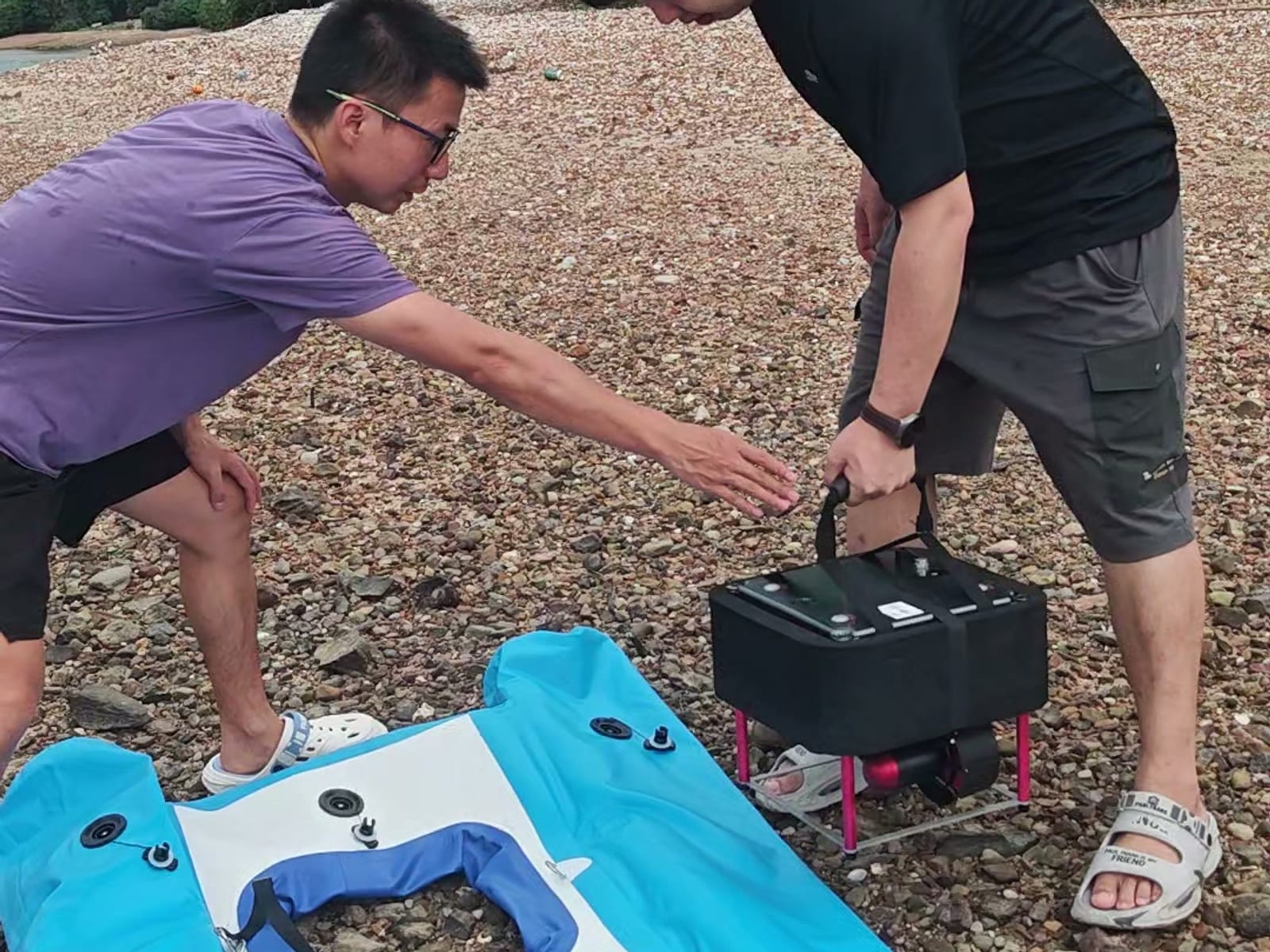
If there is one article in this whole collection that is least likely to get anybody into trouble, it is this one. Snails and shellfish do not move, do not take fright and do not need tools, and in many places the entire requirement is a collecting permit, a minimum size and respect for a closed season. It is also the most natural possible use of a hose system: shallow, slow, long. Those are the three conditions a breathing apparatus is best at. On a first session you will probably be surprised by the difference — the few rocks a freediver can turn in one breath become an entire day of working a rock face slowly. Which is exactly why the minimum size is the one rule that really matters here.
Turn the size limit into feel
Experienced collectors do not measure with a gauge. They use feel plus one reference: they learn the legal size of their two or three target species as "one finger joint", "the width of my palm", "the nail of my thumb", checked once against a real specimen before getting in, and after that they never reach for a caliper underwater again. This is not laziness. Reaching for a tool underwater is expensive — it gets dropped, hands get cold, time passes. The working rule that follows is simple: take only individuals clearly over the line, and leave everything that sits on it. A season later your catch will not have declined, and it is the only approach with which it will not.
Read the ground, not the area
Efficiency in collection is not about how much ground you cover, it is about reading the bottom correctly. Target species cluster in a few predictable places: the junction between rock and sand, the shaded side of crevices, the underside edge of algal cover, and scoured hollows where current has cleaned the surface. Flat rock and open sand hold almost nothing, and swimming across them is the slowest way to spend a day. The other reliable guide is current: juveniles disperse with flow and adults accumulate in slack water, so in moving water the lee side of obstructions and the eddies behind them are the places worth passing twice. In inland water the same logic becomes "the rocky band on the windward shore".
The full sequence for a collecting session
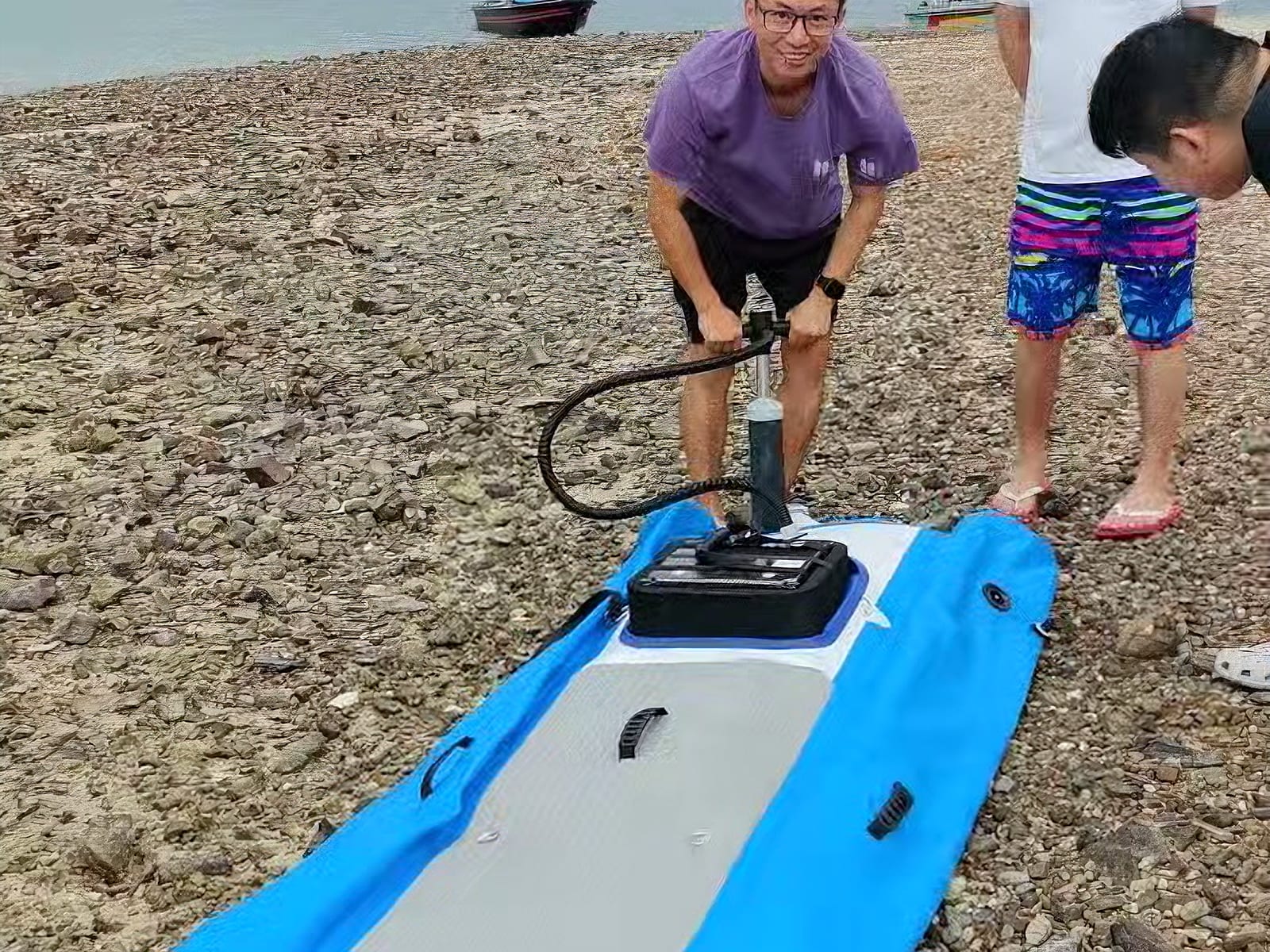
- Confirm permit, minimum size, closed season and daily limit before you leave
- Turn the target size into feel — check it against a real specimen once
- Pick the session around the tide, not the weather: the hour either side of low water is usually best
- Waist-mounted bag, opens by itself, checked as open before you get in
- Leave everything sitting on the size line. If you are unsure, leave it
- Do not work the same patch twice in one session. Leave it for next time
Handling decides yield, and that is not an exaggeration
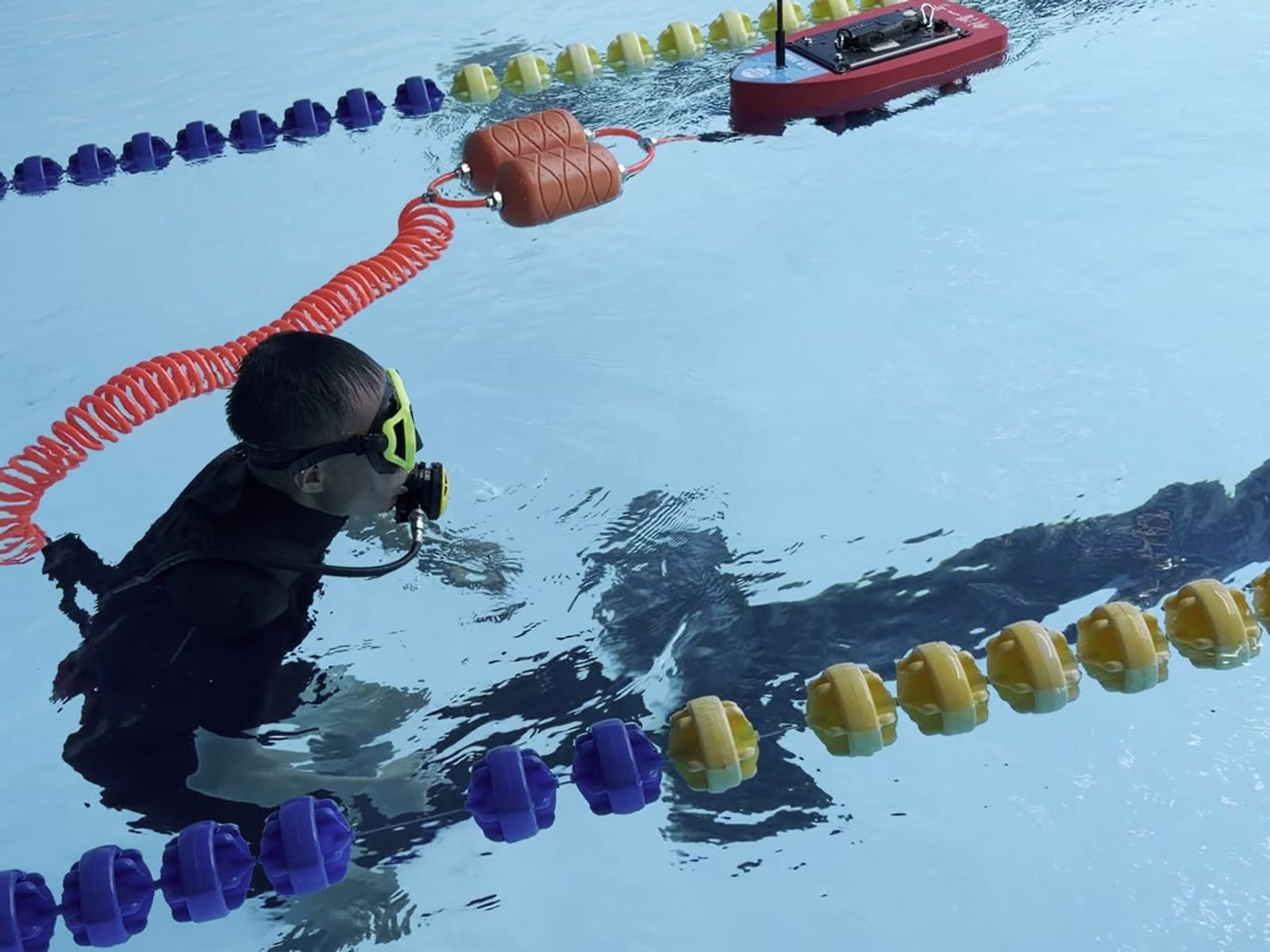
The thing that separates harvesting from sightseeing is the loop: find, take, stow, hundreds of times a day. Any friction in that loop is multiplied hundreds of times. A waist bag beats a back bag because a back bag makes you turn and reach with your other hand. A bag that is already open beats one you have to unclip. A divided bag keeps the fragile catch away from the hard shells. None of it is expensive, and all of it affects a day of production more than any specification of the machine.
The tide window is worth more than anything else
At the same spot, the difference between the flood and the ebb is often the difference between a workable session and a wasted one. Low water exposes rock that is chest-deep at high, and it brings shallow ground into working depth; high water pushes the shoreline back and usually strengthens the current. Session planning in this work therefore follows the tide table rather than the forecast: put the heavy work into the low-water window and the sorting and ferrying into the flood. A hose system gives you one small extra advantage here — the float can be used to hold the catch, so at the end of the window you tow one bag back to shore instead of carrying a load of snails up and down the beach.
The short version
- Collection is the most natural and least restricted use of a hose: shallow, slow, long.
- Turn the size limit into feel, checked against a real specimen once before you get in.
- Take only what is clearly over the line. It is the only way your catch does not decline.
- Read the ground, not the area: shaded crevices, algal edges, scoured hollows, the lee of obstructions.
- Waist bag, always open. Handling affects yield more than the machine specification does.
- Plan to the tide table, not the weather. Put the heavy work in the low-water window.
FAQ
Do I need a diving certification?
How deep can I go?
What happens if the battery runs low?
Keep reading
Underwater Harvesting 101: What a Hose System Is Actually For
Collection, catching and trap-tending are three different activities with three different rulebooks. The one question that decides which you are doing, and where a hose is welcome rather than banned.
Catching Crab and Octopus by Hand
Two very different animals with one thing in common: neither can outswim you, both can hide perfectly. Reading holes, working a night window, and why gloves matter more than the net.
Sea Cucumber and Abalone: The Most Regulated Harvest There Is
High value, no mobility, and a history of collapse. Why these two attract quotas, size limits, closed seasons and blanket bans on breathing apparatus — and what licensed work looks like.