Underwater Harvesting 101: What a Hose System Is Actually For
Collection, catching and trap-tending are three different activities with three different rulebooks. The one question that decides which you are doing, and where a hose is welcome rather than banned.
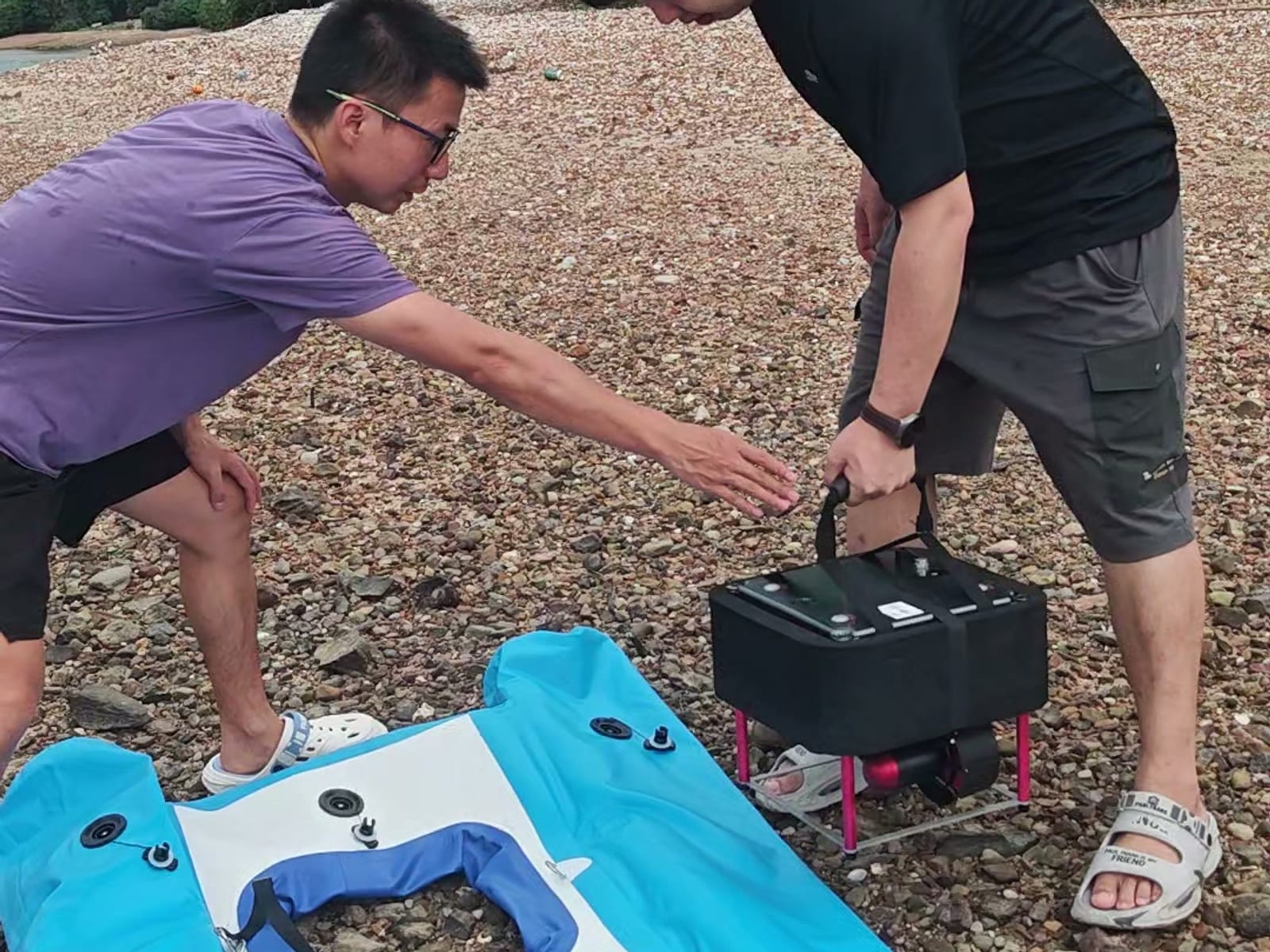
This is the most confusing part of the whole picture, and it is worth untangling before anything else. A good share of people who buy one of these machines are thinking, at least partly, about taking something out of the water — snails, crab, shellfish, or checking their own nets. That is entirely legitimate, and it is one of the oldest uses of a hose system. It is just that underwater harvesting is cut by regulation into three different activities, and what decides which one you are doing, and whether you may use a breathing apparatus at all, usually comes down to a single question: are you collecting, or are you catching?
Three activities, three rulebooks
The first is collection: snails, shellfish, sea urchins — things that do not move, or do not move fast, taken by hand. It is the oldest form of the work and the least restricted, and in many places all it requires is a permit, a size limit and respect for a closed season. The second is catching: crab, octopus, fish taken by hand out of holes. These move and hide, and they are usually subject to a permit plus, frequently, an extra restriction on breathing apparatus — because a hose makes a catcher far more effective than a freediver, and the rule exists to hold that advantage down. The third is gear work: setting traps, checking nets, lifting catch. Here the breathing apparatus is rarely the issue, because what is being regulated is the gear itself — mesh size, numbers, closed seasons — and not how you happen to be breathing.
Common methods and their usual legal status
| Snails, shellfish, urchins taken by hand | Widely permitted with a permit, size limit and season |
| Crab and octopus by hand, including crevices | Usually a permit; in some waters breathing apparatus is prohibited |
| Sea cucumber and abalone collection | Heavily regulated: quota, size, season, special permit; apparatus often banned |
| Setting traps, pots, gill or set nets | Regulated through the gear; apparatus assistance is usually permitted |
| Fish taken by hand out of holes | Usually a permit; many places restrict breathing apparatus |
| Spearfishing on breathing apparatus | Prohibited in most jurisdictions; the wording is "breathing apparatus" |
| Pump dredging for shrimp (suction) | Generally prohibited: destroys substrate and nursery habitat |
| Electrofishing and chemical methods | Prohibited everywhere; treated as a criminal offence |
Why the rules are aimed at the breathing apparatus
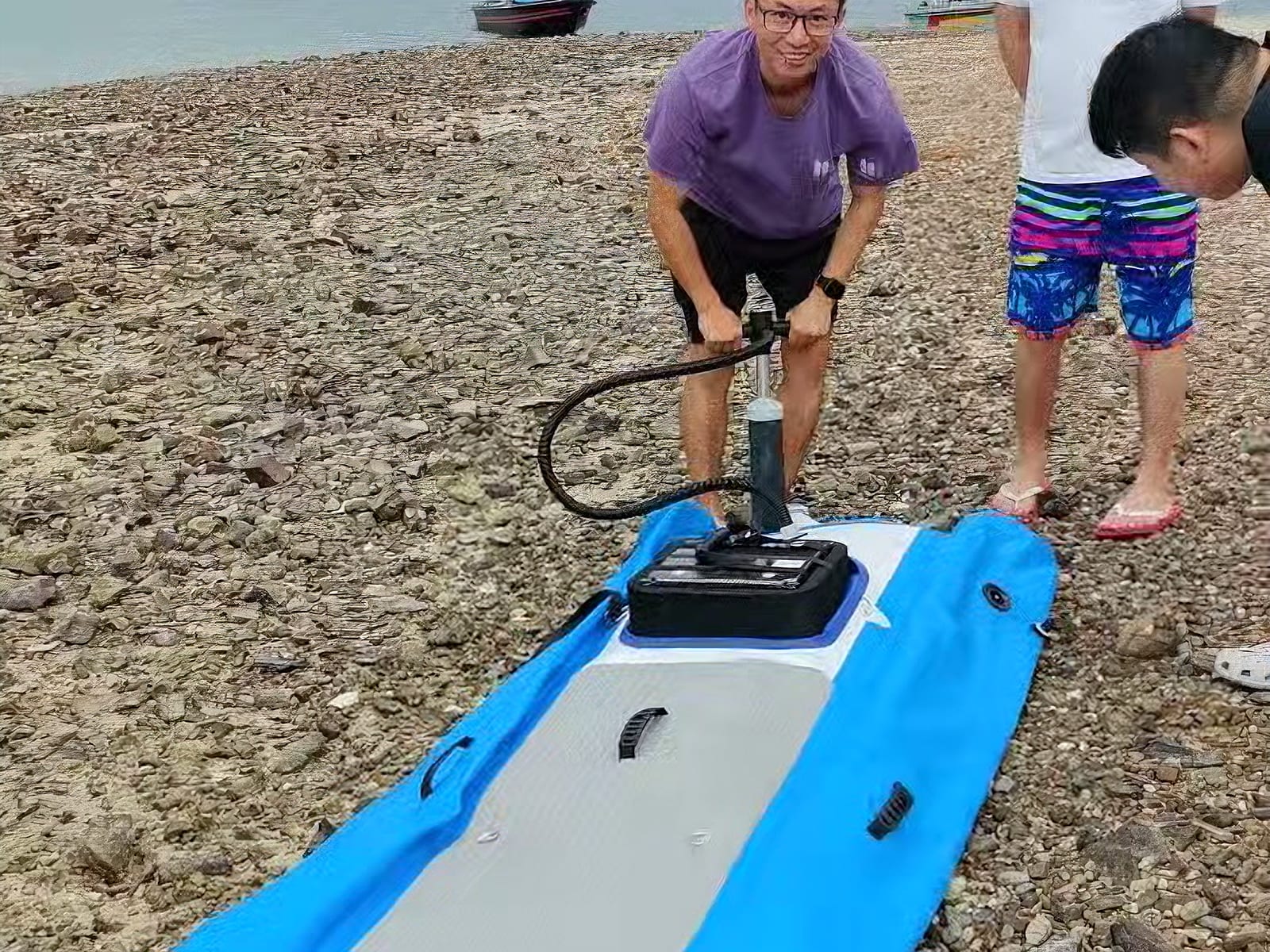
Once you see the principle, the rules stop looking arbitrary. Every harvesting regulation is trying to do the same thing: keep the catch per unit of effort down to a level the stock can sustain. Freediving is naturally limited — one breath, one descent, one item. A breathing apparatus removes that limit in three ways at once: time stops constraining you, access to structure stops constraining you, and turning over substrate becomes easy rather than difficult. The same effort produces several times the catch, and the recovery time for disturbed seabed is measured in years. So the restriction is rarely about whether you are in the water, but about how long you can stay, how deep you can work and how much you can turn over. That is precisely what a hose system multiplies, and it is why the same machine is welcome in aquaculture and trap work and constrained in most fisheries.

Where a hose system genuinely belongs
Read the table again and a pattern appears: the more a rulebook is about gear and quota, and the less it is about how you breathe, the more legitimate the apparatus becomes. That leaves three real categories of work. Aquaculture harvest — taking stock from cages, rafts and longlines, where the animals are yours and the rules concern the harvest rather than the harvest method. Trap and net tending — setting, checking and lifting, where the constraints sit with the gear. And underwater clearance — lost gear, illegal gear, line wrapped on structure, which is not only permitted in most places but actively wanted. All three share one property: the amount you take has already been decided by the gear or the quota, not by you.
Four things to establish before you enter the water
- Whether that water restricts breathing apparatus itself — the keyword is "breathing apparatus", not "scuba"
- The species: any special permit, minimum size, and closed season (spawning closures are usually absolute)
- The daily or per-person limit, and whether records or reporting are required
- Whether your method disturbs the bottom: by hand, by turning rocks, or by suction are three different things legally
Make compliance a habit rather than a risk
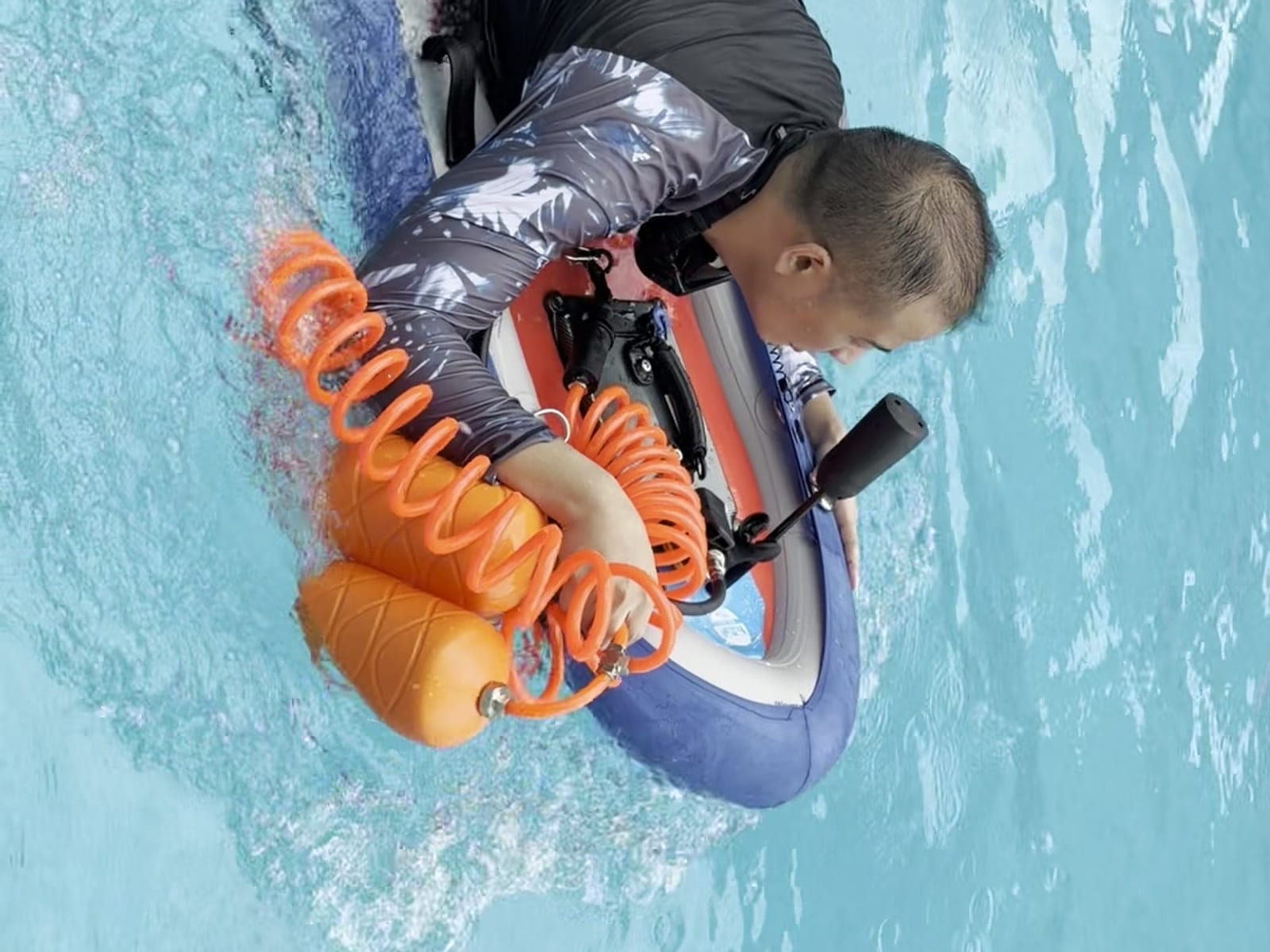
The operators who last in this work all do the same thing: they carry the permit as part of their working kit, and they write down position, count and size after every session. Not to satisfy an inspection, but because it solves a second problem at the same time — you end up with your own production record, so you can see which ground is declining and which size class has stopped appearing. Inspections in most places come down to those same two questions: is the permit valid, and does the record match what is actually on board. The habit that causes the most trouble is always the same sentence: "everyone does it here." Somebody else breaking the rule on the same water is not your permit.
Two equipment notes that only matter for harvesting
If harvesting is the main use, two selection judgements go differently from ordinary diving. Depth first: the overwhelming majority of this work happens between three and ten metres, so a shallow-rated machine is already sufficient — put the money into runtime instead, because harvesting is a slow-search activity and time is the yield. Handling second: the core loop of the work is find, take, stow, repeated hundreds of times a day, so where the catch bag sits matters more than any accessory. A waist-mounted bag that opens by itself and can be loaded one-handed will influence your production more than anything else you can buy.
The short version
- Collecting and catching are different activities with different rules. Establish which you are doing first.
- The rules exist to hold down effectiveness. A breathing apparatus multiplies it, so it is restricted for collection and catching and almost unregulated for gear work and aquaculture.
- The wording in law is "breathing apparatus", not "scuba tank". A hose is breathing apparatus.
- Electrofishing and chemical methods are prohibited everywhere. Pump dredging is generally prohibited because it destroys substrate.
- Carry the permit and record the catch. It settles compliance and gives you the data to manage your own ground.
- For harvesting, choose on runtime and handling, not on depth.
FAQ
Do I need a diving certification?
How deep can I go?
What happens if the battery runs low?
Keep reading
Sea Cucumber and Abalone: The Most Regulated Harvest There Is
High value, no mobility, and a history of collapse. Why these two attract quotas, size limits, closed seasons and blanket bans on breathing apparatus — and what licensed work looks like.
Shrimp and Prawn Harvesting: Two Legal Routes and One That Is Not
Prawns draw the clearest line in the whole harvesting picture. Traps and licensed nets are routine work; pump dredging and electrofishing are not merely unlicensed, they are treated as serious offences.
Tending Nets and Traps on Surface Supply
The one harvesting job where a hose is welcome almost everywhere. Setting a line, working around loaded ropes, releasing undersize catch alive, and the hose discipline that keeps it safe.