Removing Ghost Nets and Lost Gear
The harvesting job that is encouraged rather than restricted, and that some operations sell twice: once as the cleanup itself, once as recovered material. What lost gear does, and how to lift it safely.
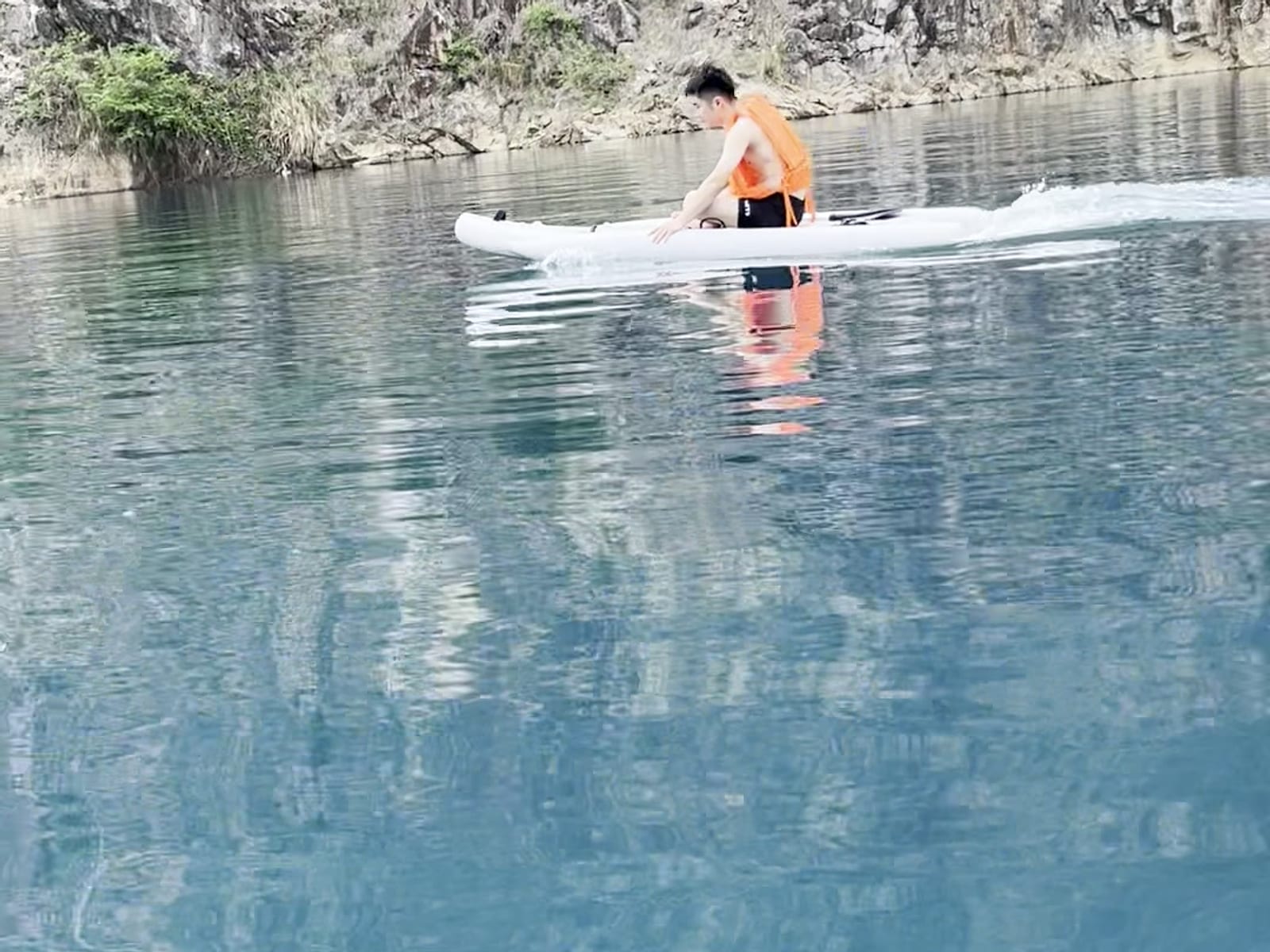
This is the one piece of harvesting work that gets more welcome the more of it you do. Derelict fishing gear — ghost nets — means nets, pots and rope that were lost or abandoned and are still fishing. It does not discriminate by size, species, or whether anybody is watching. A net that goes over the side keeps working until it is either recovered or fouled enough to lose its buoyancy. Clearing it therefore requires no special permit in almost any fisheries jurisdiction, and in a good many places there are incentive or subsidy schemes for it, with marine reserves, industry associations and dive operators all willing to pay — it is one of very few underwater jobs where compliant, useful and sellable are all true at once.
What lost gear actually does
The damage mechanism is different in kind from active fishing. Active gear catches for as long as it is deployed. Lost gear catches for as long as it takes to degrade. The usual sequence is: the net takes fish, including large individuals, and crustaceans; the carcasses attract scavengers such as crab, starfish and molluscs; the scavengers are caught in turn; meanwhile the net fouls with algae and growth, loses buoyancy and settles against the reef. So a net that has been sitting for a long time is not a net holding a few animals — it is a mortality zone that has been running for years. That is why the return on removing it is usually much larger than it looks: lifting it out terminates the whole chain at once.
Survey first, and plan it in stages
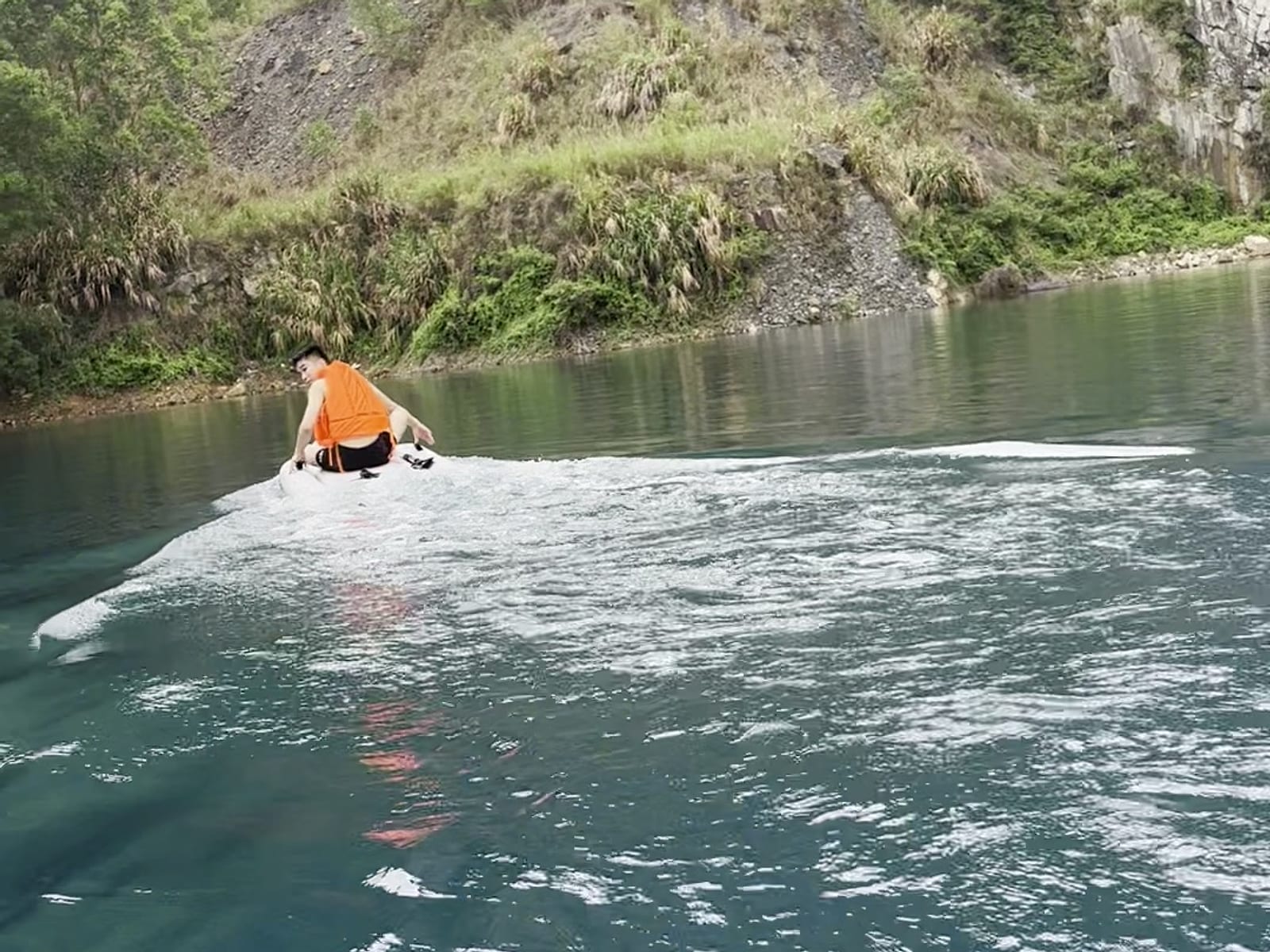
Ghost gear work has a counter-intuitive requirement: do not try to finish it in one go. A large net wrapped through rock, pulled straight out, tears coral, kills everything caught in it, and usually fails at several load points at once, leaving a scatter of fragments that is harder to deal with than the original net. The correct sequence runs in three stages. Stage one is survey only — photograph it, measure the extent, identify the load points, and check whether anything alive needs releasing first. Stage two is cutting it free section by section, working the net off the structure in pieces. Stage three is recovery of the material. Three sessions usually total less time than one hard pull, because there are no fragments left to chase. It also suits a hose system well: each session is shallow, short-range and controlled.
What has to happen before you start tugging
- Release the trapped animals first — fish, crab, turtles — then deal with the net
- Cut in sections and work it off the structure piece by piece, never as one whole
- Stow rope and netting on deck by winding, not by untying it there
- Take every fragment away: fragments are the most expensive part of any cleanup
- Record position and weight as evidence; subsidy schemes and permits both want it
- Sort recovered material for recycling — plastics and leaded rope go separately
How to make it an income rather than a gesture
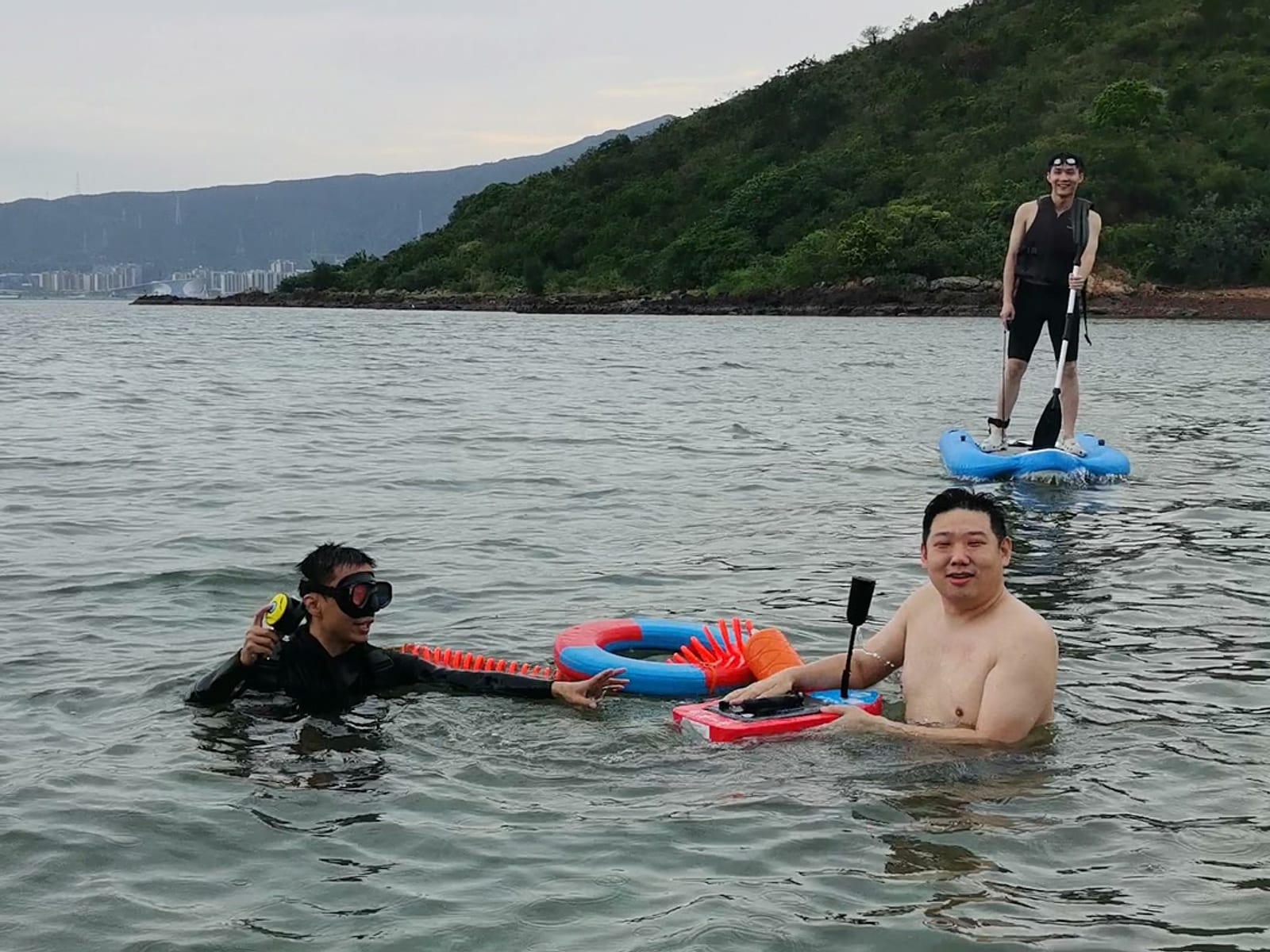
Turning this into work rather than a good deed means stacking three revenue lines. The first is the cleanup itself: reserve managers, industry associations, marinas and fish farms will pay to have gear removed from their water, particularly when it is sitting in a channel or against equipment. The second is recovered material: netting, rope and leaded line all have recycling routes, and in some regions the circular supply chain already pays by weight. The third is survey data: position, extent and species impact recorded in passing is exactly the data reserve assessments are short of, and it is often valued more highly than the cleanup itself. Running all three at once is what makes this sustainable as a line of work — it does not depend on any single grant.
The short version
- Ghost gear is the harvesting job that is encouraged rather than restricted, and often incentivised.
- It does not discriminate and it does not stop, until it is recovered or loses buoyancy.
- Release trapped animals first, cut free in sections, and prefer three sessions to one hard pull.
- Take every fragment away. Fragments are the most expensive part of the job.
- Record position and weight as evidence. Subsidies and permits both require it.
- Three revenue lines: the cleanup, the recovered material, and the survey data. Not a single grant.
FAQ
Do I need a diving certification?
How deep can I go?
What happens if the battery runs low?
Keep reading
Invasive Species Removal: The Diving Job That Is Encouraged
Lionfish, urchins, mussels, algae. In a growing number of waters, removing certain species is not merely permitted to a hose diver — it is actively wanted.
Underwater Harvesting 101: What a Hose System Is Actually For
Collection, catching and trap-tending are three different activities with three different rulebooks. The one question that decides which you are doing, and where a hose is welcome rather than banned.
Collecting Shellfish and Snails by Hand
The oldest use of a hose there is, and the one with the fewest rules attached. Reading the bottom for size, working a tide window, and carrying catch without losing it.