Learn. Practice. Explore.
Choosing a model, setup, maintenance and gear care.
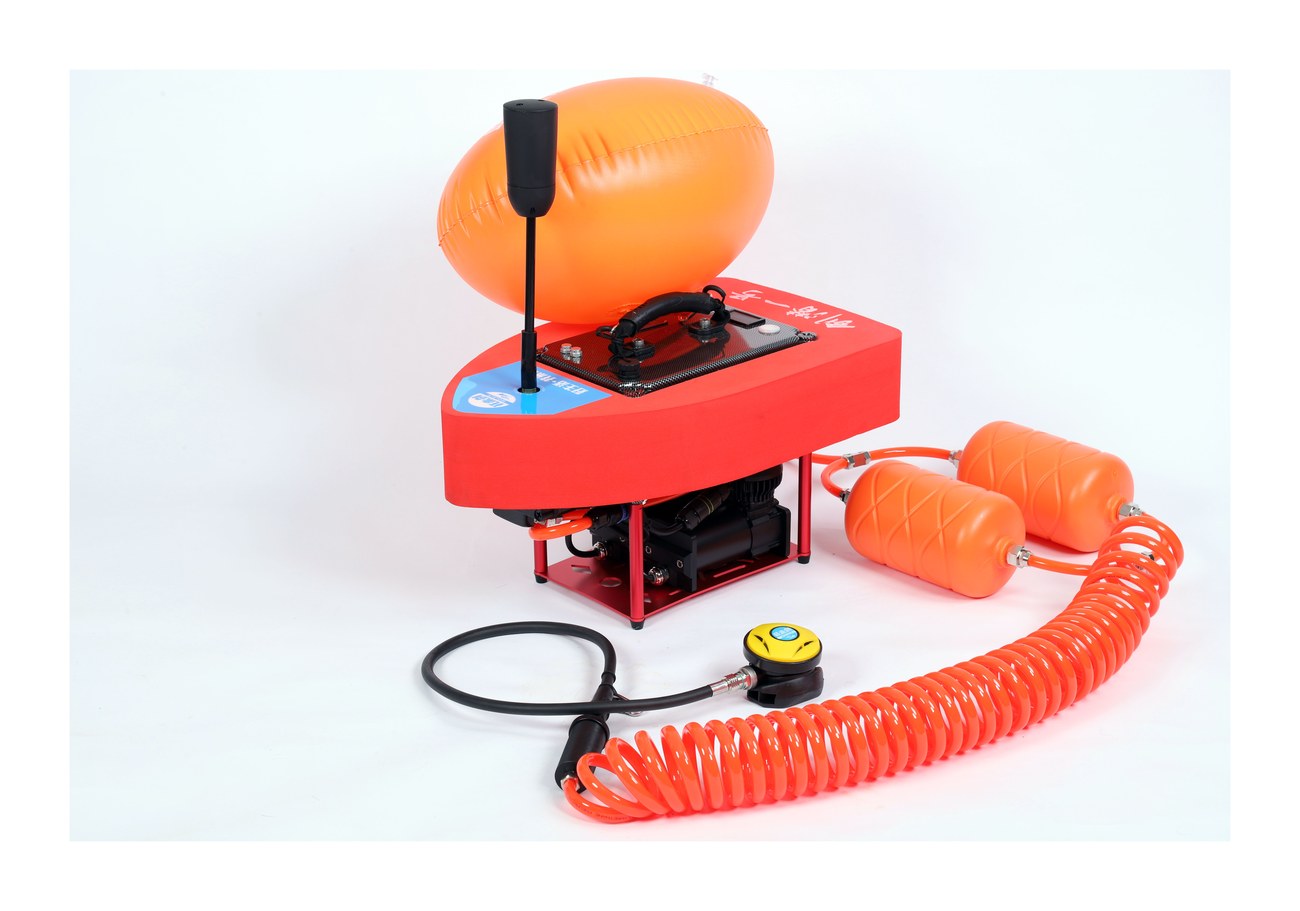
S6 vs S7 vs S9 vs S77: Which WOLACH Is Right for You?
Four machines, one air path, three numbers that decide it. How to pick by the diving you actually do rather than the depth rating you aspire to.
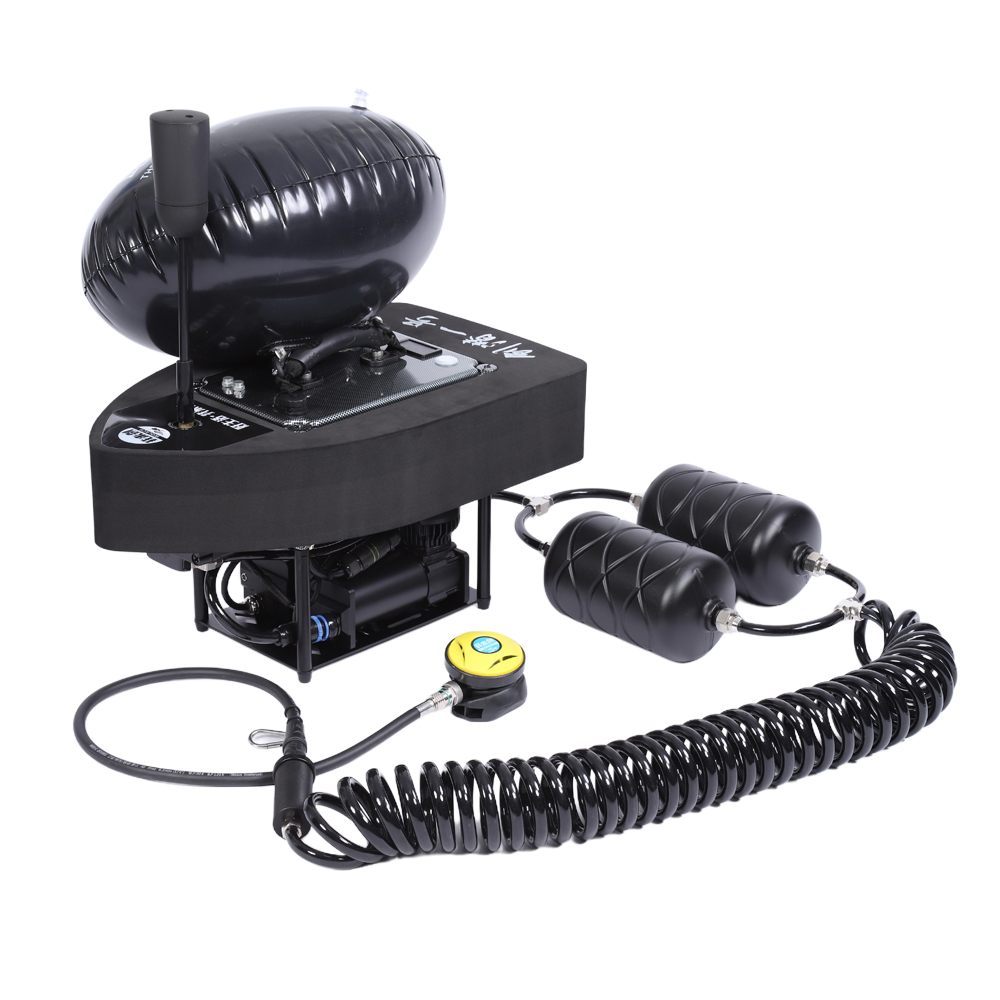
Gear Care 101: Rinse, Dry, Store
Fifteen minutes after every dive day decides whether the machine lasts three years or ten. What to rinse, what never to rinse, and the one part that quietly wrecks everything behind it.
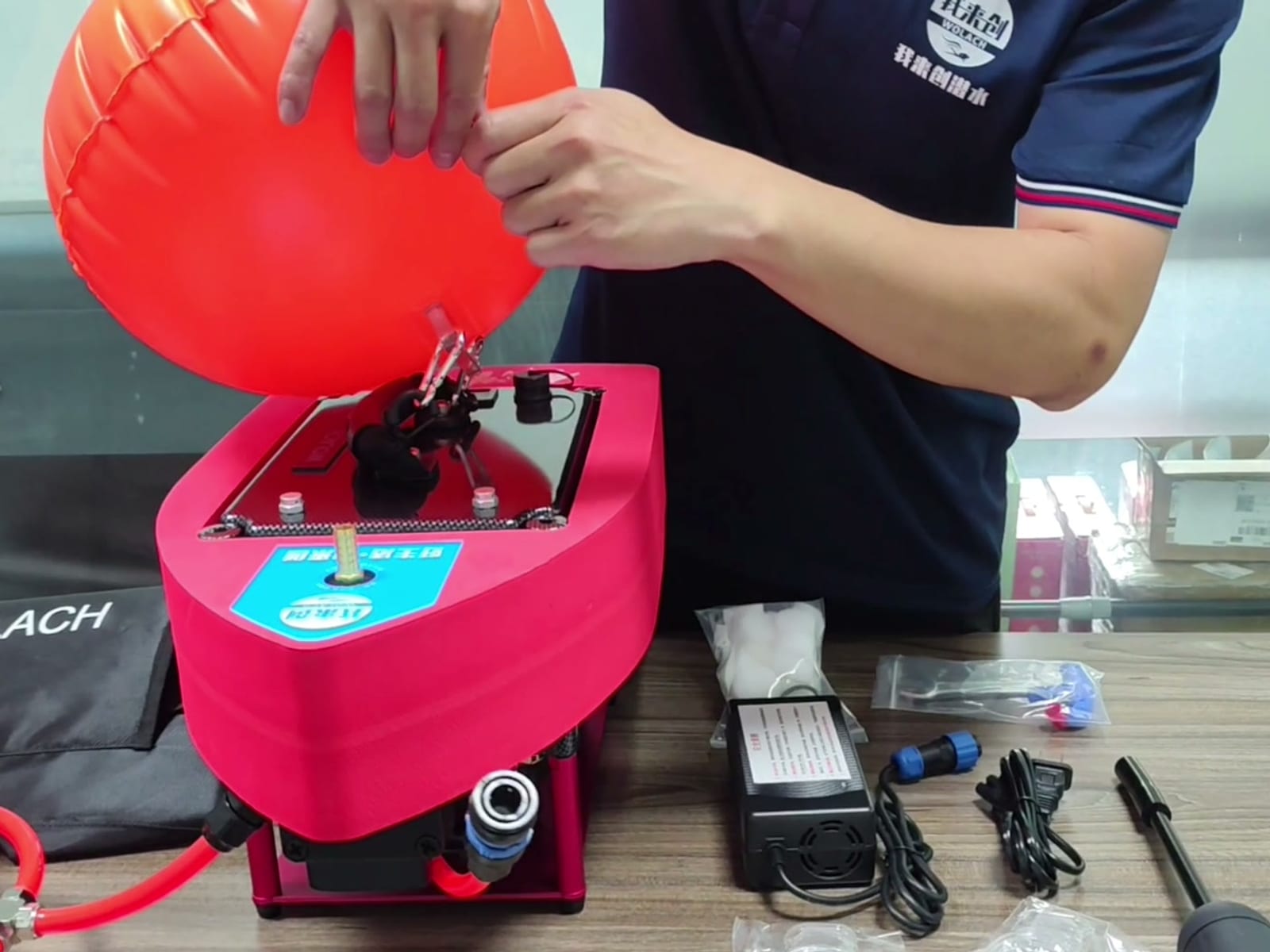
What's in the Box: Unboxing a WOLACH System
One carton, one complete gear package, no optional extras to buy before your first dive. What arrives, what to check first, and the two questions every new owner asks.
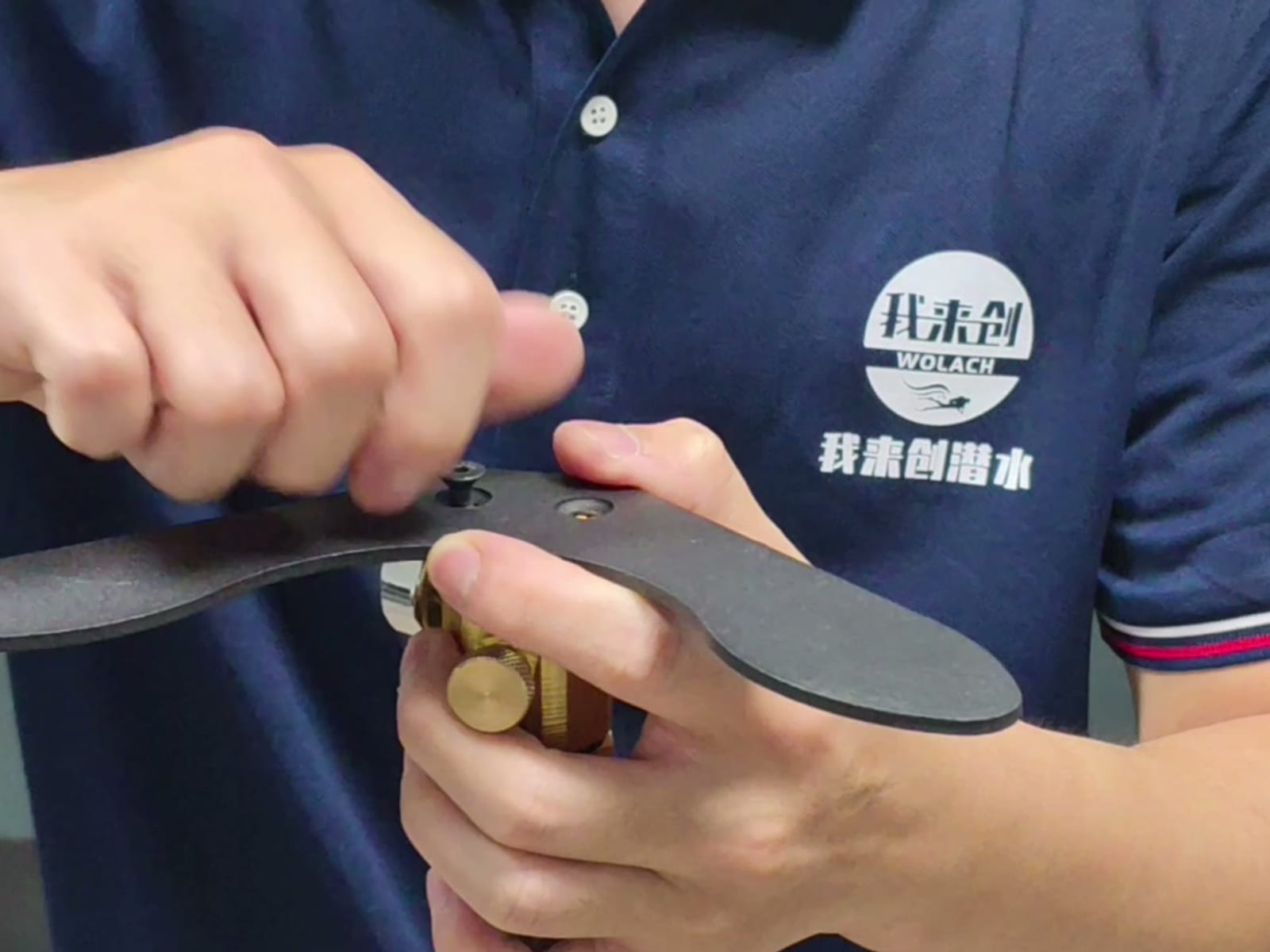
Fitting and Swapping the Spare-Air Cylinder
The bottle is the one accessory we recommend to every owner, including people who only dive in pools. How it mounts, when to swap it, and the O-ring that fails quietly.
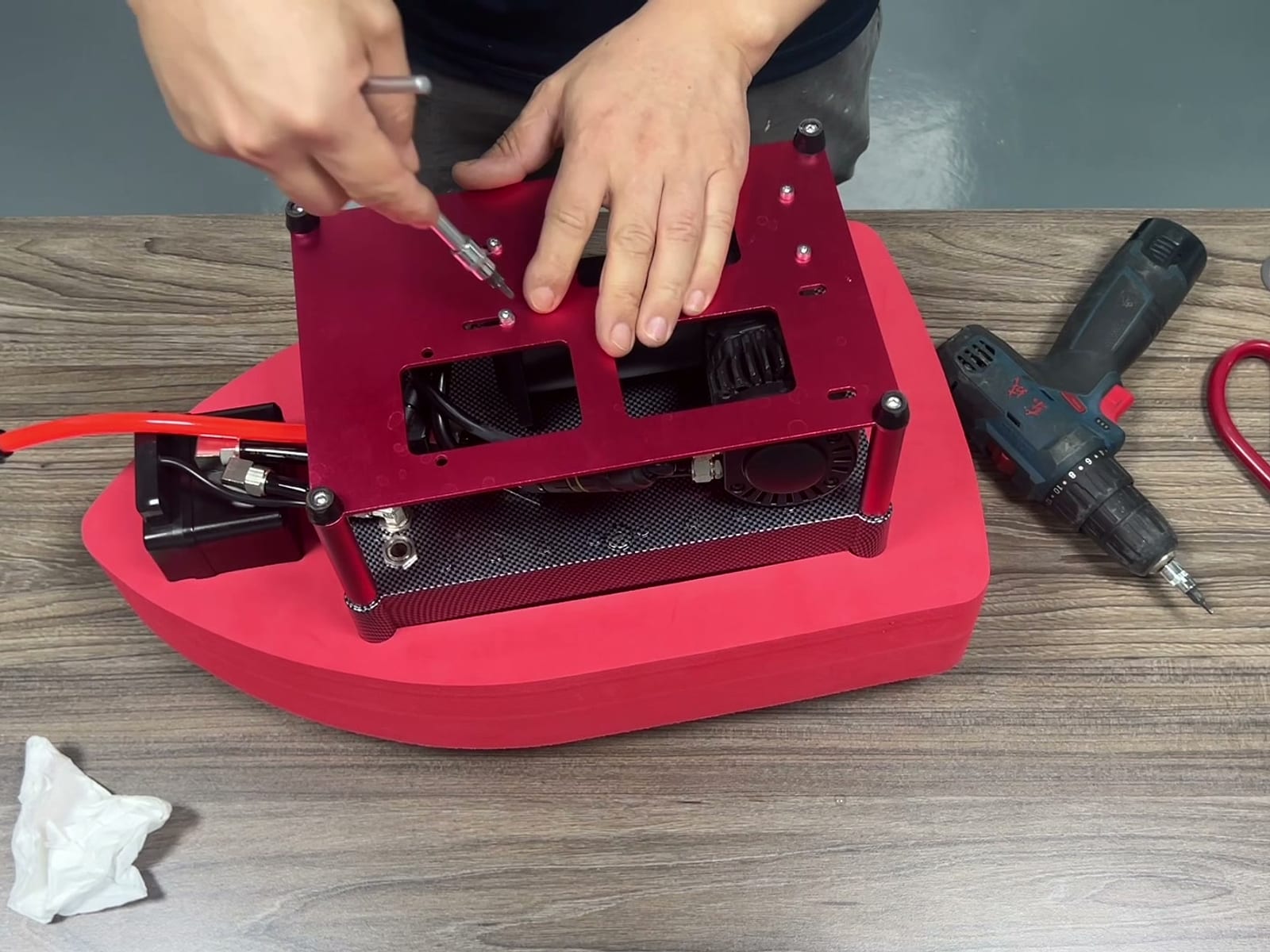
Replacing the Diaphragm
A machine that runs perfectly but delivers nothing is almost always this one rubber part. Symptoms, the twenty-minute replacement, and where warranty cover genuinely stops.
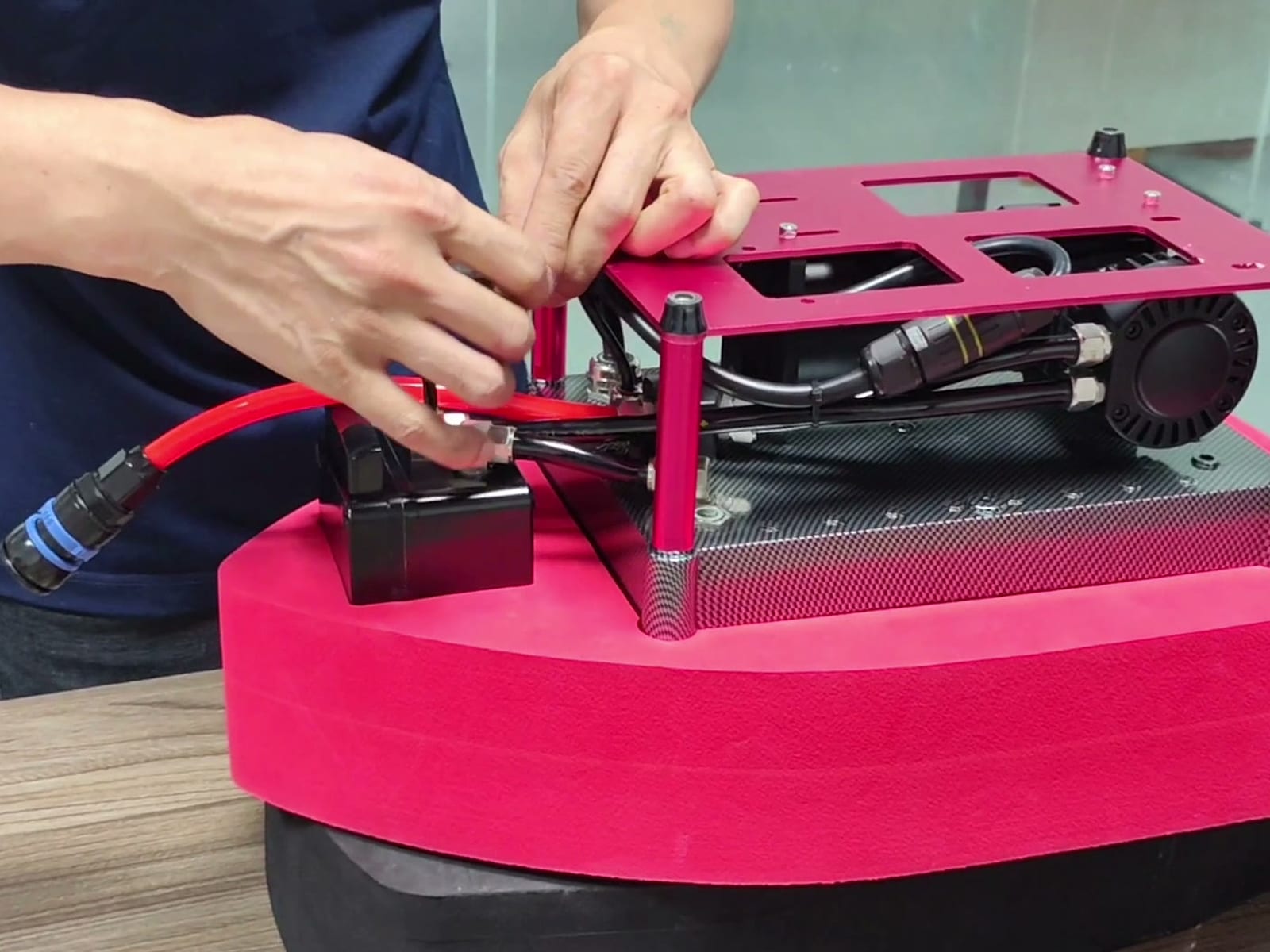
The Drain Box: Keeping Water Out of the Air Path
Water in the box is normal. Water in your lungs is not. Why every surface-supply machine condenses humidity, and the thirty-second habit that stops it reaching you.
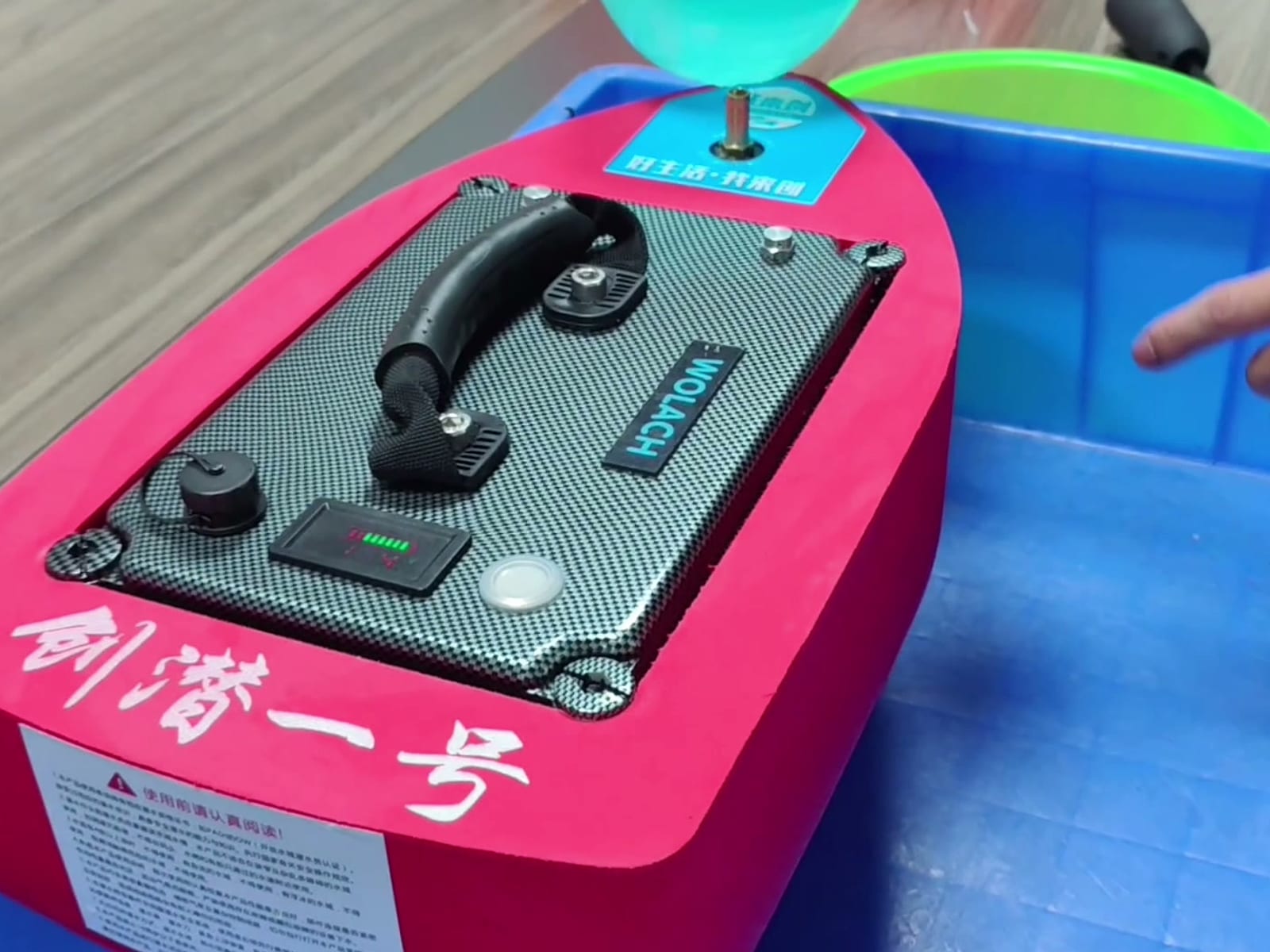
What an Annual Service Actually Covers
Not a rebuild, and not a mystery. The complete ten-point checklist, which parts are replaced whether they look worn or not, and why most of the value is in the testing rather than the parts.
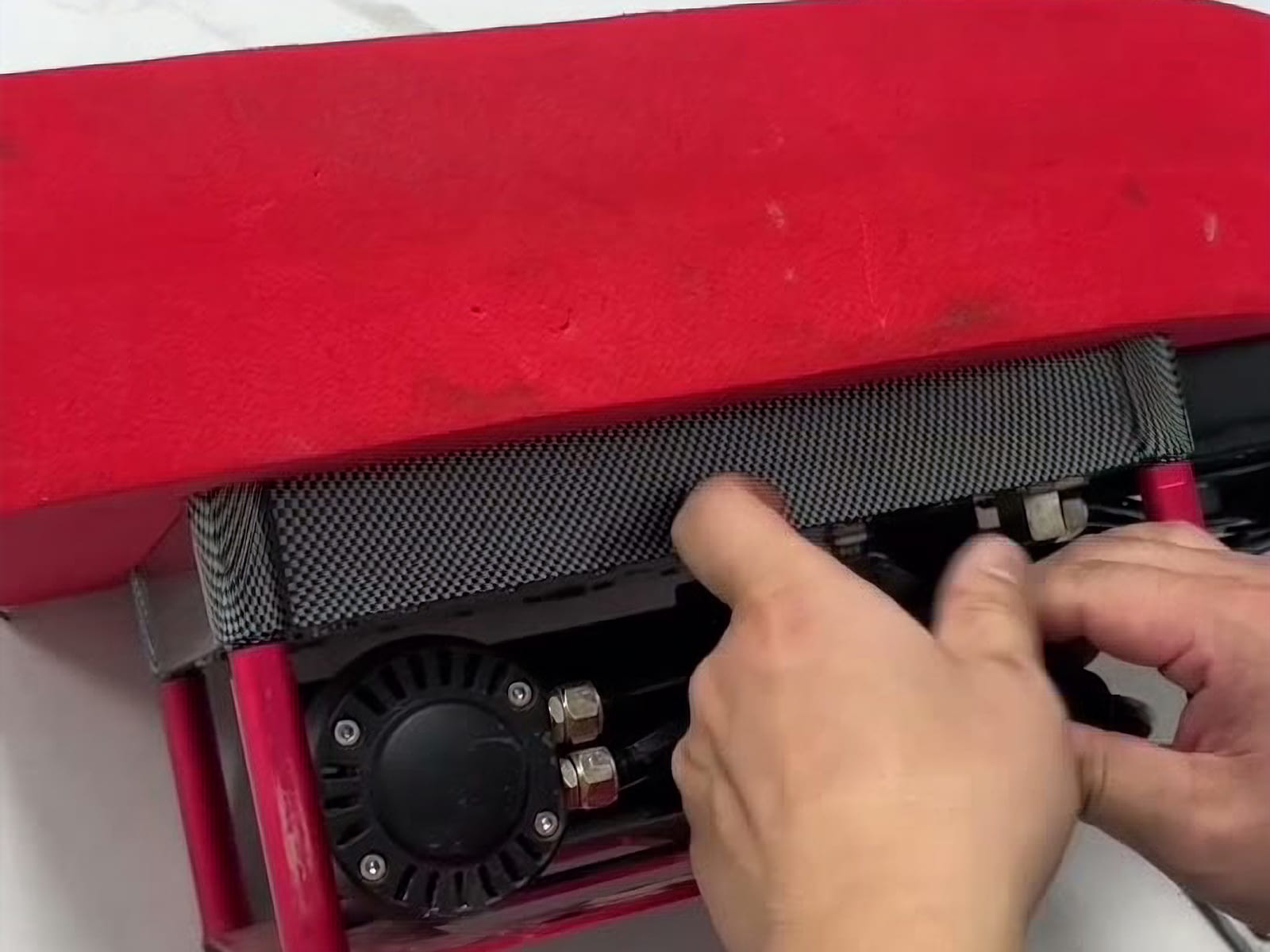
S6 and S7: Removing the Motor Assembly
The procedure our service bench follows to take a motor out of an S6 or S7 — including the one part that costs a machine its watertightness if you force it, and the point where owner work has to stop.
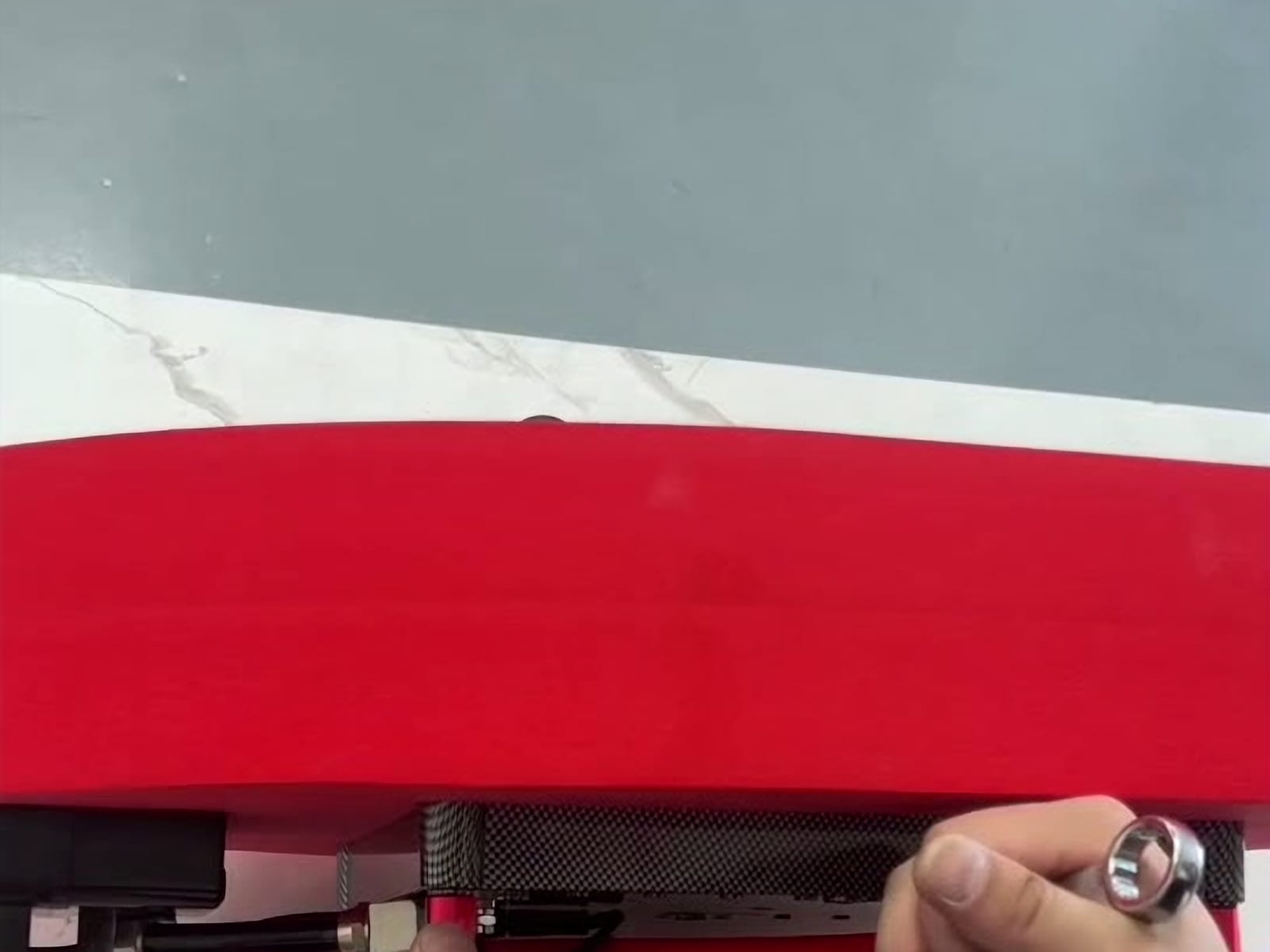
S9: Motor Disassembly on the Service Bench
The S9 splits along a different axis, and that single design change is why an S9 motor swap does not touch the air path. What it changes, and the one tool that matters.
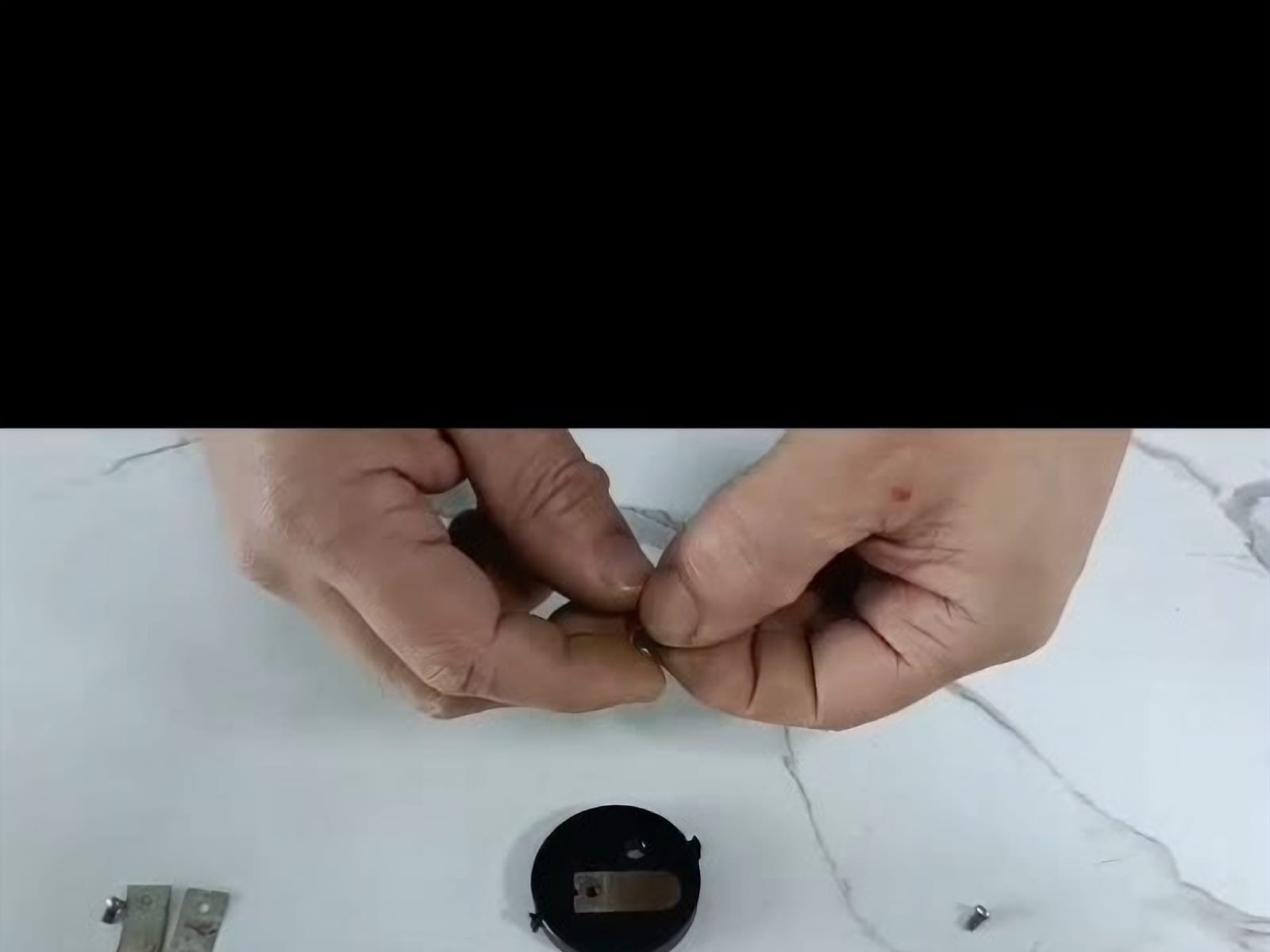
Assembling the Valve Plate
Two reeds that look identical, sit millimetres apart, and run the machine perfectly in the wrong orientation. Why this is the fault that looks expensive and is not.
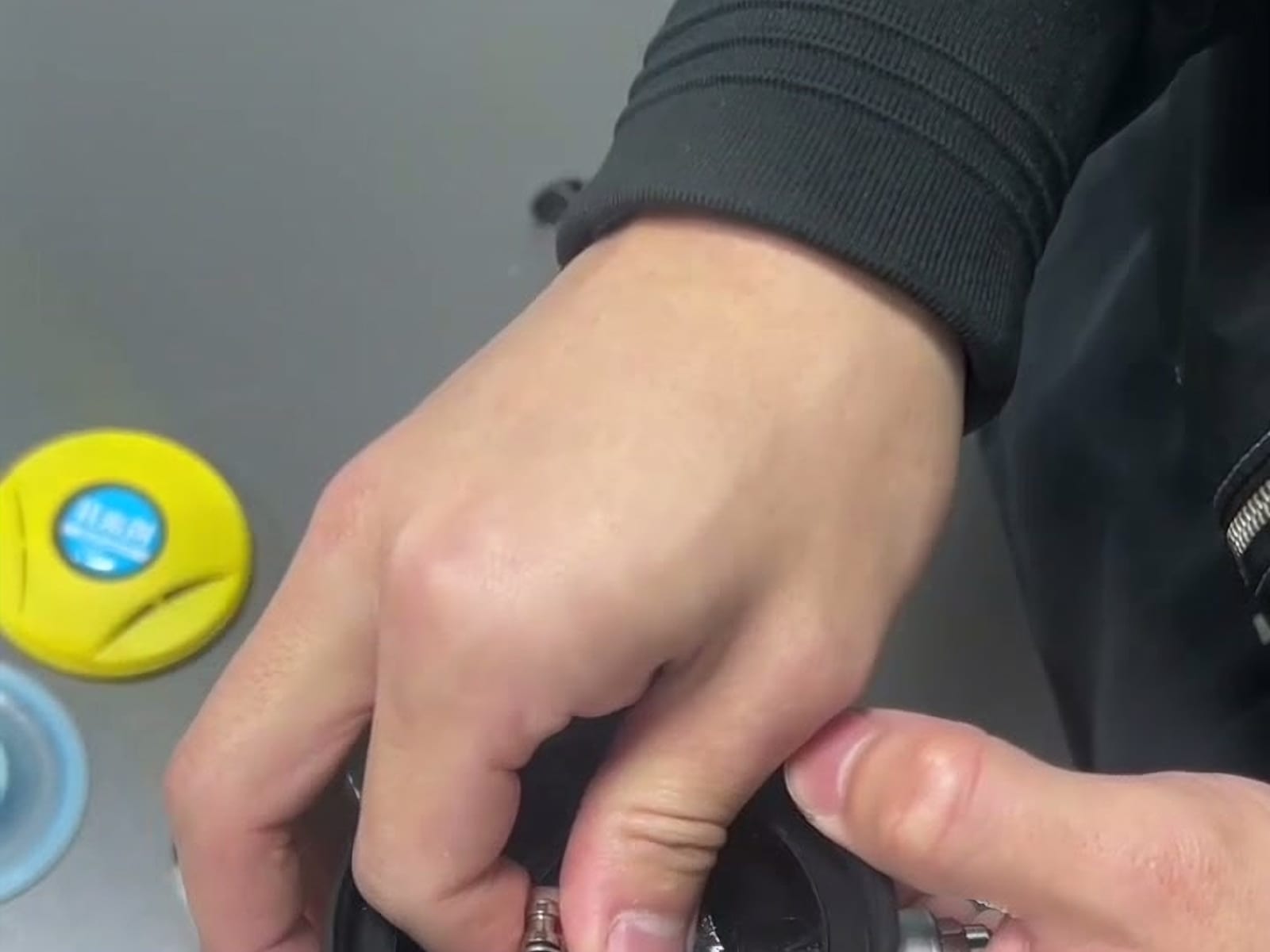
The Second Stage: Construction and the Four Faults Behind Most Complaints
Free-flow, hard breathing, water in the mouthpiece, a hiss at the coupling. What is actually inside the regulator, and which of those four each cause explains.
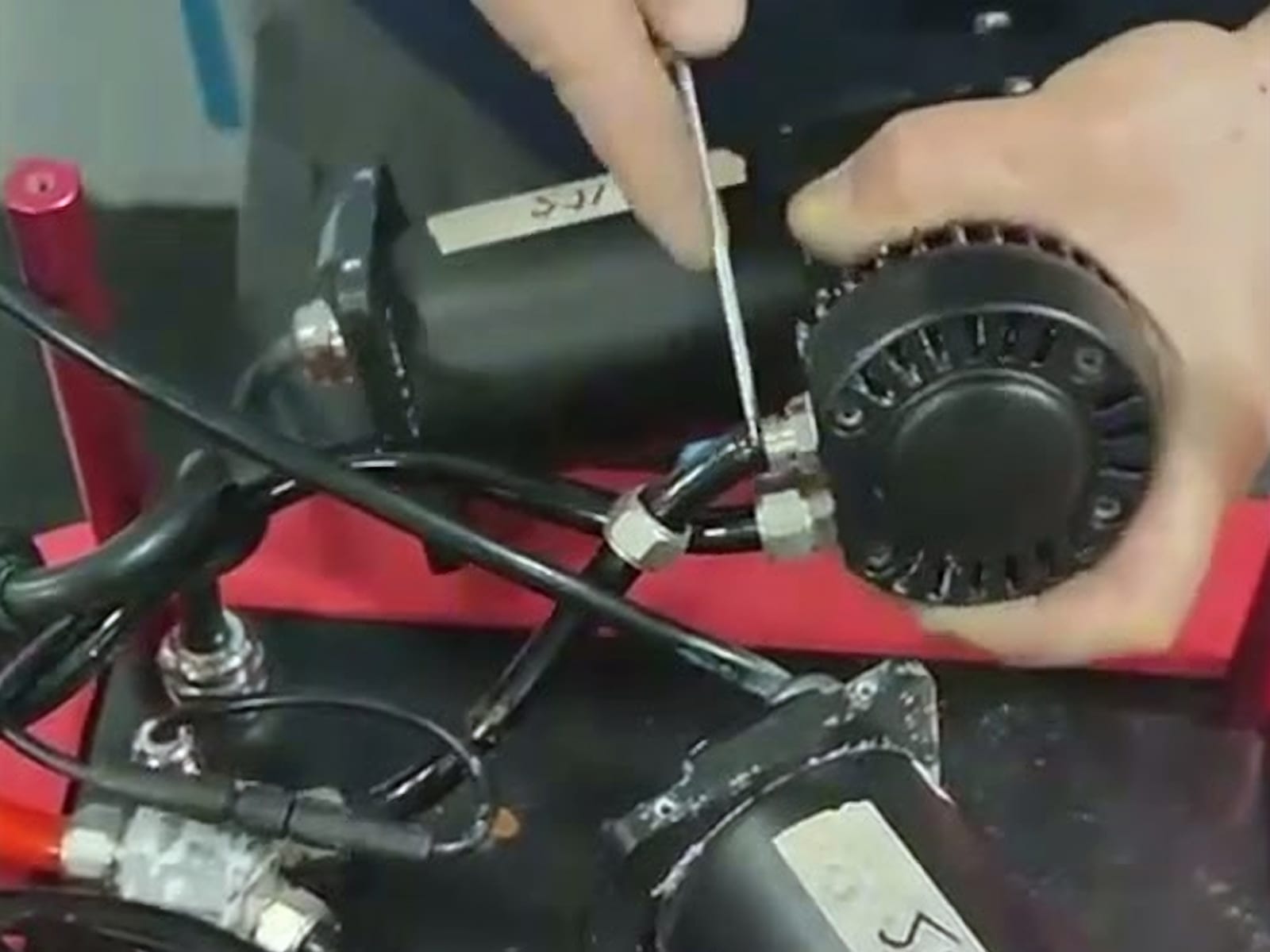
Twin-Pump Maintenance
The high-output models run two barrels in sequence, not two spares. Why they are serviced as a matched pair, and the beat frequency an owner can hear months before anything measures wrong.
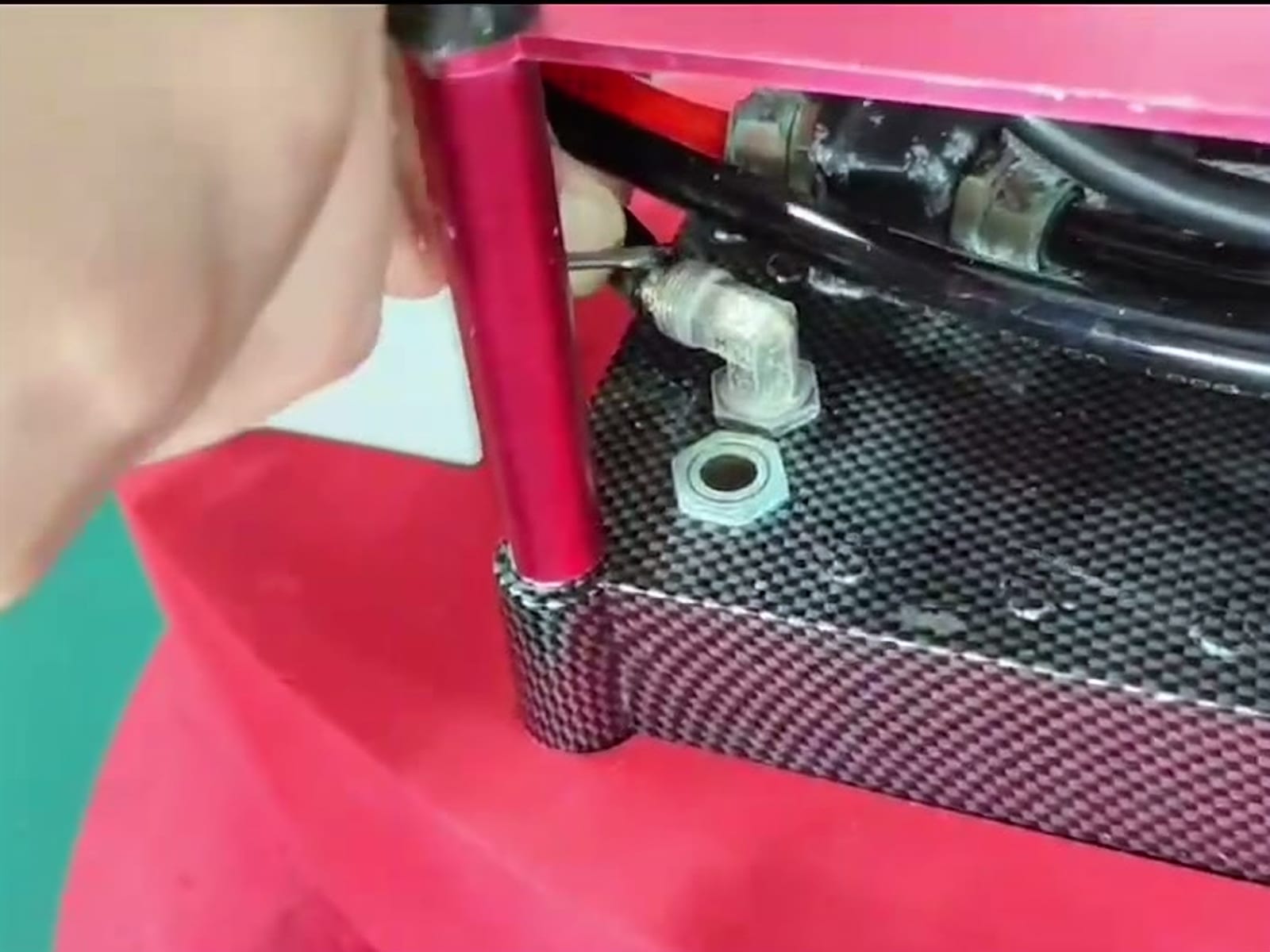
Replacing the Battery Gauge, Charge Port and Switch
The three electrical parts that meet the most sand and salt. None of them needs the machine opened, and one of the four common symptoms is not a part problem at all.